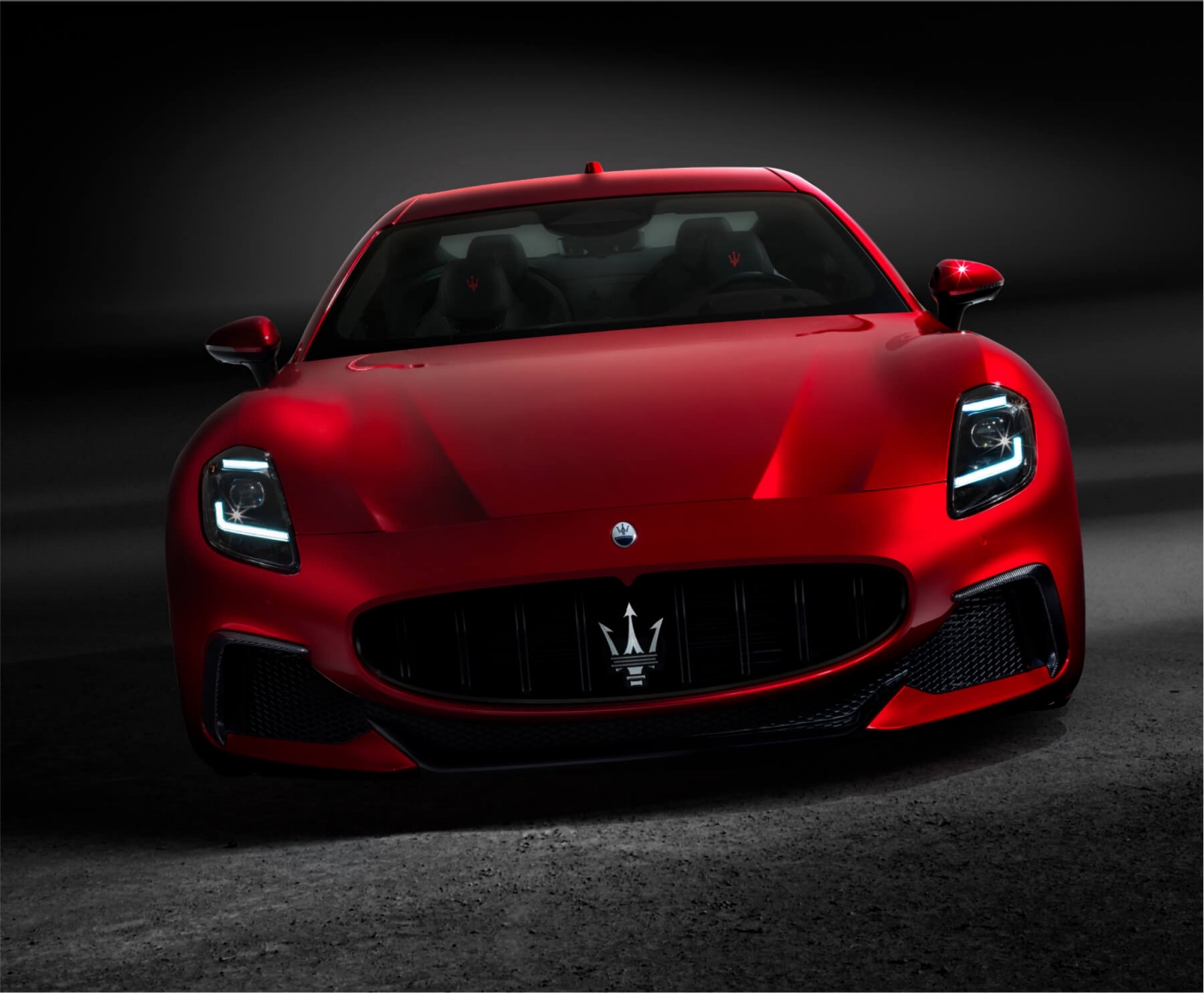
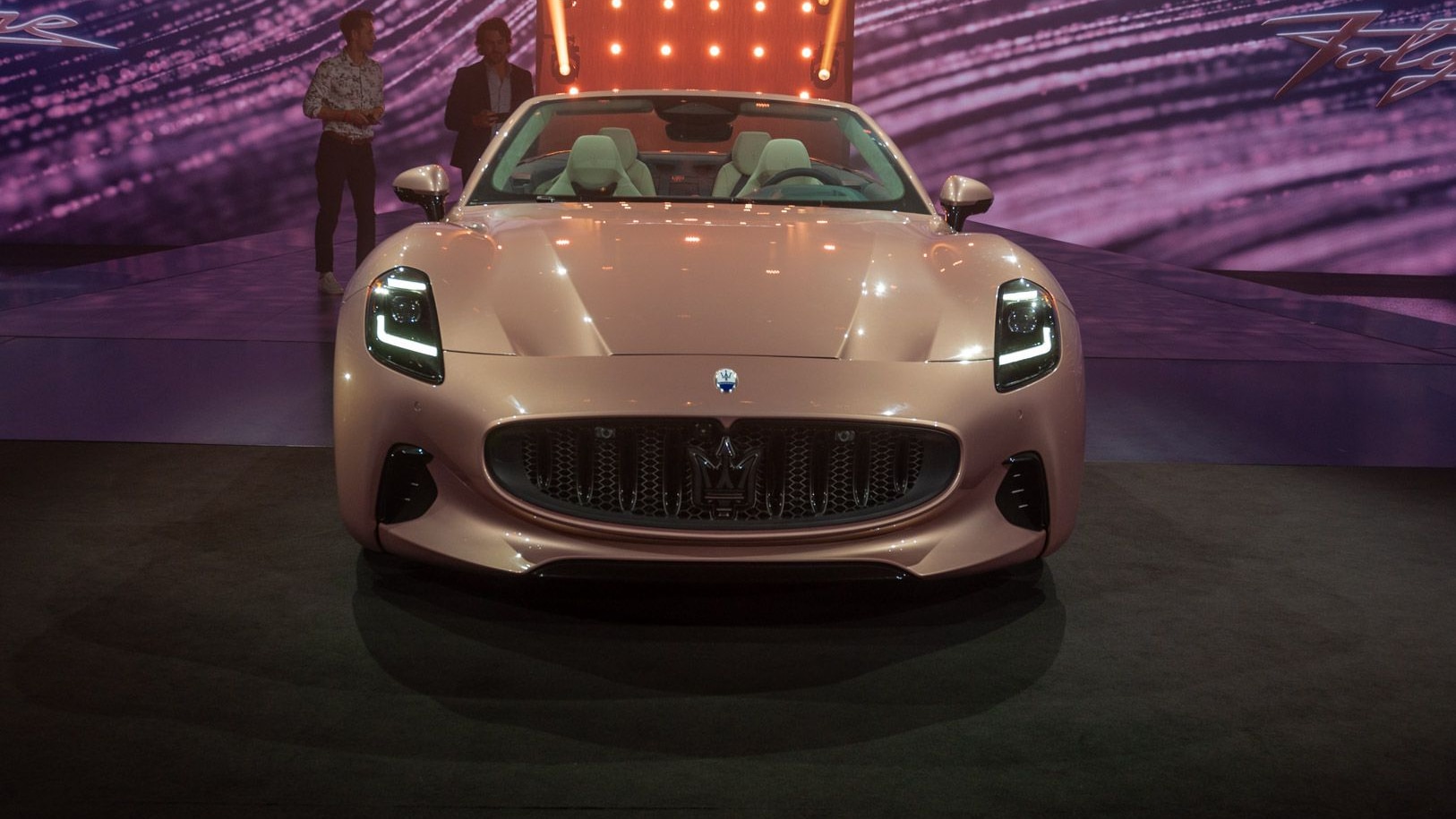
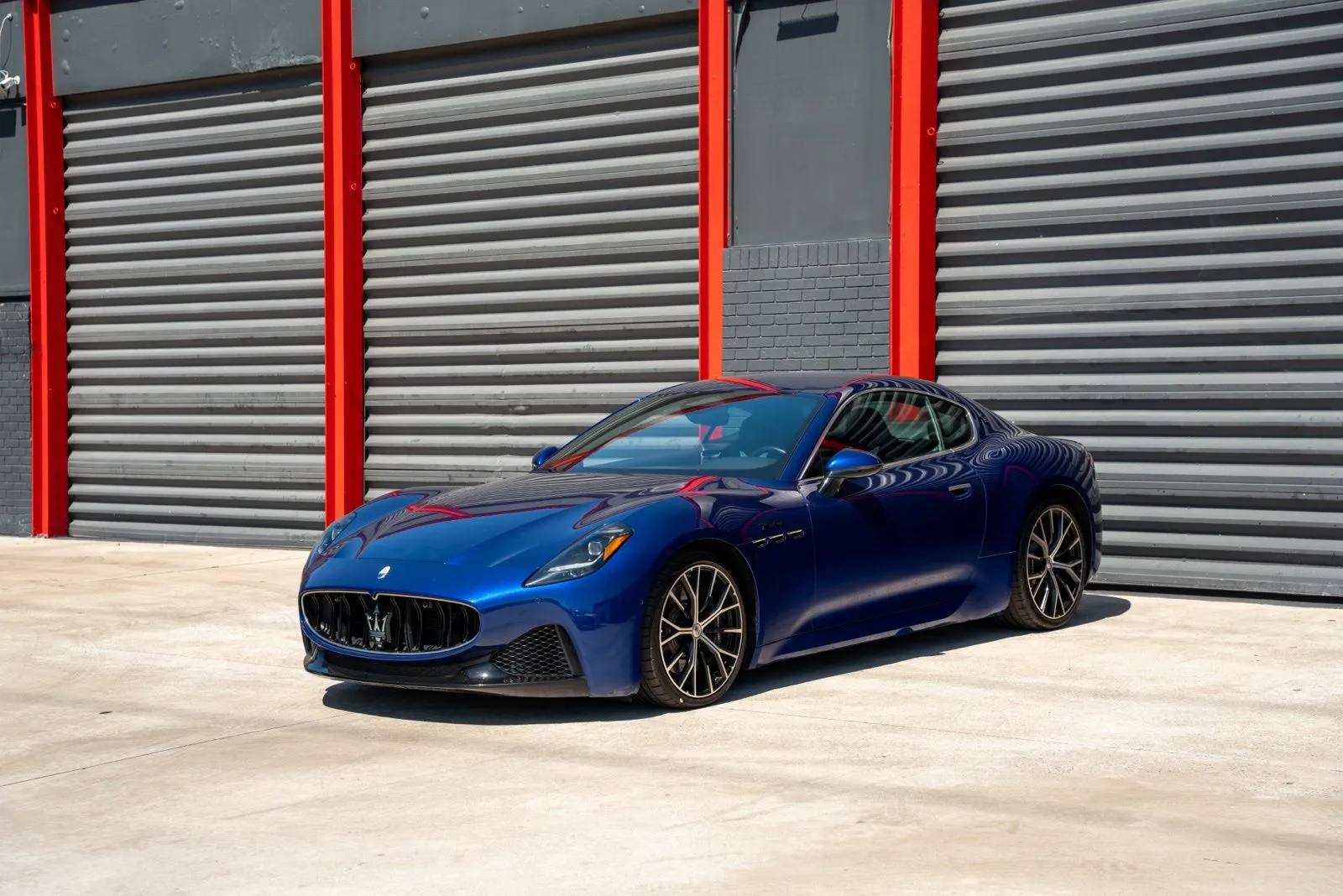
When a legendary Italian marque decides to bankroll its own $100 million biopic—featuring Al Pacino, Anthony Hopkins, and Andy Garcia—the automotive world tends to sit up and take notice. The news that Maserati is self-distributing *Maserati: The Brothers*, a sweeping drama about the six founding Maserati siblings and their prewar racing machines, arrives at a moment of profound uncertainty for the Trident. Stellantis is reportedly in talks with Huawei and JAC to breathe new life into the brand, global sales have wobbled, and its design boss is publicly swearing off AI in favor of human hands. So is this cinematic extravagance a sign of desperation, or the opening salvo of a carefully orchestrated rebirth? As with most things from Modena, the answer is layered with ambition, risk, and a stubborn refusal to play it safe.
Let's address the elephant in the room: that price tag. A $100 million self-distributed film isn't a marketing stunt; it's a corporate declaration of intent. For a brand that moved roughly 1,900 vehicles globally in the first half of 2025—a sharp decline from previous years—this outlay could look reckless on paper. But consider the alternative. Maserati has spent decades fighting for relevance against Porsche, Bentley, and now a wave of electric hyper-SUVs. Conventional advertising campaigns, like the recently unveiled "Luxury, every day" push, risk dissolving into a sea of premium platitudes. A biopic offers something far more potent: narrative ownership. By controlling the story of the Maserati brothers—those visionary Italians who hand-built racing cars in a Bologna workshop before the war—the brand isn't merely selling cars; it's selling its origin myth to a global audience that has largely forgotten it.
Casting Gravitas and the Art of Self-Distribution
The casting choices signal serious intent. Pacino and Hopkins aren't names typically attached to vanity projects; they're Oscar-caliber anchors who lend weight to a story that could easily have been relegated to a streaming special. The involvement of 36 producers, however, hints at the beautiful chaos behind the scenes—a hallmark of passion projects that either soar or collapse under their own ambition. Industry insiders note that self-distribution is a brutal arena, one where even well-funded films often vanish without a trace. But Maserati isn't chasing box-office records here. The play is cultural repositioning. If even a fraction of the audience that streams *Maserati: The Brothers* on October 15th walks away with a newfound appreciation for the Trident's prewar dominance—the Alfieri, the 250F, those glorious straight-six engines—then the brand has achieved what no billboard campaign ever could: genuine emotional resonance.
There's something deeply automotive about this approach, too. The best racing films aren't about the cars; they're about the people who risk everything to build and drive them. Maserati's founders were racers first, industrialists second—men who chased speed with a singular obsession. In an era where every luxury brand claims heritage, Maserati is betting that authenticity still cuts through the noise. And with the film's release timed to the brand's upcoming model launches, there's a clear strategic play: remind the world why the Trident matters before asking them to consider a new Maserati in their driveway.
Heritage Meets the Electric Future
Timing, however, is everything, and Maserati's timing is precarious. While the film celebrates a glorious internal combustion past, Stellantis is simultaneously negotiating with Chinese tech giant Huawei and manufacturer JAC to inject modern electrification and software expertise into the lineup. These two narratives—nostalgic romance and hard-nosed survival—sit in awkward tension. A biopic that glorifies the prewar racing era might seem counterintuitive when the brand's future depends on electric powertrains and Chinese partnerships.
Yet there's a coherent thread running through it all. Maserati's design boss recently insisted that AI will never draw a car for him, championing human creativity over algorithmic shortcuts. That philosophy mirrors the film's ethos: authenticity, craftsmanship, and the gloriously messy brilliance of human endeavor. The biopic isn't a farewell to petrol; it's a reminder that the brand's soul has always been about passion over pragmatism. The same fire that drove the Maserati brothers to build racing machines in a small workshop is the fire that will need to drive the brand's electric revolution—and that's a story worth telling before you ask customers to plug in.
A Calculated Risk in an Unforgiving Market
Critics will argue that $100 million could have been better spent on engineering, quality control, or dealer incentives—all legitimate concerns for a marque that has struggled with reliability perception and residual values. But Maserati has never competed on rationality. Its buyers are drawn to the drama, the sound, the sculptural beauty of an MC20 or the imposing presence of a Grecale. They buy with their hearts first and their heads second. The film is an extension of that ethos, a high-stakes gamble that brand mythology can outpace quarterly earnings reports.
Maserati has always understood something that many modern luxury brands forget: cars are emotional artifacts. The Alfieri that raced at the Mille Miglia wasn't just a machine; it was a declaration of Italian ingenuity. The GranTurismo that turns heads today carries that same genetic code. If the movie lands, it could reposition Maserati as a cultural icon rather than a struggling Stellantis subsidiary—a brand that creates desire, not just product. If it flops, the brand will have burned a fortune on celluloid hubris, and the critics will have their day.
Either way, Maserati is reminding us that it refuses to fade quietly into the automotive background. In an industry increasingly dominated by spreadsheet-driven decisions and risk-averse product planning, there's something almost perversely admirable about a brand that will spend nine figures to tell its own story. The brothers who started it all would likely approve—they never played it safe either. And in that stubborn, passionate refusal to conform, you'll find the truest sign of life from the Trident.