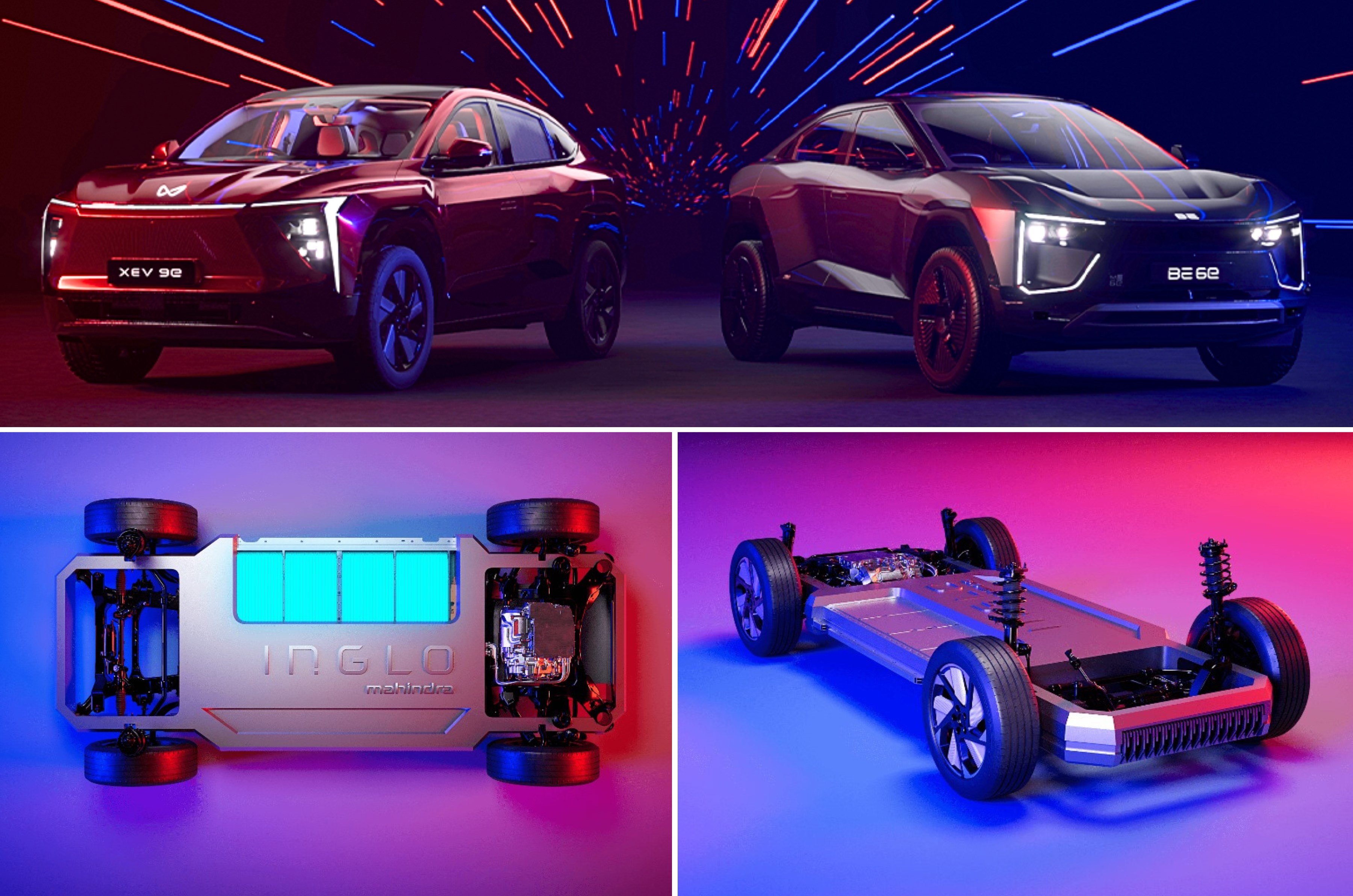
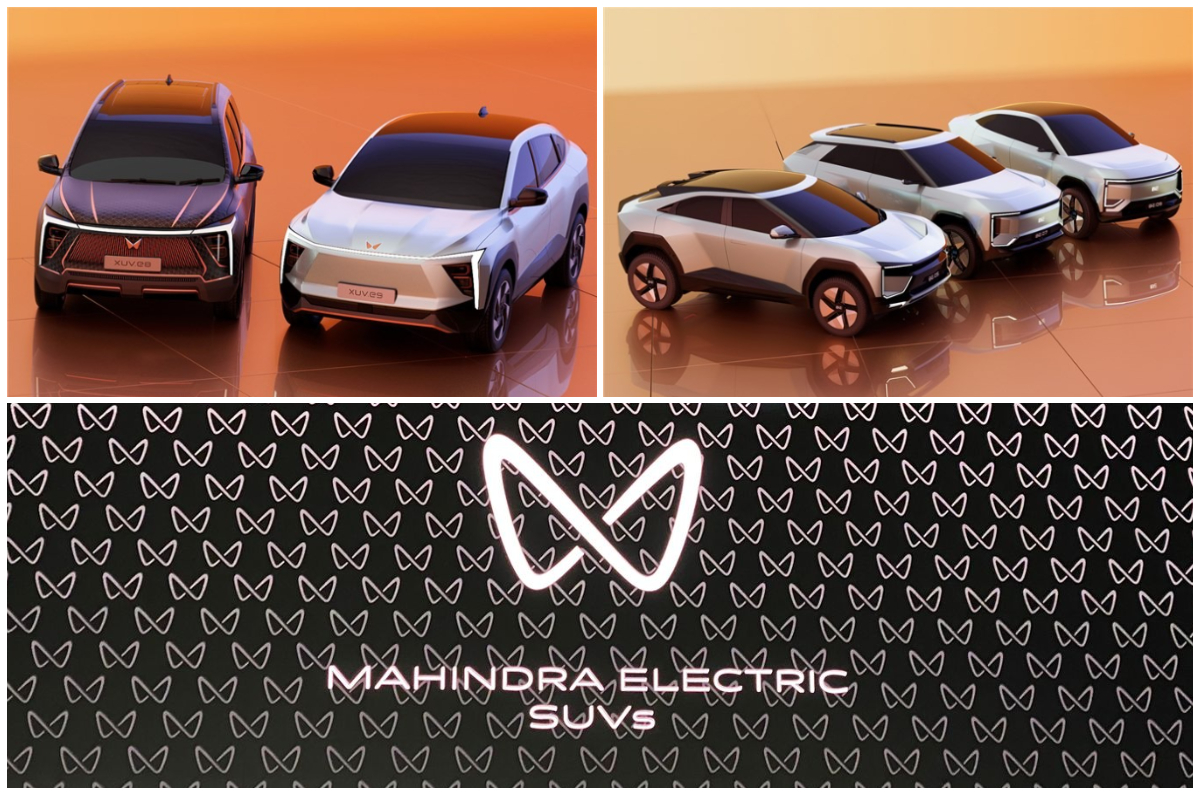
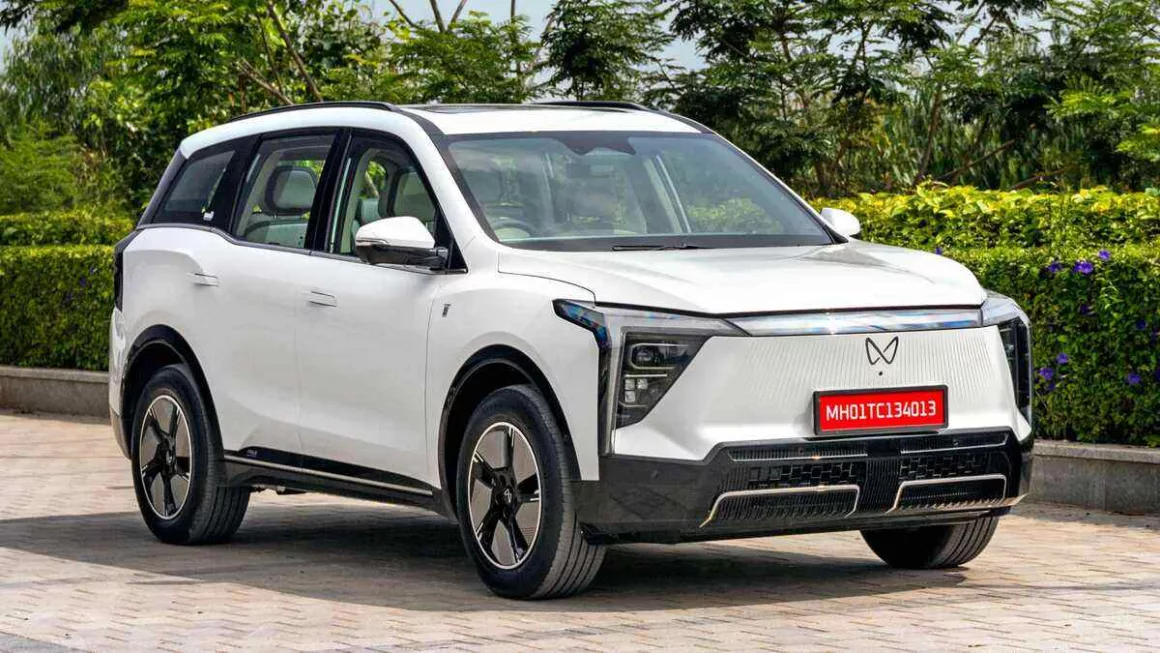
For a century, the internal combustion engine's real magic was never about peak horsepower—it was the quiet comfort of a full tank and the knowledge that a refill cost about the same as dinner out. Electric vehicles have spent years fighting that inertia, and it was never just range anxiety. It was battery anxiety: that cold dread of a wallet-crushing replacement bill hiding inside a beautifully sculpted chassis. Now Mahindra—the Indian conglomerate that built its name on rugged SUVs and workhorse tractors—believes it has found the surgical fix. With the launch of the BE 6, an electric coupe-SUV starting near $12,000, the company isn't simply stepping into the budget EV arena. It's rewriting the ownership playbook by billing the battery by the mile. This isn't a lease. It isn't a loan. It's a decoupling of the most expensive component from the asset itself—and it could redefine what affordable electrification actually means.
The Chemistry of Ownership, Reversed
Here's the elegance of Mahindra's model: it surgically separates the vehicle from its energy storage. Instead of folding the battery's cost into the sticker price, buyers purchase the car outright—cheaply—then pay a variable monthly fee tied to usage. Think of it as a mobile data plan for electrons. In India's fiercely price-conscious market, where every rupee is weighed against long-term maintenance, this transforms the EV proposition from a daunting capital outlay into a predictable operational cost.
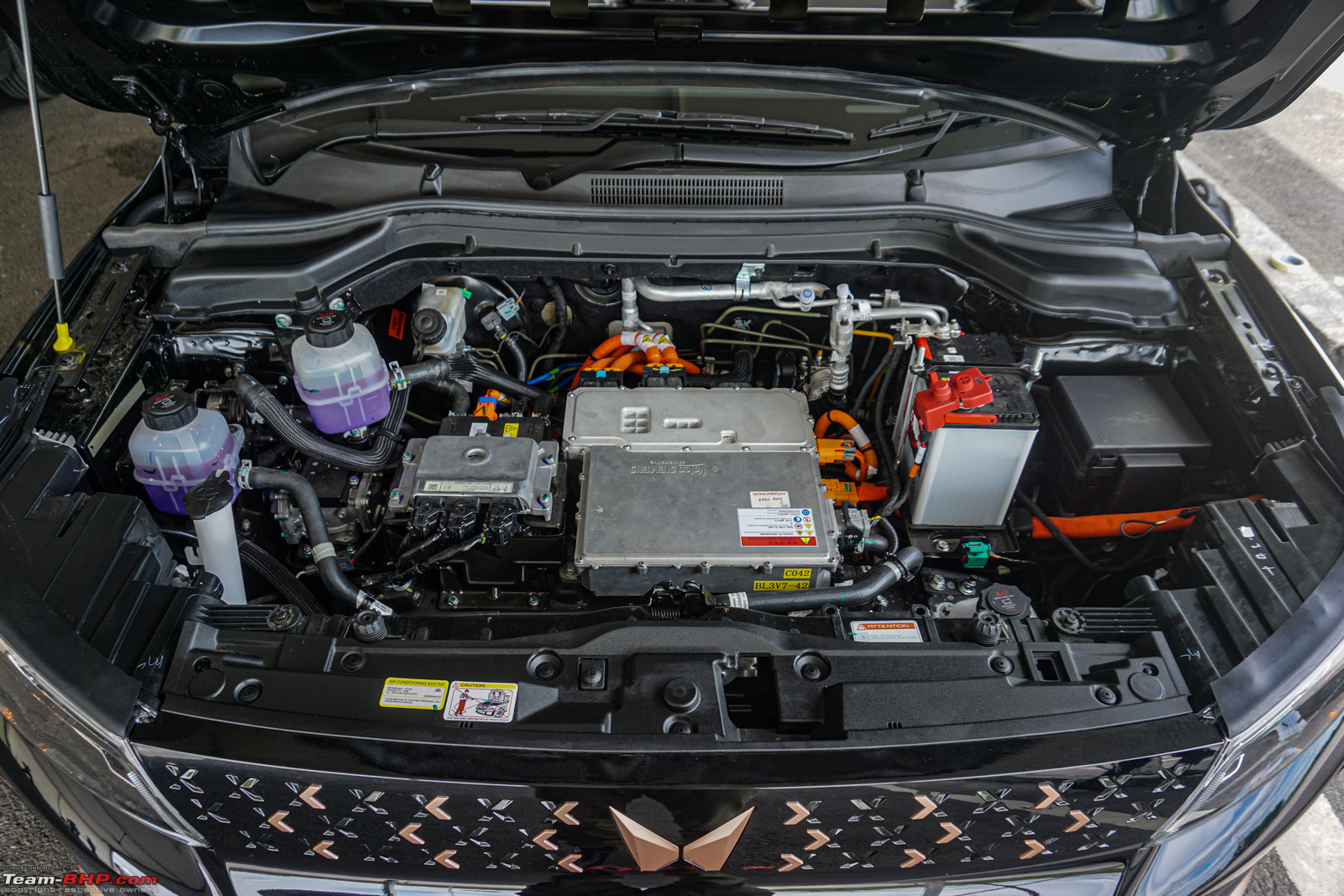
The BE 6 becomes attainable not because Mahindra slashed margins, but because the most volatile element of a car's lifetime cost—battery degradation, eventual replacement, technological obsolescence—shifts to the manufacturer's balance sheet. For the customer, the nightmare of a $10,000 battery replacement on a $12,000 car after eight years simply evaporates. You pay for the miles. Mahindra owns the chemistry.
Critics will rightly ask whether this is a shell game if the per-mile fee proves exorbitant, and early reports suggest the charges are structured to make high-mileage drivers wince. But look deeper, and the strategic play is more audacious than simple financing. By retaining battery ownership, Mahindra locks itself into a circular revenue stream that extends far beyond the point of sale. Every mile driven is a data point; every charge cycle is a stream of telemetry that lets the company refine its battery management systems and predict failures before they happen. It's the same logic that powers Formula E—where Mahindra's team has struggled for pace in the Gen4 era—but on the road, the lessons from the track are being repurposed for the balance sheet.
The Upgrade Path No One Else Has
This subscription model also creates an elegant upgrade path that legacy automakers can only envy. When solid-state cells finally arrive, existing BE 6 owners won't need to buy a new car to benefit. They might simply swap their old battery pack for a newer one at a service center, preserving the vehicle's resale value while keeping Mahindra's factory utilization humming. That's a relationship with the customer that extends beyond a single transaction—it's a long-term partnership with the hardware.
The timing is deliberate, and the context matters. While the automotive world's attention is fixed on Chinese OEMs flooding global markets with sub-$20,000 EVs, Mahindra is attacking the problem from the ownership side rather than the manufacturing side. The XUV 7XO and the BE 6 aren't technological miracles; they're evidence of a different kind of innovation: financial engineering applied to the customer's total cost of ownership.
Solving the Used EV Paradox
This model also sidesteps one of the EV market's most stubborn barriers: the used car paradox. An electric vehicle with a degraded battery is nearly worthless on the secondary market—a slow-motion depreciation trap that punishes early adopters and scares off everyone else. But a Mahindra with a subscription battery retains its value because the next buyer inherits the same flexible terms. Suddenly, the resale market is no longer a graveyard of aging lithium-ion packs. It becomes a marketplace of viable, affordable transport.
There are risks, of course. Mahindra is betting that battery prices will continue their historic decline, and that its telemetry will prove accurate enough to avoid a tidal wave of warranty claims. The Saudi Arabian giga-project contracts and tractor sales growth show a conglomerate with diversified cash flows, but EV profitability remains a different beast entirely.
The Quiet Revolution
Yet if Mahindra pulls this off, it will have done what no legacy automaker has managed: it will have made the battery a utility, not a liability. The $12,000 BE 6 with a pay-per-mile battery isn't just an Indian market curiosity. It's a template for every emerging economy where the upfront cost of electrification has been the single greatest barrier to adoption.
The question was never whether EVs could be cheap enough to buy. It was whether the industry would be brave enough to stop selling the batteries altogether. Mahindra—a company that has always understood the value of getting its hands dirty, whether in a muddy field or on a race track—has just answered with a quiet, revolutionary yes. And that might be the most exciting thing to happen to affordable electrification yet.