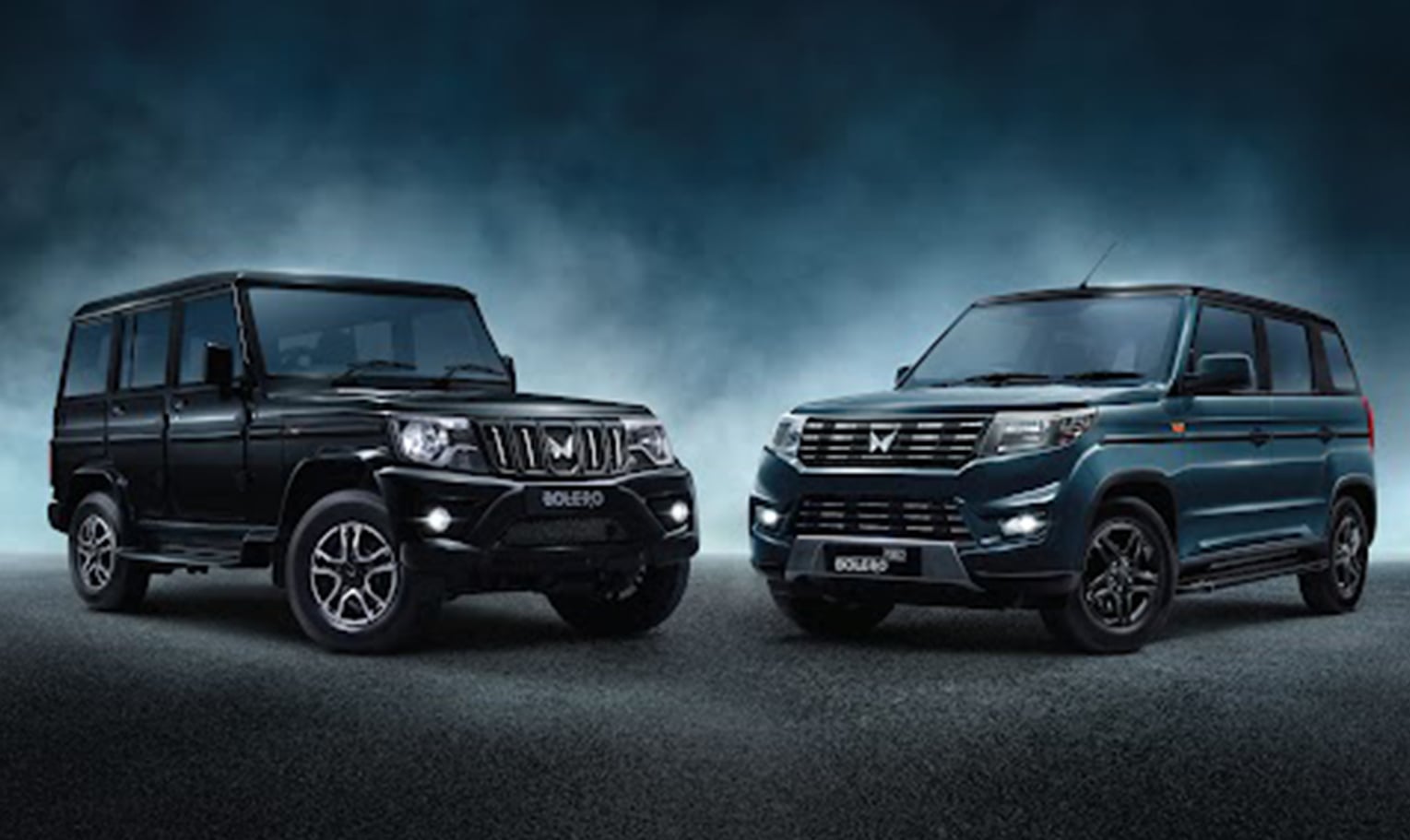
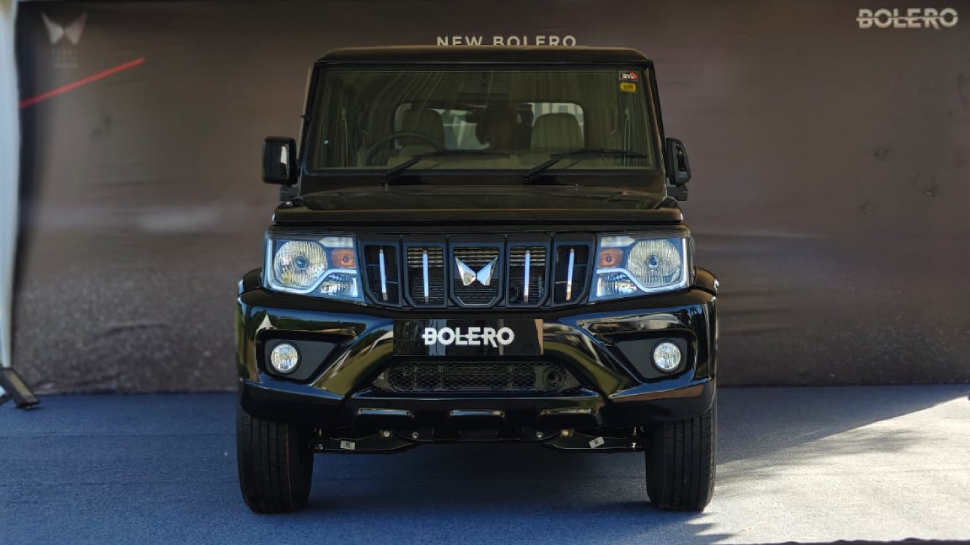
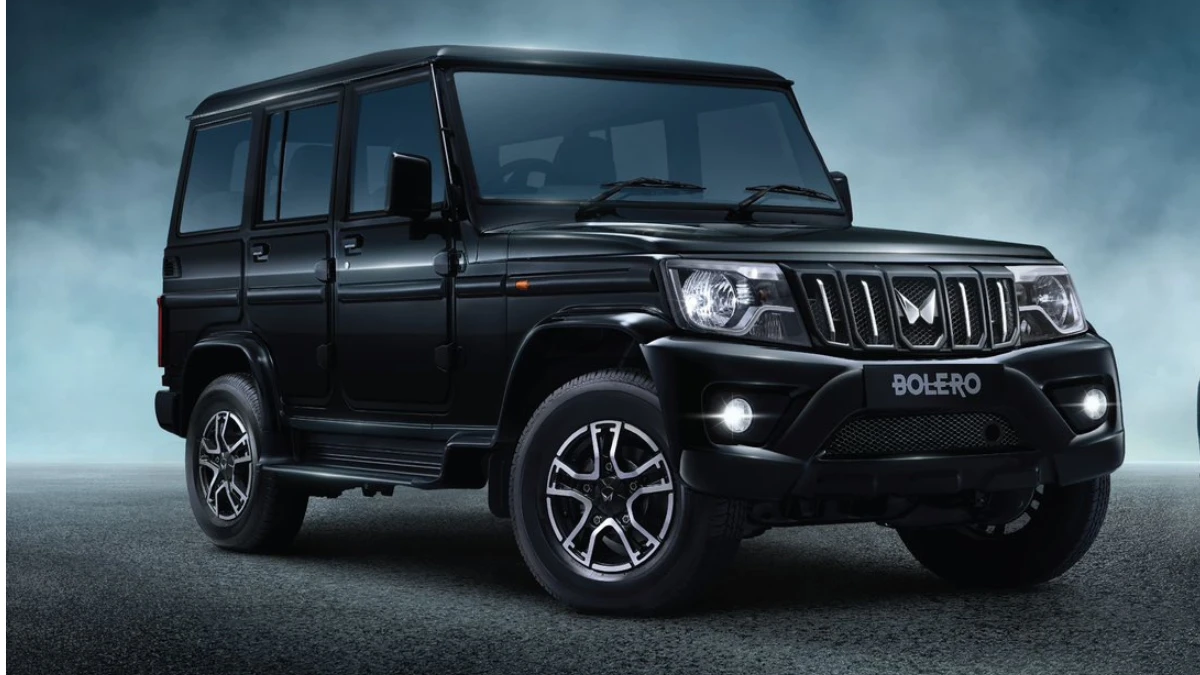
There's a particular kind of poetry in the image that did the rounds this week: a Mahindra XEV 9e—all sculpted sheet metal and glowing screens—beached on soft sand, wheels spinning uselessly, while a Mahindra Bolero, a machine whose design language has barely changed since the Bronze Age of Indian motoring, rolls in to drag it free. The internet, predictably, lost its mind. The jokes wrote themselves: the future, rescued by the past; software defeated by torque and a ladder frame. But beneath the meme sits something far more consequential for Mahindra than a viral clip. It is, in fact, the most persuasive piece of EV marketing the company could have stumbled into—and it says everything about why the brand's electric ambitions might actually work.
Consider what the XEV 9e represents. Born from the INGLO platform, draped in the coupe-SUV silhouette that has become shorthand for electric modernity, packed with twin 12.3-inch screens and a battery pack promising ranges that would have seemed fantastical a decade ago—this is Mahindra's bid to be taken seriously at the sharp end of the EV market. It is a statement of intent, a declaration that the company which built its reputation on diesel clatter and go-anywhere durability can play in the rarefied air of software-defined vehicles. And yet, for all that ambition, the vehicle found itself defeated by a stretch of wet beach. The irony is almost too neat.
The Covenant of the Bolero
But here's the thing: the rescue didn't embarrass Mahindra. It fortified it. Because the Bolero is not merely a car in the Indian imagination—it is a covenant. It is the vehicle that carried generations through unpaved districts, that survives neglect and abuse with a stoicism bordering on the mythological. When a Bolero appears in that video, it arrives not as an anachronism but as an ancestor offering benediction. The message, unintentional though it may have been, is one of continuity. This is a family of vehicles that looks after its own. The electric newcomer may stumble; the old guard will be there. For a buying public still nursing quiet anxieties about range, charging infrastructure, and whether an EV can handle the realities of Indian roads, that implicit promise is worth more than any specification sheet.
An Asymmetry Rivals Can't Replicate
This is the asymmetry Mahindra's rivals cannot easily replicate. Tata has built genuine credibility in EVs, but it lacks a Bolero—a totem of indestructibility that can be summoned to lend moral weight to its electric lineup. The Korean giants and the Chinese entrants have technology and scale in abundance, but they do not have fifty years of accumulated folk memory in which their badge stands for getting home regardless. Mahindra's legacy of toughness is not a marketing construct; it is a lived inheritance, and it now functions as an unlikely guarantor for the company's electric future. The Thar Roxx, with its devoted following and its occasional sunroof gremlins, occupies the same symbolic territory: a modern machine still judged against a standard of ruggedness that the brand itself set.
The Technical Brief Hidden in the Sand
None of this excuses the engineering realities. An electric SUV that cannot extricate itself from sand is a reminder that the transition to electric mobility demands a rethinking of capability, not merely a re-skinning of it. Weight distribution, instant torque delivery, tyre choice, and the absence of a low-range transfer case all conspire against the beachgoing EV driver. Mahindra would do well to treat the episode as a technical brief: the XEV line must eventually earn the Bolero's reputation, not merely borrow it. All-wheel-drive variants and terrain management systems will matter more than another inch of screen real estate.
Trust Is the Scarcest Commodity
Yet the strategic lesson stands. In a market where EV adoption remains a leap of faith for many buyers, trust is the scarcest commodity. Mahindra has spent decades accumulating precisely that, and the sight of a Bolero hauling its electric descendant off the sand was, however inadvertently, a demonstration of institutional character. The future arrived, got stuck, and was retrieved by the past. For a brand navigating the most consequential transition in its history, there are worse stories to be told—and few that ring so authentically true.
In the end, that is Mahindra's automotive philosophy in a single frame: capability first, ceremony later. The Bolero never set out to be a hero; it simply refused to quit, and the legend grew around it. The XEV 9e carries the opposite burden—it must prove itself worthy of that legend. The sand did not shame either machine. It clarified the terms of the inheritance.