When Mahindra & Mahindra announced it had selected Nagpur as the prospective site for a C-390 Millennium assembly line alongside Brazil's Embraer, most observers filed the story under defense and aerospace — a strategic industrial play, a feather in the cap of India's Make in India ambitions, and, for a few Tamil Nadu politicians, a grievance worth airing. What almost nobody framed it as was automotive news. That is a mistake. The same company preparing to bolt together military transport aircraft in central India is the company that sold 64,092 SUVs in a single month, and the two facts are far more connected than the headlines suggest.
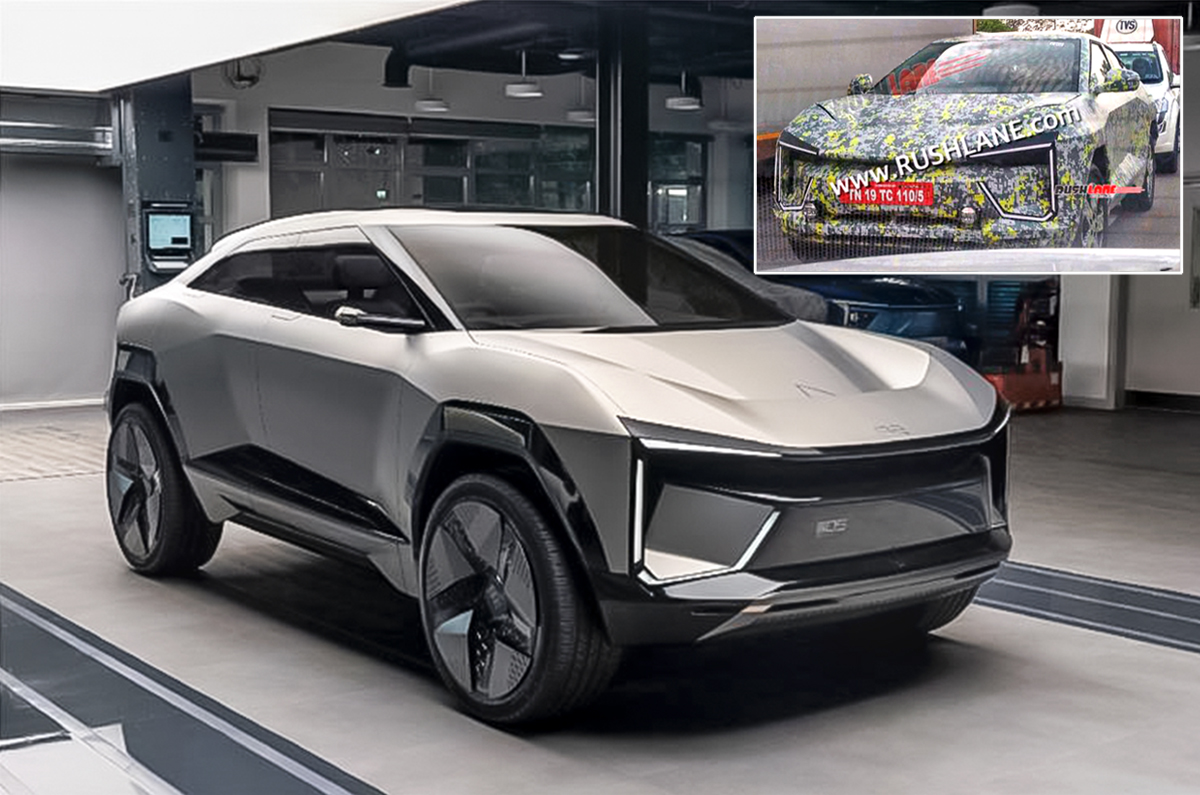
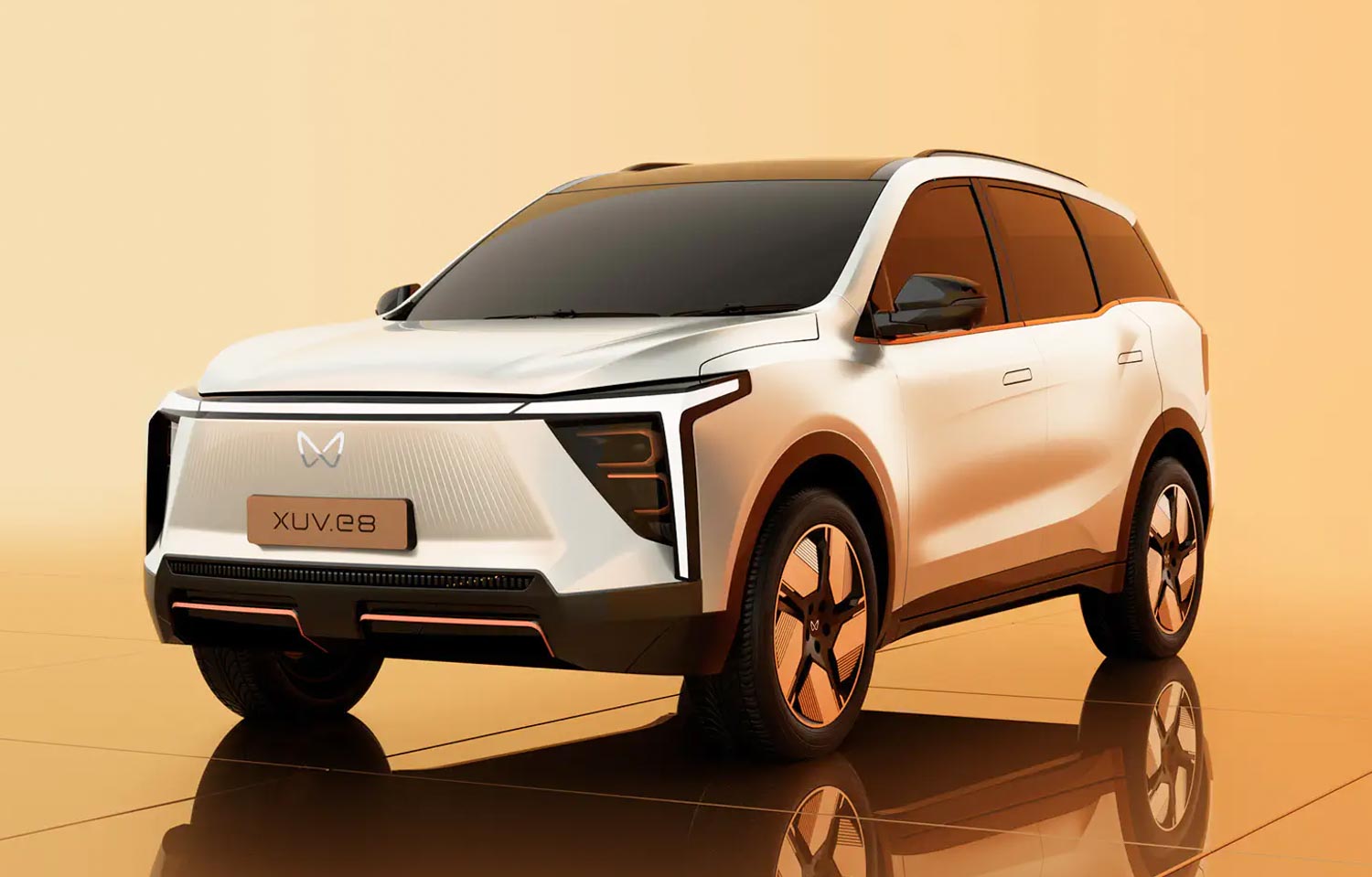
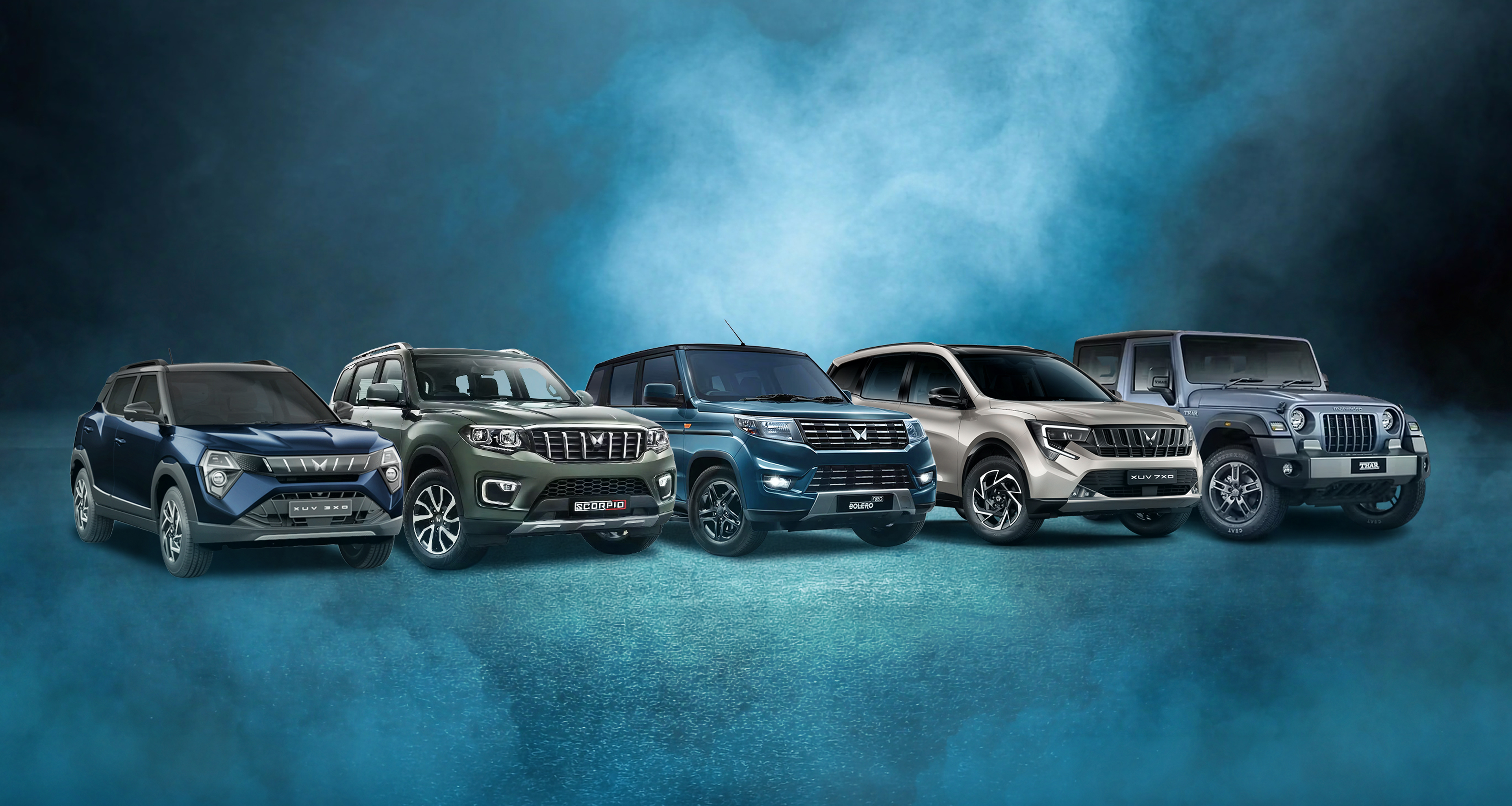
Start with the most obvious thread: Mahindra is not a carmaker that happens to own some industrial assets. It is an industrial conglomerate that happens to build some of the most desirable SUVs in the world right now. The Thar, the Scorpio-N, the XUV700, and the upcoming electric BE range are products of a company whose engineering culture was forged in tractors, trucks, and — yes — defense hardware. When Mahindra builds armored vehicles for the Indian Army or assembles aircraft fuselages in Nagpur, it is not diversifying away from cars. It is deepening the exact competency that makes its cars credible: the ability to engineer for abuse, for terrain, for conditions where failure is not an option.
The Engineering Culture Behind the Badge
This matters commercially. The C-390 program, if it proceeds, will bring with it a supply chain, a workforce of aerospace-grade engineers, and a tolerance for precision manufacturing that filters down through the organization. Aerospace tolerances are measured in fractions of a millimeter; automotive tolerances, even good ones, are measured in millimeters. A company that learns to hold the tighter standard does not forget it when it returns to the SUV line.
The same logic applies to materials, to quality control, and to the brutal testing regimes that defense procurement demands. Every one of those disciplines eventually shows up in a showroom vehicle, usually years later, usually described in marketing copy as "rugged" or "built for anything." That is not cynicism — it is how engineering cultures actually propagate. The defense work is not a distraction from the SUVs. It is the reason the SUVs feel the way they do.
The Numbers That Back It Up
There is also a harder, more immediate signal in the numbers. Mahindra's September figures showed a 14 percent growth in SUVs and 114,874 total vehicles sold, a performance that has made it one of the few legacy automakers anywhere in the world growing at that pace in the SUV segment. Its off-roaders have become so effective at undercutting the competition that American outlets now describe the $10,700 Roxor as making a Jeep Wrangler look expensive — a comparison that stings precisely because it is accurate.
Mahindra's value proposition has always been more capability per dollar than the establishment is comfortable with, and the defense work reinforces rather than dilutes that identity. Capability, after all, is not a marketing slogan. It is what remains after the spec sheet stops flattering you and the terrain starts asking questions.
Racing as a Laboratory
Then there is the racing program. Mahindra Racing's decision to retain Mortara and de Vries for the first GEN4 Formula E season is easy to dismiss as marketing, but it is not. Formula E is an efficiency laboratory: thermal management, regenerative braking, power electronics, software. The lessons learned in a spec-series car that must extract maximum range from a finite battery pack are directly transferable to the electric SUVs Mahindra intends to sell in volume.
A company that competes at the highest level of electric racing while simultaneously building aircraft and tractors is a company with unusually broad engineering reach — and unusually strong reasons to believe it can solve problems its rivals cannot. The racing program is not a side quest. It is a research department with a lap timer.
The Point Is Not the Contract
None of this guarantees that the Nagpur assembly line will be selected, or that the C-390 deal will survive the political crossfire it has already attracted. But that is beside the point. The strategic value of Mahindra's aerospace detour is not contingent on a single contract. It is the accumulated effect of operating across domains that demand more rigor than the car business alone ever would.
When you next sit in a Thar or a Scorpio-N and wonder why it feels overbuilt, remember that the company behind it spends its days thinking about aircraft, armored vehicles, and racing cars. The SUV is the beneficiary. That is the brand's philosophy in one sentence — build for the hardest conditions first, and let the road car inherit the confidence.