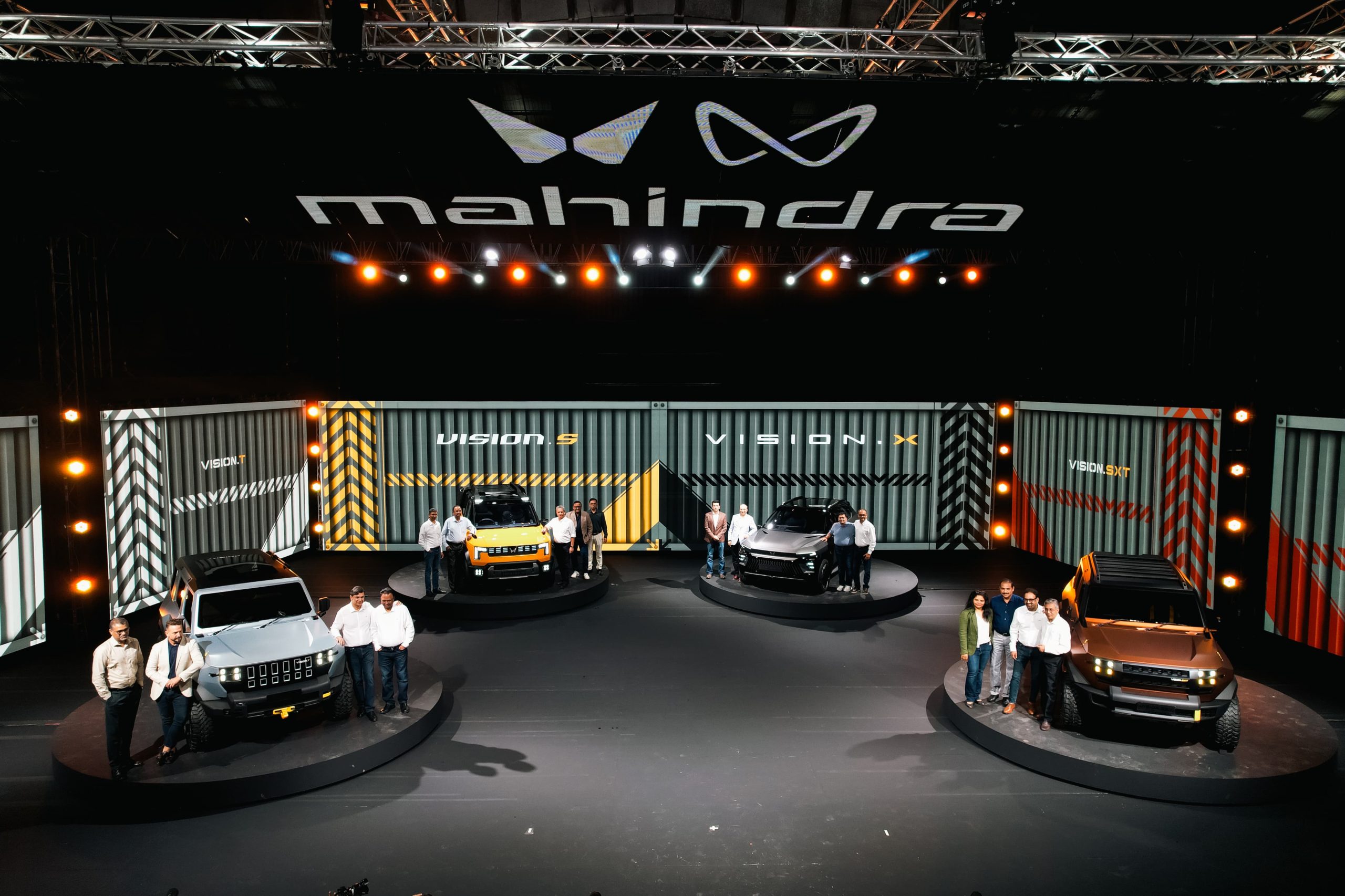
For decades, Mahindra meant one thing in the minds of Indian car buyers: the rugged, unapologetically boxy utility vehicle that could ford a river, climb a hill, and rattle you senseless on the way home. Durability and go-anywhere capability built the brand's reputation — beauty never got a look in. Design was a functional afterthought, not a reason to sign on the dotted line. That perception is now being dismantled with striking speed, and Rajesh Jejurikar has been refreshingly candid about why. Speaking with The Economic Times, he laid out how Mahindra deliberately reinvented itself as a design-first automaker — a philosophical shift reshaping not just the product line but the company's entire global identity.
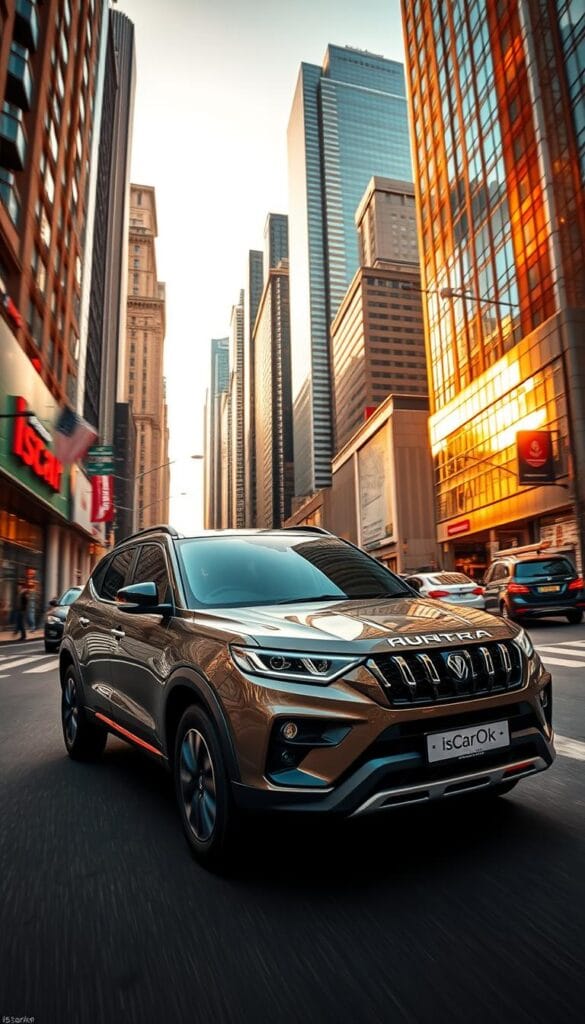
The clearest evidence sits in the showroom. The XEV 9e, Mahindra's flagship electric SUV, is not a machine built to survive a dirt track. It's a machine built to turn heads — sculpted silhouette, aerodynamic proportions, a futuristic lighting signature that belongs to a design language deliberately global rather than regionally utilitarian. When the Bhutanese government took delivery of 54 XEV 9e EVs, the images that circulated showed a fleet that looked less like government workhorses and more like premium embassy cars. That, precisely, is the point. Mahindra no longer wants to be the brand you buy because it's tough. It wants to be the brand you buy because it's beautiful.
Why Design Is the New Battleground
This pivot is not cosmetic vanity. It's a hard-nosed calculation about where global automotive value is migrating. In the electric era, mechanical differentiation is narrowing fast. Motors are compact, batteries are flat, platforms are increasingly shared. What's left to separate one brand from another is design — the shape, the proportion, the emotional pull of the object parked in your driveway. Mahindra grasped earlier than most legacy utility makers that competing beyond India's borders meant speaking the language of form as fluently as it spoke the language of function.
It's a lesson the wider industry is still learning. For years, engineering spec sheets decided winners. Now the showroom stare does. Mahindra appears to have understood that if the hardware converges, the sheet metal — and the light signature, and the stance — becomes the argument.
The Thar Keeps Its Soul
The Thar remains the emotional anchor of the brand, and its upcoming facelift is instructive. Rather than abandoning the icon's rugged DNA, Mahindra is refining it — sharpening the details, modernising the interface, polishing the surfaces without sanding away the character. Two further SUVs are slated for arrival by 2027, and the company has signalled that each will carry forward the design-led philosophy now embedded in its development process.
The message is clear: Mahindra will keep its off-road soul, but it will dress it in couture. That's a delicate act. Strip too much away and you alienate the faithful; change too little and you stay trapped in the past. So far, the balance looks deliberate rather than cautious.
Racing, Purpose, and the Wider Ecosystem
What makes this pivot credible rather than aspirational is the ecosystem of innovation surrounding it. Mahindra Racing competes in Formula E, the world's premier electric racing series, where aerodynamic efficiency is measured in fractions of a second — and that motorsport discipline feeds directly into road-car design thinking. Meanwhile, Mahindra Last Mile Mobility has been named a finalist for The Earthshot Prize 2026, recognition that the company's ambitions extend beyond aesthetics into genuine sustainability leadership. Design, electrification, and purpose are converging into a single brand narrative — one far more compelling than the sum of its parts.
The Unglamorous Backdrop
Transformation on this scale invites scrutiny, and rightly so. Questions about workforce composition — with temporary labour now accounting for a striking share of the auto industry's headcount — and persistent concerns about road behaviour in India form the unglamorous backdrop against which this reinvention unfolds. A brand that aspires to global style leadership must also lead on responsibility. Style, after all, is easy to photograph. Substance is harder to prove.
Yet the direction of travel is unmistakable. Mahindra has stopped asking whether design matters and started asking what its design should say to the world. The answer, increasingly, is that it says something worth hearing — and worth buying. From workhorse to style leader, the transformation is no longer a promise. It's parked in the showroom, catching the light.