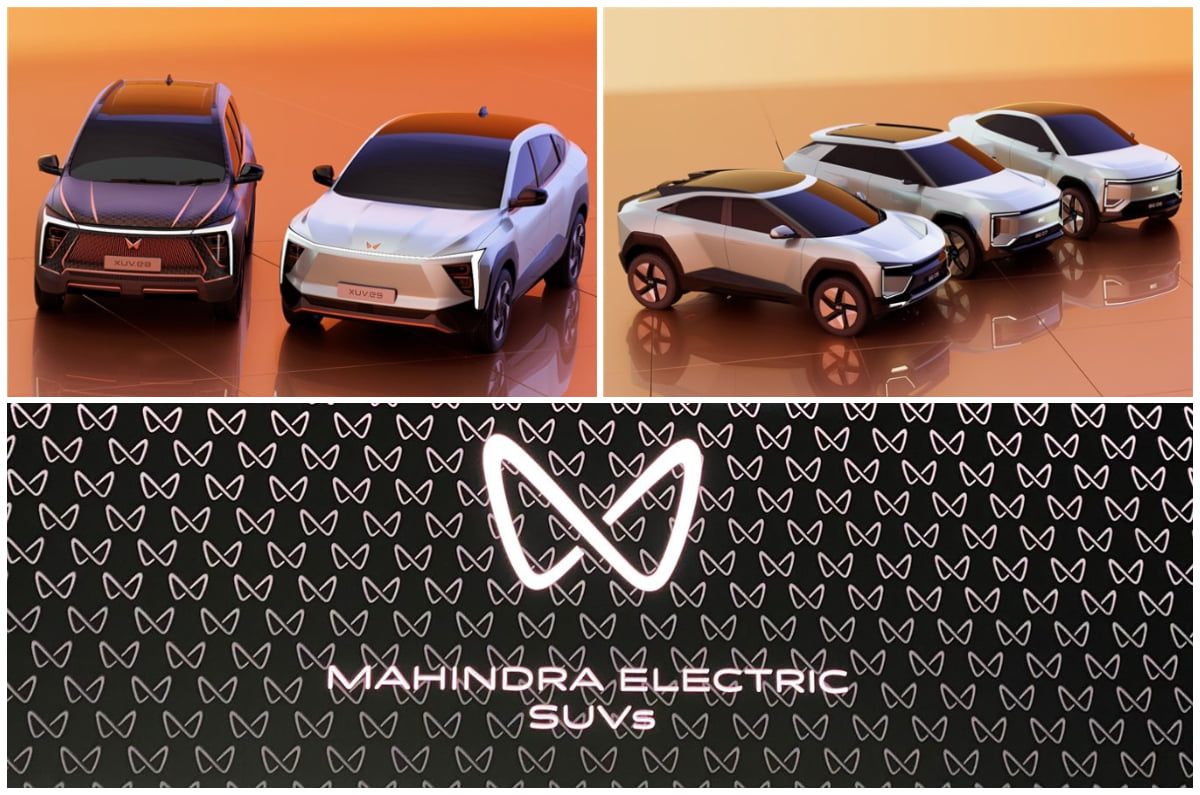
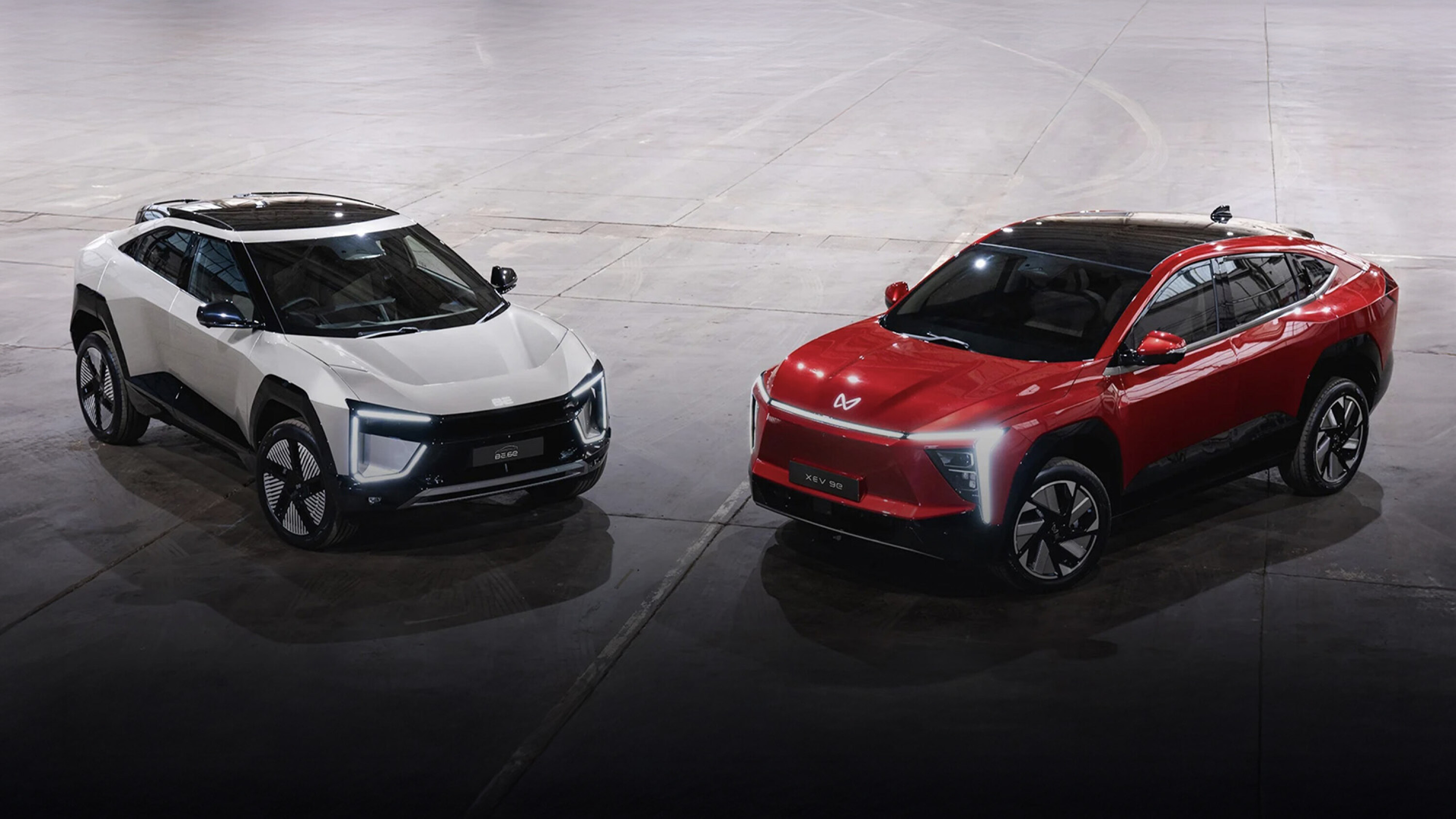
There is a peculiar kind of problem that most automakers would quietly envy. Mahindra Electric has spent the better part of two years proving that Indian buyers will pay premium money for a homegrown electric SUV, and the market has responded with a velocity that has caught even the company’s own planners off guard. The Electric Origin portfolio — the BE 6, the XEV 9e, and the XEV 9S — has now crossed the one lakh sales milestone in just eighteen months, a figure that places Mahindra in rarefied company and, more consequentially, places its manufacturing footprint under genuine strain. The company’s own managing director has acknowledged the uncomfortable arithmetic: output has hit the capacity ceiling, and demand continues to outrun supply.
The numbers tell the story more plainly than any press release. From the 50,000-unit mark reached within the first year to the 41,000-plus BE 6, XEV 9S and XEV 9e units recorded in cumulative dispatches, the trajectory is not a gentle curve but a near-vertical climb. For a legacy Indian manufacturer that built its reputation on diesel SUVs and tractors, this is a remarkable transformation — and a logistical one that no amount of brand goodwill can paper over. A waiting list is flattering for eighteen weeks; beyond that, it becomes a liability, particularly when rivals are lining up with credible alternatives.
The Premium Buyer’s Verdict
What makes the capacity constraint so acute is the nature of the demand itself. These are not entry-level commuter EVs competing on price alone. The RushLane analysis of why Mahindra’s Electric Origin SUVs are winning over premium buyers points to a customer who is cross-shopping seriously — someone who could comfortably buy a Tata Harrier EV or a Hyundai Creta EV, and who is instead choosing to wait for a Mahindra. The carandbike comparison between the BE 6 Sporteq, the Harrier EV, and the Creta EV frames precisely the competitive theatre in which Mahindra must now deliver. Every month of delay is an invitation for a deposit to migrate.
Visibility Cuts Both Ways
There is also a visibility dimension that amplifies the pressure. The XEV 9e and 9S have acquired a curious cultural cachet, with ministers and public figures adopting them as official transport — a phenomenon NDTV documented with some interest. Political dominance of that sort is excellent marketing and terrible for queue management. It signals to the broader market that the product has arrived, which drives further footfall into showrooms that are already converting faster than the factory can replenish them. The Spiti Valley test mules spotted by HT Auto suggest the pipeline is not standing still, but future products do nothing for the customer waiting on today’s order book.
Export Ambition Meets a Domestic Ceiling
The capacity story extends beyond Indian borders, which sharpens the strategic dilemma. Mahindra’s electric SUV trio is under consideration for Australia, according to Carsales, while Auto Trader NZ reports the range edging closer to New Zealand. Reuters has framed the company’s broader EV push as an acceleration, and the Drive report on a new BYD-technology rival entering Australia underscores that export ambitions are being watched closely by established players. But an export strategy built on a domestic line already at its ceiling is a strategy that must either wait or find new capacity. You cannot ship what you cannot build.
The honest reading is that Mahindra Electric has won the harder battle — convincing the Indian premium buyer that an indigenous electric SUV is the desirable choice — and is now fighting the easier but more expensive one. Capacity is a capital problem, solvable with investment and time; brand desirability is not. The company’s leadership has been refreshingly candid about the ceiling, which suggests the constraint is understood rather than denied. What remains to be seen is how quickly the line can be stretched, because the market has made its verdict abundantly clear. Mahindra built an electric SUV worth waiting for. The task now is to make the wait short enough that customers still think so when their number comes up.