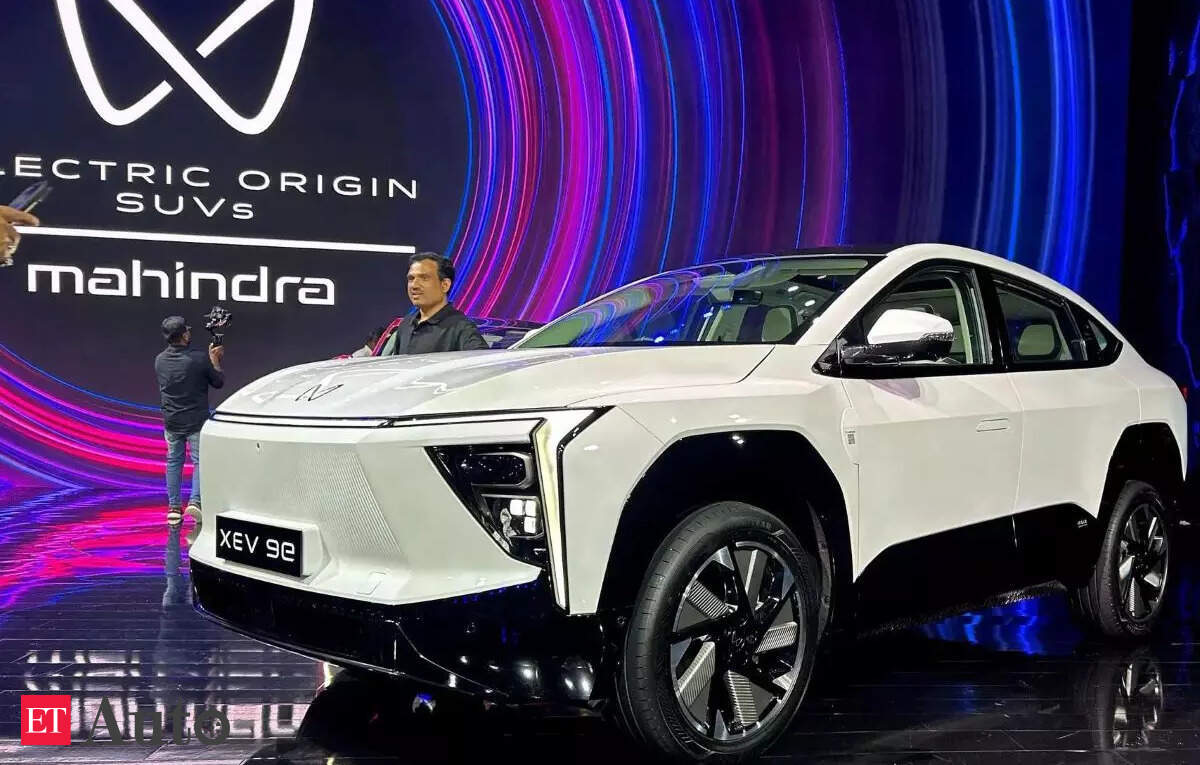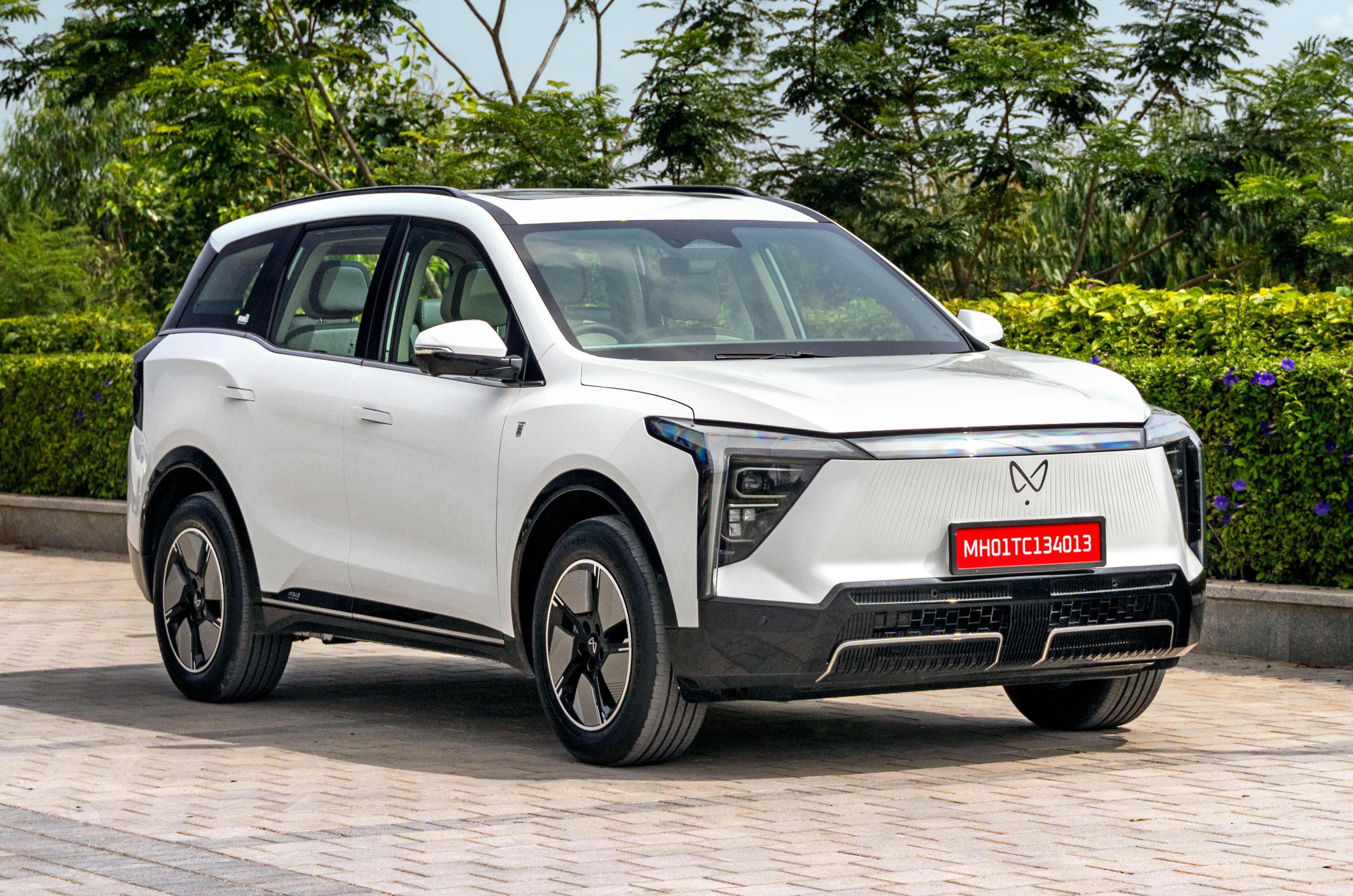
When Mahindra handed over 54 XEV 9e electric SUVs to the Bhutan government, the transaction was easy to file away as a modest diplomatic gesture — a few dozen vehicles crossing a friendly border. That reading misses the point entirely. The Bhutan handover is the opening move in an export strategy that looks nothing like the volume-chasing playbooks Indian automakers have traditionally followed, and it deserves to be studied as such.
Consider what Mahindra actually exported. The XEV 9e is not a stripped-down commuter EV built to hit a price point in emerging markets. It is a flagship-grade electric SUV, loaded with the company's INGLO platform architecture, advanced battery management, and the kind of software-forward cabin that signals premium intent. Sending 54 of them to a national government is not a fleet sale in the ordinary sense. It is a statement of product confidence — a bet that Mahindra's most sophisticated electric vehicle can serve as official state transport in a country that measures its carbon commitments seriously.
Why Bhutan Is the Smartest First Customer
That framing matters because Bhutan is not a random first customer. The kingdom has staked its international identity on environmental stewardship, pursuing carbon-negative status and hydro-powered electricity. A government fleet of Indian-built electric SUVs reinforces that narrative while quietly establishing Mahindra as the supplier of choice for a nation that could have looked to China, Japan, or Europe. In the geopolitics of South Asian electrification, that is a meaningful foothold — and a reference case no brochure could manufacture.
Leading With Flagships, Not Discounts
The deeper signal lies in how Mahindra is sequencing its export ambitions. Rather than chasing mass-market volume in price-sensitive markets, the company appears to be leading with flagship products and institutional buyers. Government fleets generate visibility, validate durability in demanding conditions, and create reference customers that private buyers notice. The XEV 9e's growing presence among Indian ministers — a phenomenon notable enough to draw mainstream media coverage — suggests Mahindra understands that political and official adoption is its own form of marketing. Bhutan extends that logic across a border.
This approach also hedges against the brutal price competition defining the global EV market. Mahindra cannot out-cheap Chinese manufacturers in Southeast Asia or Africa, and it should not try. What it can do is sell a distinct proposition: Indian engineering, premium positioning, and a platform strategy flexible enough to spawn multiple body styles. The company has already signalled that its electric SUV trio is under consideration for Australia, a market where regulatory standards are stringent and buyers are discerning. Passing muster there requires the same credibility that a government fleet deal helps build.
The Financial Machinery Underneath
There is financial logic underneath the strategy. Mahindra's quarterly results have beaten forecasts, with management projecting mid-to-high teens SUV growth and committing to capacity expansion. A healthy domestic base funds export experimentation without desperation. Meanwhile, the extension of Battery-as-a-Service to the XEV 9e and XEV 9S gives Mahindra a financing tool that lowers upfront cost — a lever that travels well into markets where EV adoption stalls on sticker price rather than infrastructure.
None of this guarantees success. Export markets punish companies that treat foreign sales as an afterthought, and Mahindra will need genuine local service networks, parts availability, and regulatory fluency to convert symbolic wins into recurring revenue. The Bhutan deal is a proof of concept, not a proof of scale.
But that is precisely why it matters. Mahindra is testing a thesis: that an Indian automaker can export premium electric vehicles to institutional buyers first, build credibility through visibility, and expand from a position of aspiration rather than discount. If the playbook holds, the 54 SUVs in Thimphu will be remembered less as a delivery and more as a template. Mahindra has spent years insisting it is creating new categories at home. With Bhutan, it may have created one abroad.