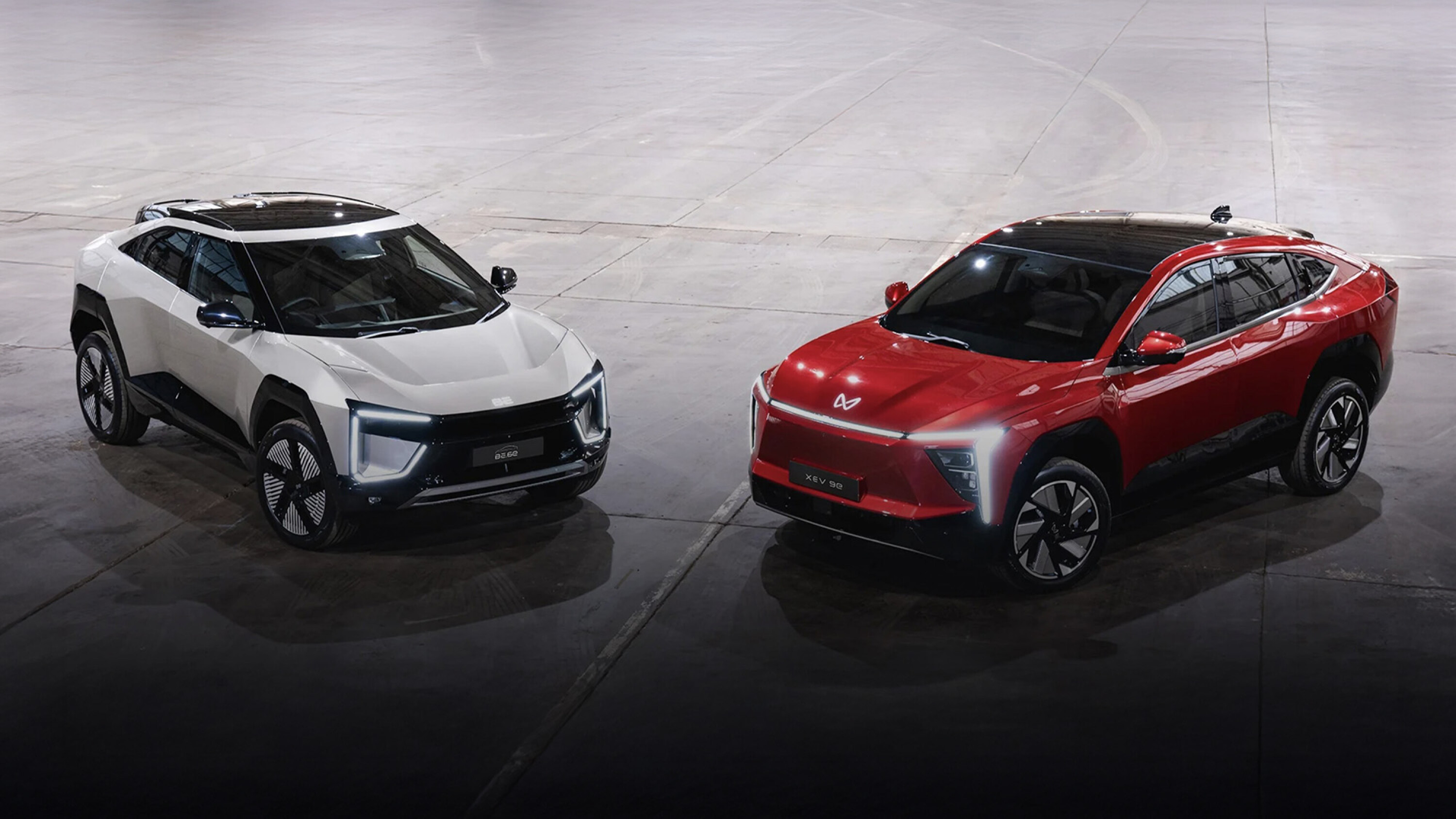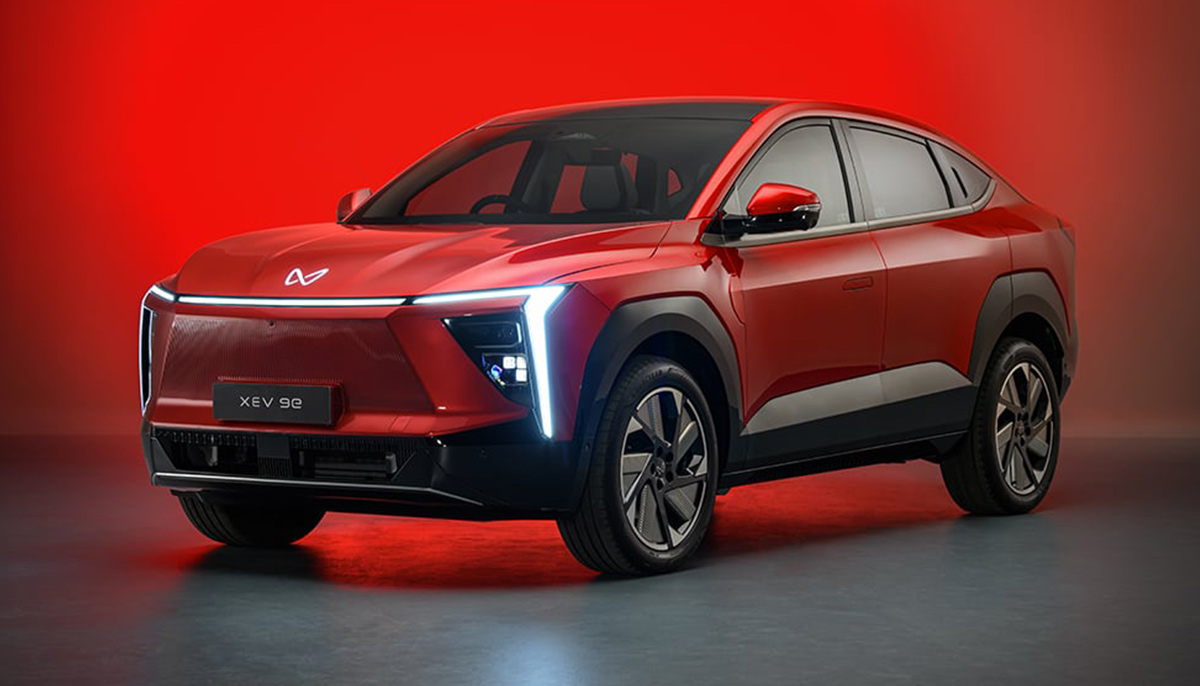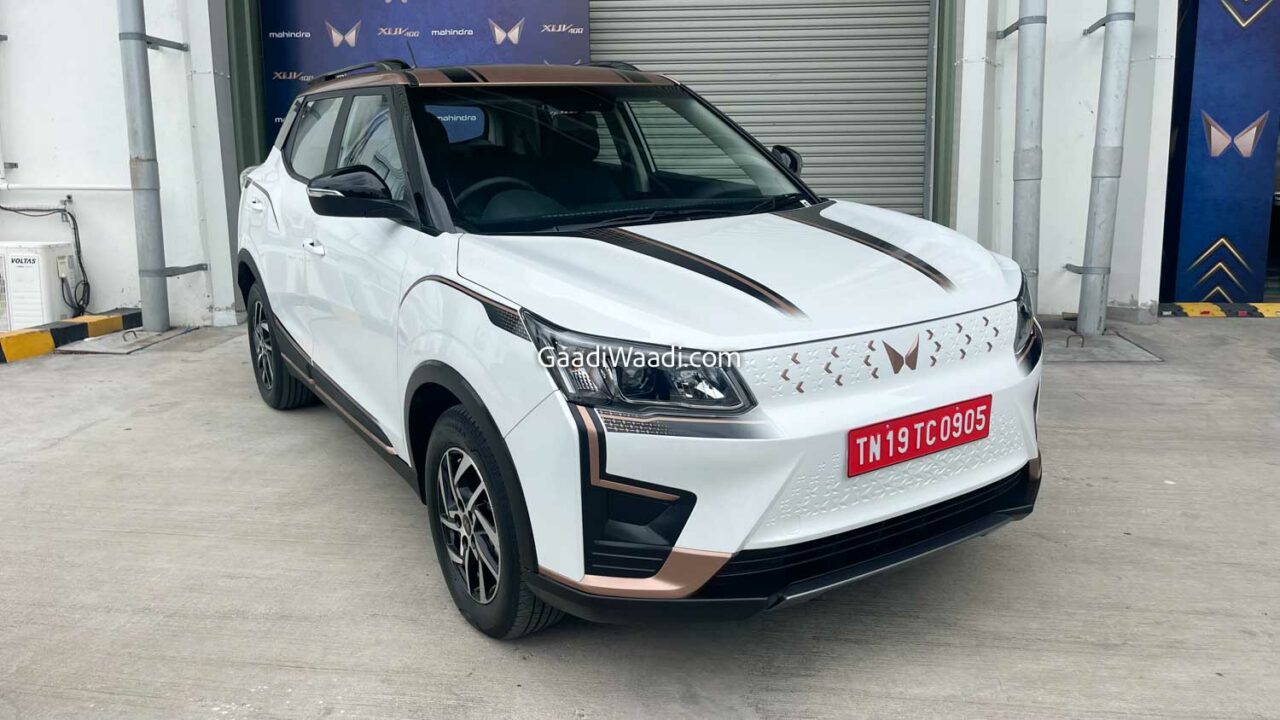
There was a time when the arrival of a senior minister was announced by a particular silhouette — a white diesel SUV, blacked-out windows, a beacon on the roof, and the unmistakable clatter of a large engine working through the gears. That grammar of power is changing. Across India, the official vehicle of choice is increasingly a Mahindra XEV 9e or its seven-seat sibling, the XEV 9S — and the shift says less about fashion than it does about how public life is now conducted.
Watch the convoy pull away and the message is already written. A legacy diesel SUV signals a certain kind of authority — heavy, thirsty, faintly colonial. An electric SUV signals something else entirely: forward motion, restraint, and an implicit claim to represent the India that is being built rather than the one being inherited. For a politician whose constituency is young, urban, and increasingly conscious of air quality, the vehicle parked outside the office is a statement before a single word is spoken.
The Back Seat Becomes an Office
Start with the practical, unglamorous arithmetic of governance. Ministers spend extraordinary portions of their lives in transit — between constituencies, secretariats, and airports, often in convoys that idle for long stretches. An electric powertrain is silent and vibration-free at standstill, which transforms the back seat into a usable working space. No diesel rumble leaking through the floorpan, no exhaust fumes curling into the cabin during a traffic halt. For anyone taking calls, dictating notes, or simply trying to arrive composed, the difference is not marginal.
Momentum Is Its Own Argument
Mahindra's recent momentum gives the choice additional weight. The company has beaten quarterly forecasts and expects mid-to-high teens SUV growth, while its electric brand has crossed 80,000 sales, with the XEV 9S becoming the best-selling EV in Q1 FY27. When a manufacturer sells over 600 Electric Origin SUVs in a single day, it stops being an experiment and becomes infrastructure. Ministers are, by instinct, sensitive to momentum; they prefer to be seen riding the wave rather than resisting it.
Removing the Last Objections
The Battery-as-a-Service scheme, now extended to the XEV 9S and XEV 9e, quietly removes the last objection. By decoupling the battery from the purchase price, Mahindra neutralises the argument that electric vehicles are a luxury for the wealthy — an argument that is politically lethal for anyone in public office. A minister who can point to a lower entry cost, a monthly subscription, and negligible running expenses has a defensible answer when questioned about the public purse.
Range anxiety, long the favourite talking point of EV sceptics, has also lost its bite. Real owners now report their lived experience of range, charging, and service without the breathless caveats of early adopters, and Mahindra's engineers continue validating their platforms in punishing terrain, with test mules spotted in the Spiti Valley. A vehicle that can be trusted in the mountains can be trusted on the road to the district headquarters.
There is a quieter reason too. India's diplomatic and political calendar increasingly revolves around climate commitments, and the optics of arriving at an environmental summit in a large diesel SUV have grown awkward. The BE 6, the XEV 9e, and the XEV 9S allow a minister to align private conduct with public rhetoric — a rare and valuable commodity in politics.
Desirable, Not Merely Virtuous
None of this would matter if the vehicles were mediocre. But Mahindra's strategy of creating new categories, articulated by R Velusamy, has produced machines that are genuinely desirable rather than merely virtuous, and the brand's growing international interest — including Australian consideration of its electric SUV trio — reinforces the sense of a manufacturer operating at the front of the field.
The legacy SUV is not disappearing. It is simply being reassigned: to ceremonial duties, to the provinces, to nostalgia. The minister's driveway now belongs to Mahindra, and the silence is the point. That, in the end, is the philosophy at work — a brand betting that authority no longer needs to announce itself with a roar, and that the future of Indian motoring will be judged not by the noise it makes but by the ground it quietly covers.