When Mahindra Electric first floated the idea of selling an EV without its battery, it felt like a niche financial experiment—a clever nudge for fleet operators and first-time buyers wrestling with the psychological terror of a six-figure battery bill. But with the recent expansion of its Battery-as-a-Service (BaaS) scheme across the entire electric SUV lineup—including the XEV 9S, XEV 9e, and the newly launched BE 6 SPORTEQ—the strategy has crystallised into something far more consequential. This is no longer a footnote in the sales brochure; it is a fundamental re-architecture of how Indian consumers will calculate the true cost of electric mobility.
The headline numbers are undeniably seductive—an electric SUV for an effective price of ₹11.45 lakh. But the finer arithmetic of what you pay monthly, and for how long, deserves a much harder look. Because the genius of Mahindra's approach is that it transforms the electric vehicle from a capital-intensive asset into a recurring operational expense—and that shift carries consequences most buyers haven't fully processed.
The Lease on Electric Life
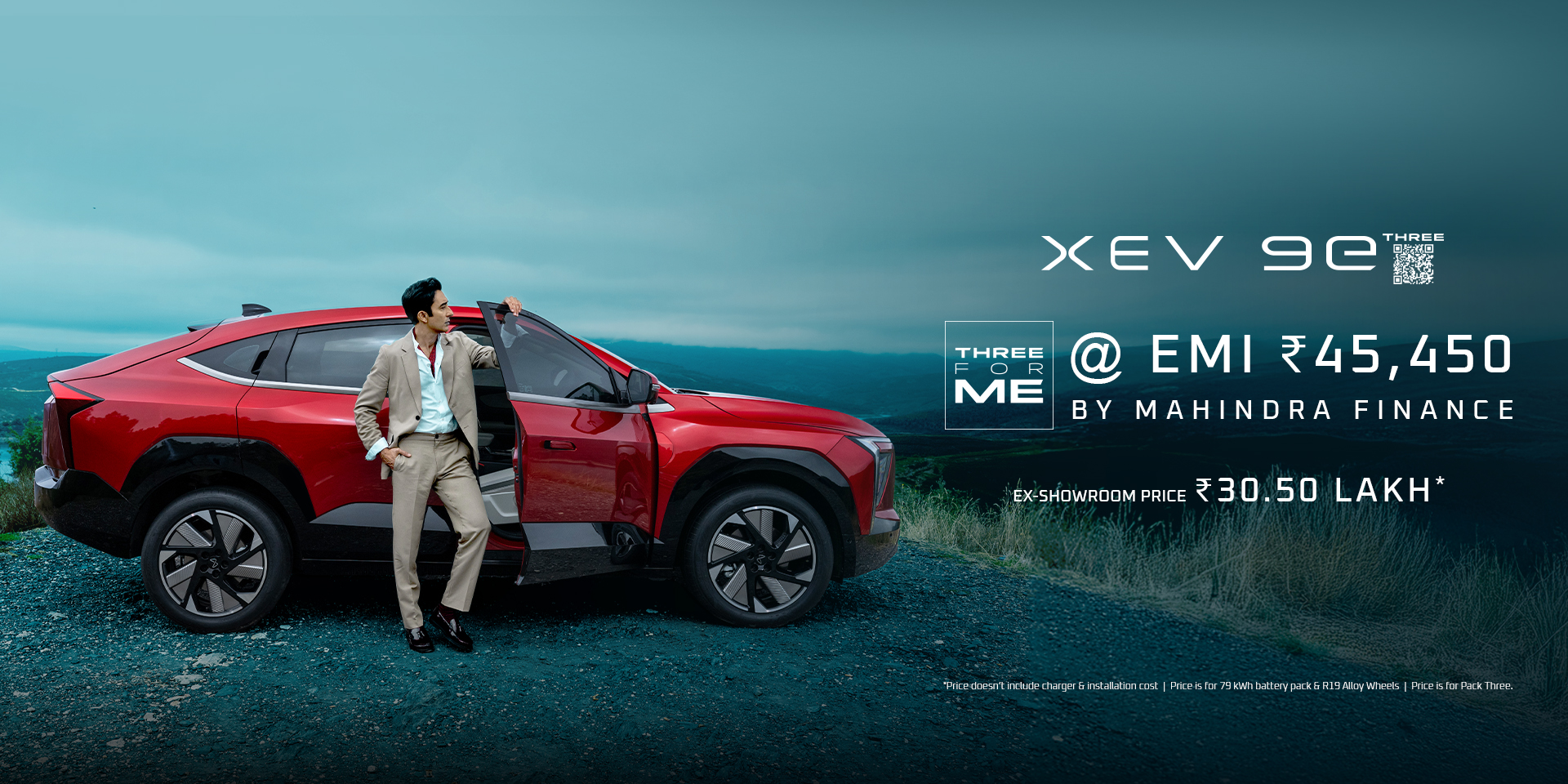
By stripping the battery—the single most expensive component—from the upfront sticker price, Mahindra has effectively lowered the entry barrier to a segment that was previously the preserve of the affluent early adopter. The XEV 9S, for instance, now starts at a jaw-dropping ₹12.65 lakh with BaaS, a price point that undercuts many internal combustion SUVs of a smaller size. On paper, this is a masterstroke of market penetration.
But the devil, as always, lives in the details of the lease structure. The monthly rental fee is not a token gesture; it is a recurring charge that, depending on your driving habits, could either be a bargain or a silent financial drain. A typical battery pack in a modern EV accounts for roughly 30 to 40 percent of the vehicle's total cost. By renting it, you are not just deferring that cost—you are outsourcing the risk of degradation, warranty headaches, and the terrifying prospect of a replacement bill after eight years. Mahindra is essentially offering an insurance policy against the unknown longevity of lithium-ion chemistry.
For the urban commuter who drives a predictable 40 kilometres a day, the monthly rental fee will likely be lower than the depreciation cost of owning the battery outright. But for the highway cruiser who racks up 1,500 kilometres a month, the rental curve steepens significantly. The economics of BaaS are brutally simple: you are paying a fixed fee for a variable asset, and the only way to win is to drive less than the actuarial average.
The Strategic Play Behind the Service
Mahindra's expansion of BaaS to its full SUV lineup is not merely a customer-friendly gesture; it is a calculated move to lock in a recurring revenue stream that Wall Street and Dalal Street increasingly love to value. The company's recent profit surge and its announcement to double last-mile mobility production capacity are not coincidental. By converting a one-time sale into a long-term service contract, Mahindra is smoothing out its revenue volatility, ensuring a steady cash flow that can fund the aggressive expansion of its Born Electric platform.
The move also cleverly addresses the used-car market's biggest fear: battery health. A Mahindra EV sold with a rented battery carries no residual battery risk for the second owner, making the asset far more liquid and desirable in the pre-owned market. It's a neat solution to a problem that has plagued EV resale values since the modern electric era began.
The Hidden Cost Nobody Mentions
Yet, the consumer must ask a pointed question: what happens when the rental period ends? The current terms are structured as long-term leases, but the end-state is ambiguous. If you return the battery, you are left with a car that is essentially scrap without a power source. If you buy it out at the end, the total cost of ownership might eclipse that of a conventionally purchased EV, especially when you factor in the cumulative rental payments. This is the hidden cost that many glossy brochures gloss over.
The BE 6 SPORTEQ, with its performance-oriented branding, is a particularly interesting case. A sporty EV invites spirited driving, which drains range, which increases the frequency of charge cycles, which—in a BaaS model—doesn't directly cost you more per charge, but does impact the long-term health of an asset you don't even own. There's a delicious irony in a performance car whose most vital component you'll never truly possess.
A Cultural Departure in Ownership
There is also the psychological shift in ownership. In a BaaS model, you are no longer the master of your vehicle's most vital organ. You are a tenant in a car, with the landlord holding the keys to your range. For the Indian consumer, who traditionally views a car as a generational asset to be passed down or sold for a handsome sum, this is a profound cultural departure.
Mahindra is betting that the allure of a lower entry price will outweigh the emotional need for total ownership. And given the current market traction—with the brand crossing 80,000 EV sales—that bet appears to be paying off. The strategy is not just about making EVs affordable; it is about redefining the very definition of affordability, shifting the conversation from "What does it cost to buy?" to "What does it cost to drive every month?"
It is a bold, almost heretical question in the Indian automotive psyche, and Mahindra is asking it with the confidence of a brand that knows the future of mobility is a subscription, not a possession. The real cost of an EV battery rental is not just the monthly fee—it is the surrender of permanence in exchange for accessibility. And for a brand that built its reputation on rugged, go-anywhere, keep-forever SUVs, that's a transformation as significant as the electric motors under the floor.