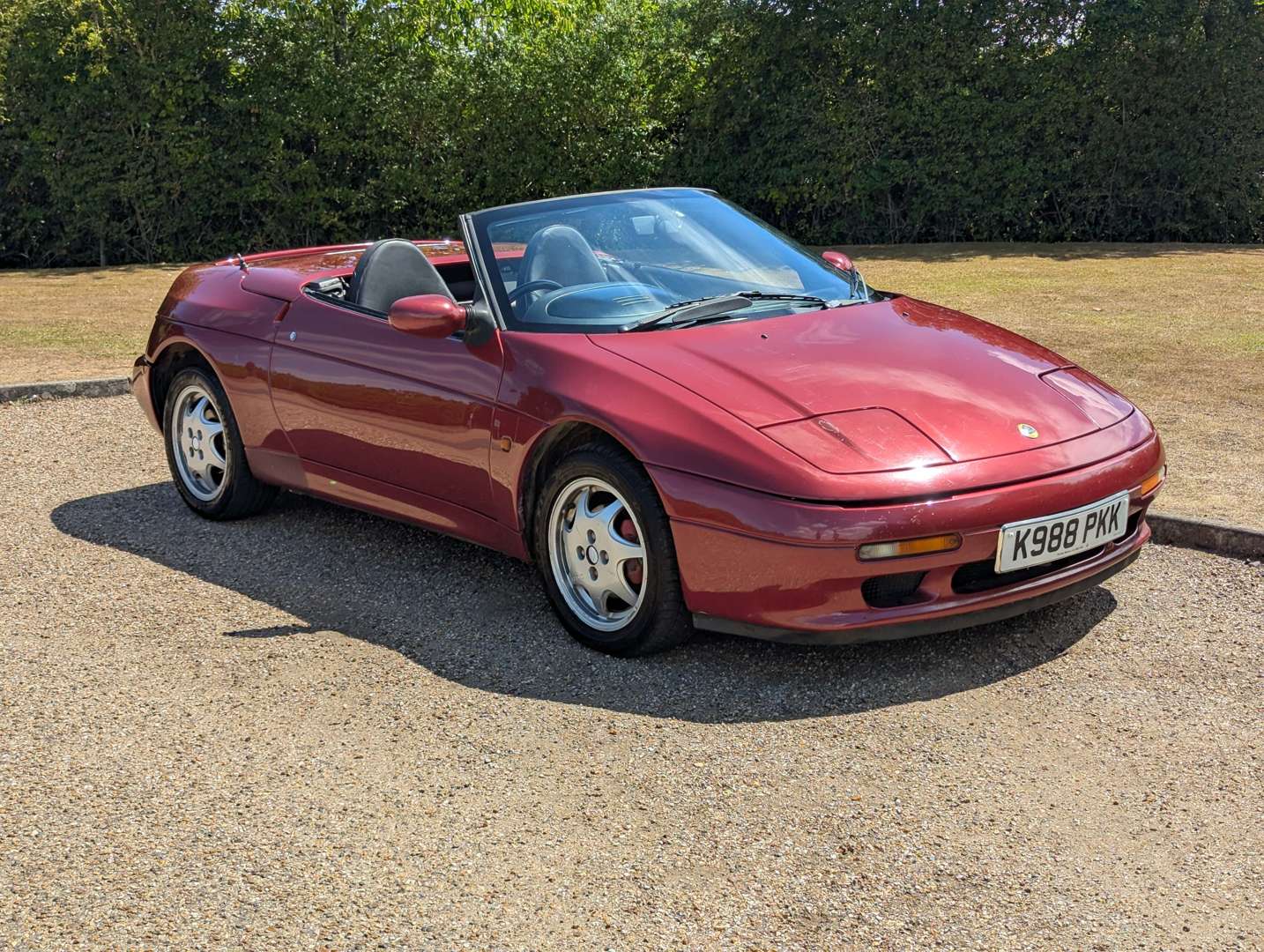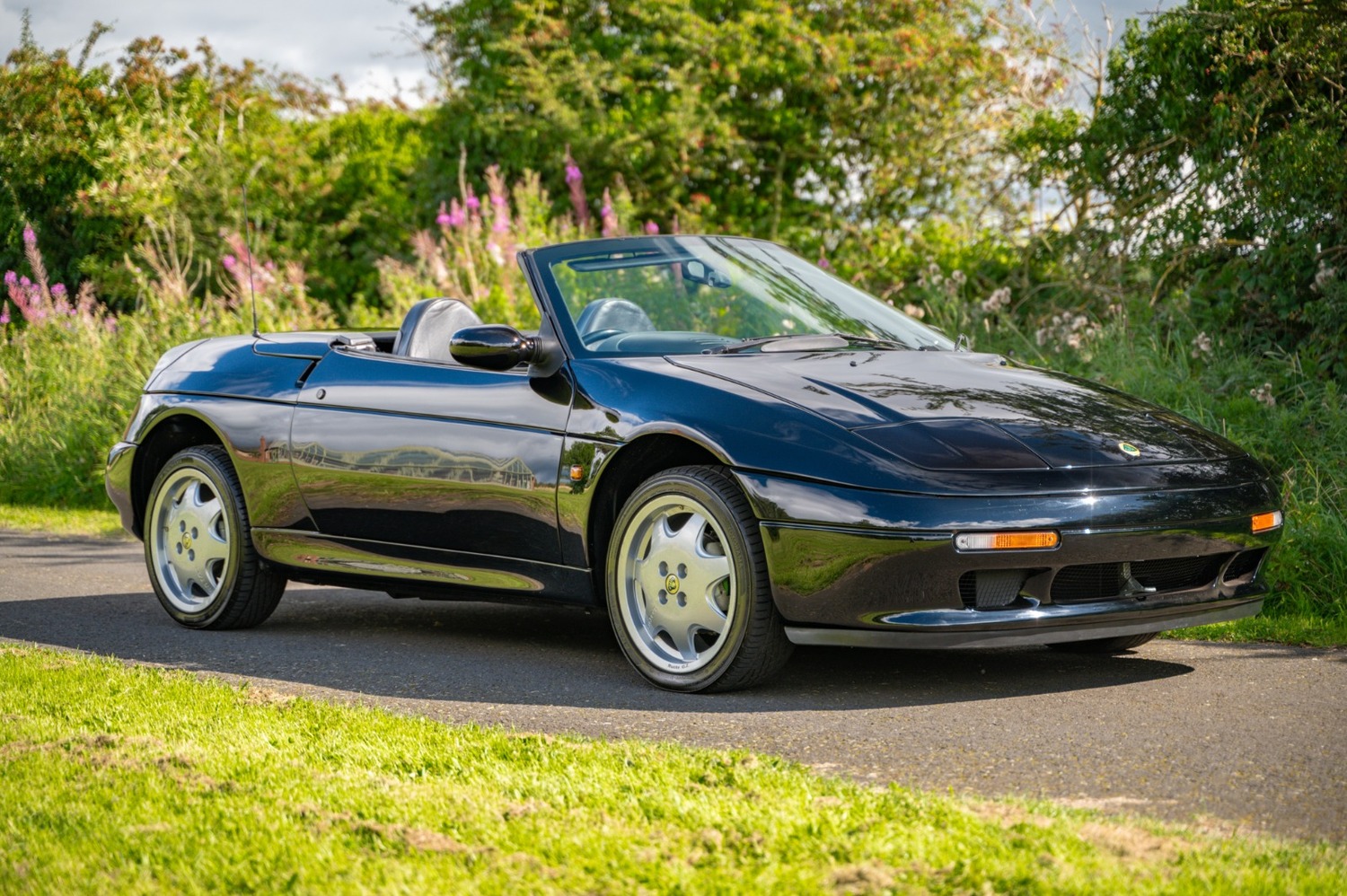
Some cars are born into controversy. The 1992 Lotus Elan arrived into a firestorm. Here was a marque that had spent four decades preaching the gospel of lightness, simplicity, and rear-wheel drive — and now it was asking its faithful to accept a front-drive roadster with a Japanese engine and a price tag that undercut nothing in particular. Purists didn't just raise eyebrows. They reached for torches. The question, more than three decades later, is whether that outrage was justified — or whether the Elan was simply a brilliant car born in the wrong boardroom.
To understand the betrayal, you have to understand the era. By the late 1980s, Lotus was no longer Colin Chapman's scrappy Norfolk workshop. It was a subsidiary of General Motors, and GM wanted a halo car that could sell in volume. The original Elan had been a featherweight roadster that rewrote the rules of sports car handling. A modern successor needed to be quicker, safer, more refined — and, crucially, cheaper to build. Front-wheel drive, already proven in the Isuzu-derived Lotus Elan M100's platform architecture, offered packaging advantages, better traction in the wet, and a lower floor. It was, on paper, the rational choice. Lotus had never been a company that cared much for rational choices.
The Engineering Was Never the Problem
What emerged was genuinely clever. The Elan M100 used a 1.6-litre turbocharged Isuzu engine tuned by Lotus to produce 162 bhp, mounted transversely and driving the front wheels through a five-speed manual. The chassis was a steel backbone with a fibreglass body — classic Lotus thinking — and the suspension was a masterclass in compliance. The car rode with a suppleness that embarrassed Porsche's 944, and its steering, unassisted and beautifully weighted, delivered feedback that modern electric racks can only dream about.
Contemporary road testers, including those at Car and Driver, were forced to admit that the front-drive Elan didn't just work — it rewrote what front-drive could feel like. The torque steer was managed, the grip was enormous, and the whole package felt lighter and more alive than its rivals. This was not a cynical parts-bin special. It was a Lotus in the truest sense: light, nimble, and alive in your hands.
The Badge Was the Betrayal
The problem was never the engineering. The problem was the badge. Lotus had spent forty years telling the world that rear-wheel drive was the only honest way to build a sports car. Now it was asking that same world to accept a front-drive roadster with a Japanese engine and a price tag approaching £20,000 — comfortably more than a Porsche 944 or a Mazda MX-5. The MX-5, launched a year earlier, was everything the Elan wasn't: cheap, rear-drive, and dripping with retro charm. It sold in vast numbers while the Elan languished.
By the time production ended in 1995, fewer than 4,000 had been built. The car that was supposed to save Lotus instead became a cautionary tale — a masterclass in how brand dogma can strangle a genuinely excellent machine before it ever finds its audience.
A Cult Hero in Hindsight
And yet the passage of time has been kinder to the M100 than its contemporaries were. Drive one today and the front-drive layout feels less like a compromise and more like a curiosity — a glimpse of what Lotus might have become had it been allowed to evolve in a different direction. The car is fast enough, rare enough, and distinctive enough to have earned a quiet cult following.
The betrayal, it turns out, wasn't the front-wheel drive. The betrayal was the badge hierarchy that made enthusiasts dismiss the car before they ever drove it. Lotus built a front-drive sports car that was better than most of its rear-drive rivals. The tragedy is that almost nobody gave it the chance to prove it.
Colin Chapman's philosophy was never really about which wheels drove the car. It was about purity of purpose — about stripping away weight, complexity, and pretence until only the essential remained. Judged by that standard, the Elan M100 deserves a place in the pantheon. It was light. It was simple. It was honest. It just happened to drive the wrong wheels. And for that, it was never forgiven.