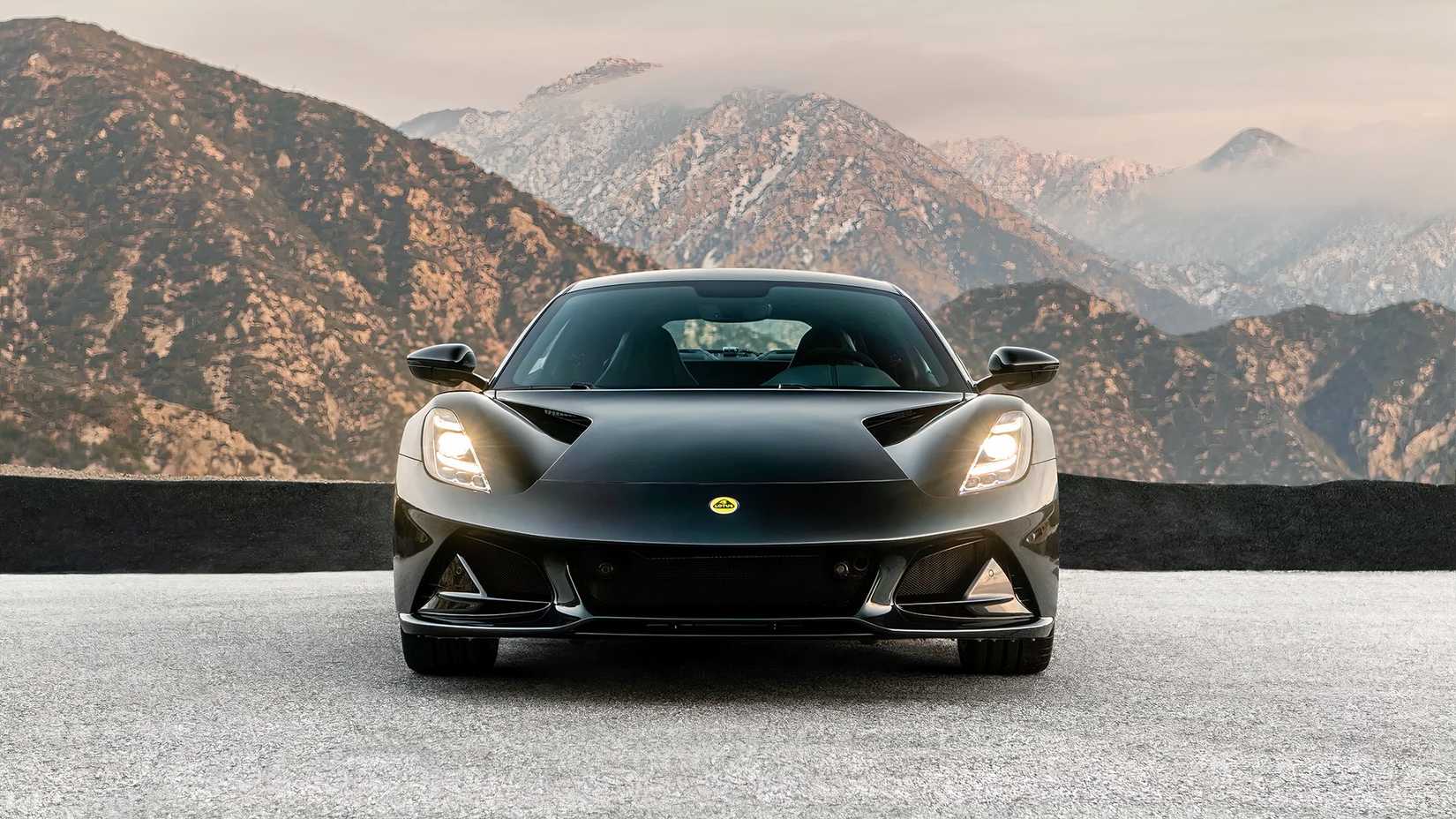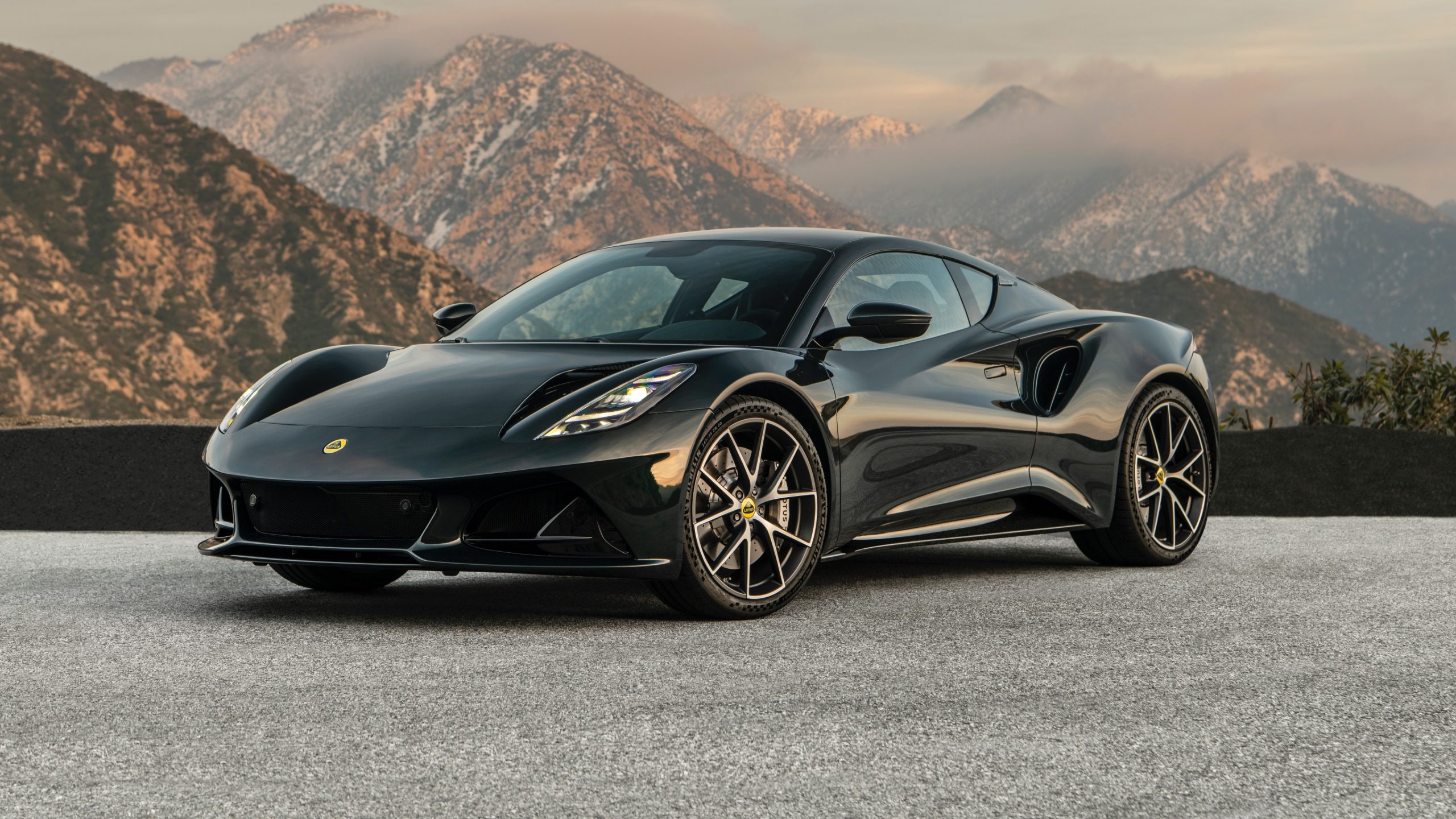
There is a particular sound a sports car makes when it knows it is among the final of its kind. Not quite a swan song — too defiant for that — but a resonance that feels archival, as though every downshift is being committed to memory by everyone within earshot. The Lotus Emira makes precisely that sound. It is the last petrol-powered sports car Lotus will ever build, and in an industry sprinting headlong toward electrification, that distinction has transformed what might have been a mere mid-engine contender into something closer to a cultural artifact.
The irony is not lost on anyone who has followed Lotus through its turbulent history. Colin Chapman built the company's legend on lightweight purity and the philosophy that adding power makes you faster on the straights, while adding lightness makes you faster everywhere. The Emira honours that creed — and does so at a moment when the rest of the performance world seems to be racing in the opposite direction.
The Chapman Creed, Distilled
The Emira carries the faith forward with a bonded aluminium chassis tipping the scales at a commendably modest figure, hydraulic steering that still speaks in a language your palms can translate, and a choice of powertrains that includes the supercharged 3.5-litre V6 sourced from Toyota. That engine's lineage traces back to the Evora — which, rather fittingly, has just been immortalised in Gran Turismo 7 as Polyphony Digital revealed new engine-sound modelling technology. There is something poetic about a discontinued Lotus reappearing in digital form just as its spiritual successor prepares to face the same fate in the real world. One gets preserved in pixels; the other, for now, persists in petrol.
Duality as a Design Principle
What makes the Emira so compelling is not nostalgia alone. Reviews of the 2025 model consistently praise its duality: supple enough to serve as daily transport, sharp enough to embarrass machinery costing twice as much on a circuit. Lotus has always excelled at this balancing act, and the Emira represents the mature distillation of decades spent perfecting it.
The cabin, finally, feels worthy of the price tag — a departure from the spartan interiors that once defined the marque. Yet the essential character remains: a car that flatters without anaesthetising, that rewards precision over brute force. It is a machine that trusts its driver, and in an age of increasingly mediated performance, that trust feels radical.
The Gap Between Two Worlds
The broader context lends the Emira its poignancy. Lotus has pivoted aggressively toward electrification with the Eletre SUV and Emeya grand tourer — vehicles that share the badge but not the soul. ZF now supplies the Eletre with advanced driveline technology, and the company has publicly committed to a US sales expansion as part of its turnaround strategy, ambitions that depend on volume, not devotion. The Emira exists in the narrowing gap between those two worlds, a final flourish of combustion engineering from a brand that once sold purity as its primary product.
A Celebration, Not a Lament
It would be easy to frame the Emira as a lament, but that would misread its purpose. This is not a car built to mourn the past; it is a car built to celebrate what internal combustion at its most refined can still achieve. Every Emira that leaves Hethel carries with it the accumulated wisdom of Esprit, Elise, and Exige — machines that prioritised feel over figures and character over compliance. When the electric flood arrives in full, as it inevitably will, the Emira will stand as the definitive answer to what Lotus was before it became something else entirely.
For enthusiasts, the message is unambiguous. If you have ever wanted to understand why Lotus matters — why a small Norfolk manufacturer has commanded outsized respect for seven decades — the Emira is your final opportunity to learn the lesson in person. The petrol era at Lotus is ending. It is going out not with a whimper, but with a supercharger's whine and a chassis that still believes driving should be a conversation rather than a command.