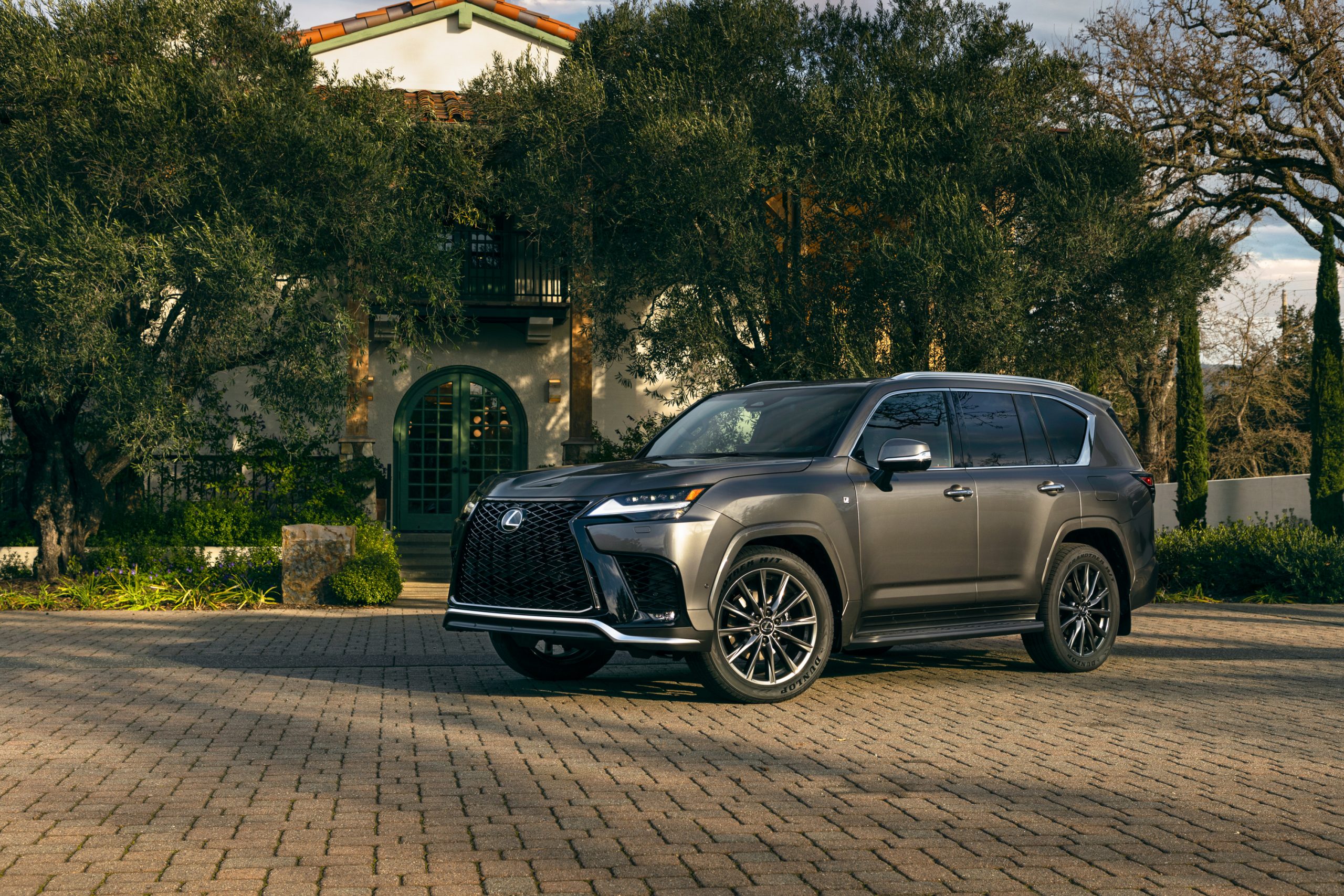
There's a particular kind of silence that fills a Lexus showroom, the hush of machinery engineered to outlast the people who buy it. That silence is being interrupted right now, not by a competitor's V8 or a new hybrid system, but by a recall campaign reaching into the heart of two of the brand's most important trucks: the Lexus LX and the Lexus GX. This isn't a software patch or a trim rattle. In some cases, it's a full engine replacement.
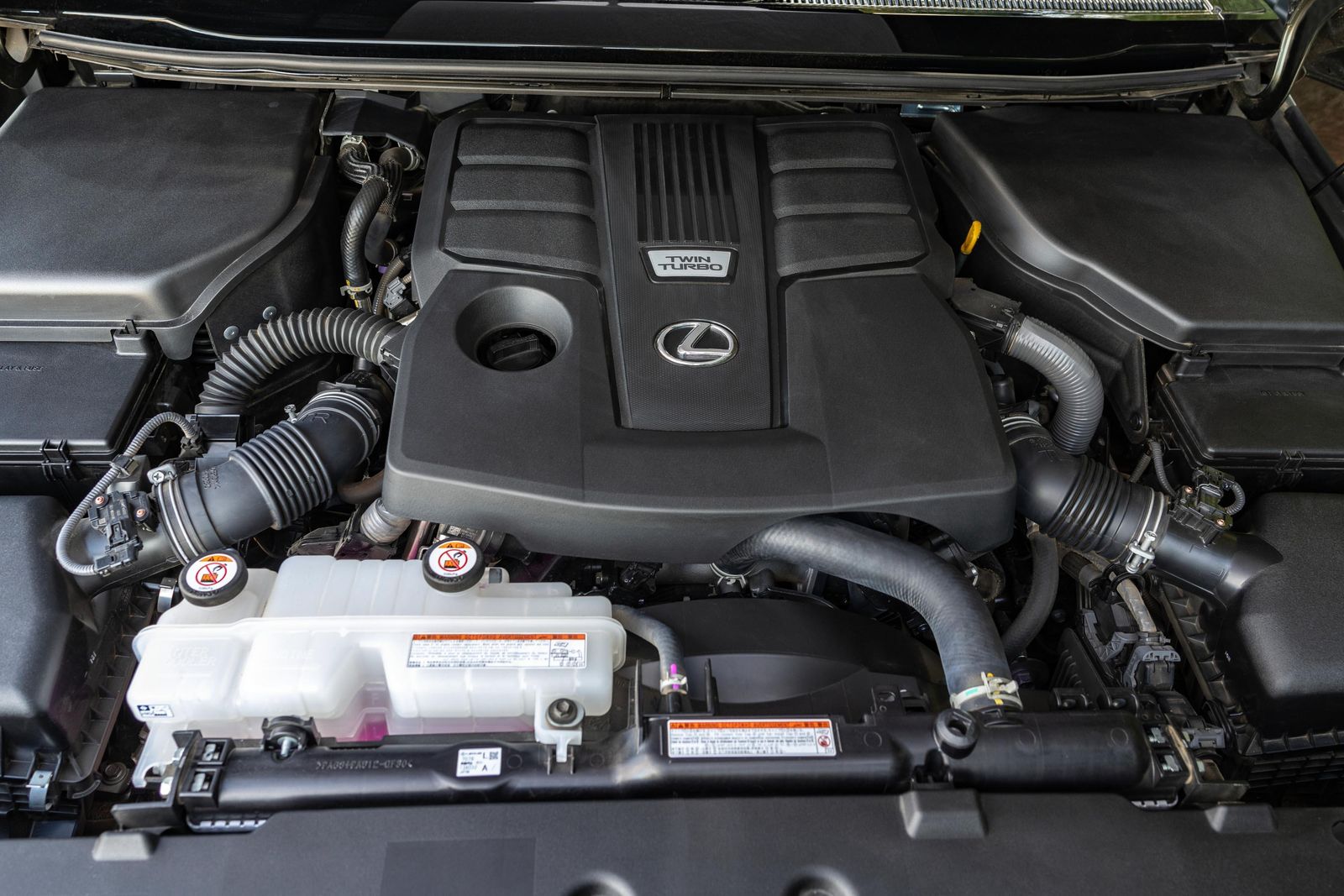
The defect lives inside the twin-turbocharged V6 shared by the LX 600 and the GX 550 — an engine whose core architecture also underpins the Toyota Tundra and Land Cruiser. Machining debris left behind during manufacturing can work its way into the oiling system, starving critical bearings of lubrication and, at the extreme end, triggering a catastrophic bottom-end failure. The warning signs are blunt: a sudden loss of power, a heavy knock from the block, or a dashboard message ordering you to stop immediately. Lexus has acknowledged that in severe cases the engine cannot be saved — which is why the remedy goes well beyond a simple repair.
What the Fix Actually Involves
For a meaningful number of vehicles, the answer is a complete engine replacement, carried out at no cost to the owner. Where inspection shows the damage hasn't progressed, dealers will replace the affected components and flush the system instead. That distinction matters more than it might appear — it determines how long your truck occupies a service bay and what paperwork follows it out the door. Lexus has said it will provide loaner vehicles and, in many markets, extend coverage on the new engine, a concession that signals how seriously the company is treating the reputational stakes.
What Owners Should Do Now
First, confirm whether your vehicle falls inside the production window by running the VIN through Lexus's official recall portal or the NHTSA database. Second, do not wait for a knock. If your GX 550 or LX 600 is covered, book the inspection immediately, even if the truck feels flawless — the earliest stages of bearing wear are often silent. Third, document everything: mileage at drop-off, the nature of the work performed, any symptoms you noticed beforehand. If the engine is replaced, ask whether the new unit carries its own warranty clock, and insist the answer is recorded on the repair order.
Awkward Timing, Familiar Response
The recall lands at an uncomfortable moment, arriving alongside news that the 2027 Lexus LX is coming to the U.S. with upgrades and a sticker that has risen by as much as $3,625 on certain trims. A flagship SUV commanding that kind of money is expected to be bulletproof, and the recall is a reminder that even the most obsessive manufacturing culture can stumble. Yet there's a counterargument worth holding onto: the willingness to replace engines outright — rather than quietly reflash software or tighten tolerances and hope — is precisely the behavior that built the Lexus legend in the first place. Recalls are embarrassing. Covering them properly is what separates a brand that manages a crisis from one defined by it.
The Practical Takeaway
For owners, the guidance is unglamorous but urgent. Treat the notice as a priority rather than an inconvenience, keep your service records immaculate, and recognize that a documented engine replacement — executed by an authorized dealer with genuine parts — is far less damaging to long-term value than an unexplained failure at highway speed.
The LX and GX remain formidable machines, and the recall, handled correctly, is a chapter rather than a verdict.