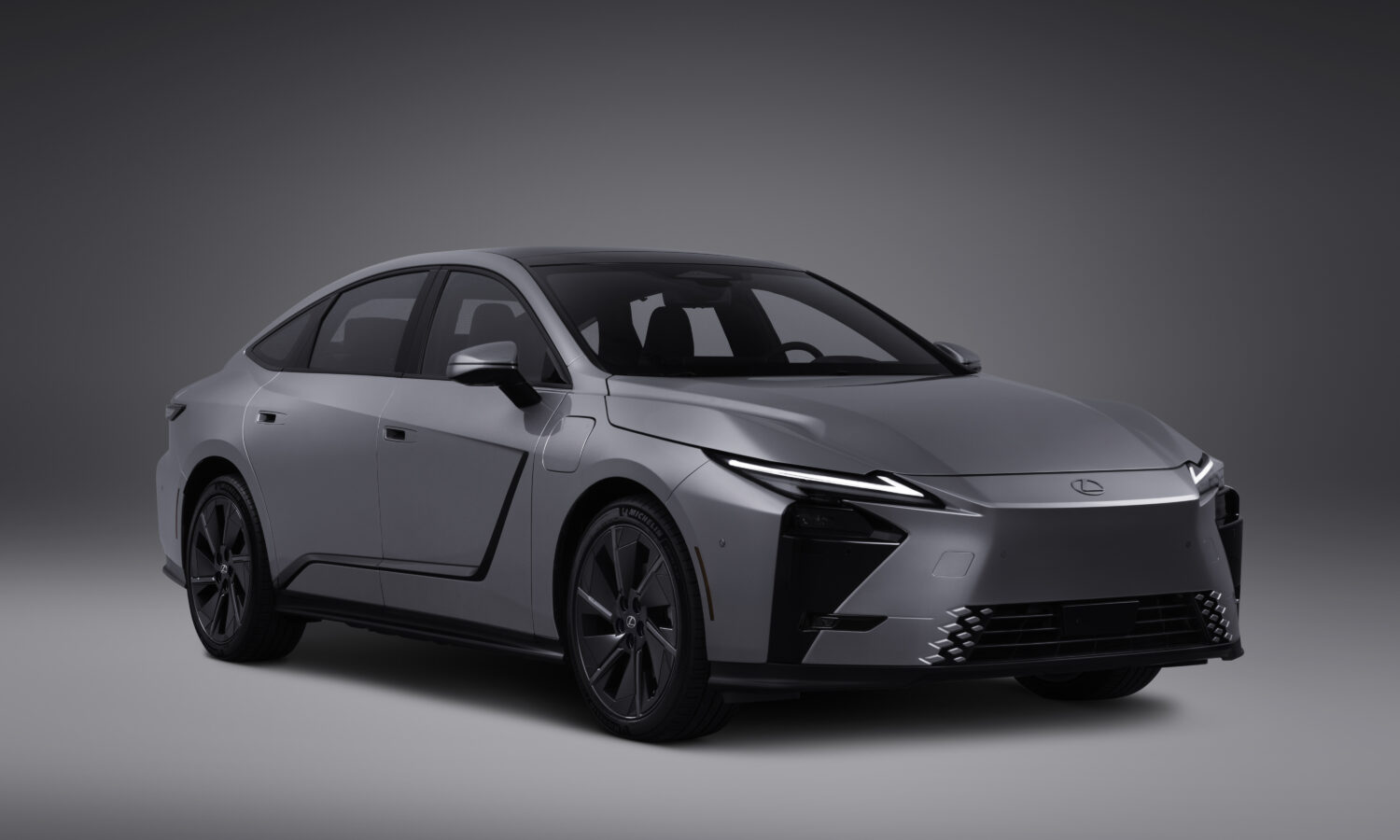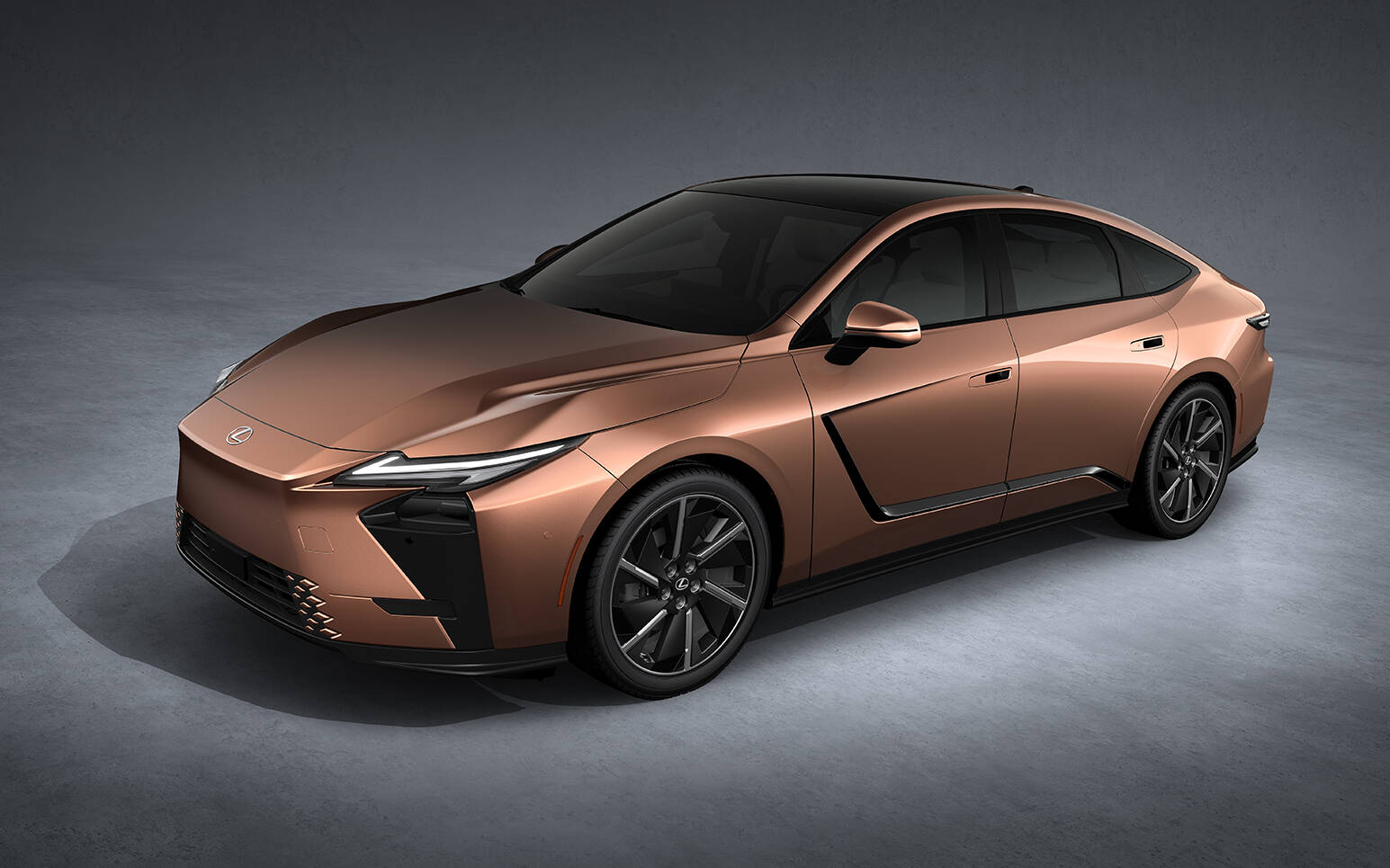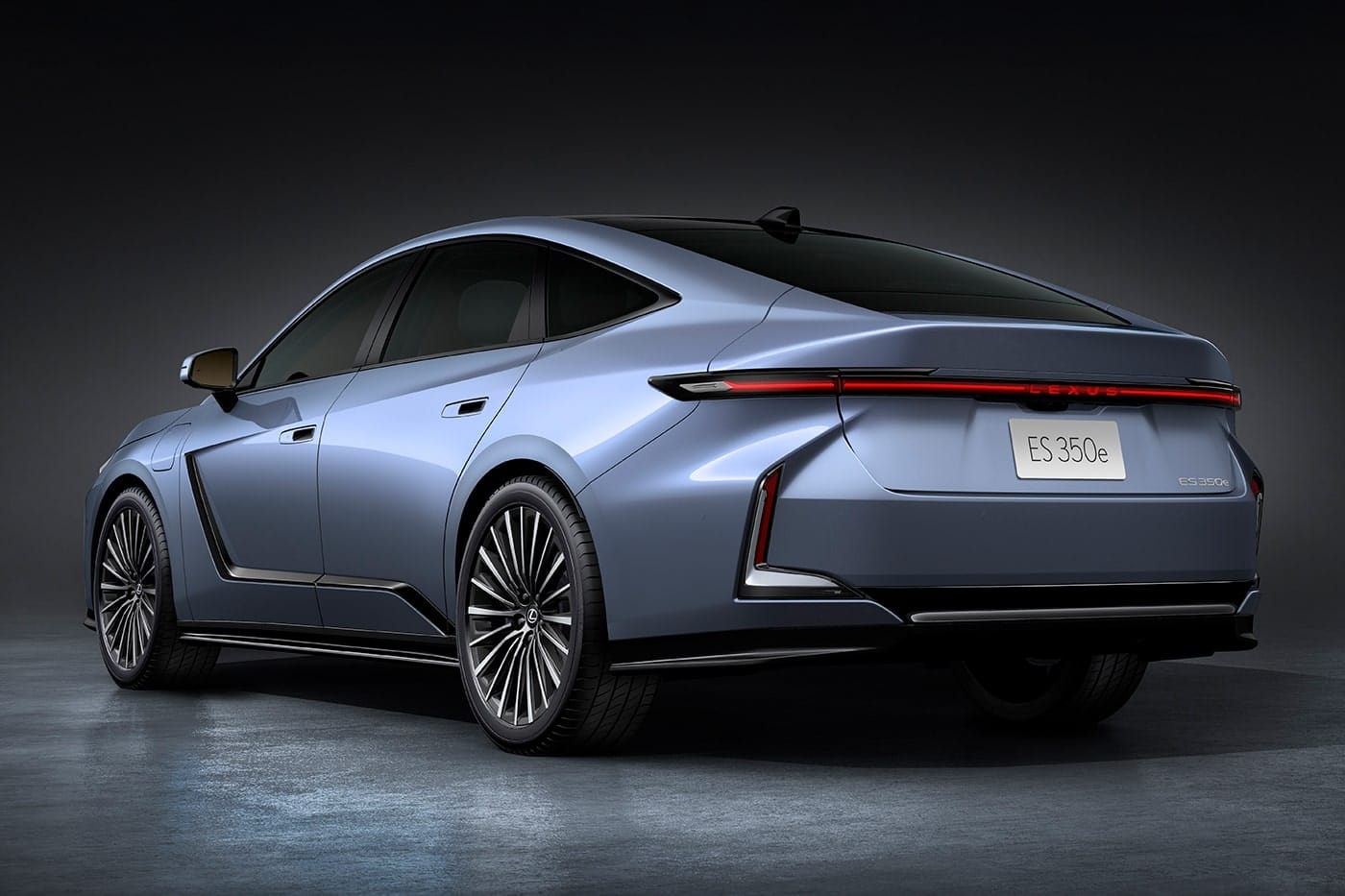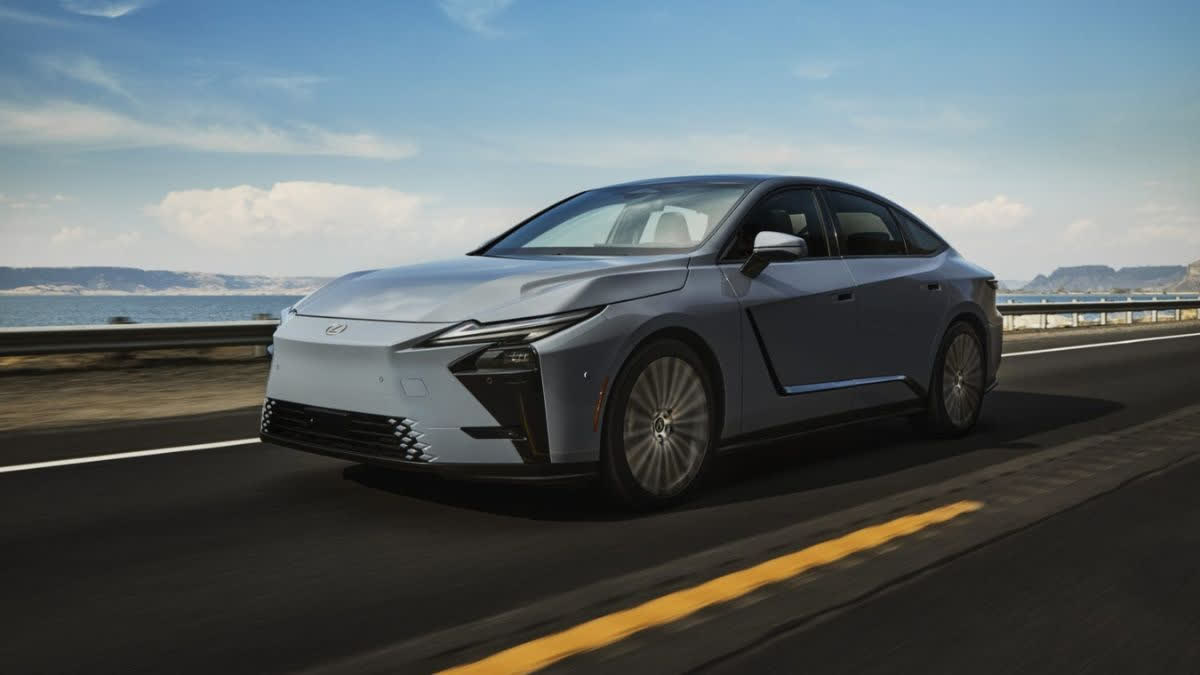
The electric luxury sedan market has developed a predictable script. Every new arrival must out-accelerate its predecessor, out-drag its rivals, and generally behave as though the laws of physics are a personal insult. Lexus, to its considerable credit, has torn up that script with the ES500e — a car that does not chase Tesla's Plaid theatrics, does not posture against AMG's tire-shredding SUVs, and does not pretend that a mid-size executive four-door needs a sub-three-second sprint to justify its existence.
Instead, it does something genuinely radical: it undercuts its own hybrid sibling on price while delivering a quieter, smoother, and frankly more pleasant experience. As InsideEVs recently put it, the electric ES isn't just better than the hybrid — it's cheaper. That inversion is the whole story.
The Anti-Speed Thesis
There is a peculiar anxiety running through the modern luxury car market — a collective insistence that electrification must arrive wrapped in Ludicrous mode, that every new battery-electric flagship needs to out-accelerate the car it replaces or risk being branded a failure of ambition. Lexus has ignored this noise entirely.
Consider the broader context. Lexus is simultaneously rumored to be developing a more powerful three-row electric SUV aimed squarely at AMG territory, and digital artists are already imagining a 2028 RX Morizo RR with sporty attire. The brand clearly knows how to build fast. The IS 500 F Sport Performance, after all, remains one of the great naturally aspirated V-8 sleepers on sale.
But the ES500e represents the other half of the Lexus thesis — the half that built the marque's reputation in the first place: the relentless pursuit of refinement over raw numbers. Where rivals treat acceleration as the primary currency of electric prestige, Lexus has quietly bet that serenity, build quality, and value will win the long game.
Vault-Like Calm, Effortless Torque
The numbers bear this out. The ES500e delivers a driving experience defined by its insulation from the outside world — the kind of vault-like calm that made the original LS400 a legend. Its electric drivetrain offers instant, linear torque that feels effortless rather than violent, and the cabin remains one of the quietest in the segment. This is not a car that pins you to your seat; it is one that dissolves the distance between you and your destination.
What matters more, though, is the price positioning. By pricing the electric ES below the ES 350h hybrid, Lexus has flipped the conventional EV premium on its head. Buyers no longer need to rationalize a five-figure surcharge for the privilege of going electric. They simply choose the better car for less money — a proposition almost unheard of in this market.
Cannibalizing the Hybrid, Confidently
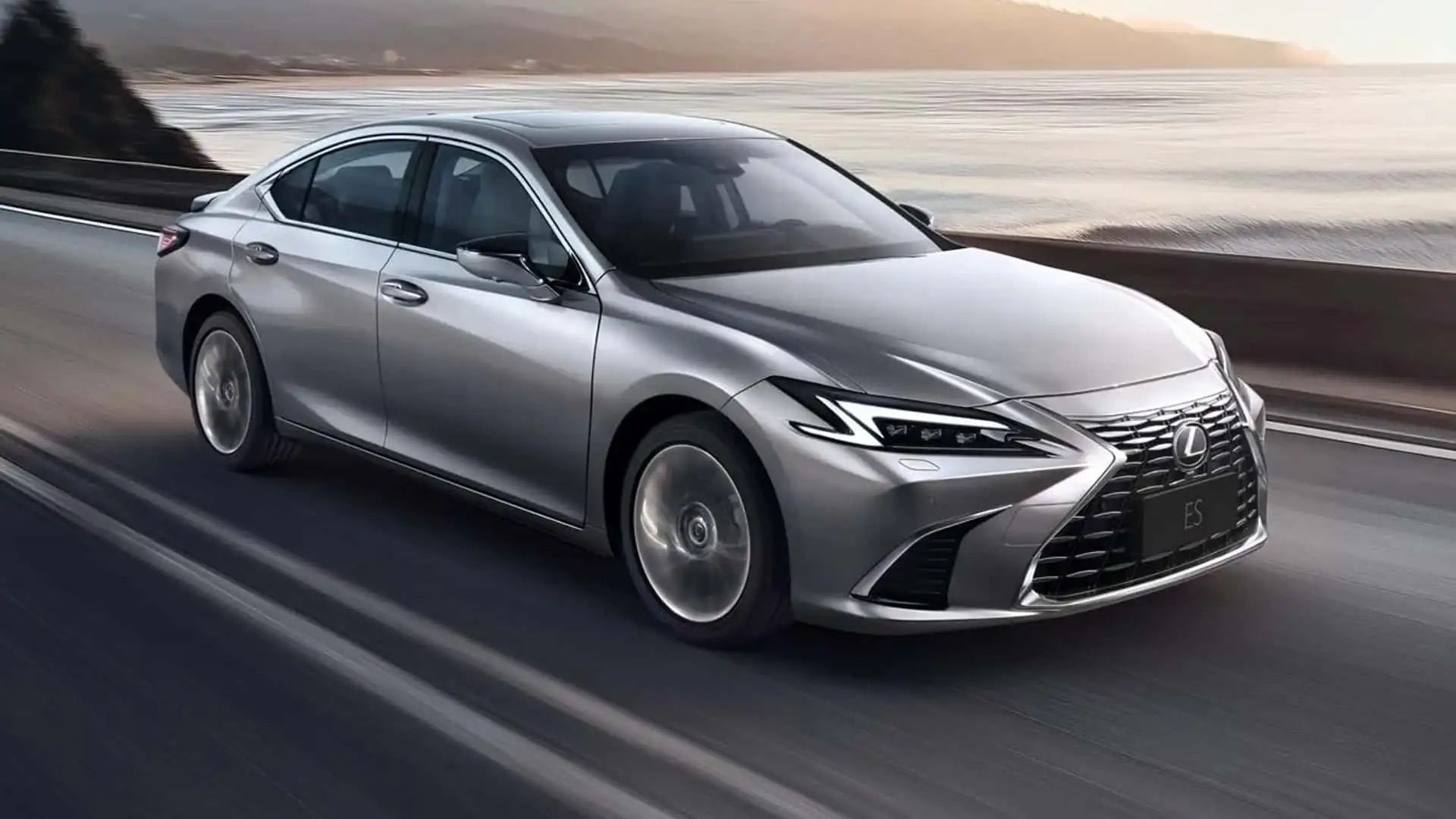
This strategy makes particular sense when you survey the competitive landscape. The 2027 Toyota Crown and Lexus ES 350h comparison pieces now circulating feel almost quaint, because the electric ES renders much of that debate moot. Why deliberate over hybrid tuning when the fully electric variant costs less and drives better?
Lexus has essentially cannibalized its own hybrid lineup, and it knows it. That takes a certain institutional confidence — the kind that comes from a company watching its GX enter 2027 with revised pricing while an aging IS soldiers on with yet another price increase. Lexus is pruning its portfolio intelligently, and the ES500e sits at the sharp end of that rationalization.
The Case for Restraint
There is something deeply satisfying about a luxury car that resists the industry's worst impulses. The ES500e is not slow in any objective sense — it is simply not built for speed, and that restraint is precisely why it works. It prioritizes the things luxury buyers actually live with every day: silence, comfort, range confidence, and a price tag that doesn't insult their intelligence.
While Lexus chases AMG with three-row SUVs and collaborates with AMBUSH on "The Future Classic Club" capsule collections, the ES500e quietly demonstrates that the future classic in the lineup may be the humble sedan that refused to overpromise. Sometimes the smartest move in a horsepower arms race is to decline the invitation entirely — and undercut the competition while doing it.