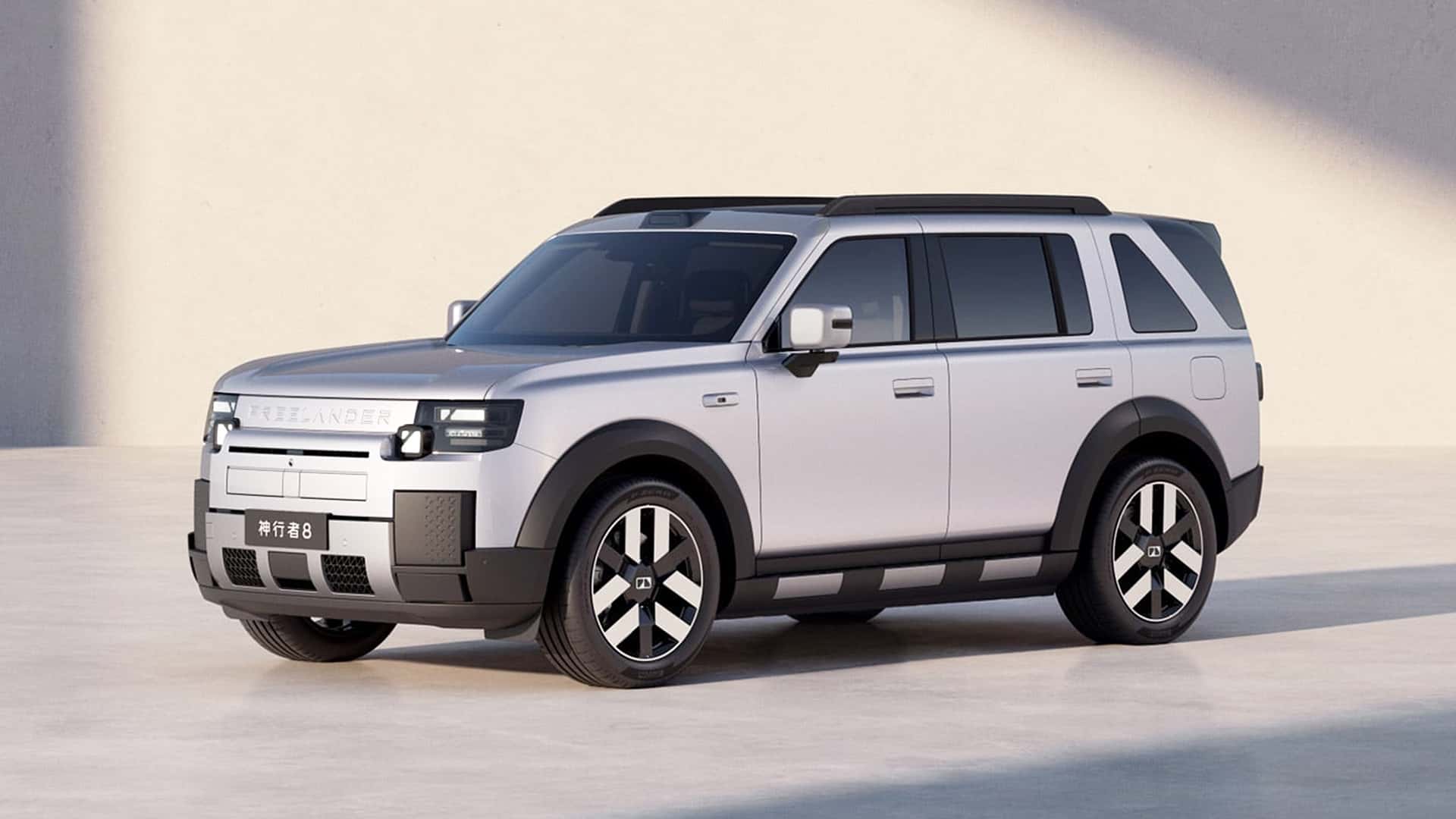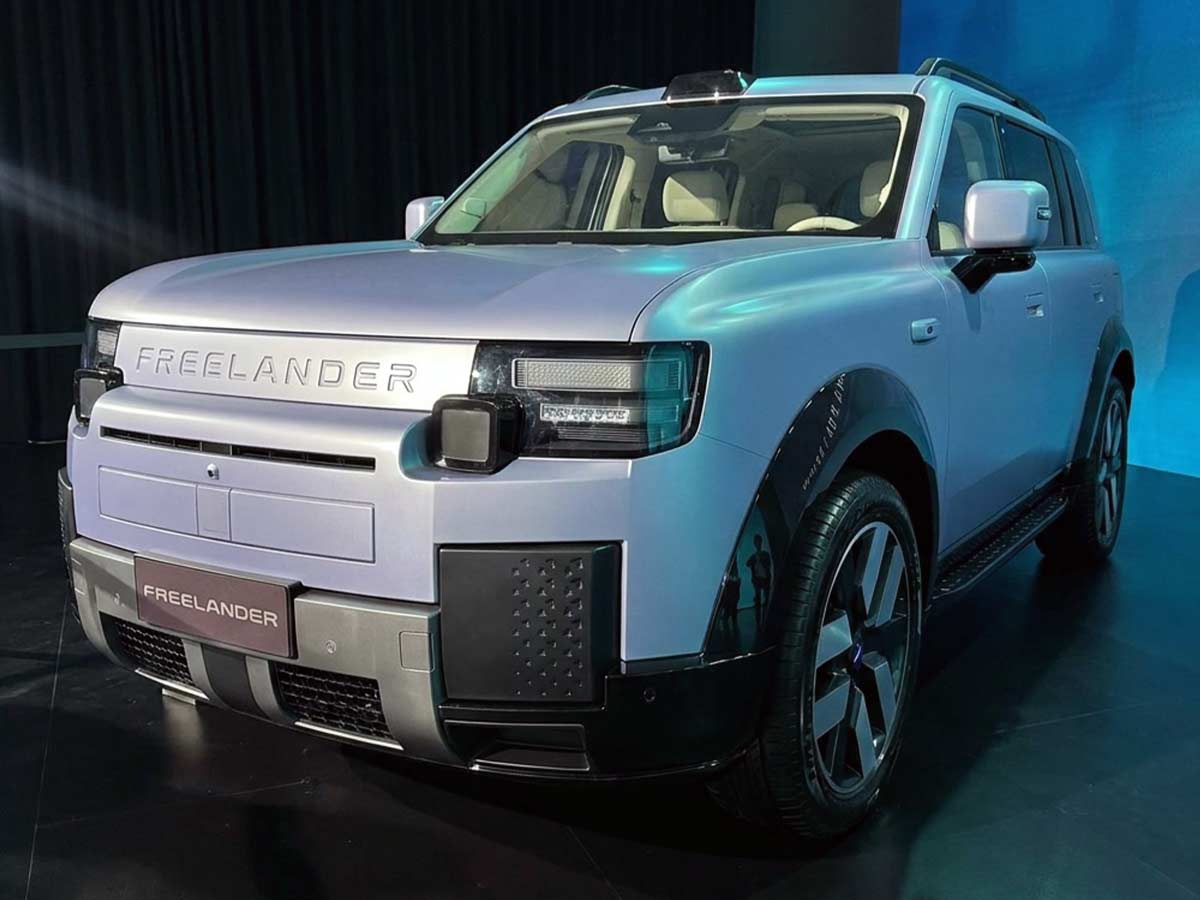
The revival of a dormant nameplate is rarely a sentimental exercise. When Land Rover confirmed that the Freelander would return, the temptation was to read it as nostalgia—a wink to the compact crossover that once outsold everything else in the showroom. The reality is more calculated. The new Freelander, revealed in first-look coverage as a markedly larger proposition than the vehicle that carried the badge in the early 2000s, is the clearest signal yet that Land Rover is rebalancing its portfolio toward the volume end of the family SUV market, where size matters more than prestige and price sensitivity is everything.
Consider the context in which this pivot is unfolding. This is not a brand in expansion mode; it is a brand in retrenchment, forced to ask hard questions about where its future volume will come from. The answer, increasingly, appears to be the mainstream family segment rather than the upper reaches of the luxury market.
The Numbers Behind the Pivot
Jaguar Land Rover has opened a voluntary redundancy programme as part of a $2.3 billion cost-cutting drive, with reports pointing to roughly 4,000 jobs being cut over the next two years as sales slide. The UK business minister has met the company's chief executive over the reductions, and Downing Street has been explicit that no bailout is coming.
That strategic logic explains the Freelander's new proportions. A bigger footprint at a more accessible price point positions Land Rover against the likes of the Toyota Land Cruiser and a swelling field of three-row family haulers—territory where the Defender 130 has already been making inroads. Recent drives of the Defender 130 X have highlighted exactly this tension: a vehicle that beats the Land Cruiser on refinement and capability but struggles to match it on cost. The Freelander gives Land Rover room to compete on the cost front without diluting the Defender's premium positioning.
A Halo at the Top, a Volume Play at the Bottom
There is a certain irony in the timing. At the very moment Land Rover is pushing down-market with the Freelander, it is also pushing up-market with the 2027 Range Rover Electric, a vehicle that first-drive reviews describe as delivering everything you expect from the flagship—except a tailpipe.
The electric Range Rover is the halo; the Freelander is the volume play. Between them sits the Defender, recently updated with a more streamlined drive, and the broader Range Rover line, which CarBuzz has noted now looks like the sensible sibling next to Jaguar's wild reinvention. Land Rover, in other words, is hedging: electric flagship at the top, accessible family SUV at the bottom, and a fortified core in between.
The Margin for Error
The pressure to get this right is considerable, and not only from the balance sheet. The brand has absorbed 94,000 Range Rover recalls over rearview cameras and a wider recall of more than 93,000 vehicles, reminders that scale brings scrutiny. A manager has reportedly sued the company claiming dismissal over pricing complaints—a dispute that speaks to the commercial tensions running through the organisation as it repositions. None of this undermines the Freelander strategy, but it does illustrate how narrow the margin for error has become.
What makes the pivot genuinely interesting is that Land Rover is not abandoning its identity to chase volume. The Freelander name carries four-wheel-drive heritage, and the new model's larger dimensions suggest a family SUV that still trades on the brand's capability credentials rather than merely its badge. If the execution holds, Land Rover could achieve something its rivals have found elusive: a genuinely affordable family SUV that does not feel like a dilution of the marque.
The Freelander's return is not a nostalgia trip. It is a quiet, deliberate bet that the future of a storied British brand lies not in ever-grander flagships alone, but in the school run, the holiday load-lug, and the driveway where the money actually is.