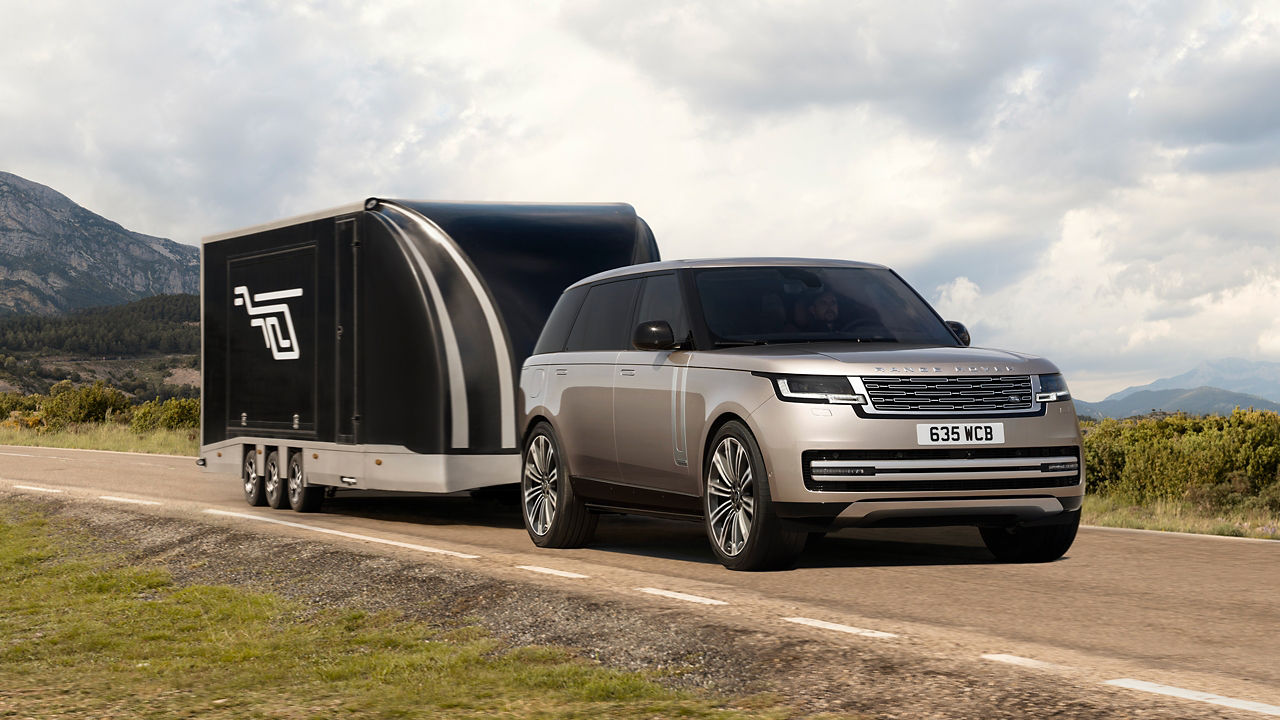
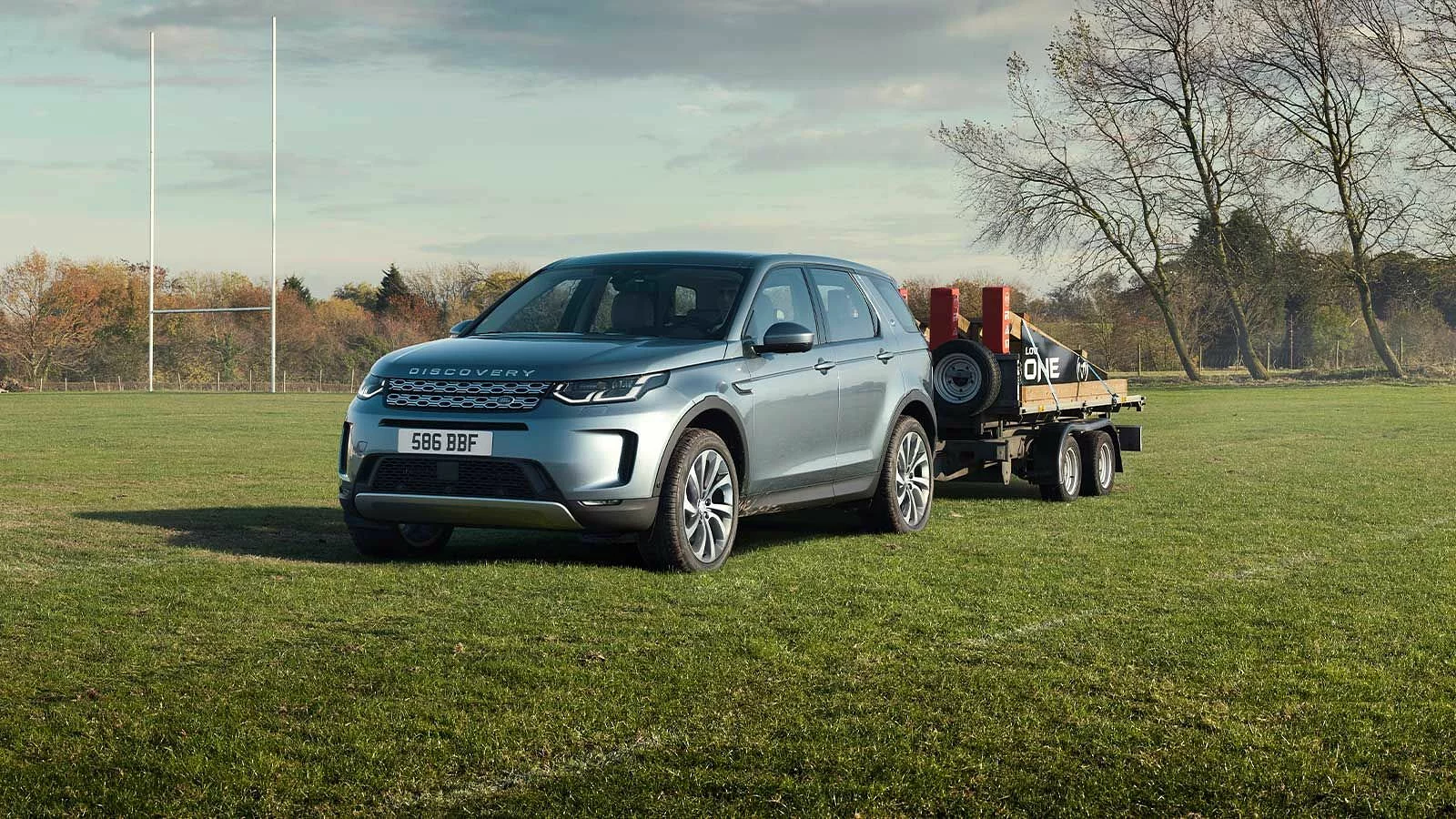
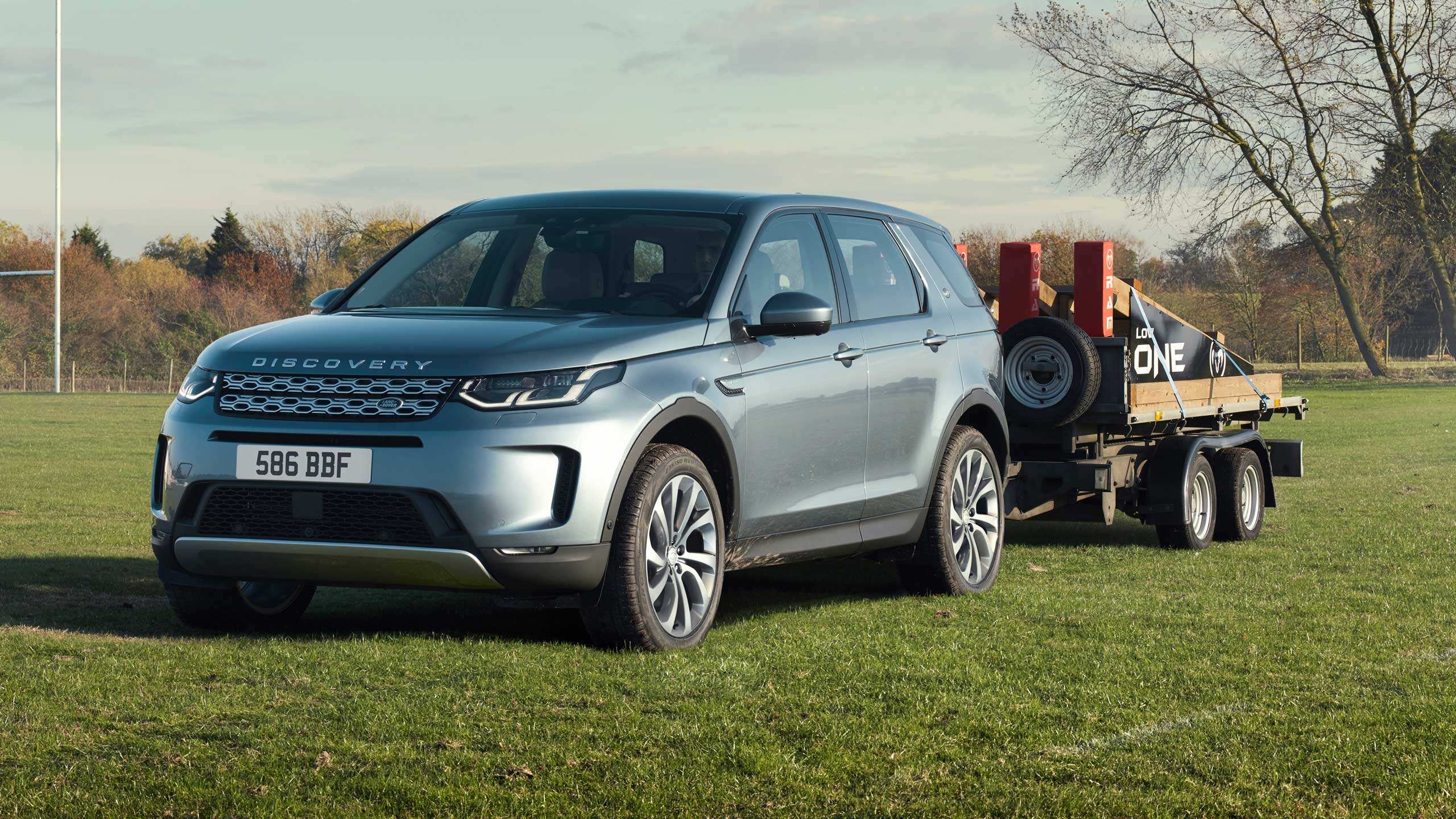
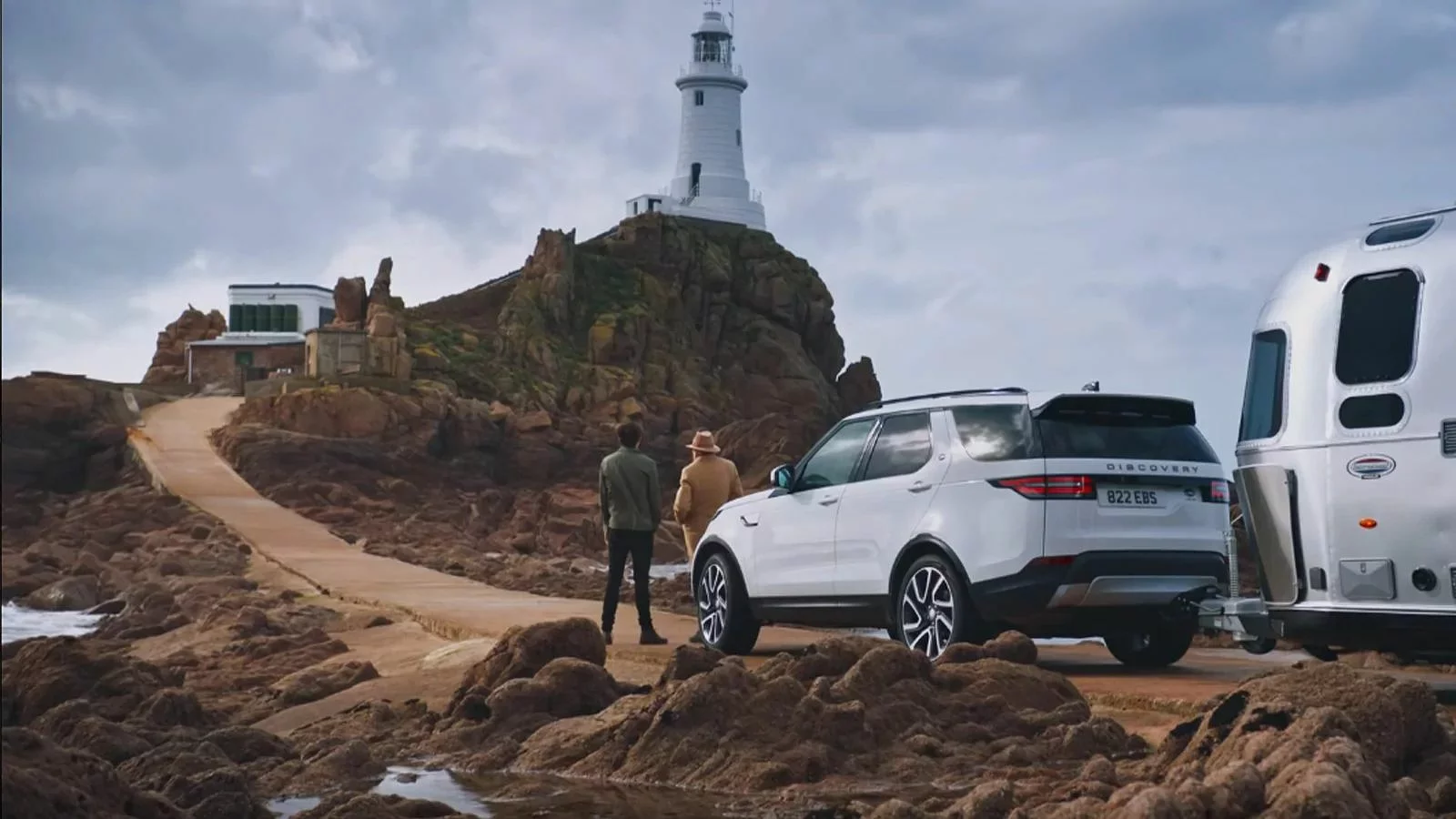
There's a certain kind of engineering confidence that doesn't need to raise its voice. It just hands the keys to two television presenters, hitches a 121-ton road train to the back of a Land Rover Discovery, and points the whole improbable convoy into the Australian Outback. That Land Rover did precisely this — and that Jack and Michael Whitehall emerged with the technology being declared "idiot proof" — says more about the state of modern towing than any spec sheet ever could.
On paper, a Discovery hauling a road train weighing more than a hundred tonnes is an absurd proposition, the sort of thing that could easily read as marketing theatre. In lesser hands, it would. But the point was never the raw feat. It was the demonstration of what Tow Assist actually does: it takes a task that has historically demanded experience, judgement and no small amount of nerve, and renders it approachable. The Whitehalls, for all their charm, are not seasoned heavy-haulage operators. That was the entire premise — and the entire proof.
Intelligence Layered on Capability
What makes Tow Assist genuinely interesting is that it belongs to a lineage of quietly clever Land Rover engineering rather than a flashy headline feature. The same corporate philosophy produced the five discreet technologies in the Discovery Sport designed to enhance convenience and comfort — systems that work in the background, noticed only when absent. Towing assistance is the most consequential expression of that ethos, because towing is where confidence and competence diverge most sharply. Reversing a trailer is the single most intimidating manoeuvre in everyday motoring, and Land Rover has effectively decided that intimidation is a solvable problem.
This matters because the Discovery's appeal has always rested on versatility rather than vanity. The announcement of two special editions broadening that appeal reinforces the same message: this is a vehicle bought by people who intend to use it.
The Moat Is Software, Not Silhouette
In a market where the 2026 Defender is being measured against the Toyota Land Cruiser, and where the rugged Ineos successor to the original Defender is making its own aggressive plays, Land Rover's differentiation increasingly lies not in raw capability alone — everyone can claim that — but in the intelligence layered on top of it. A vehicle that can tow a road train and make the process feel manageable is making an argument that rivals chasing pure off-road brawn cannot easily answer.
The imitators are circling, of course. Chery is bringing its Land Rover lookalike to the UK, a reminder that the silhouette is easier to copy than the software. What the Outback exercise proves is that the moat isn't the shape of the bonnet. It's the accumulated engineering judgement that lets a manufacturer hand over a hundred-tonne challenge to two amateurs and trust the electronics to carry the day. That is a harder thing to replicate than a grille.
Courting the Gala and the Gravel Pit
There is a broader strategic logic at work, too. Land Rover is celebrating 50 years of Range Rover with snow art and luxury celebration, premiering new models in New York's Chelsea Arts District, and fitting Spotify natively into its cabins. The brand is simultaneously courting the gala and the gravel pit.
Tow Assist sits at the intersection of those two identities: a technology born of genuine utility, delivered with the polish of a luxury marque. It is the sort of feature that sells a Discovery to a family that will never tow 121 tons but wants to know it could — and that, perhaps, is the most honest test of any driver-assistance system. Not whether it performs in the showroom, but whether it earns its keep at the hitch, in the rain, with a trailer that refuses to go where you point it.
That is where Land Rover's credibility continues to be earned: not in the specification table, but in the quiet assurance that the electronics will carry the day when the driver's nerve runs out.