For the better part of a decade, the automotive world has been holding its breath for the inevitable: the electrification of the Land Rover Defender. Camouflaged prototypes have prowled British test tracks, fueling endless speculation about a silent, torque-laden off-roader that would seemingly write the next chapter in a story that began with a utilitarian box in 1948. But now, as reports confirm a significant delay in the Defender EV’s arrival, something curious has happened. The pause isn’t a setback—it’s a strategic reprieve that allows the internal combustion engine to cement its legacy as the definitive heart of the world’s most iconic 4x4. For enthusiasts and pragmatists alike, this delay isn’t a disappointment. It’s a blessing.
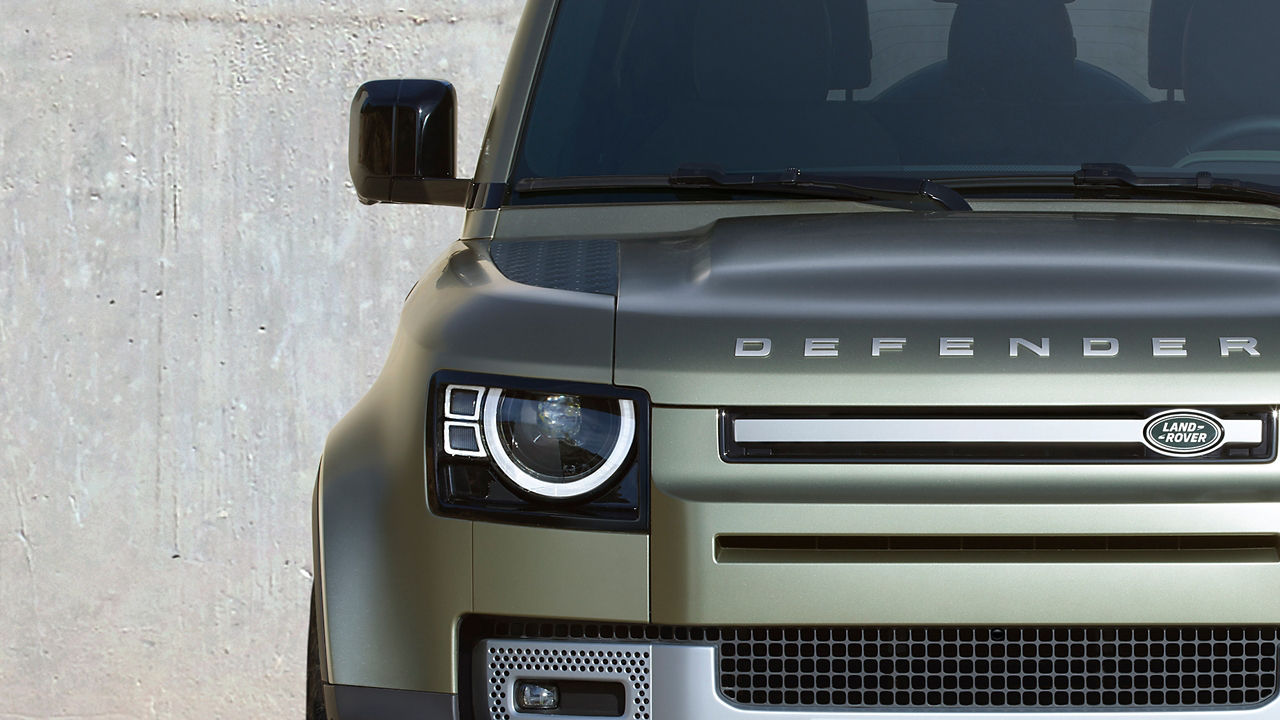
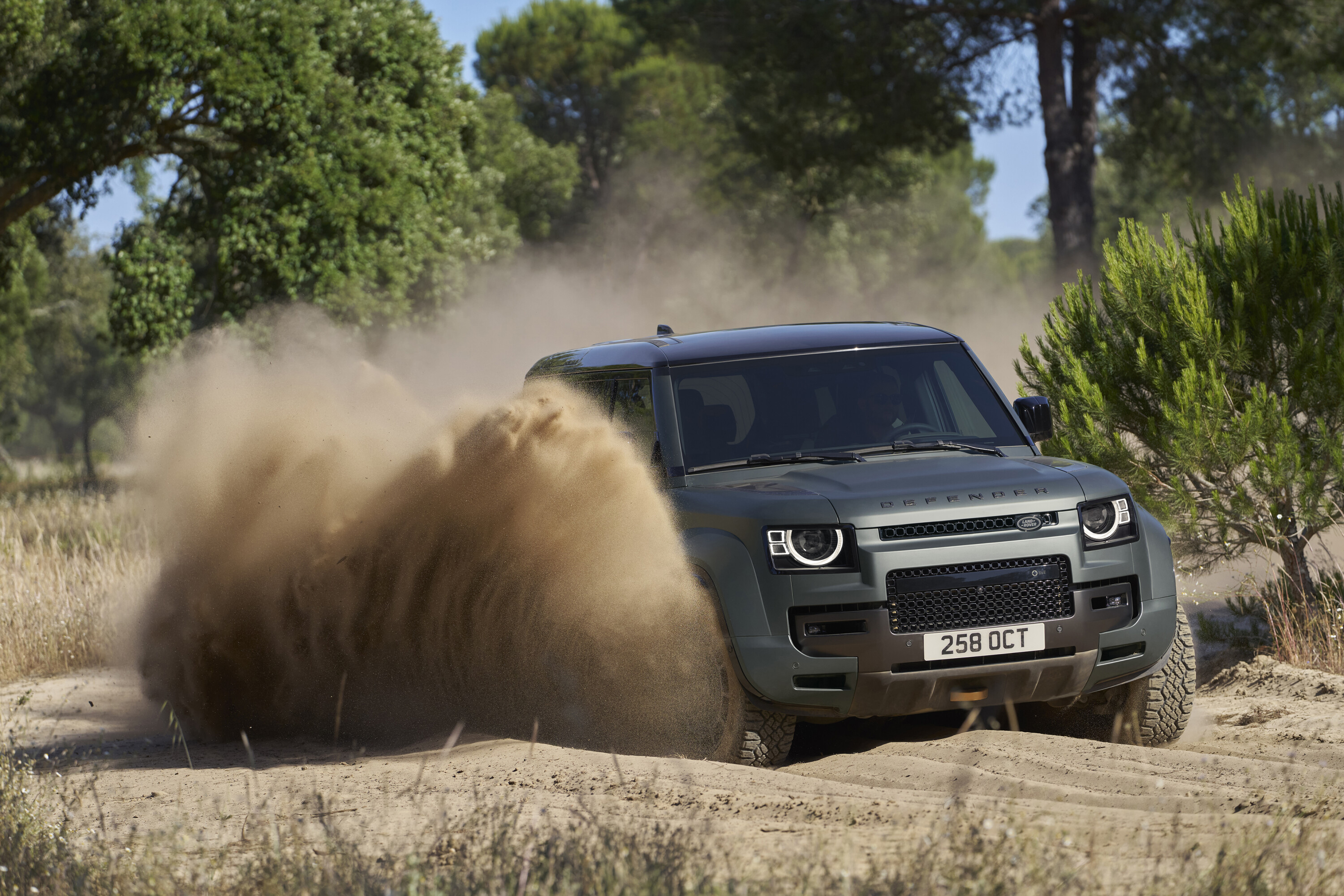
Consider the current state of the Defender lineup. The 2026 model, recently praised by outlets like the *Boston Herald*, continues to deliver a level of SUV satisfaction that few rivals can touch. It’s a masterclass in duality—a machine equally at home navigating the concrete canyons of Manhattan as it is fording a river in the Scottish Highlands. The gasoline-powered Defender, with its supercharged and turbocharged straight-sixes and burly V8s, offers a visceral connection that’s becoming increasingly rare. The soundtrack alone—that guttural growl under load—is a sensory experience no electric motor, regardless of its simulated acoustics, can replicate. The delay ensures this character remains the benchmark for a few more crucial years, allowing the combustion engine to bow out on its own terms, not as a rushed casualty of a corporate deadline.
Engineering Integrity Over Quarterly Targets
The delay also speaks volumes about Land Rover’s engineering integrity. This is a brand that built its reputation on unyielding durability, from the Series I to the current Defender 110. Land Rover understands that an EV cannot be a mere conversion. It must be a ground-up revolution, reimagining chassis rigidity, battery protection, and waterproofing to withstand the same punishing extremes the gas model conquers with mechanical simplicity. Rushing an electric Defender to market to satisfy a quarterly target would risk tarnishing the nameplate’s very soul. The extra time isn’t a sign of weakness—it’s a commitment to the notion that when the EV does arrive, it must be as indestructible as its forebears. Until that day, the current powertrains remain the purest expression of the Defender’s go-anywhere ethos.
The Romance of the Machine
There’s also an undeniable cultural and economic argument for the delay. The vintage Land Rover market is exploding, with auction houses fetching astronomical sums for restored Series II pickups—one owned by Daniel Craig recently sold for $56,000—and pristine 1995 Defender 110s with just 160 miles on the clock emerging as modern-day heirlooms. This fervor is fueled by the romance of the machine: the mechanical directness, the smell of petrol and leather, the certainty that a diesel or petrol engine can be repaired with basic tools in a remote village. The *Garden & Gun* piece on the $400,000 vintage Defender illustrates a growing appetite for analog authenticity in a digitized age. The EV delay prolongs this golden era, keeping the spotlight on the internal combustion engine as the collector’s choice and the enthusiast’s default. It allows the gas-powered Defender to reach its final, most polished form—like the Dakar-winning street-legal limited edition recently announced—before the paradigm shift.
Fighting With Its Strongest Weapon
Finally, consider the competitive landscape. As Bloomberg notes, Land Rover must be wary of Chinese look-alikes flooding the market with cheap, tech-laden electric off-roaders. In this climate, the Defender’s advantage is its heritage and proven mechanical robustness. While rivals scramble to offer the latest battery tech, Land Rover can lean into what the Chinese brands cannot replicate: the unassailable credibility of the gas engine’s decades of off-road dominance. The delay is a tactical move, allowing the Defender to fight with its strongest weapon—the internal combustion engine—for as long as regulations permit.
This is a final, glorious stand for the powertrain that built the legend. And for those of us who cherish the drive, the wait for the electric era is a welcome, extended victory lap for the icon we know and love. Land Rover’s philosophy has always been about capability first, character always. The gas-powered Defender embodies that ethos with every rev, every gear shift, every mud-splattered climb. When the EV finally arrives, it will have to earn its place in that lineage. Until then, the internal combustion Defender remains not just relevant, but essential—a reminder that some legends don’t need reinvention. They just need time.