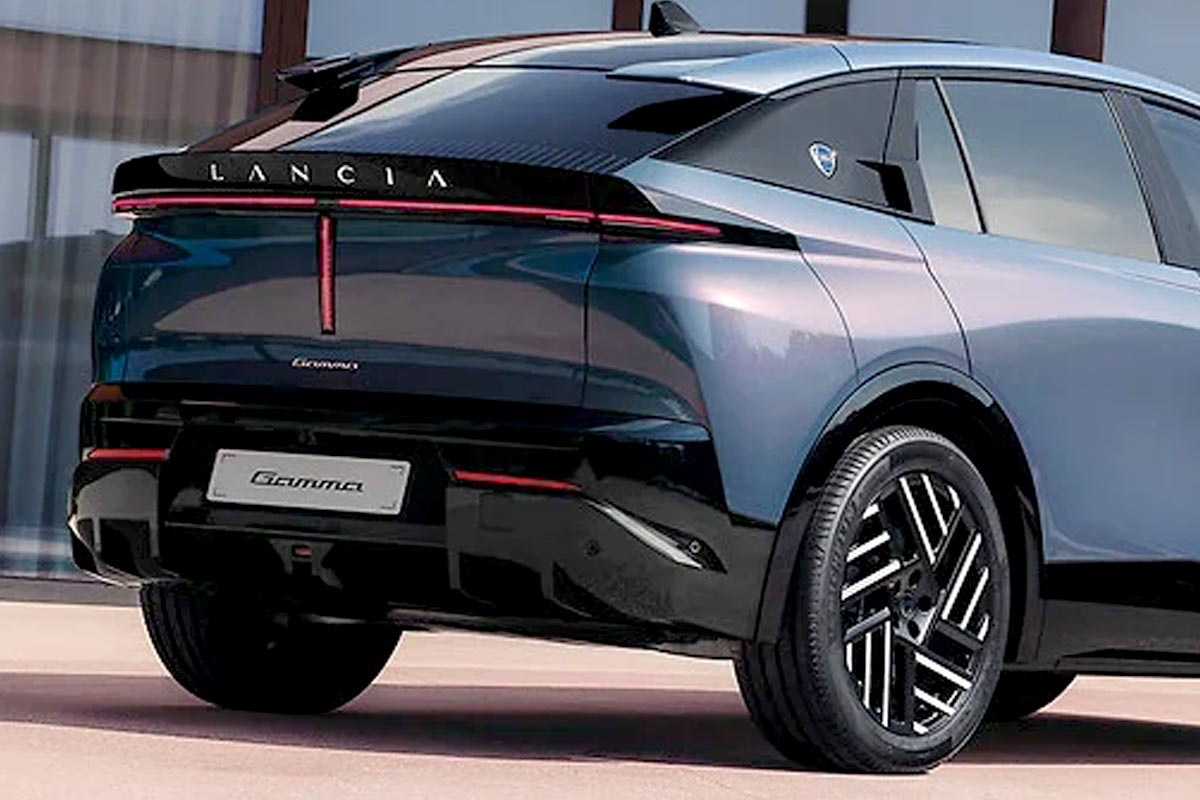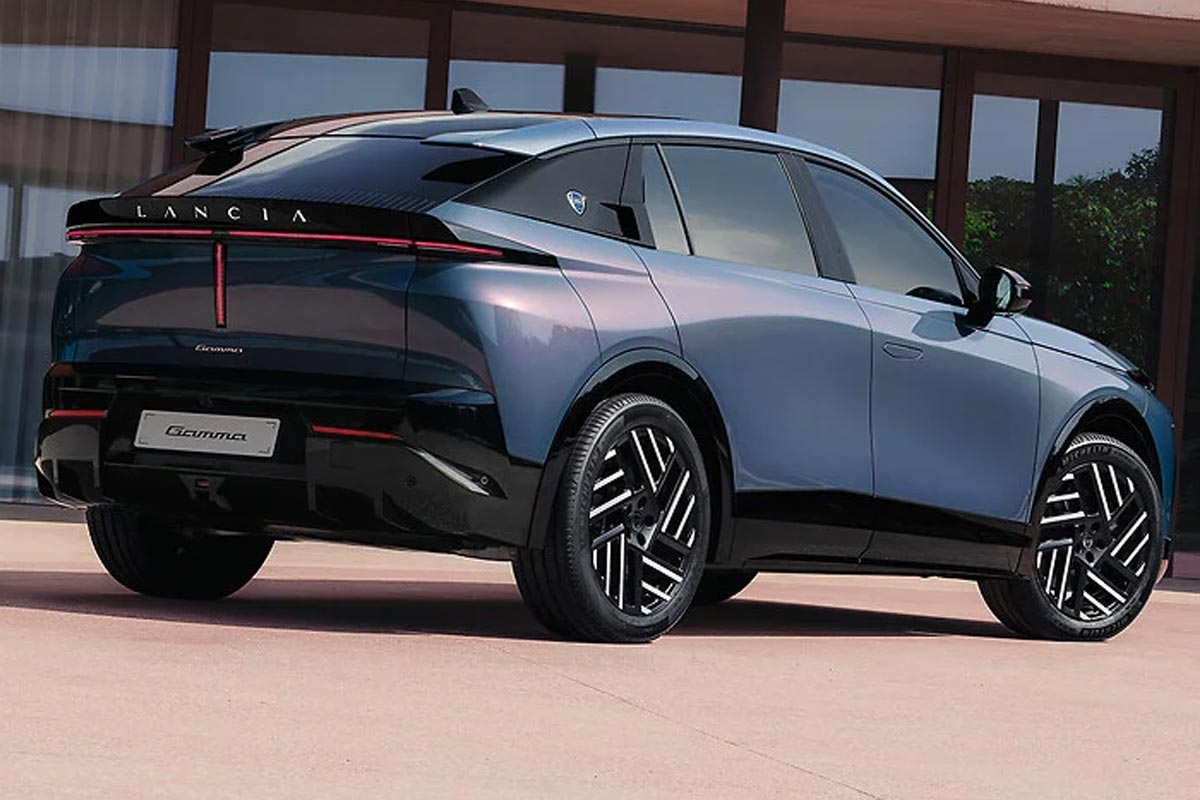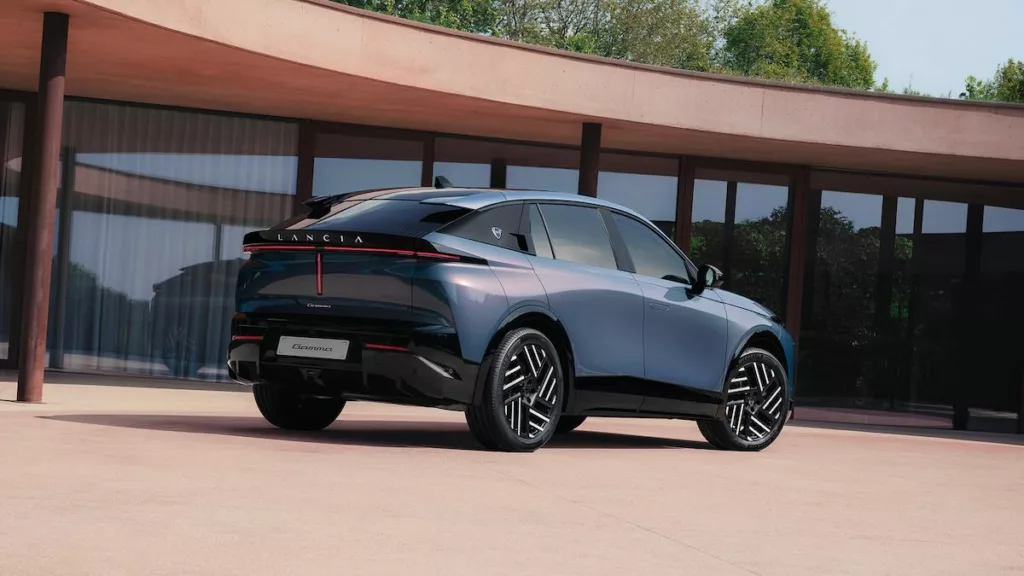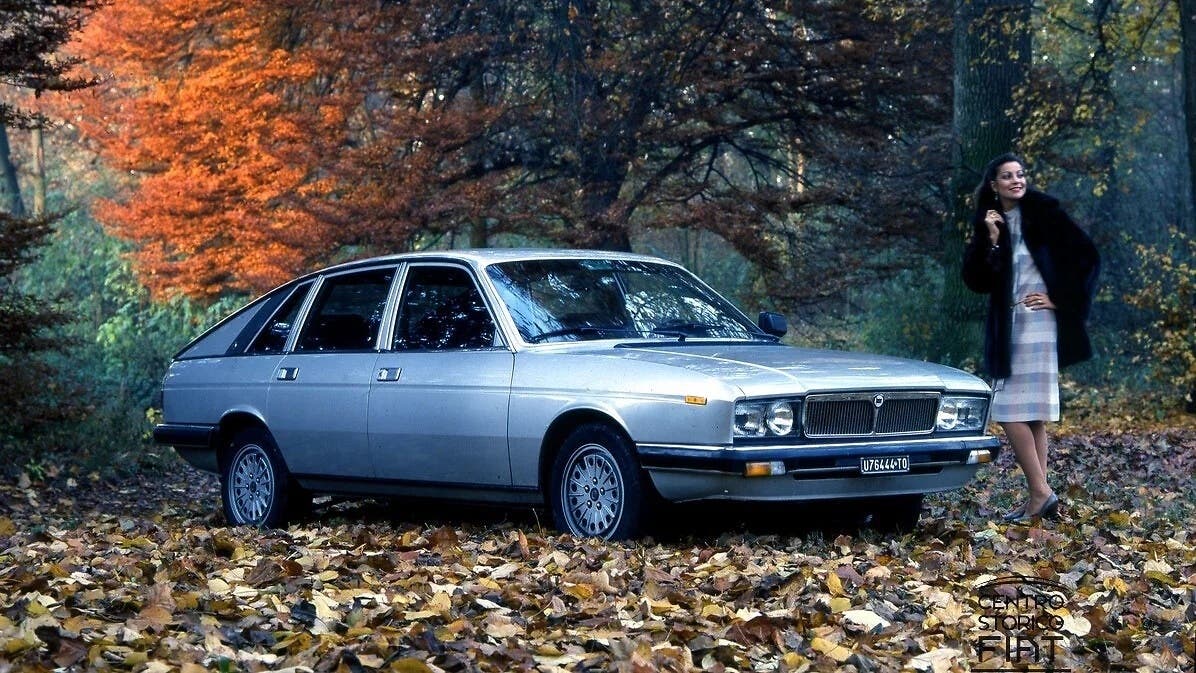
The internet has already reached its verdict on the new Lancia Gamma, and the verdict is unkind: it shares its bones with the DS N°7. The fastback silhouette, the Stellantis STLA Medium architecture, the electric powertrain options — all of it is familiar, because all of it is shared. The lazy reading is that Lancia raided the corporate parts bin and draped a new badge over a French cousin. The correct reading is that this was the only way a resurrected Lancia was ever going to happen at all.
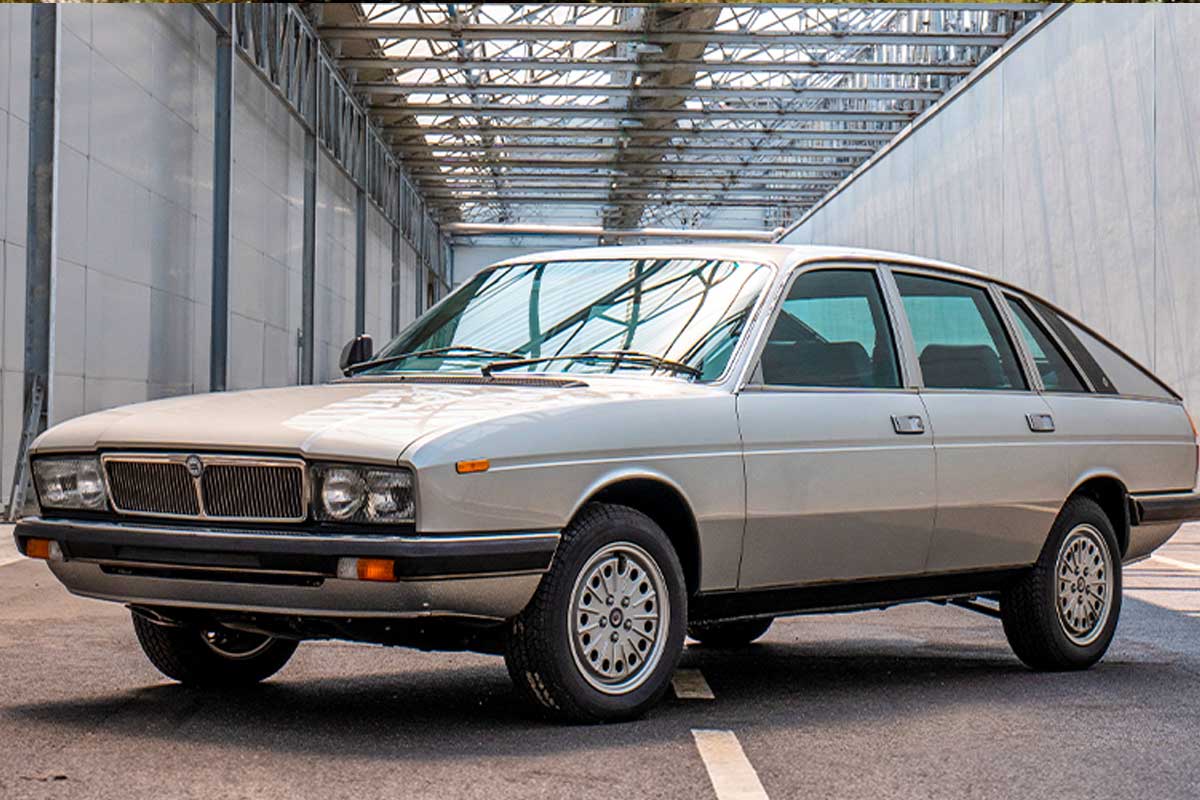
Consider what Lancia has been for three decades: a marque kept on life support by a single model, its once-fabled reputation preserved mostly in the memories of rally fans and the classified listings of Bring a Trailer. Reviving a brand in that condition demands capital, engineering, and a business case that survives contact with a boardroom. Stellantis has all three — but only if Lancia plays by the rules of the house. The Gamma is that bargain made visible, and anyone mourning the absence of a bespoke platform is mourning a car that was never going to exist.
The Hand It Was Dealt
What matters is what Lancia did with that hand. The HF Integrale badge — a name carrying genuine motorsport gravity — sits atop a 375-horsepower version, and range figures of up to 740 kilometres put the Gamma squarely in the conversation with its segment rivals. More telling still is the pricing: the Lancia Gamma HF Integrale undercuts its DS N°7 twin by €11,620. That is not a rounding error. That is Lancia positioning itself as the sharper value in the family, the enthusiast's choice rather than the premium one.
Badge engineering, done cynically, means identical cars at identical prices. Done with intent, it means each brand gets a distinct proposition from a common foundation — which is exactly what Volkswagen Group has done for decades without anyone accusing a Lamborghini of being a rebadged Audi.
The Weight of the Name
There is a deeper historical irony here, and it is worth sitting with. Lancia's greatest cars were never about raw specification. The Stratos, the 037, the Delta Integrale — these were machines defined by obsession with detail, by engineering decisions that made sense only to people who cared about the way a car felt rather than the way it looked on a spreadsheet. That spirit cannot be conjured from a clean sheet when the money isn't there. It has to be earned back, model by model, until the brand is strong enough to justify the investment a bespoke platform demands. The Gamma is the first step of that climb, not the summit.
The timing is instructive, too. Lancia's rally programme is active again — Lancia Corse HF took second overall at Rallylegend, and the brand has begun its Rally2 era with a result its own engineers described as "not perfect, but a good start." Meanwhile, the heritage market keeps reminding everyone what the name is worth: a factory-converted 1983 Lancia 037 Evo II sits at auction with an asking price approaching $377,777, and a Lancia Astura just claimed Best of Show at the Zoute Concours d'Elegance. The past is not just nostalgia. It is an asset, and Stellantis is finally treating it like one.
The Playbook, Not the Compromise
None of this guarantees the Gamma will succeed. The electric fastback segment is crowded, and heritage alone sells very few cars. But the criticism that the Gamma is "just" a DS N°7 misunderstands what brand revival actually looks like in 2026. It looks like shared platforms, disciplined pricing, and a slow, deliberate rebuilding of identity — the same playbook that brought Alpine back, that gave Cupra its footing, and that every volume manufacturer now depends on.
Lancia did not have the luxury of a bespoke architecture. It had a badge, a history, and a corporate parent willing to fund a comeback. The Gamma is what that combination produces — and for a marque that was nearly extinct, that is not a compromise. That is a lifeline.