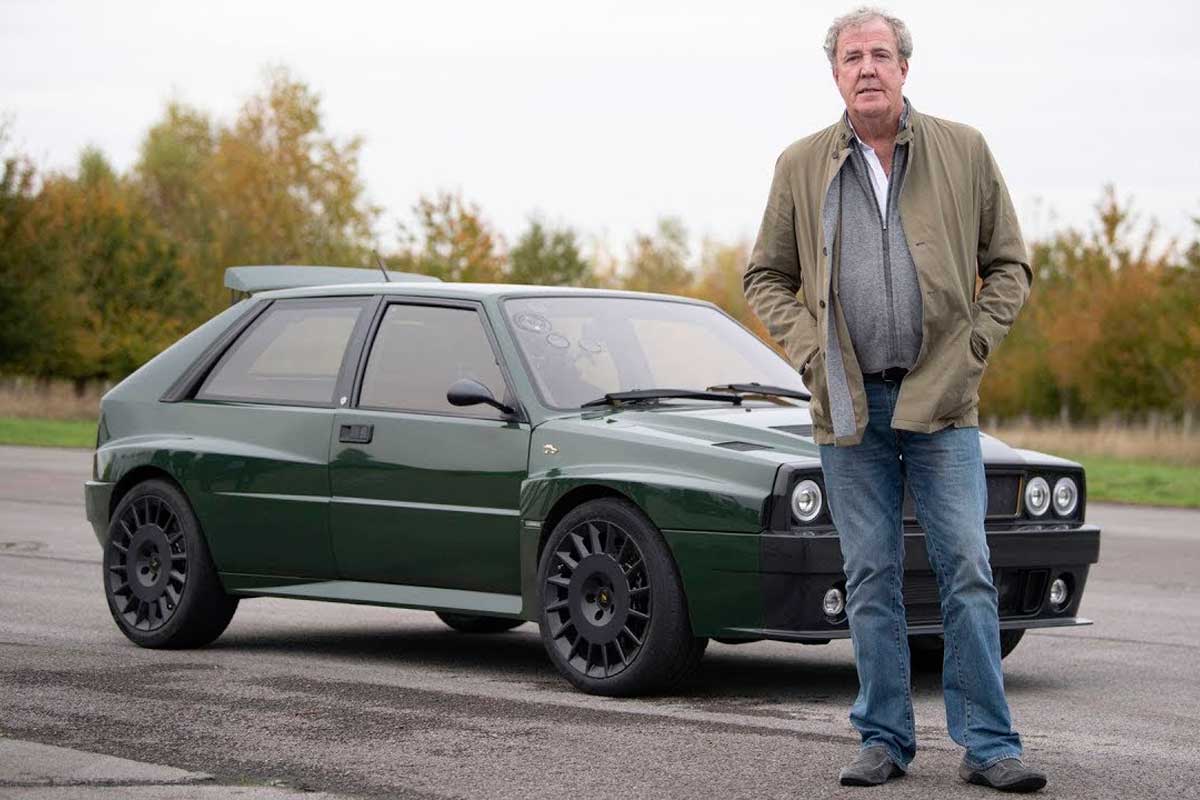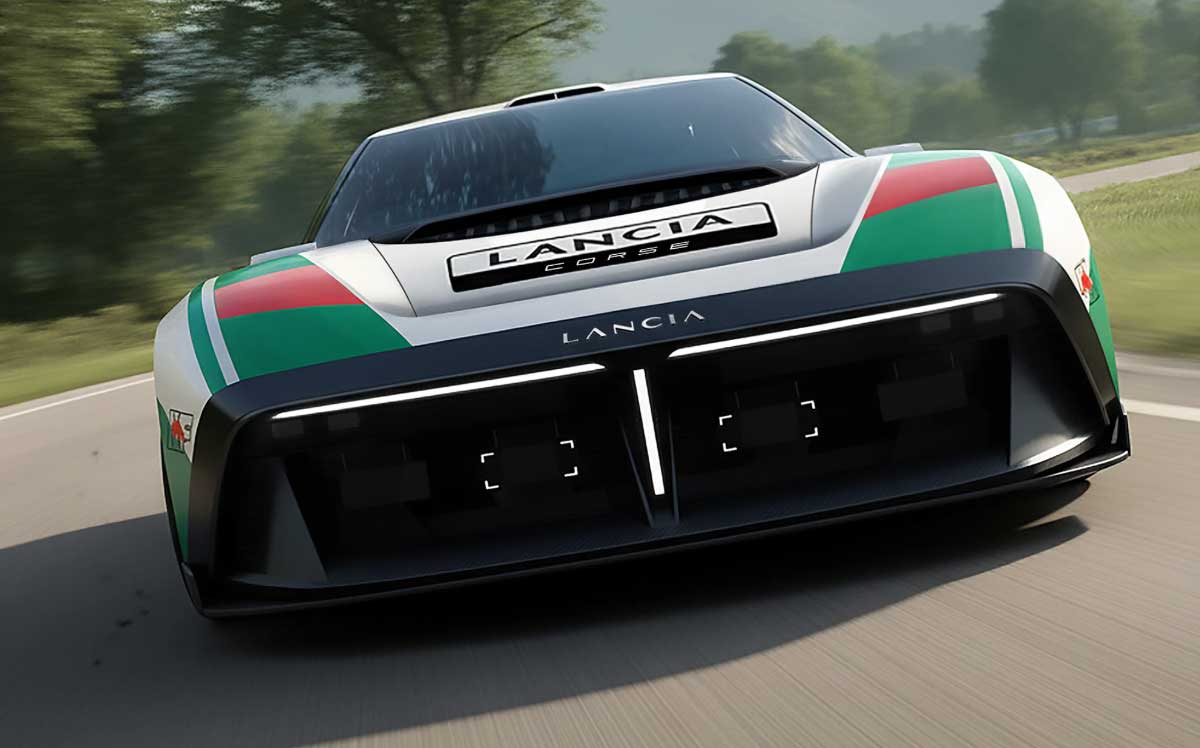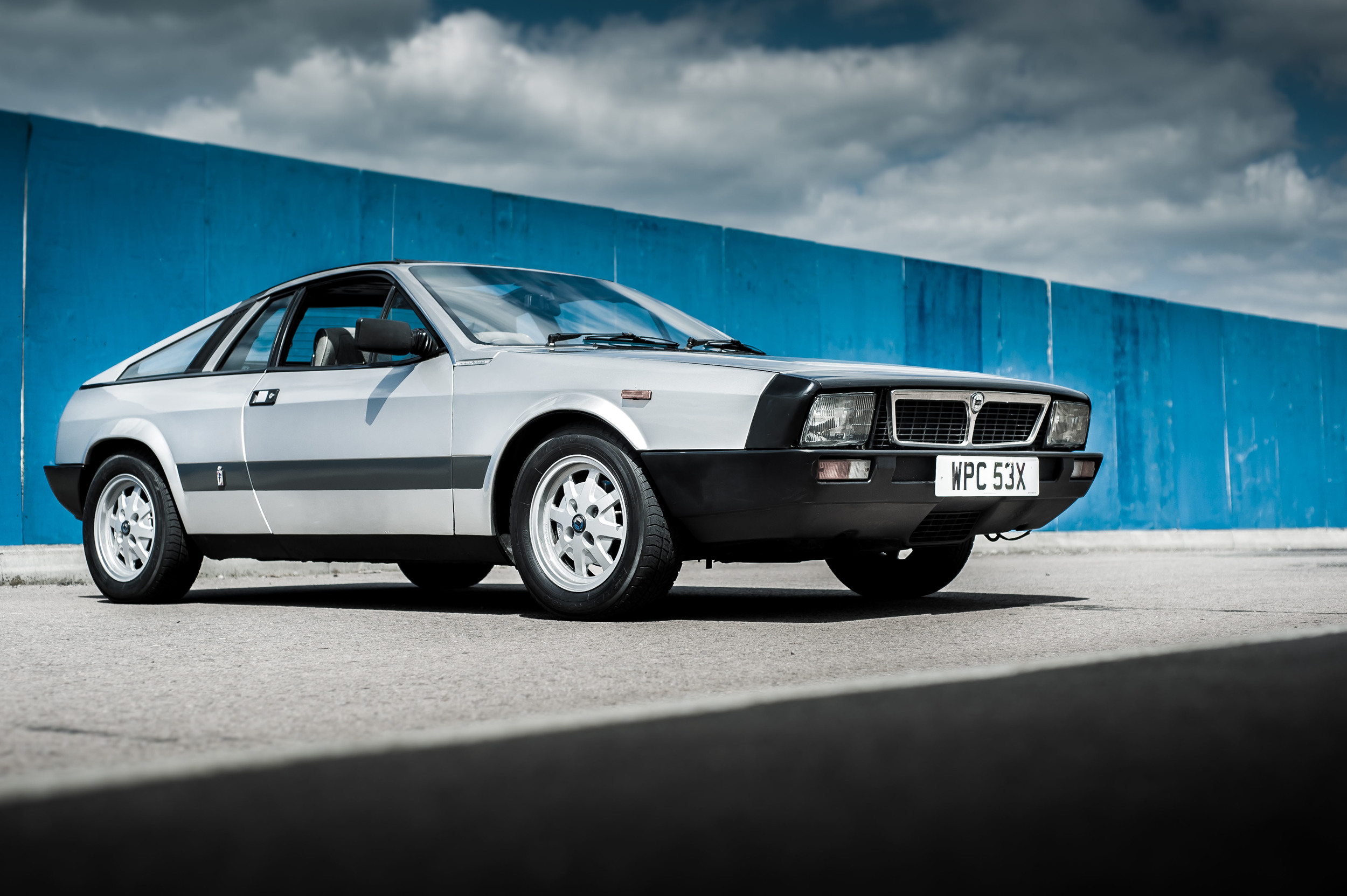
There's a strange symmetry in the news cycle right now. A 1982 Lancia Montecarlo Spider once owned by Jeremy Clarkson is heading to auction without reserve, while in Rome, Lancia has just unveiled an all-new Gamma at the Ministry of Enterprises and Made in Italy. One is a farewell to a curious chapter of television motoring history. The other is a statement of intent from a brand that has spent four decades as the punchline to a joke it never deserved.
That both stories broke within weeks of each other tells you exactly where Lancia sits in 2025: caught between the affectionate nostalgia of the Anglophone world and the cold, calculated ambition of Stellantis.
The Montecarlo: Character Over Competence
The Montecarlo in question is the car Clarkson drove in the final episode of The Grand Tour — a machine he has publicly professed to adore despite, or perhaps because of, its many flaws. The Montecarlo was never a great sports car in the conventional sense. It was mid-engined, pretty in a Pininfarina sort of way, and blessed with the kind of chassis that flattered the brave and punished the careless.
It rusted. It overheated. It had a tendency to catch fire.
And yet, as Clarkson himself has argued, it possessed something the modern equivalent cannot buy: character. The fact that his example is crossing the block without reserve is less an indictment of the car than a reflection of the market's enduring appetite for anything touched by the Grand Tour's departing trio.
The Gamma: A Nameplate With Weight
Meanwhile, in Turin, Lancia has been quietly assembling the pieces of a resurrection. The new Gamma is a fastback BEV built on Stellantis' STLA Medium platform, and its presentation at MIMIT was not accidental. Lancia has made much of its Italian identity — the design language, the materials, the positioning — as though to remind Europe that this is not simply another badge-engineered crossover.
The Gamma nameplate carries weight. The original Gamma of 1976 was a sophisticated, flawed, technically adventurous saloon that offered everything from a flat-four to a Ferrari-derived V6 — and, in one notorious instance, an engine built by Ducati. It was the kind of car only Lancia would have made, and only Lancia could have failed to sell.
Brilliance Undone by Indifference
That is the tension at the heart of Lancia's current revival. The brand's history is a catalogue of brilliance undermined by commercial incompetence, of engineering ambition undone by corrosion and indifference. The Fulvia, the Stratos, the 037, the Delta Integrale — these are not merely cars; they are monuments to a certain Italian way of doing things.
A recent 850-kilometre tour across Italy in a Fulvia, documented by enthusiasts, serves as a reminder that these machines still function as intended — provided someone has loved them enough to keep the rust at bay.
Yet Lancia's future is not guaranteed by nostalgia alone. The brand's WRC ambitions remain unclear, with indecision over a Rally2 Kit programme and drivers like Sesks and Suninen testing without a confirmed destination. The appointment of Arnaud Belloni as CEO of FIAT, Abarth and Lancia suggests Stellantis is consolidating its European marketing strategy, which could mean either renewed focus or further dilution. And the first Lancia Rally2 delivered outside Europe is a small but telling signal that the brand's motorsport footprint is expanding, however cautiously.
Two Lancias, One Narrative
What emerges is a portrait of a marque attempting to reconcile its past with a viable future. The Montecarlo sale is a reminder of what Lancia once was: idiosyncratic, beautiful, slightly dangerous. The Gamma is a bet on what it might become: electric, Italian, premium.
Whether these two Lancias — one leaving a famous garage, one entering a showroom — can coexist in the same narrative is the question that will define the brand's next decade. For now, at least, Lancia is worth talking about again. That alone is progress.