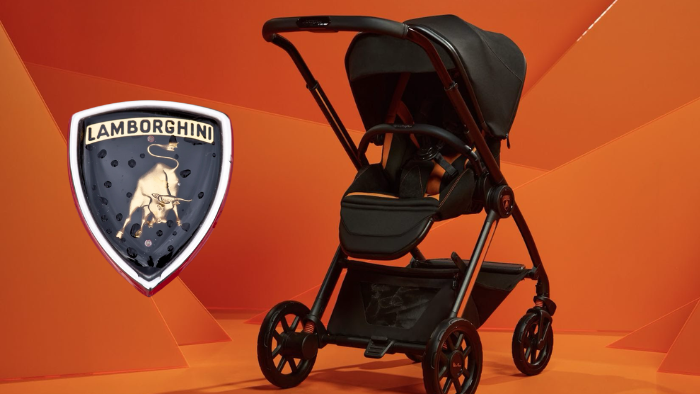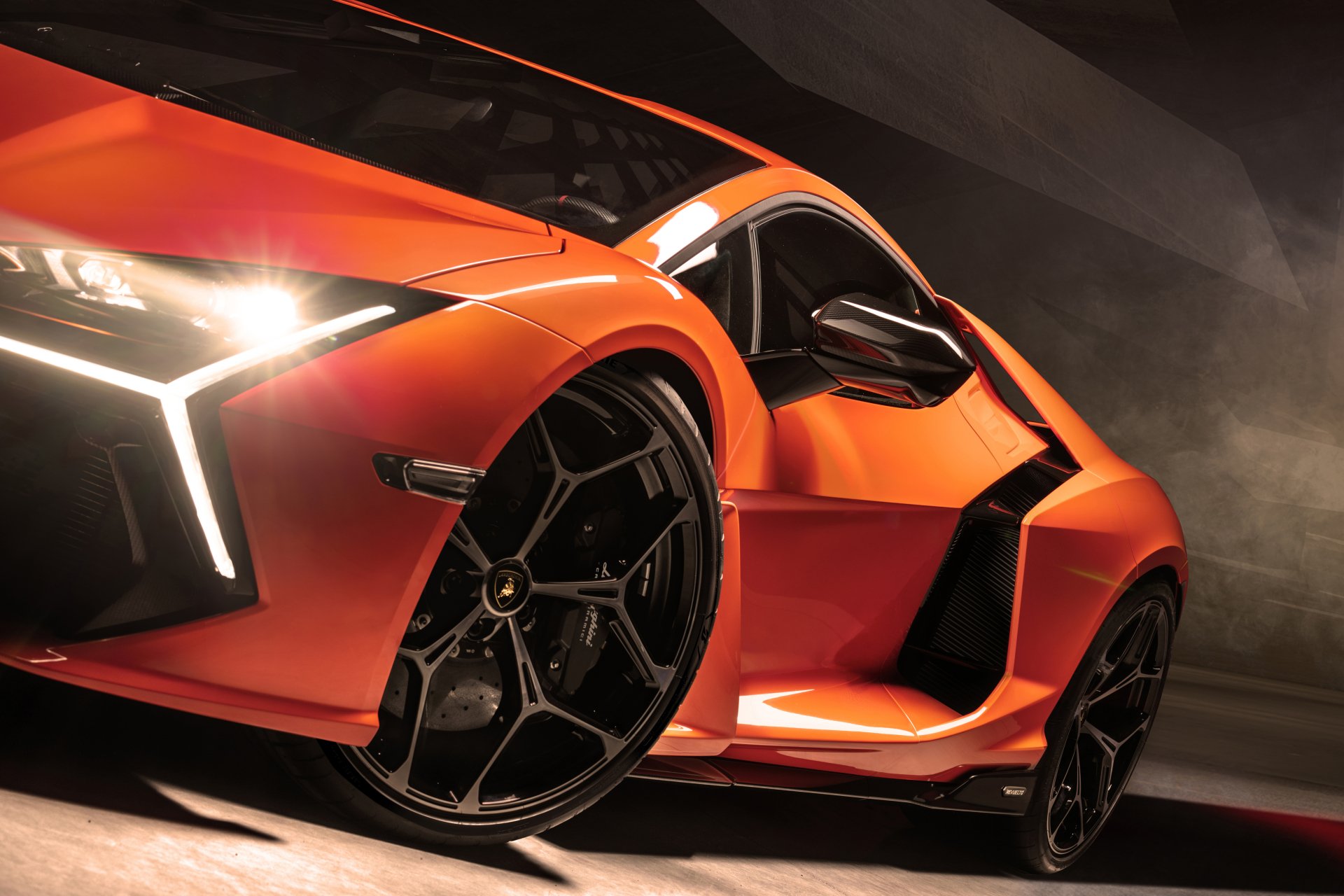
When Lamborghini announced its latest collaboration with British luxury brand Silver Cross, the automotive world collectively raised an eyebrow. The result is a $4,999 baby stroller—a limited-edition pushchair finished in the same carbon-fiber weave and fiery orange lacquer that adorns the Revuelto and Temerario. On paper, it is an absurd object: a conveyance for a toddler that costs more than a used Honda Civic, engineered to transport a passenger who cannot appreciate it, at speeds a brisk jog can match. Yet the stroller is not a cynical cash grab; it is the purest expression of what Lamborghini has always sold. The brand has never really sold cars. It has sold attitude, silhouette, and the unapologetic prioritization of drama over utility. The stroller merely proves the thesis with uncomfortable clarity.
The Countach Principle: Impracticality as Identity
Consider the lineage. The original Countach was a masterpiece of impracticality—scissor doors that made entry a contortionist act, a rear window that was effectively a letterbox, and forward visibility that required faith more than sight. It was monstrously difficult to live with, yet it became the poster child of an era because it looked like nothing else on Earth. Lamborghini has spent five decades perfecting this formula: build something that makes people stop, stare, and whisper, even if it means sacrificing the basic ergonomics a rational manufacturer would prioritize.
The stroller follows that playbook to the letter. It is not a stroller designed for parents; it is a stroller designed to be seen. The chassis is forged from lightweight aluminum, the seat upholstered in premium leather, and the wheels fitted with the same low-profile aesthetic that makes a Huracán look like it is moving while parked. Every design decision screams brand-first, function-second—and that is precisely the point.
The Urus Paradox: Selling the Badge, Not the Utility
Critics will point out that a $5,000 stroller is a monument to consumer excess, and they are not wrong. But that is precisely the point. Lamborghini buyers have never been driven by need. The Urus, the brand's best-selling model, is ostensibly a practical SUV, yet it exists in a segment where a dozen rivals offer more cargo space, better fuel economy, and lower price tags. The Urus succeeds because it wears the bull badge, because its angular bodywork screams aggression, and because it turns a school run into a statement.
The stroller does the same thing in miniature. It is not about pushing a baby; it is about pushing a Lamborghini. The marketing copy sells it as "inspired by performance," but the real inspiration is the same instinct that has driven every purchase since Ferruccio Lamborghini decided to build a grand tourer that would humiliate Ferrari: the desire to possess something that makes other people look twice.
The Revuelto Irony: Hypercar Brains, Stroller Heart
There is also a delicious irony in the stroller's timing. Lamborghini has spent the last year celebrating the Revuelto, a plug-in hybrid V12 that produces over 1,000 horsepower and can lap a circuit faster than its predecessor. It is a technological tour de force, a car that justifies its seven-figure price tag with engineering that borders on the supernatural. And yet the most talked-about Lamborghini of the season costs five grand and cannot exceed walking pace.
That paradox is the brand's genius. Whether it is a 217-mph hypercar or a pushchair, the product is secondary to the badge. The stroller does not need to be a good stroller in the way the Aventador does not need to be a good daily driver. It needs to be unmistakably Lamborghini—angular, aggressive, and utterly impractical in the most seductive way possible.
For parents who actually use it, the stroller will likely be a nightmare. The low-slung seating position, the firm suspension tuned for aesthetics rather than comfort, and the lack of storage that a $200 Graco would provide—all of it is deliberate. Lamborghini does not do compromise, and that ethos extends to its baby gear. The brand is telling you that even your offspring must conform to the marque's uncompromising standards.
The Most Honest Lamborghini Ever Made
It is absurd, yes, but it is also coherent. Lamborghini has never apologized for its excess, and it will not start now. The stroller is the ultimate proof that the company's real product is not metal, rubber, or carbon fiber—it is the willingness to throw practicality out the window and embrace the sheer theater of motion. In that sense, the $5,000 stroller is the most honest Lamborghini ever made. It does not pretend to be useful. It simply declares, with all the arrogance of Sant'Agata Bolognese, that even a baby deserves to travel in style. And somehow, that is exactly what the brand has always been about.