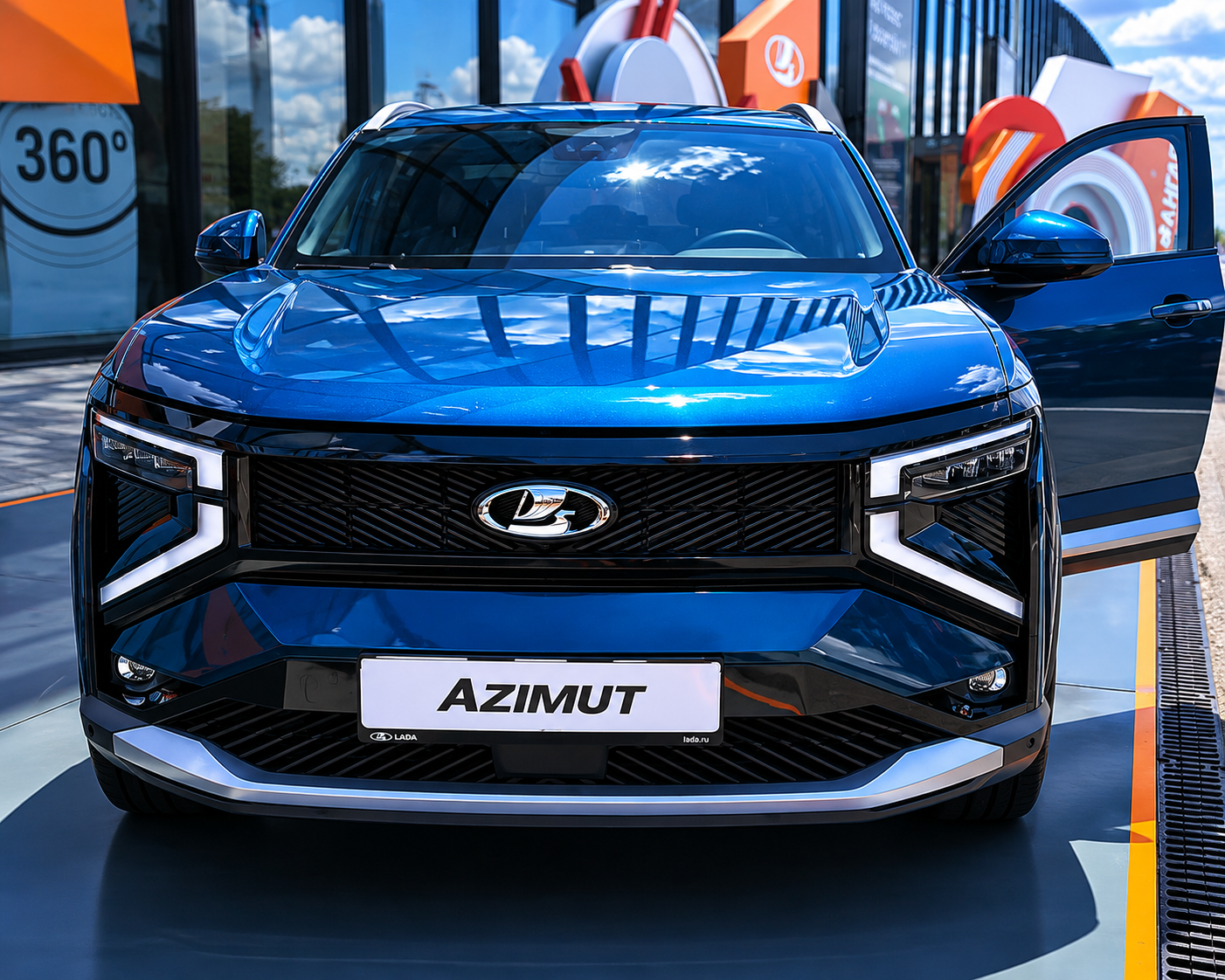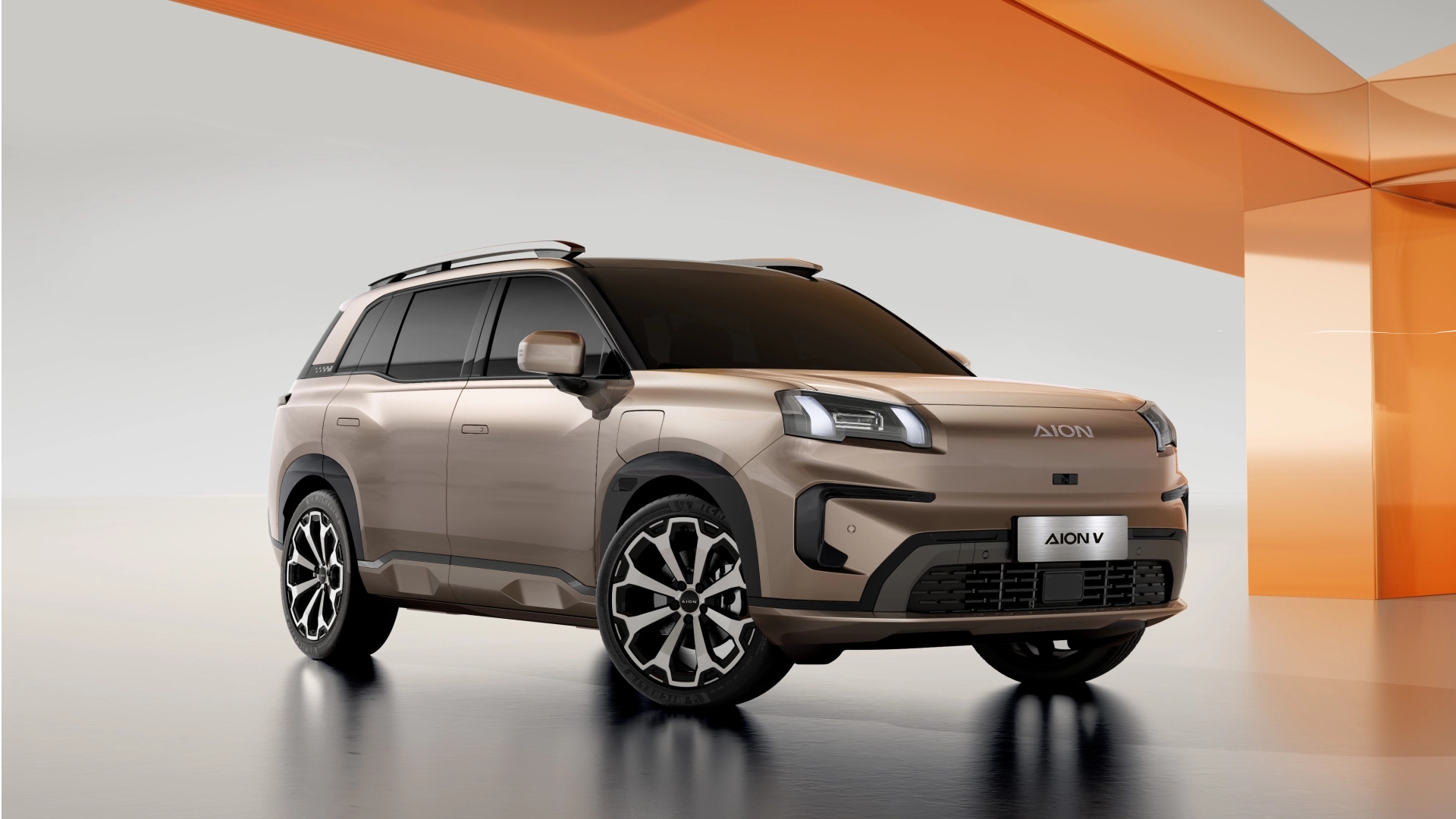
For decades, the name Lada has meant one thing: honest, unglamorous utility. The Russian marque built its reputation on cars that asked little, promised less, and somehow kept going anyway. Western enthusiasts either mocked them or quietly admired that stubbornness. Either way, nobody expected one to feel modern.
That assumption now faces its toughest test yet. Enter the 2027 Lada Azimut, a sedan that drags AvtoVAZ's flagship into genuinely contemporary territory with a 150-horsepower turbocharged engine and — at long last — a conventional torque-converter automatic transmission. This is not a trim walk. It is a philosophical break, and it deserves a closer look.
A Turbo Changes the Conversation
The turbocharged powertrain is the clearest signal that Lada is done relying on the naturally aspirated, low-stress engines that have powered its cars for a generation. Those motors had their virtues — simplicity, tolerance for neglect — but they never made a Lada feel quick. A 150-hp turbo four does not set pulses racing in a world of 400-horsepower family sedans, and it isn't meant to. Within the context of Lada's lineup, it is a substantial leap, enough to transform the Azimut from a highway afterthought into a credible mid-size contender on home turf.
For a brand whose recent history has been defined by parts-bin engineering and aging platforms, that shift matters more than the raw number suggests. It signals that AvtoVAZ is now willing to invest in the driving experience rather than merely manage it.
The Automatic Is the Real Headline
The transmission is arguably the more consequential story. Lada's historical relationship with two-pedal driving has been, to put it gently, complicated. The brand's automated manuals have drawn widespread criticism for clumsy shifts and hesitant logic, and the long-serving Jatco-sourced CVT fitted to some models never won over skeptics. A proper hydraulic automatic — the classic torque-converter unit referenced in reports — suggests AvtoVAZ has finally prioritized smoothness over cost engineering.
For Russian buyers who endure punishing winters and endless urban congestion, that is not a luxury. It is a daily necessity, and it is long overdue.
Competing in a Changed Market
Context matters. Lada sales in Russia rose modestly — up 0.4 percent over nine months — a figure that speaks to a brand holding steady in a domestic market largely insulated from Western competition. With global manufacturers having retreated from Russia, Lada enjoys a captive audience. But captive audiences breed complacency, and the Azimut suggests AvtoVAZ understands that defending market share requires more than nostalgia. The sedan must compete against a growing influx of Chinese sedans offering turbocharged power and modern automatics as standard. The Azimut's specifications read like a direct answer to that challenge.
Folk Hero, Refined?
There is a cultural dimension worth acknowledging. Lada remains one of the few automotive brands with genuine folk-hero status — the butt of endless jokes, yes, but also the subject of sincere affection. The brand's $19,800 three-pedal wagon with black steelies recently drew admiring coverage from Western outlets, a reminder that Lada's appeal often lies in its refusal to pretend. The Azimut, by contrast, dares to pretend a little. It aspires to refinement. Whether purists embrace that ambition or mourn the loss of austerity remains an open question.
What is certain is that the 2027 Azimut arrives at a pivotal moment. It must satisfy a domestic audience that increasingly expects modern amenities while preserving the ruggedness that defines the Lada name. A 150-hp turbo and a genuine automatic are not revolutionary by global standards, but for Lada they constitute a quiet revolution — one that may finally give the brand a sedan it can market without apology. If AvtoVAZ executes the calibration and durability credibly, the Azimut could mark the moment Lada stopped being a punchline and started being a proposition.