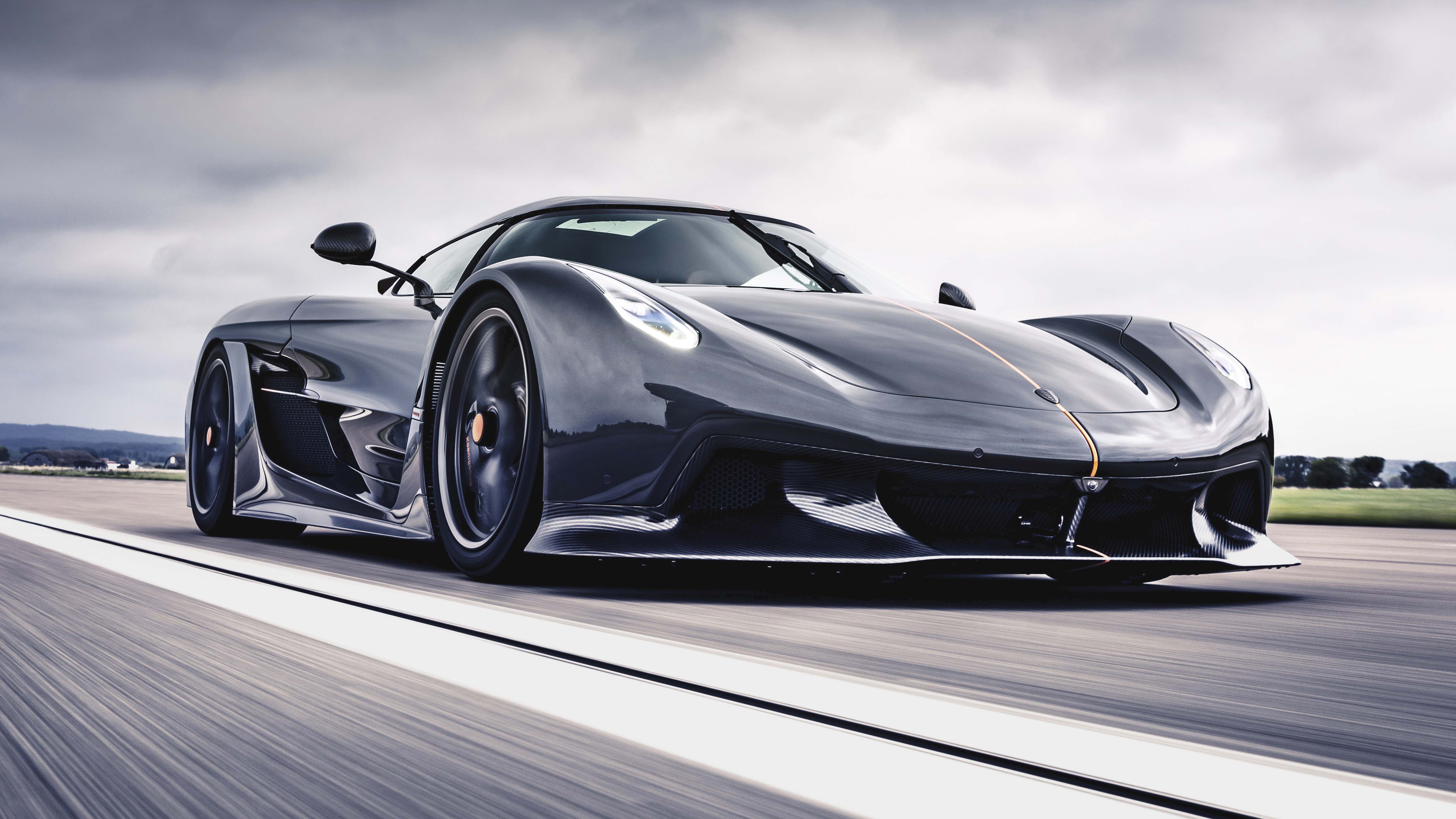
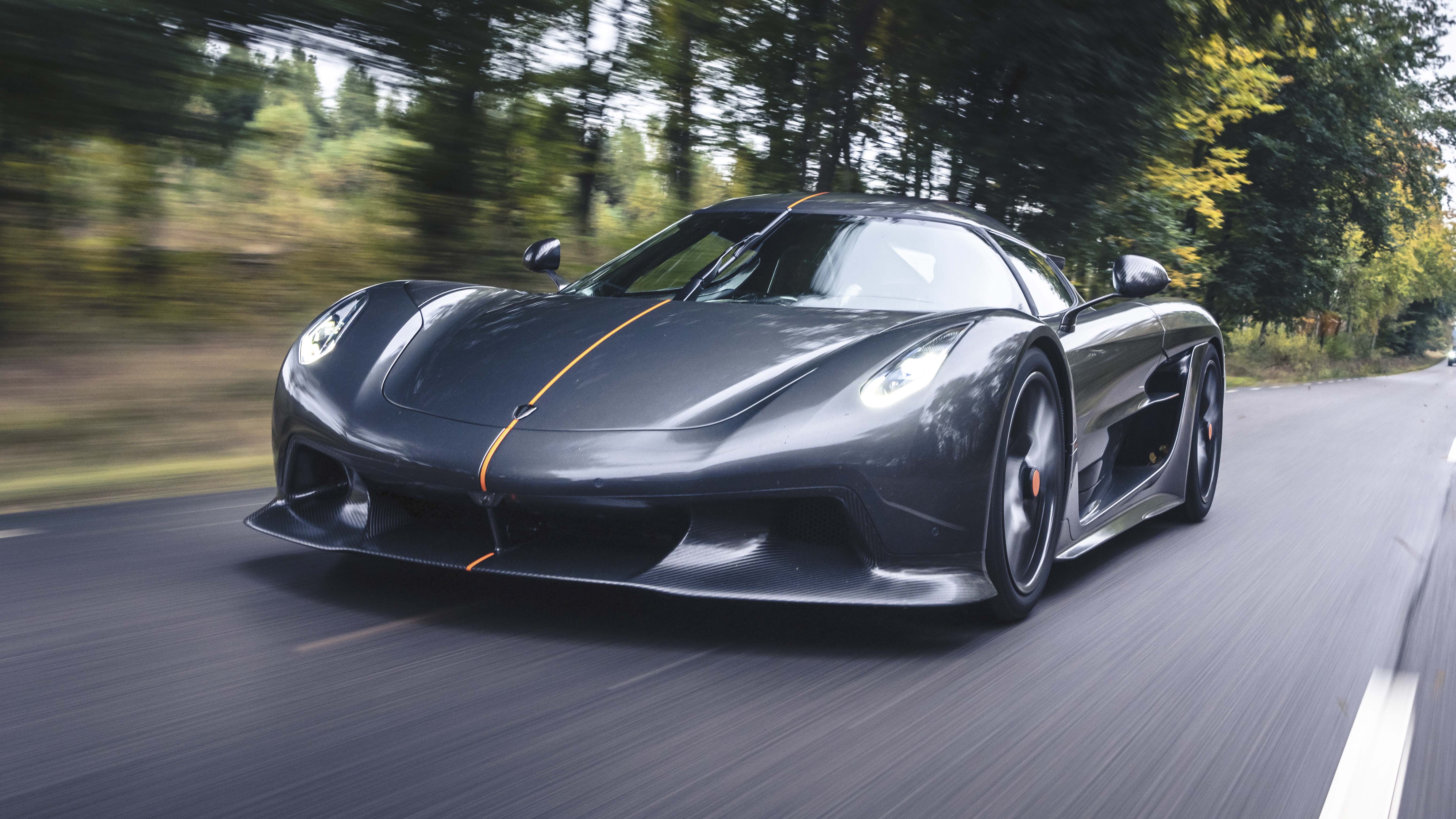
In an industry that treats acceleration figures like sacred scripture, you'd expect a car that obliterates the quarter-mile and half-mile production records to live atop every headline feed. Instead, the Koenigsegg Jesko has done exactly that—and the wider automotive world has largely shrugged. That's the strange paradox of Christian von Koenigsegg's latest masterwork: it is at once the most statistically dominant production car ever built and the most quietly underappreciated. While the hypercar commentariat fixates on Nürburgring lap times, drag-strip bragging rights have been quietly rewritten by a Swedish machine that treats physics as a polite suggestion.
Consider what the Jesko has actually accomplished. It has dismantled production car records for both the quarter-mile and the half-mile, posting trap speeds and elapsed times previously the exclusive province of purpose-built drag machinery and heavily modified tuner specials. These are not marketing projections or simulated figures; they are verified, timed, repeatable runs from a car that remains fully road-legal, air-conditioned, and trimmed in leather. The engineering required is staggering—and the unsung hero of every record-setting pass sits behind the engine.
The Gearbox That Bends Time
The Light Speed Transmission is a nine-speed, multi-clutch unit that can jump between gears without sequential interruption. Where rival dual-clutch systems lose precious milliseconds shifting through intermediate ratios, the LST simply selects the optimal gear and delivers torque in a seamless, almost violent surge. It is the quiet enabler of every one of those record-setting runs—the component that turns raw output into repeatable, verified performance.
Pure Combustion, No Apology
The powerplant behind those runs deserves equal reverence. The Jesko's 5.0-litre twin-turbo V8 produces up to 1,600 horsepower on E85, but raw output tells only part of the story. The engine's flat-plane crank allows it to rev to 8,500 rpm with a ferocity that feels less like combustion and more like controlled detonation. What makes the record-breaking runs so remarkable is that they were achieved with the standard nine-speed LST and conventional turbocharging—no hybrid assistance, no electric torque-fill trickery. Koenigsegg has proven that pure, meticulously engineered internal combustion can still humble the electrified establishment.
The Distractions of a Restless Brand
And yet the broader narrative around Koenigsegg has drifted elsewhere. Recent weeks have seen the marque's headlines dominated by the CCGT1, a track-focused tribute to the abandoned Le Mans program, all seventy units sold before the public ever saw a press photo. There is the curious saga of the three-cylinder engine whose cylinders are physically larger than those of the company's own V8—a fascinating engineering exercise that hypercar buyers, somewhat predictably, declined. There is the Gemera finally entering production, its four-seat configuration challenging every preconception about what a megacar can be. There are one-off commissions fetching eight figures at auction and a life-sized LEGO recreation setting records of its own up the Goodwood hill. The Jesko, meanwhile, keeps quietly stacking verified performance data like a card counter at a blackjack table.
This is the essential character of Koenigsegg as a brand: it builds cars so far ahead of the conversation that the conversation struggles to catch up. The Jesko is not a limited-run publicity stunt or a homologation special designed to satisfy a rulebook. It is a statement of first principles—that lightweight construction, aerodynamic efficiency, and uncompromising powertrain engineering can produce a road car capable of humiliating dedicated racing machinery in a straight line. The records it holds are not the point; they are merely the byproduct of a philosophy that refuses to accept conventional limits.
A Proof of Concept, Not a Farewell Tour
What makes the Jesko's dominance genuinely significant is its implications for the future. In an era when every manufacturer is pledging electrification and governments are legislating combustion out of existence, Koenigsegg has demonstrated that the internal combustion engine still has unexplored territory. The Jesko Absolut, with its lower drag coefficient and theoretical top speed north of 300 mph, suggests that the pursuit of pure velocity is far from over. The records being set today are not a farewell tour; they are a proof of concept for what remains possible when engineering ambition outpaces regulatory fashion.
So while the auction houses marvel at seven-figure one-offs and the forums debate the merits of three-cylinder exotica, the Jesko continues its methodical dismantling of the record books. It is the quietest revolution in the hypercar world—a Swedish missile that has rewritten the rules of production-car performance and done so without fanfare, without hybrid trickery, and without asking permission. The coronation has already happened. The world is simply late to the ceremony.