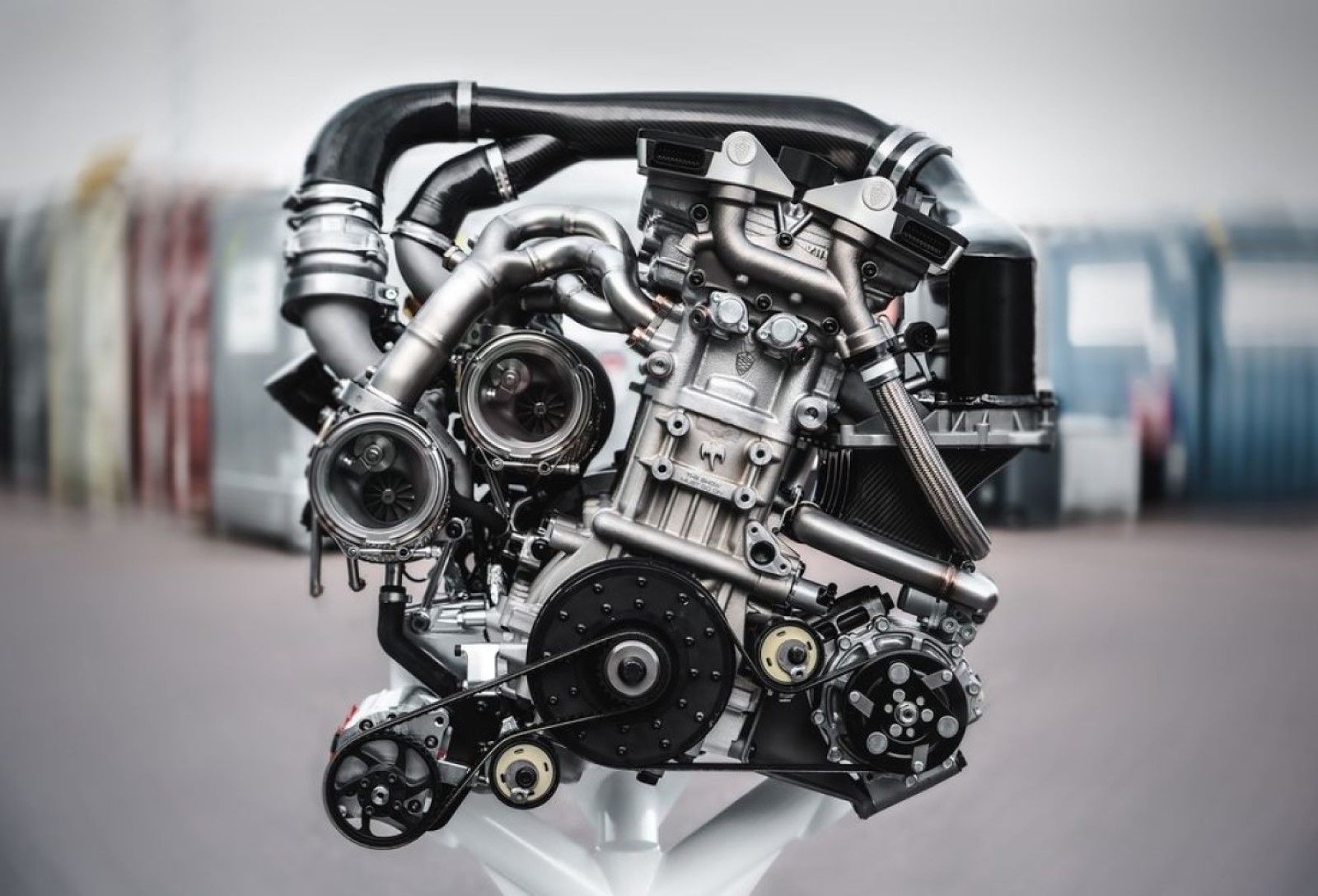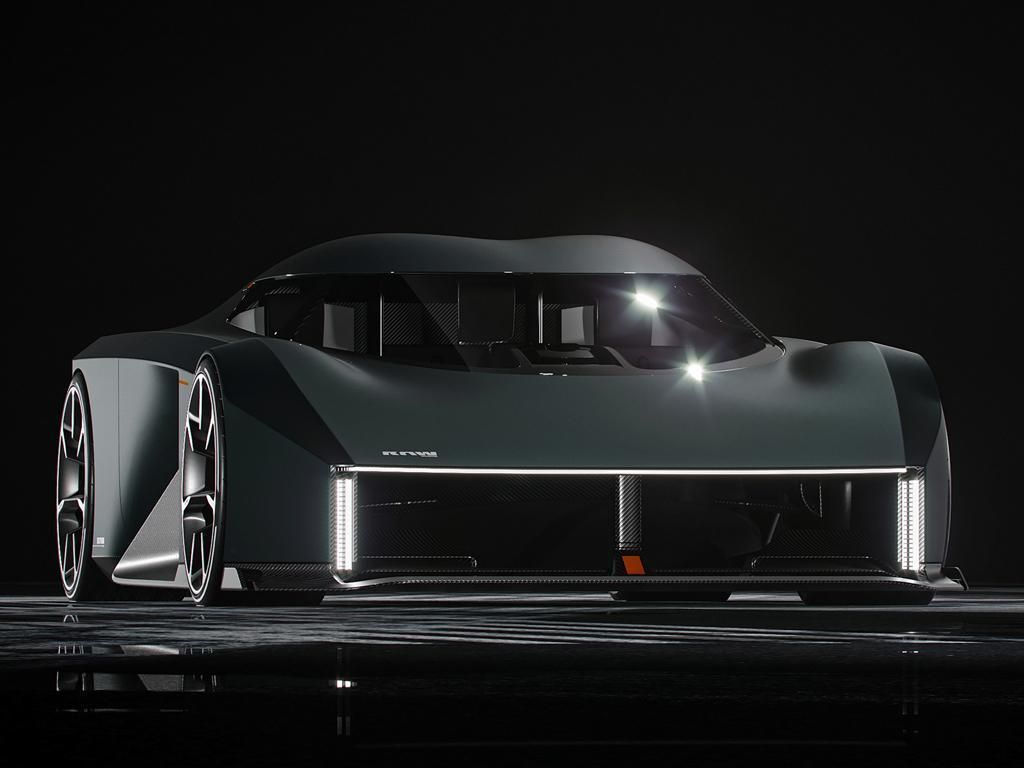
Christian von Koenigsegg has never been a man content with the obvious answer. When the industry insisted that hybrid hypercars needed V12s or twin-turbo V8s, he built the Regera around a small-block V8 paired with a direct-drive transmission and called it a revolution. So when his engineers developed a 2.0-litre three-cylinder producing 600 horsepower, the headline number alone should have silenced every sceptic. Instead, the engine was quietly shelved — and the reason has less to do with engineering than with the psychology of the people who write seven-figure cheques.
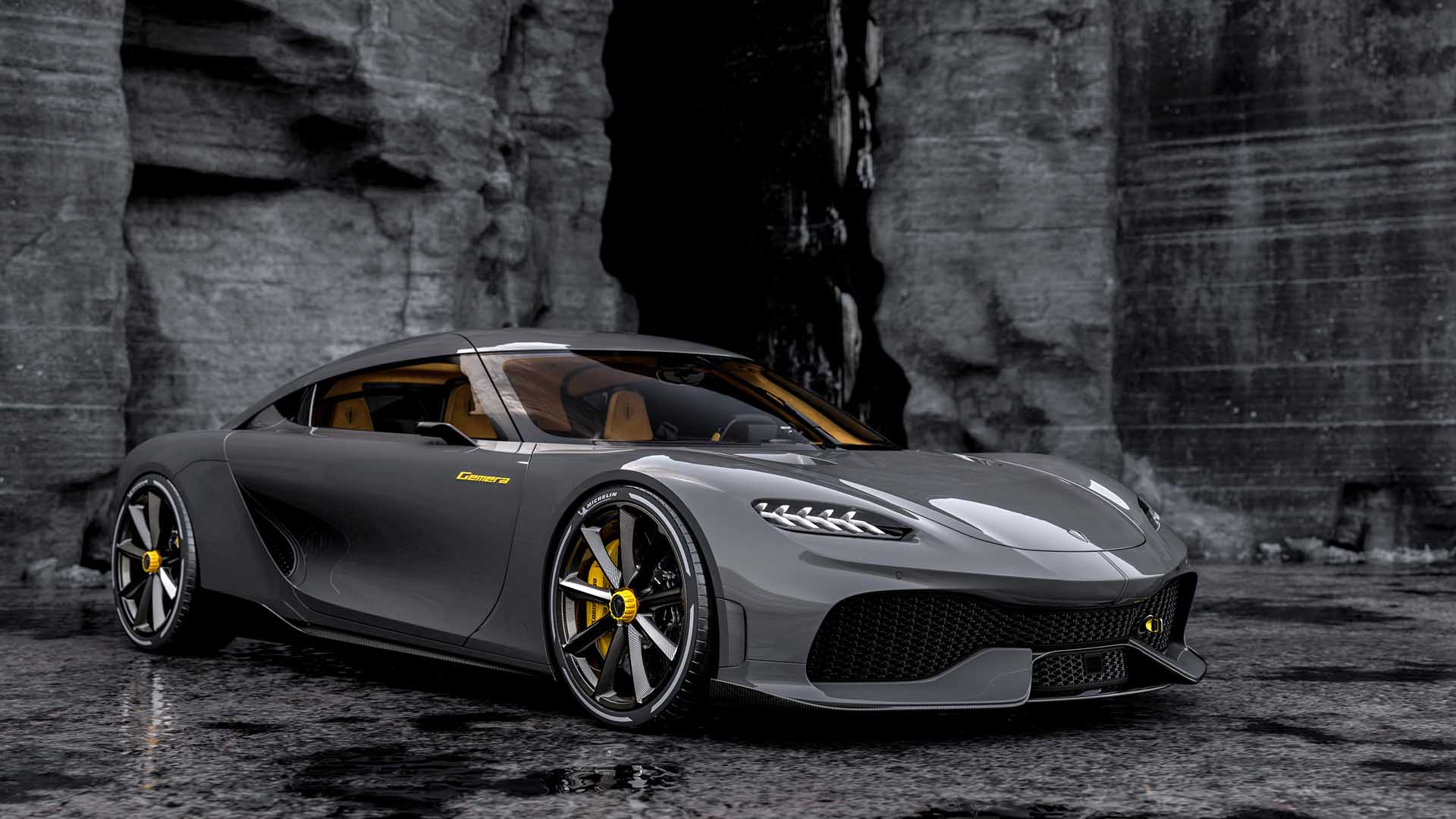
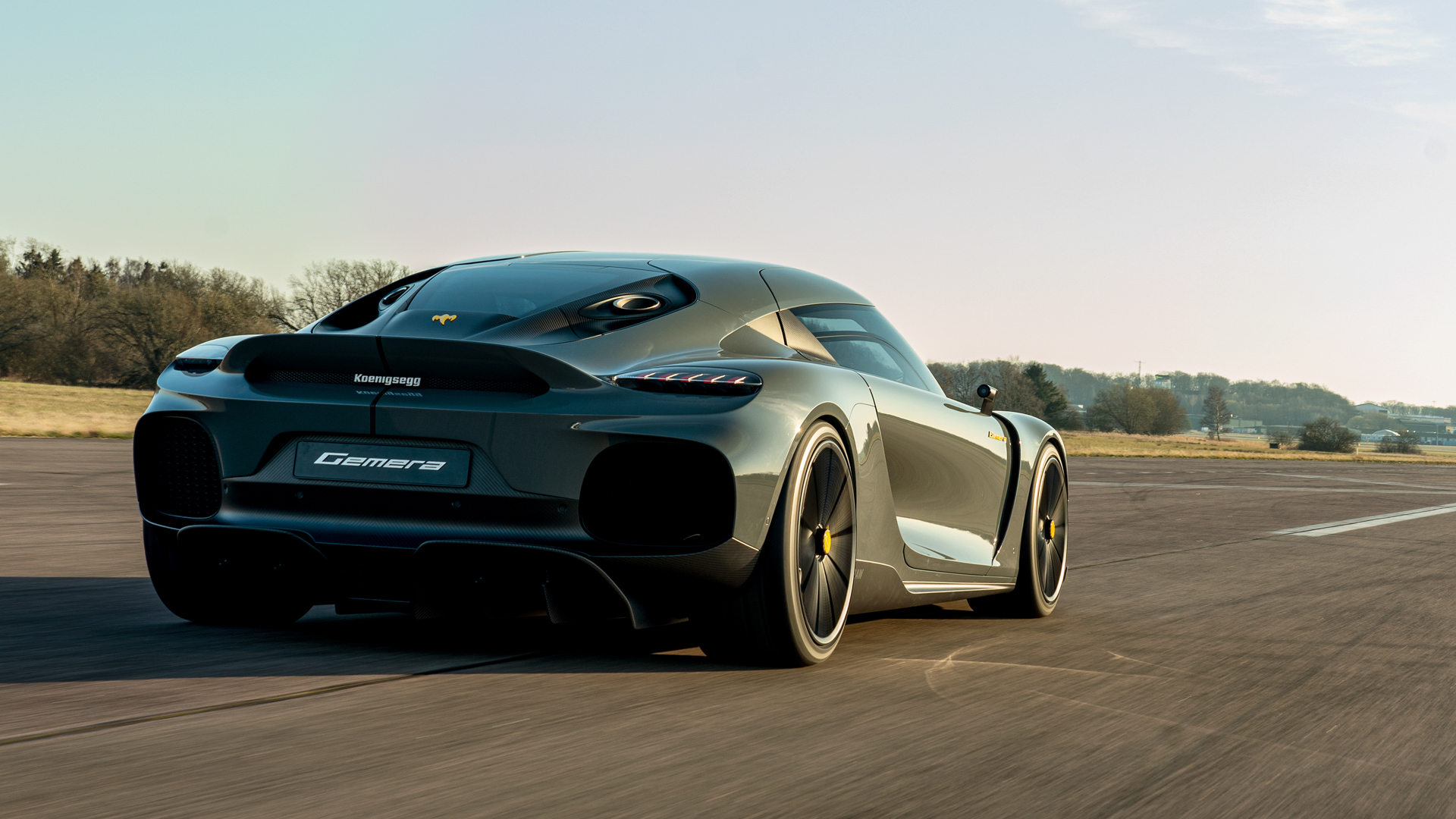
The Freevalve inline-three was, by any objective measure, a masterpiece. Its cylinders were physically larger than those in Koenigsegg's own V8, and the camless valve actuation allowed combustion control that no conventional engine could match. It formed the heart of the Gemera concept as originally revealed — a four-seat megacar with a small-displacement engine driving the front axle and electric motors filling the gaps. On paper, it was the most efficient path to absurd power ever devised. In the showroom, it was a catastrophe waiting to happen.
The Problem Was Never the Output
It was the count. A customer spending north of $2 million on a Koenigsegg expects a certain liturgy of excess: twelve cylinders, or at minimum eight, arranged in a configuration that sounds like a thunderstorm being strangled. A three-cylinder, no matter how cleverly it breathes or how violently it accelerates, carries the whiff of a hatchback. It is the engine of economy cars, of city runabouts, of rental fleets. No amount of Freevalve wizardry erases that association in the mind of a collector who also owns a Jesko and a CC850 and wants the third car to feel like a natural escalation.
Koenigsegg Listened
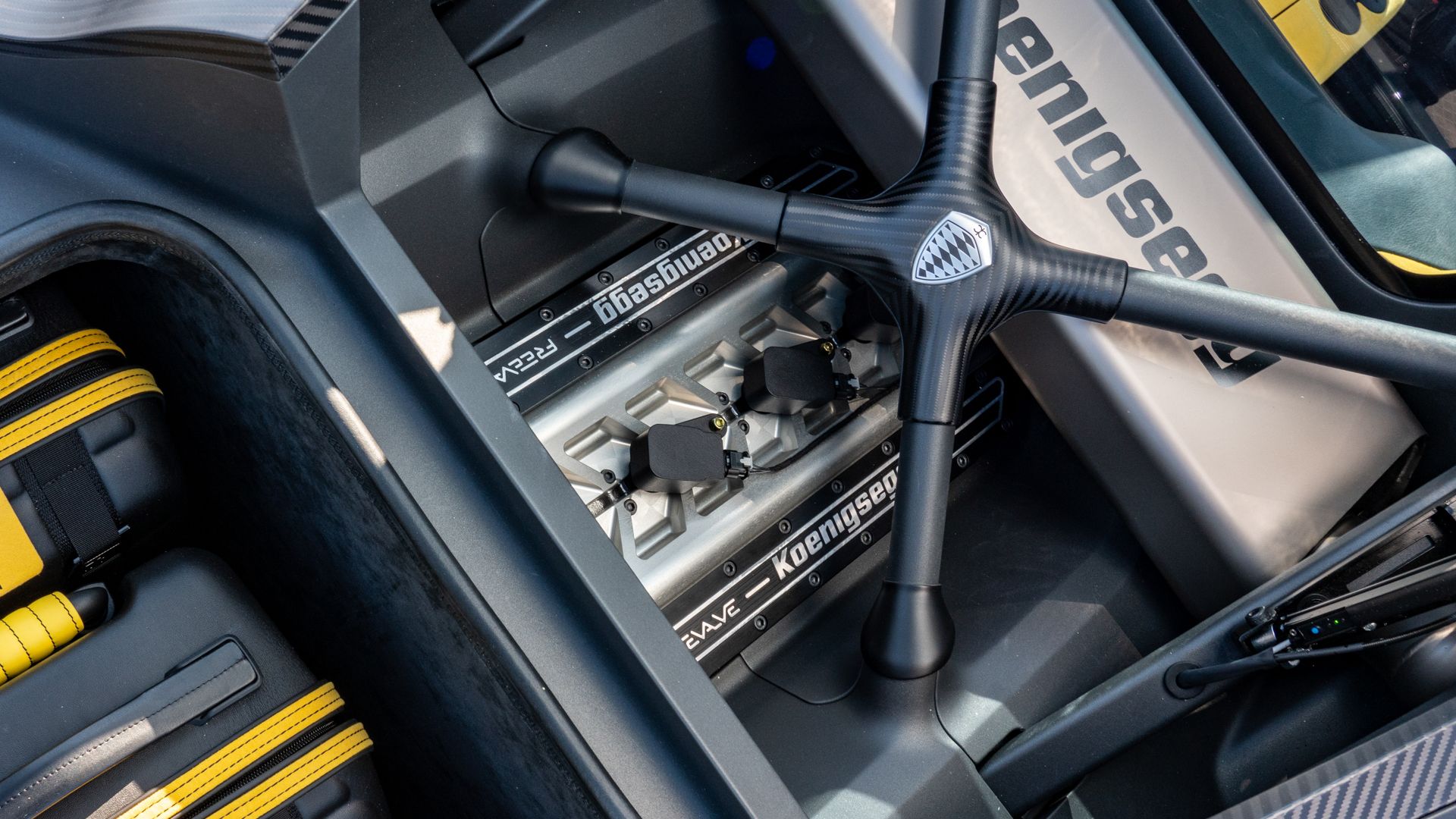
The production Gemera that eventually reached customers — including the first example that was infamously vandalised days after delivery — offered a twin-turbo V8 instead, with the three-cylinder relegated to the bin of brilliant ideas that the market simply refused to fund. It is a rare defeat for a company whose entire identity is built on refusing to compromise. The Jesko still shatters quarter-mile records, the CCGT1 channels a decades-old Le Mans dream into a 1,600-horsepower track weapon, and the Regera remains a fixture of Monterey Car Week convoys. Koenigsegg does not lose often. But here, the customer won.
Sensation Is Stubbornly Traditional
There is a lesson buried in this that extends well beyond Ängelholm. Hypercar buyers are not rational actors optimising for thermal efficiency or specific output per litre. They are curators of sensation, and sensation is stubbornly traditional. A W16 from Bugatti, a V12 from Lamborghini, a flat-six from Porsche — these are not just engineering choices but cultural signifiers, and the three-cylinder, however magnificent, carried the wrong flag into battle. Koenigsegg's engineers built the future and discovered that the future has a cylinder count, and it is not three.
The Great What-If
The shelved engine remains one of the great what-ifs of modern performance engineering — proof that Koenigsegg's ambition outruns even its customers' appetite for the unconventional. The company will keep pushing, because that is what it does, and the next radical idea is already on someone's whiteboard in Sweden. But the three-cylinder stands as a quiet monument to a truth the industry rarely admits aloud: sometimes the most advanced answer in the room is the one nobody wants to buy.