Koenigsegg has never been a company to let restraint get in the way of an idea. Since Christian von Koenigsegg founded the Swedish hypercar maker in 1994, it has spent three decades turning engineering improbabilities into production realities — the Freevalve camless engine, the Direct Drive transmission, the Light Speed Tourbillon gearbox. So when news emerged that the company had begun infusing real diamonds into its carbon fiber weave, the reaction among the faithful was less shock than weary recognition. Of course they did. Of course it costs more than a house. Of course it is, in some oblique way, technically justifiable.
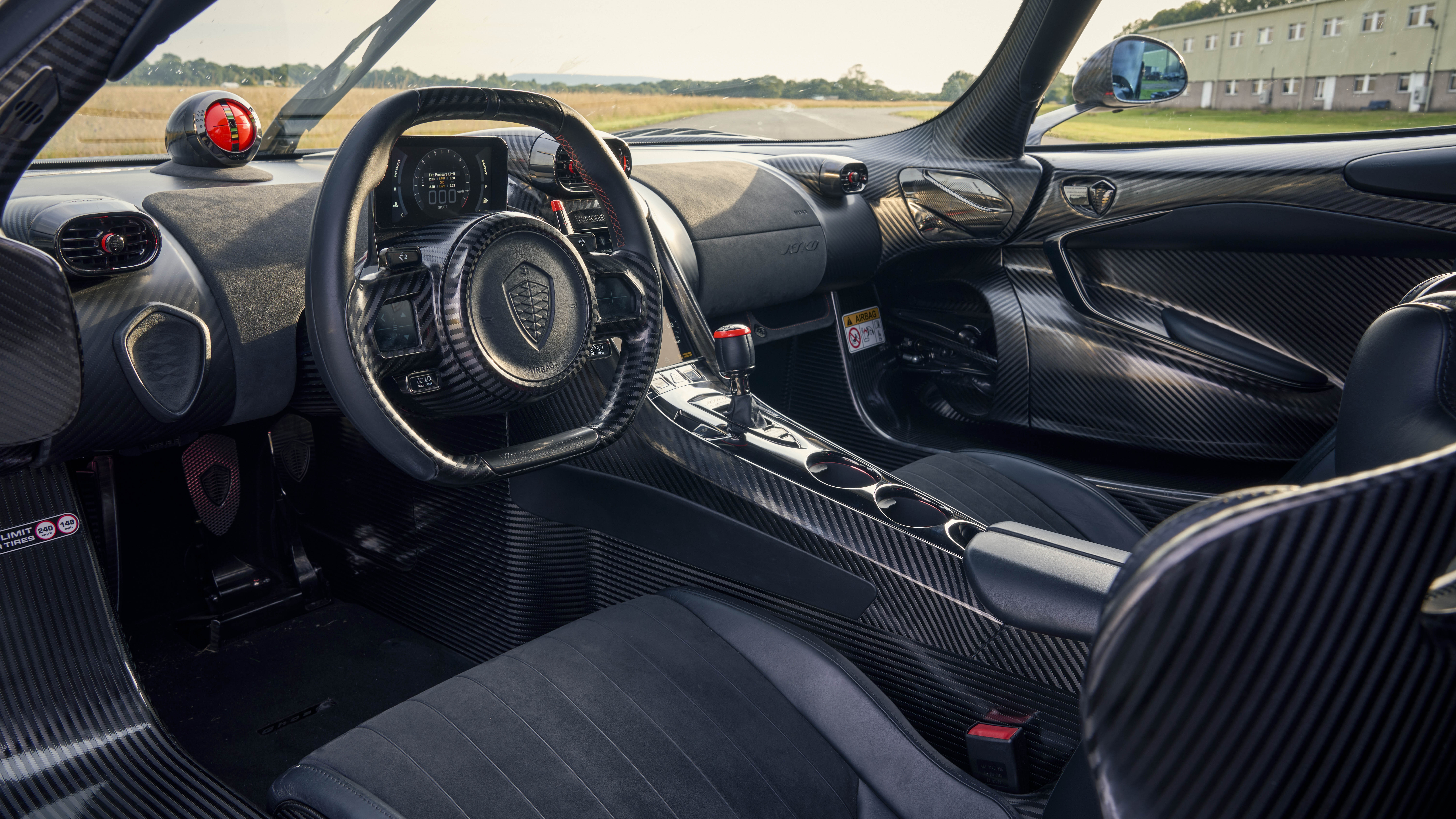
The process, developed in-house and reported by CarBuzz, embeds microscopic diamond particles into the resin matrix of the carbon fiber bodywork. Koenigsegg's engineers claim the diamonds improve thermal conductivity, dissipating heat more efficiently across stressed panels, and add a subtle refractive shimmer to the finish that no conventional lacquer can replicate. The result is a material that is simultaneously a structural component and a piece of jewellery — the automotive equivalent of setting a tourbillon movement into a cufflink. Whether the thermal gains are measurable in any meaningful driving scenario is almost beside the point. The point is that it exists, that it can be ordered, and that no rival currently offers it.
When Every Rival Hits 1,500 Horsepower
This is the luxury arms race in its purest form. For years, the hypercar elite has competed along a familiar axis: horsepower, downforce, Nürburgring lap times. Those battles still rage — the Jesko recently demolished production-car records for the quarter-mile and half-mile, and the new CCGT1, a 1,600-horsepower track weapon born from the ashes of Koenigsegg's abandoned Le Mans programme, has already sold all 70 units. But performance parity among the top tier has become so absolute that the differentiators must come from elsewhere. When every rival can crack 1,500 horsepower and sub-seven-minute laps, the battlefield shifts to materials, provenance, and the kind of details that exist purely to be described at dinner parties.
A Flex Executed With Real Technical Seriousness
Diamond-infused carbon fiber is not the first shot in this campaign, nor will it be the last. Bugatti has its own obsessive material science programme; Pagani weaves its own carbo-titanium and fits its interiors with exposed machined aluminium that would not look out of place in a Swiss atelier. But there is something uniquely Koenigsegg about this particular escalation. The company has always operated at the intersection of the rational and the absurd — genuinely revolutionary engineering wrapped in decisions that seem designed to provoke. A diamond-encrusted monocoque is both. It is a flex, but it is a flex executed with real technical seriousness, and that is the distinction that matters.
The Brand Has Never Been More Visible
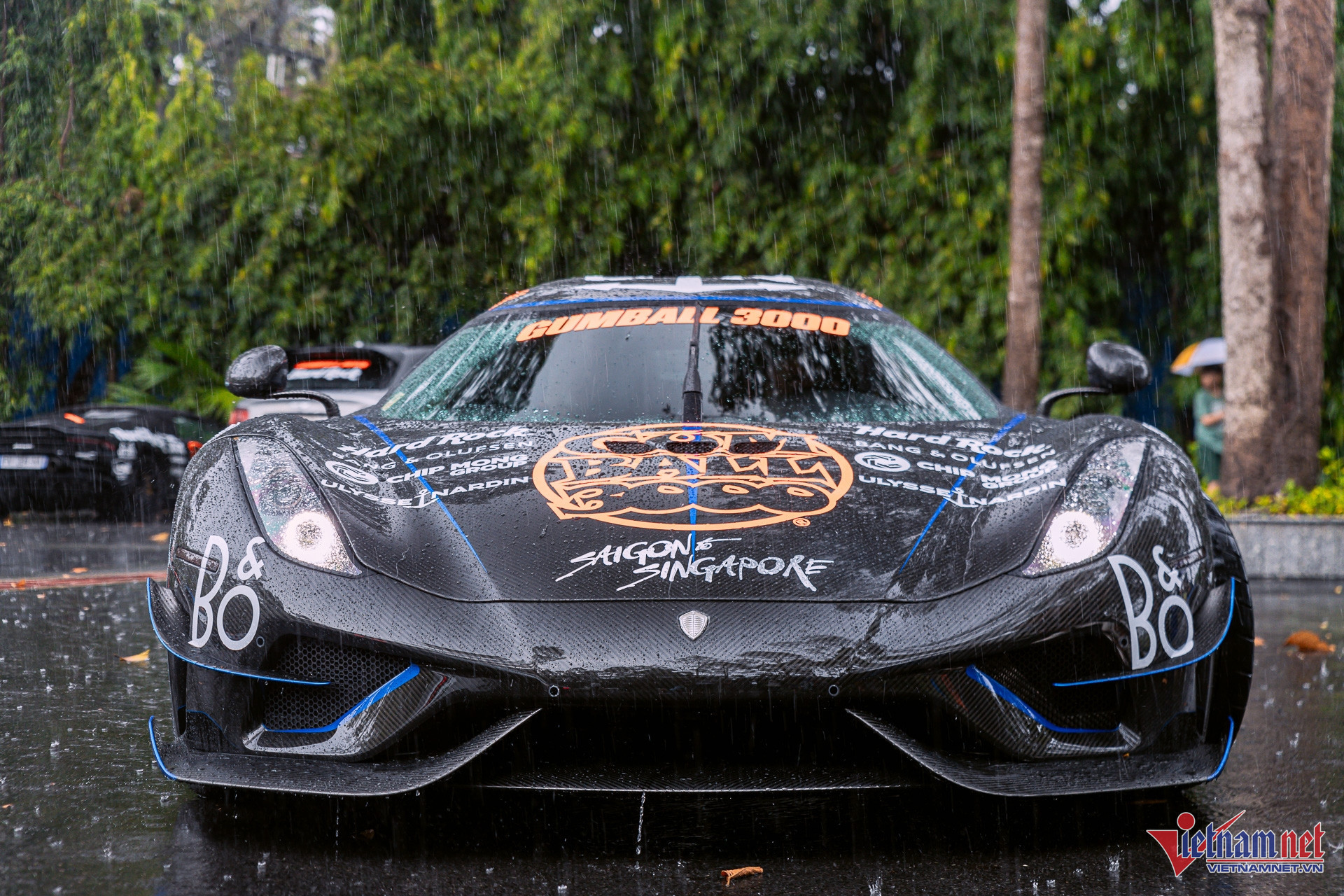
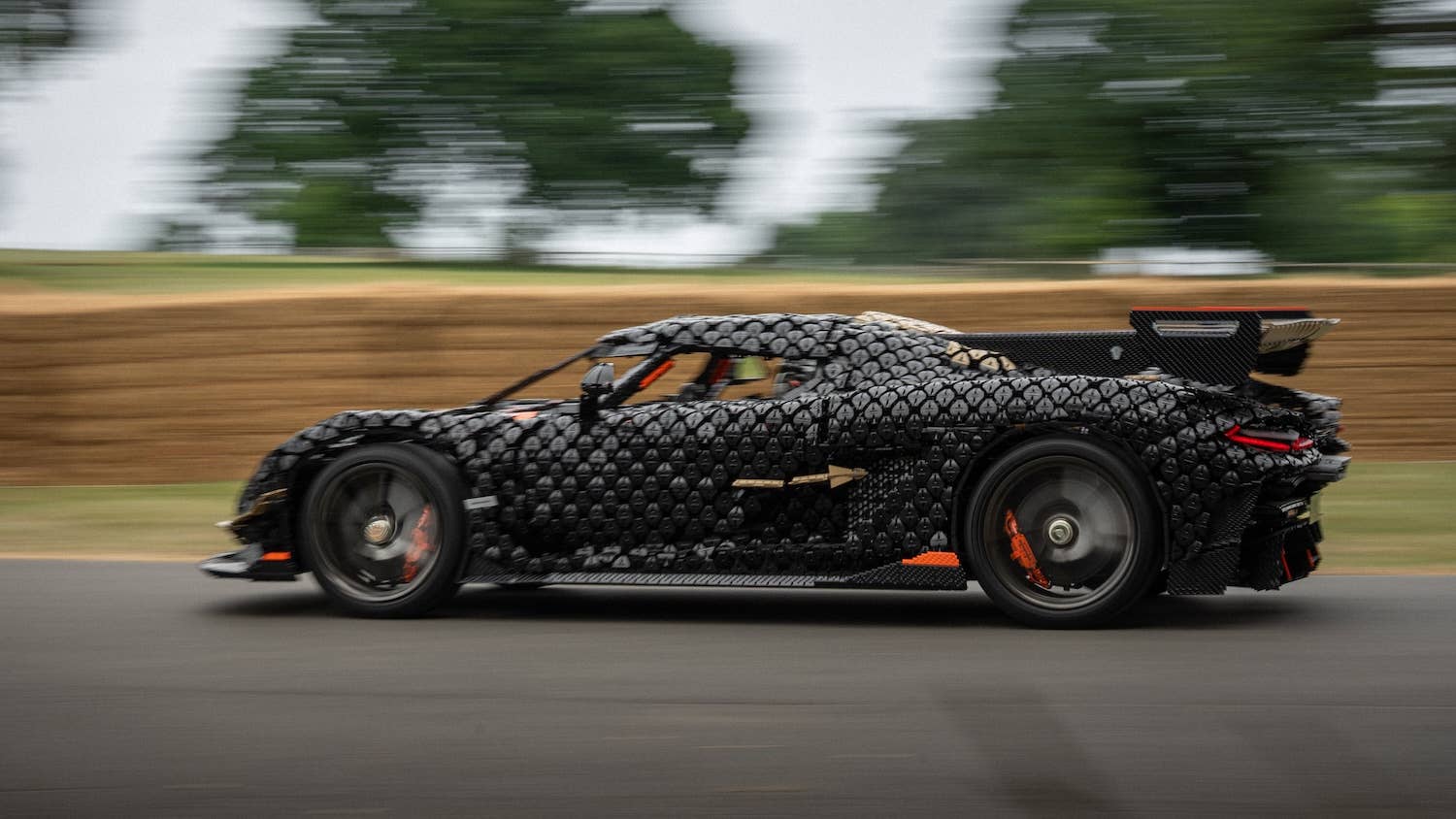
The timing is telling. Koenigsegg is in the midst of its most commercially aggressive phase yet. The Gemera, its four-seat megacar, is finally reaching customers — one of whom, regrettably, had their car vandalised with stones days after delivery. The Regera remains a fixture of the collector market, with T-Pain's example recently pulled over while leading a hypercar convoy to Monterey. A one-off CC XP 001 prototype has resurfaced at public events, and a unique commission is reportedly headed to auction with a $10 million estimate. Even a life-sized LEGO Koenigsegg has set a speed record up the Goodwood hill. The brand has never been more visible, and visibility demands differentiation.
Yet the diamond weave raises an uncomfortable question that the industry rarely confronts directly: at what point does material innovation stop serving the car and start serving the buyer's ego? Koenigsegg would argue, with some justification, that its customers demand the extraordinary and that no cost is too great for a genuine technical edge. The sceptic would counter that diamonds in resin are a solution in search of a problem — a flourish dressed as engineering. Both positions are defensible, and neither will be settled by argument. The market will decide, as it always does, and the order books will reveal whether the world wanted diamond-infused carbon fiber or merely tolerated it.
What is certain is that Koenigsegg will keep pushing. The company's history suggests it cannot do otherwise. Every few years it produces something that makes the rest of the industry look conservative, and every few years the rest of the industry quietly follows. Diamond carbon may prove to be the same. Or it may prove to be the moment the arms race finally outran its audience. Either way, it will be fascinating to watch — preferably from a safe distance, and certainly not from behind the wheel of anything with a lesser weave.