Every few months, another manufacturer rents the Nürburgring, strips a car to its carbon skeleton, and waits for the stopwatch to justify the marketing budget. The headlines write themselves. The hypercar world has decided that 12.9 miles of German tarmac in the Eifel mountains is the only currency of credibility that matters, and it spends accordingly. Then Koenigsegg unveiled the CCGT1, and quietly changed the conversation.
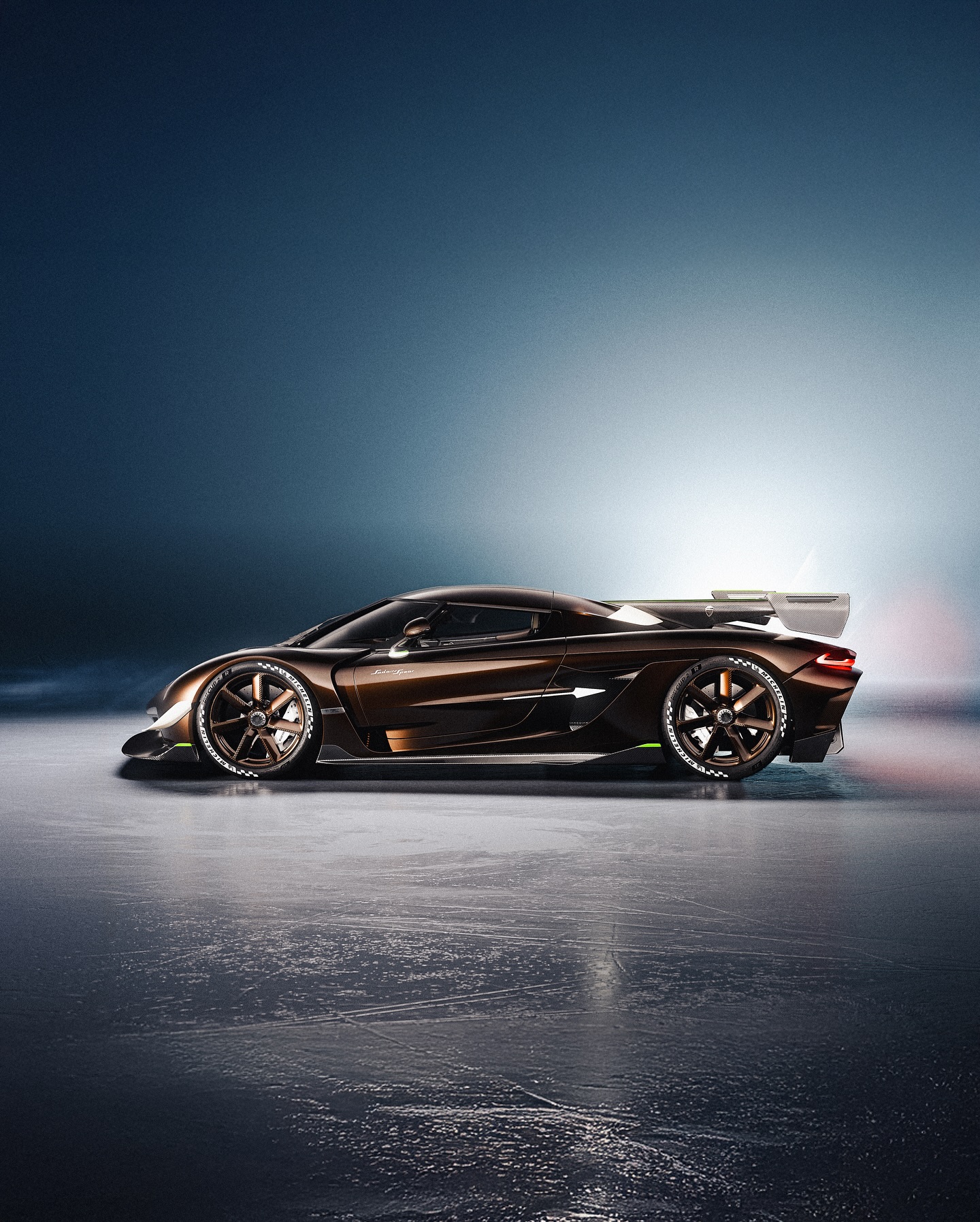
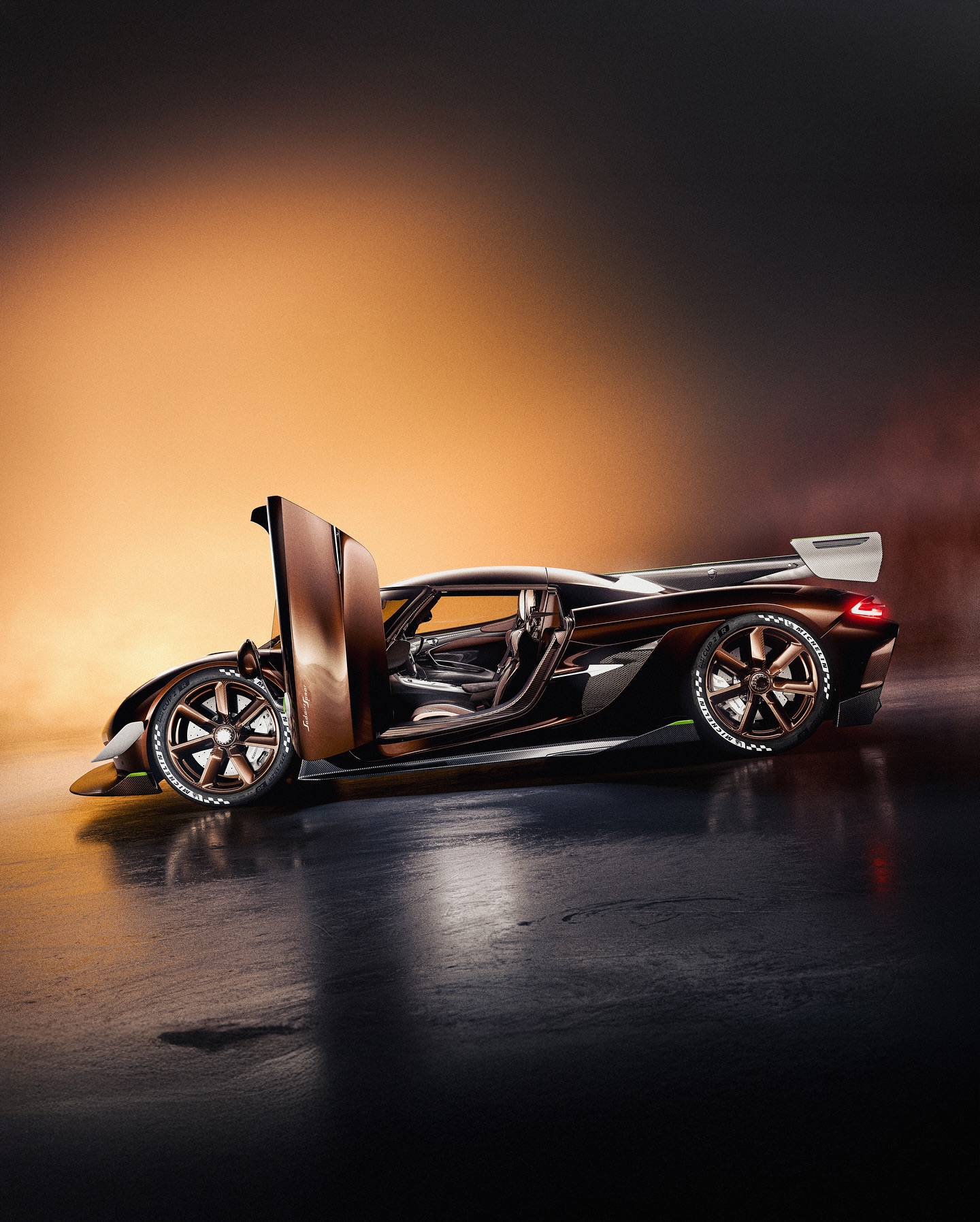
Here is a 1,600-horsepower track weapon that stands as the most performant machine the Ängelholm factory has ever built — and it did not arrive chasing a number. It arrived chasing a ghost. The CCGT1 reaches back through Koenigsegg's own history and pulls forward a dream that has been dormant for two decades, and in doing so it reminds us what a hypercar is actually for.
The Race That Never Happened
In 2007, Koenigsegg built the original CCGT, a car designed to contest the GT1 class at Le Mans under the ACO's evolving regulations. It never raced. The rules shifted, the class collapsed, and the CCGT became one of the great what-ifs of modern motorsport — a machine with a racing heart and nowhere to prove it. Christian von Koenigsegg has never hidden his desire to see his cars at La Sarthe. The CCGT1 is that desire made tangible again, wrapped in a body that honours the original while carrying the company's most advanced aerodynamic and powertrain thinking.
That word — tribute — matters. This is not a nostalgia exercise with a heritage paint option. It is a statement of intent about what a car company believes it is for.
A Data Point Versus a Statement
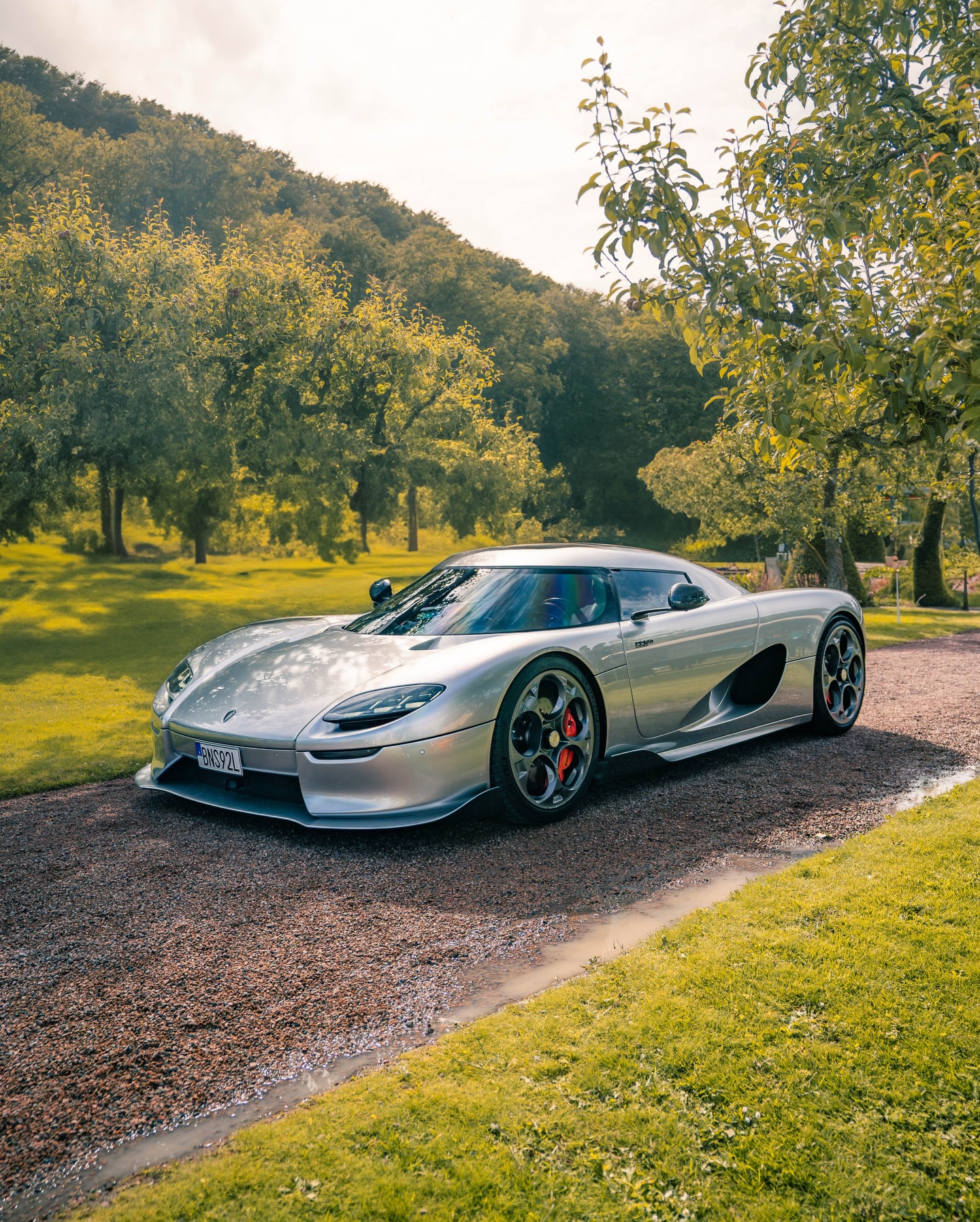
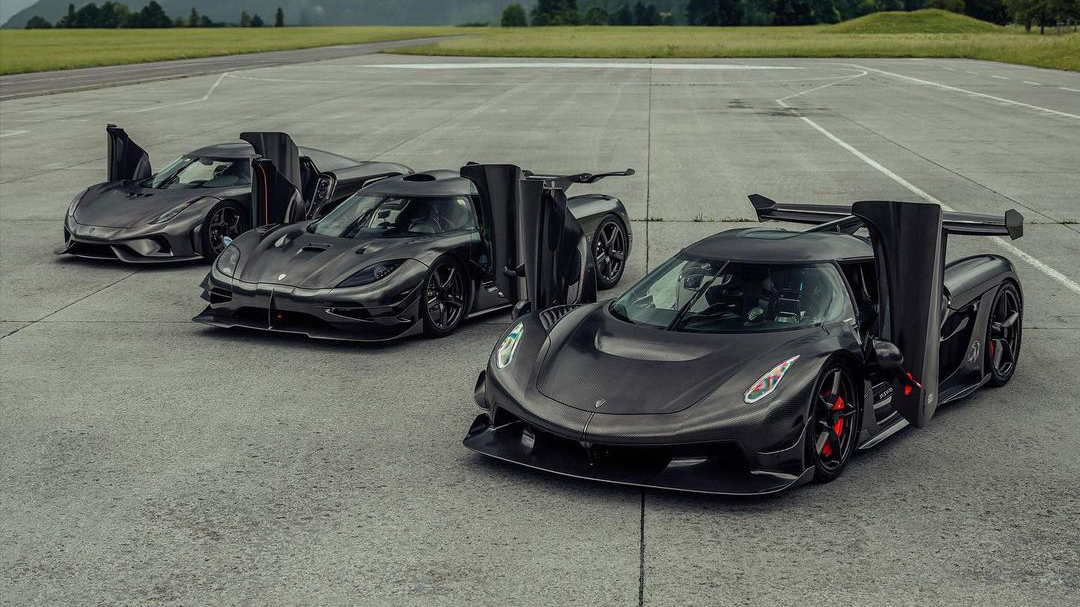
A Nürburgring time is a data point. A Le Mans tribute is an argument. Koenigsegg has spent three decades building road cars that outperform dedicated racing machines, and the evidence sits in plain sight. The Regera — still fetching astonishing money at auction, with examples heading to Mecum's first Nashville sale carrying seven-figure option lists and no conventional gearbox at all — exists to demonstrate what is possible. The Gemera, the four-seat megacar that has already become a collector's item before most customers have taken delivery, does the same. These are engineering manifestos disguised as transport.
The CCGT1 belongs to that lineage, but it aims somewhere different. It is not competing with the latest American upstart attacking the Nürburgring, or the next virtual concept rendered by a design student. It is competing with Koenigsegg's own history — and with the version of itself that never got to race at Le Mans.
Corporate Memory as a Design Brief
There is a cultural argument here that lap times cannot touch. The original CCGT is part of Koenigsegg's founding mythology, alongside the CC8S and the CCR that famously dethroned the McLaren F1's top-speed record. Reviving that nameplate is an act of corporate memory. It is a reminder that Koenigsegg's ambitions were always bigger than the niche it occupies, that the company was never content to be a curiosity for the wealthy.
Design language, in this reading, becomes autobiography. The CCGT1's forms are not shaped solely by wind tunnels and downforce targets; they are shaped by a two-decade-old grudge. That is a rarer engineering motivation than a sector time, and a more interesting one.
The Anchor in the Noise
The timing is telling. Koenigsegg's road cars are more visible than ever: a Regera photographed for Robb Report, a life-sized LEGO Sadair's Spear setting speed records up the Goodwood hill, T-Pain getting pulled over in a $3 million machine, and the unhappy news of the first customer Gemera being vandalised outside a luxury hotel in Denmark. The brand is now a fixture of pop culture as much as motorsport.
In that context, the CCGT1 functions as an anchor. Beneath the celebrity owners, the auction headlines, and the LEGO replicas, Koenigsegg is a company that builds cars because it wants to win races it has never been allowed to enter. The CCGT1 makes that ambition visible again, and it does so without a single lap-time graphic.
That is the difference between a lap record and a legacy. Nürburgring rivals will come and go, and the leaderboards will be rewritten every season. But the CCGT1 carries something a stopwatch cannot measure: the weight of an unfinished story, and the promise that Koenigsegg has not given up on finishing it.