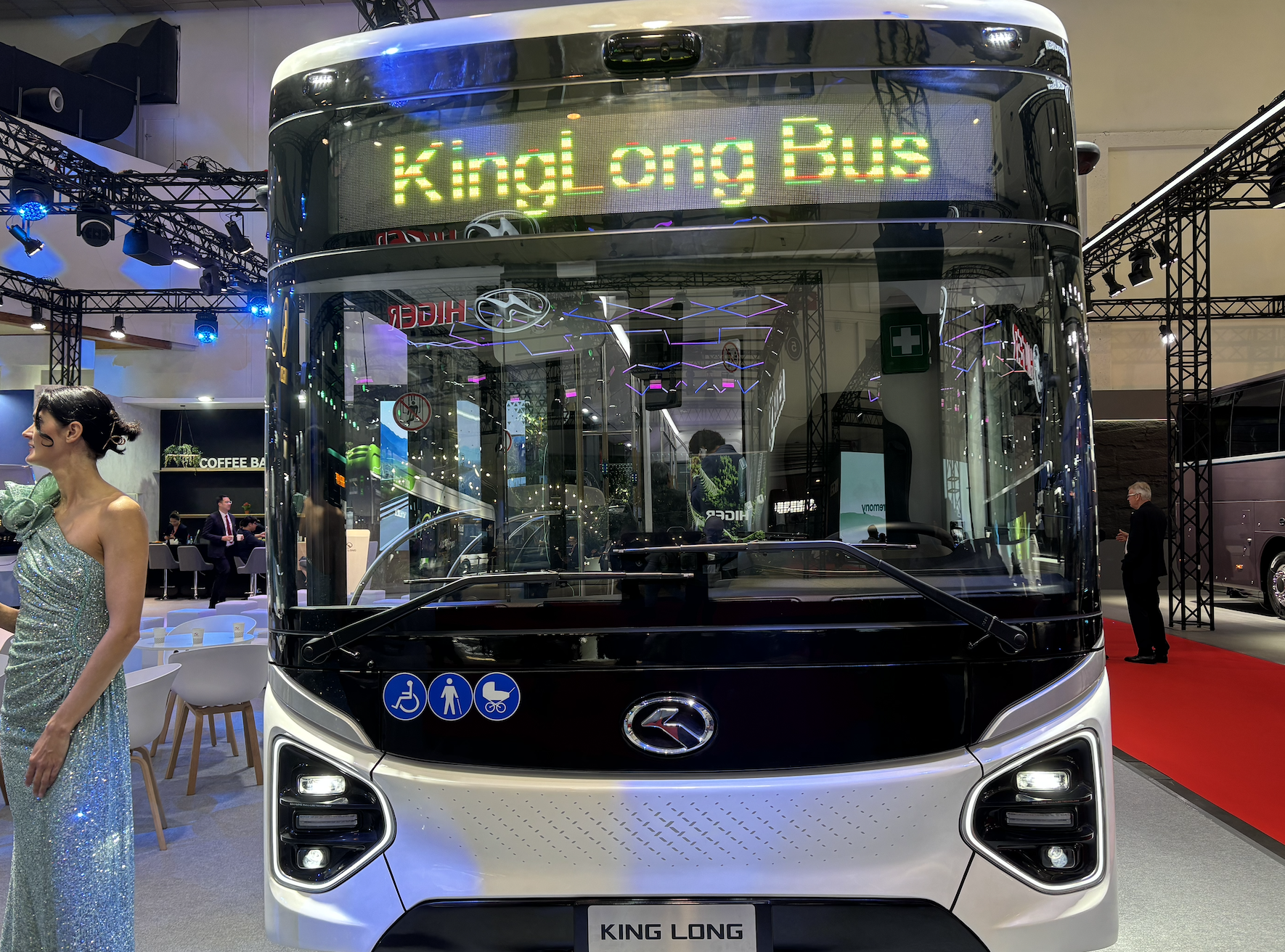
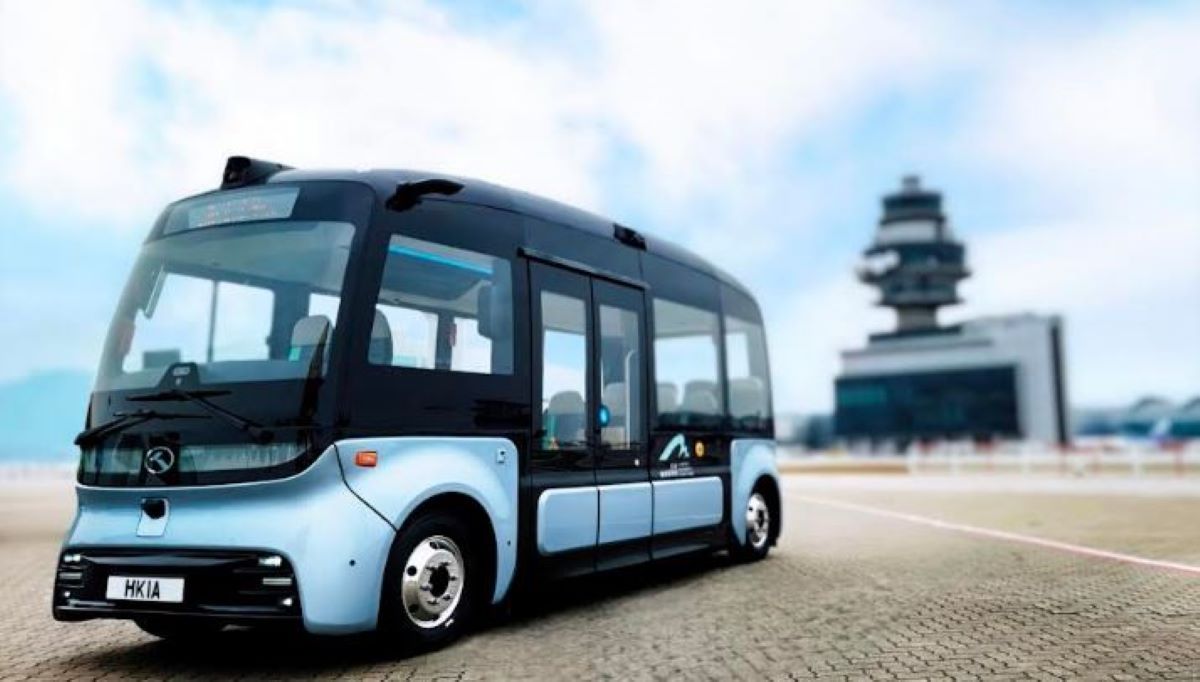
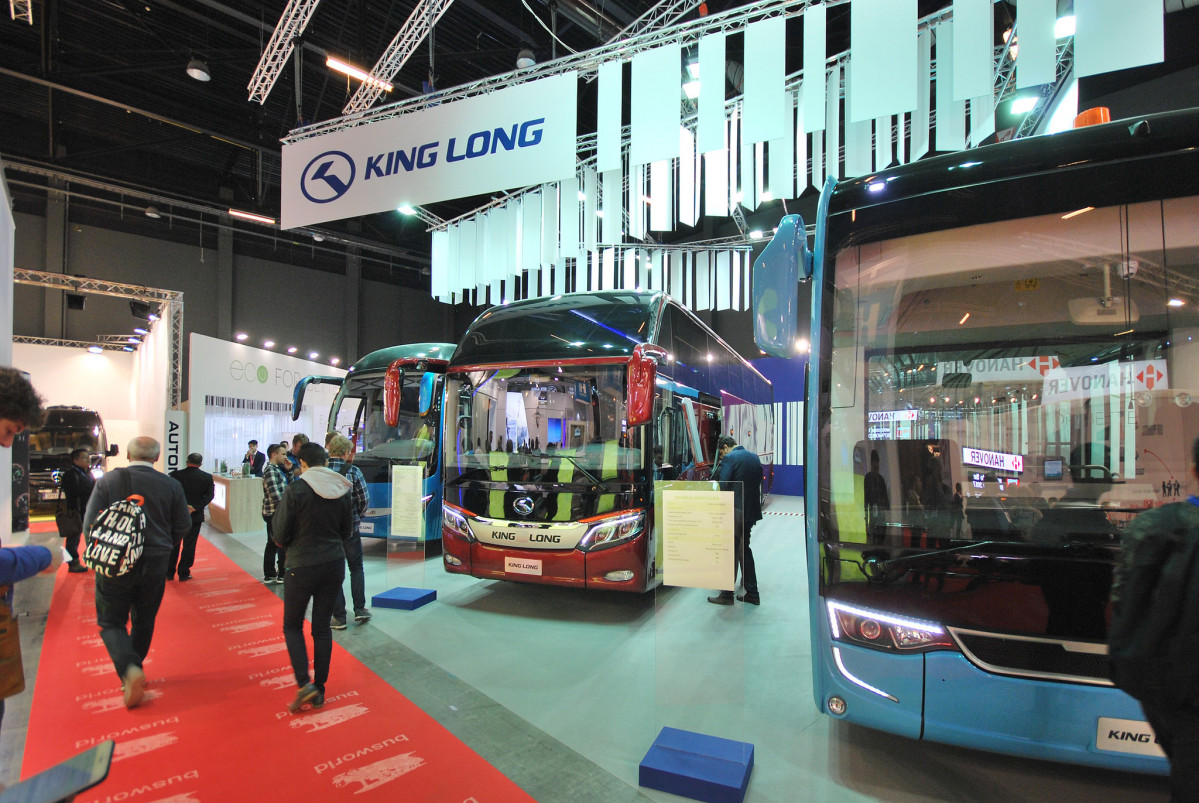
King Long Motor built its reputation the hard way — not in glitzy showrooms, but in the daily grind of municipal transit, intercity coach work, and fleet contracts stretching from Xiamen to Lagos. The company's buses and coaches are genuinely respected machines, workhorses that have earned their keep across Asia, Africa, and Latin America. In the commercial vehicle world, the King Long badge carries real weight.
In the passenger car world, it does not. And the latest production figures make that uncomfortable truth impossible to ignore. According to recent reporting, King Long's production rose 16% even as sales fell 6% — a divergence that ought to alarm anyone who understands what happens when a manufacturer builds more than the market will absorb.
When Factories Outrun the Showroom
This is the sedan paradox in its purest form. King Long can clearly build cars. Its factories hum with the kind of efficiency that comes from decades of assembling complex vehicles at scale. But building a sedan and selling a sedan are two entirely different competencies, separated by the chasm of brand equity, consumer trust, and showroom appeal.
In the passenger car segment, King Long is not competing against other bus makers. It is competing against Toyota, Volkswagen, Geely, BYD, and a legion of domestic rivals who have spent years cultivating the kind of emotional connection with buyers that King Long has simply never possessed. That is not a gap you close with production capacity. It is a gap you close with decades of brand-building, or not at all.
The B2B DNA Problem
The problem is partly historical. King Long made its name in fleet sales, where purchasing decisions are driven by procurement officers evaluating total cost of ownership — not by individuals seduced by a sleek roofline. That B2B DNA does not transfer easily to the consumer market.
A family shopping for a mid-size sedan does not ask whether the manufacturer has a strong track record in municipal transit contracts. They ask whether the car looks good in the driveway, whether the badge carries any prestige, and whether the dealer network will still exist in five years. On all three counts, King Long's sedans fight an uphill battle. The engineering may be sound. The emotional case for buying one is not.
Inventory Is Not Demand
Then there is the inventory question. When production climbs while sales decline, the surplus does not evaporate. It accumulates — on factory lots, in dealer stockyards, in the balance sheets of distributors who must eventually discount heavily to move metal.
That discounting erodes margins, cheapens the brand further, and creates a vicious cycle in which the only way to sell a King Long sedan is to make it cheaper than it ought to be. A brand that competes solely on price in the passenger car segment is a brand that has already conceded the argument. You cannot discount your way to desirability, and you cannot build your way to demand.
The Cost of Looking Away
There is also the matter of focus. King Long's core strength — buses and coaches — remains a genuinely valuable franchise. The company has exported these vehicles across Asia, Africa, and Latin America, building a reputation for durability and value in markets where its name carries real weight.
Every yuan and every engineering hour poured into sedans is a yuan and an hour not spent defending or extending that commercial vehicle leadership. The opportunity cost is not theoretical. It is measured in lost contracts, deferred innovation, and strategic drift. While King Long chases a consumer market that has not yet decided it wants the product, its rivals in the commercial space are not standing still.
None of this means King Long should abandon passenger cars entirely. Diversification is a legitimate ambition, and the Chinese domestic market remains the largest in the world. But the current trajectory — producing more while selling less — is not diversification. It is accumulation. It is a manufacturer mistaking output for demand, confusing capacity with competitiveness. The 16% production increase is a statement of industrial confidence. The 6% sales decline is the market's reply.
For King Long to escape the paradox, it must either commit fully to the consumer market with the design, marketing, and dealer investment that requires — or it must retreat to the commercial vehicle arena where its name still means something. What it cannot do is continue building sedans that fewer and fewer people want to buy. Production statistics are not a strategy. They are a warning.
The company's automotive philosophy was built on moving people reliably, at scale, in vehicles that earned trust through service rather than style. That is not a weakness. It is a foundation. The question is whether King Long remembers what it is actually good at — or whether it keeps building sedans for a market that has already looked elsewhere.