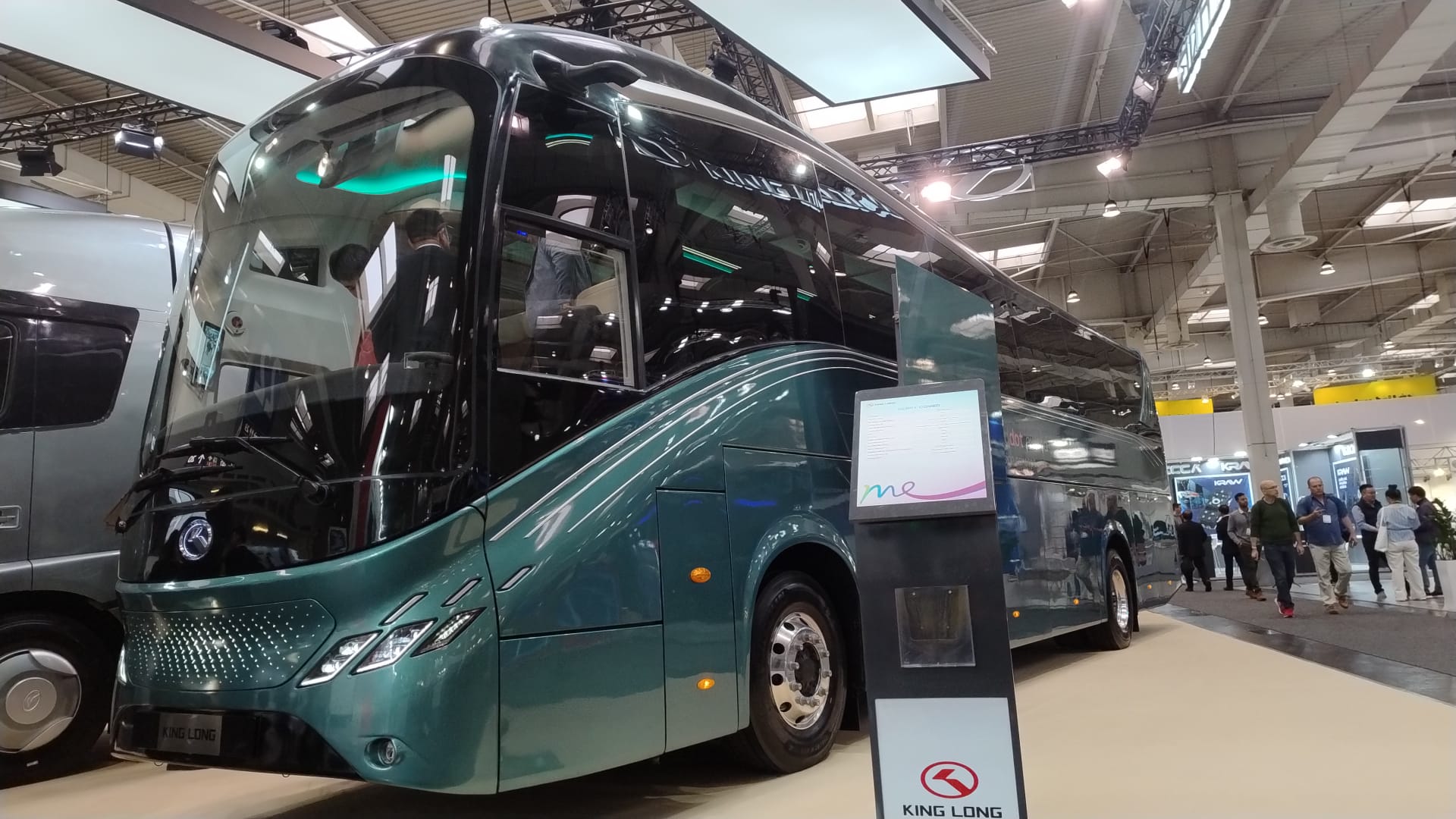
For decades, the name King Long has been synonymous with the utilitarian hum of municipal bus fleets and the disciplined rows of coaches parked at Chinese transport hubs. The Xiamen-based manufacturer built its formidable reputation—and its staggering production volume—on the backs of vehicles designed to move dozens, not individuals. So when whispers began circulating about a King Long sedan, the automotive world had every right to raise an eyebrow. This is, after all, a company whose identity is welded to the commercial vehicle sector, a world governed by logistics, route efficiency, and the relentless pursuit of cost-per-kilometer. Yet the recent half-year earnings report from Xiamen King Long Motor Group hints at something more than a mere accounting blip; it signals a strategic recalibration that could redefine the company's DNA. The pivot from buses to electric passenger cars is not an abandonment of heritage, but rather a calculated evolution, a quiet revolution happening not with fanfare, but with the methodical precision of a supply chain manager.
Why a Bus Builder Is Building a Sedan
The logic is as compelling as it is understated. The global commercial vehicle market, while robust, is cyclical and heavily dependent on government infrastructure spending and tourism trends. The passenger car market, particularly the electric vehicle segment, offers a different kind of promise: exponential growth, consumer brand loyalty, and a direct line to the future of personal mobility. King Long is not entering this arena blindly. It is leveraging its decades of expertise in electric drivetrains, battery management, and large-scale manufacturing to build a sedan that borrows from its commercial DNA.
The result is a vehicle that prioritizes durability and efficiency over flashy performance—a sedan that feels less like a sports car and more like a well-engineered piece of machinery designed to outlast the mortgage on your house. This is the King Long way: build it stout, build it reliable, and let the numbers speak for themselves.
The financial results for the half year ending June 30, 2026, while not splashed across global headlines, reveal the initial fruits of this strategy. There is a discernible shift in revenue streams, with a growing percentage attributable to new-energy passenger vehicles. It is a slow burn, but a deliberate one. Analysts who track the group note that the company is not chasing the premium end of the market. Instead, King Long is targeting the "value-electric" segment—the space occupied by buyers who want the benefits of electric ownership without the luxury price tag. This is a shrewd move, especially in emerging markets and domestic Chinese cities where the brand already enjoys high recognition from its bus operations. If a city trusts King Long to safely transport its citizens in a 12-meter coach, the argument goes, surely it can trust the brand for a five-meter family car.
Engineering Without the Baggage
What makes this pivot so fascinating is the engineering philosophy at its core. Unlike legacy automakers transitioning from internal combustion engines, King Long is not burdened by the legacy of a piston-driven past. Its electric architecture is native, born from the rigorous demands of public transport where uptime is non-negotiable. The sedan's battery system, for instance, is designed with the same thermal management principles used in their long-haul coaches, ensuring consistent performance in extreme climates.
The cabin, too, reflects a commercial sensibility—spacious, ergonomic, and built with materials chosen for their resilience rather than their opulence. It is an honest car, one that doesn't pretend to be something it isn't. In an era of gimmicky touchscreens and over-the-air theatrics, the King Long sedan offers a refreshingly analogue sense of purpose, even as the electric motor whirs silently beneath the hood.
Behind the wheel, this philosophy translates into a driving experience that prioritizes composure over drama. The chassis tuning borrows from the same playbook that keeps a fully loaded coach stable at highway speeds—planted, predictable, and reassuringly solid. It's not the kind of car that will set your pulse racing on a mountain pass, but it's the kind of car that makes a 400-kilometer commute feel like a minor inconvenience rather than a test of endurance. In a market saturated with EVs promising ludicrous acceleration figures, there's something quietly subversive about a sedan that simply wants to get you there, every time, without fuss.
The Quiet Disruption
The broader implications for the industry are significant. As the traditional automotive giants grapple with supply chain complexities and the transition to EVs, a company like King Long represents a new wave of competitors—those who mastered the art of electrification in the commercial sector and are now applying those lessons to the consumer market. They are not bound by the historical prestige of a badge; they are bound by the efficacy of their engineering.
The recent news cycle, filled with unrelated "King" and "Long" headlines from sports to literature, serves as a humorous reminder of how little mainstream attention this pivot is receiving. But in the quiet corners of the Chinese automotive industry, where manufacturing muscle matters more than marketing bravado, the King Long sedan is a testament to the fact that the most profound changes often happen away from the spotlight.
The Road Ahead
King Long isn't reinventing the wheel—or the sedan, for that matter. What it's doing is far more interesting: it's applying the hard-won lessons of moving millions of people efficiently and reliably to the personal mobility space. The company is not so much abandoning the bus as it is building a bridge from the depot to the driveway, one efficient, durable, and unassuming sedan at a time. In an industry obsessed with the next gimmick, there's a certain poetry in a manufacturer that simply builds things to last, trusts its engineering, and lets the numbers speak for themselves. That's not just a pivot; that's a philosophy.