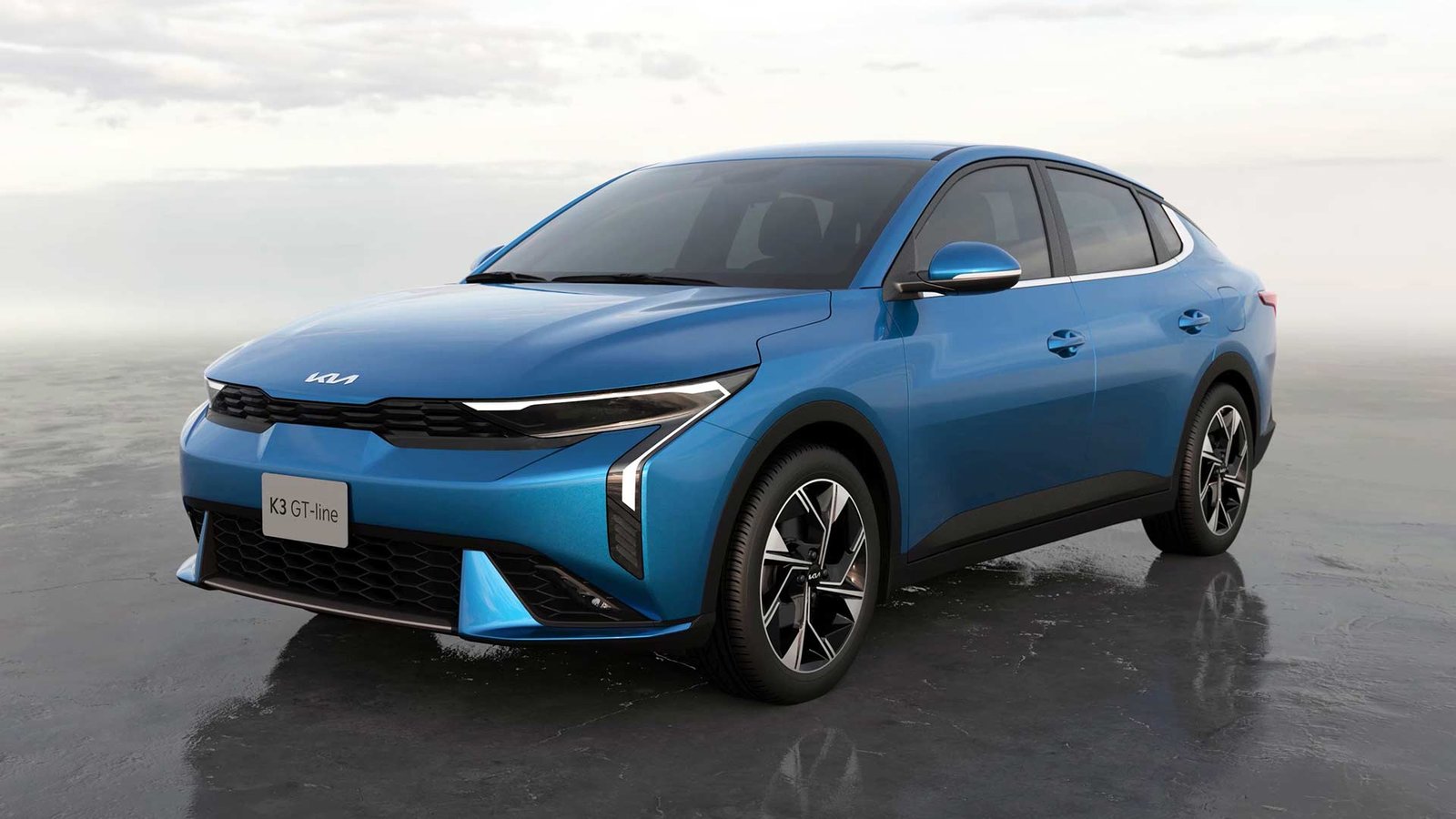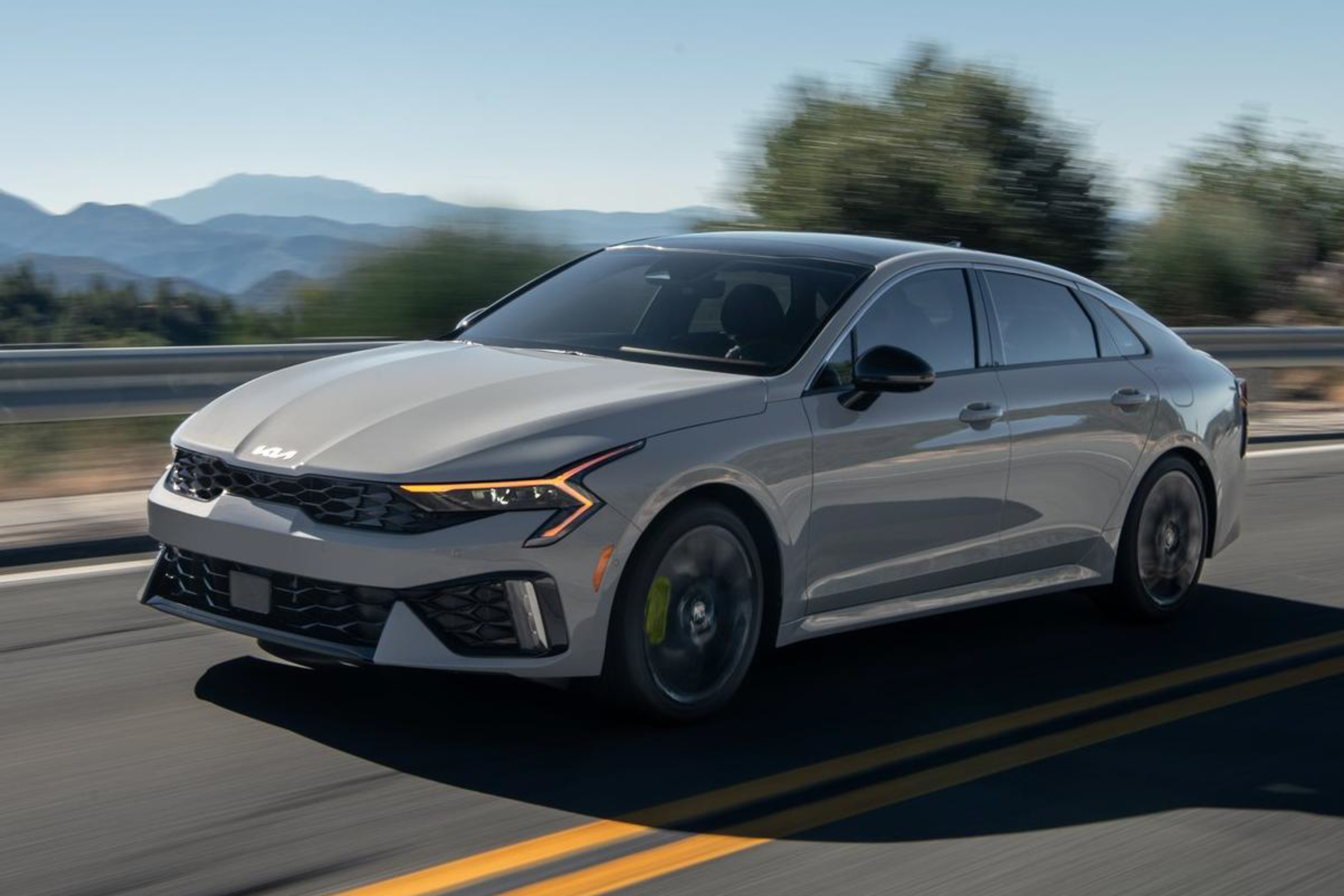
For decades, the premium sedan hierarchy seemed as immovable as the Alps themselves. If you wanted a compact executive car with impeccable build quality and a three-pointed star or a blue-and-white roundel on the nose, you paid the premium and accepted the occasional electrical gremlin as part of the experience. That assumption has now been shattered—not by a dramatic styling revolution or a headline-grabbing performance benchmark, but by the cold, statistical authority of JD Power. The latest quality rankings have delivered a verdict that would have been unthinkable a generation ago: Kia sedans are not just matching their German rivals—they are beating them at their own game, and doing so with a consistency that should send shivers through Stuttgart and Munich.
The data confirms what those who have been paying attention already suspected. When JD Power measures problems per 100 vehicles (PP100) across the first 90 days of ownership, the names at the top are no longer the usual suspects from Germany. Instead, it is the Kia K5 and the compact Kia Forte that are posting figures that put the BMW 3 Series and the Audi A4 to shame. This isn't about a fluke year or a statistical anomaly. It is the culmination of a decade-long industrial strategy that has prioritised manufacturing precision and quality control over the perceived prestige of a heritage badge. The result is a product that feels tighter, more cohesive, and fundamentally more reliable than the often-overengineered offerings from the Fatherland.
The Engineering of the Mundane
What makes this victory so significant is the context. The news cycle surrounding Kia is currently dominated by the flamboyant—the striking new 2027 Seltos with its redesigned front fascia, or the spy shots of the 2028 Sportage looking increasingly like a muscular Telluride. Yet the real story of Kia's ascension is found in the unglamorous details: the consistent panel gaps, the switchgear that clicks with tactile confidence, and the infotainment systems that don't freeze on a cold morning. This is the engineering of the mundane, executed flawlessly.
While German brands have been distracted by the complexities of electric architecture and the battle for digital supremacy, Kia has been perfecting the fundamentals. The K4 Turbo hatch, recently praised as the small car most people actually need, is a testament to this approach—it offers driving engagement and practicality without sacrificing the rock-solid dependability that now defines the brand's DNA. It's the kind of car you stop thinking about, not because it's forgettable, but because it simply does its job without drama. And in the premium segment, that quiet competence is becoming the rarest commodity of all.
The Shifting Calculus of Ownership
The irony is that the German automakers have long dismissed such quality metrics as the domain of appliance-like vehicles. "Driving dynamics," they argue, "cannot be measured by a survey." There is some truth to that—a BMW still offers a rear-wheel-drive balance and steering feel that few Koreans can replicate. But the modern consumer is savvier than the marketing departments give them credit for. They understand that the cost of ownership extends far beyond the showroom floor.
When the warranty expires, and the first major repair bill arrives, the calculus shifts. Kia's industry-leading warranty has always been a safety net, but the JD Power results prove that the safety net is rarely needed. The sedans simply do not break, and that reliability is a luxury feature that trumps any badge. The enthusiast press loves to talk about throttle response and chassis balance—and rightly so—but the average buyer is increasingly doing the math on depreciation curves and scheduled maintenance intervals. On that spreadsheet, Kia's advantage is devastating.
The Sedan Segment's Psychological Blow
Furthermore, the quality gains are not isolated to the budget-friendly end of the spectrum. The 2027 Telluride, which continues to ace IIHS safety tests and flourish in its flagship role, demonstrates that the same discipline applies to their larger, profit-heavy vehicles. But it is the sedan segment where the psychological damage to the Germans is most acute. The 3 Series has long been the entry-level gateway to the BMW brand, a car purchased as much for its status as its agility.
When a Kia K5 GT-Line offers comparable daily comfort, superior standard equipment, and a JD Power score that embarrasses the Munich product, the rational argument for the premium badge collapses. It leaves only vanity, and vanity is a shrinking market in an era of economic uncertainty. The K5 doesn't just undercut the competition on price—it undermines the very premise that a premium badge justifies a premium outlay.
The New Battleground
The new 2026 Kia Niro Hybrid battery replacement costs and the upcoming PV7 electric van show that Kia is not resting on its laurels, but the core lesson of the JD Power triumph is about consistency. Kia has achieved what Toyota achieved decades ago, but with far more stylish packaging. The German response will inevitably be to cite their superior autobahn performance or their Nürburgring lap times. They will miss the point entirely.
The battleground has shifted from the racetrack to the repair bay. Kia has won the war for the hearts and wallets of the pragmatic enthusiast, and the latest quality rankings are merely the formal declaration of that victory. The Germans are no longer the benchmark for quality; they are the benchmark for charisma, and that is no longer enough. In the showroom of the modern automotive world, the most compelling argument isn't the one you make with lap times—it's the one you make with a car that simply refuses to go wrong. And that, more than any styling revolution, is the quiet Korean coup that just reshaped the hierarchy.