For nearly a decade, saying "Kia" and "theft" in the same breath wasn't a joke — it was a diagnosis. The Kia Boys phenomenon, a viral social-media challenge that taught teenagers to hotwire certain Kias and Hyundais with nothing more than a USB cable, turned an entire brand into a punchline and a liability. In Milwaukee, Minneapolis, and Columbus, owners went to bed with a quiet dread that the driveway might be empty by morning. The fix, when it finally came, was a software update and a steering-column reinforcement — a reactive patch for a wound the company never saw coming.
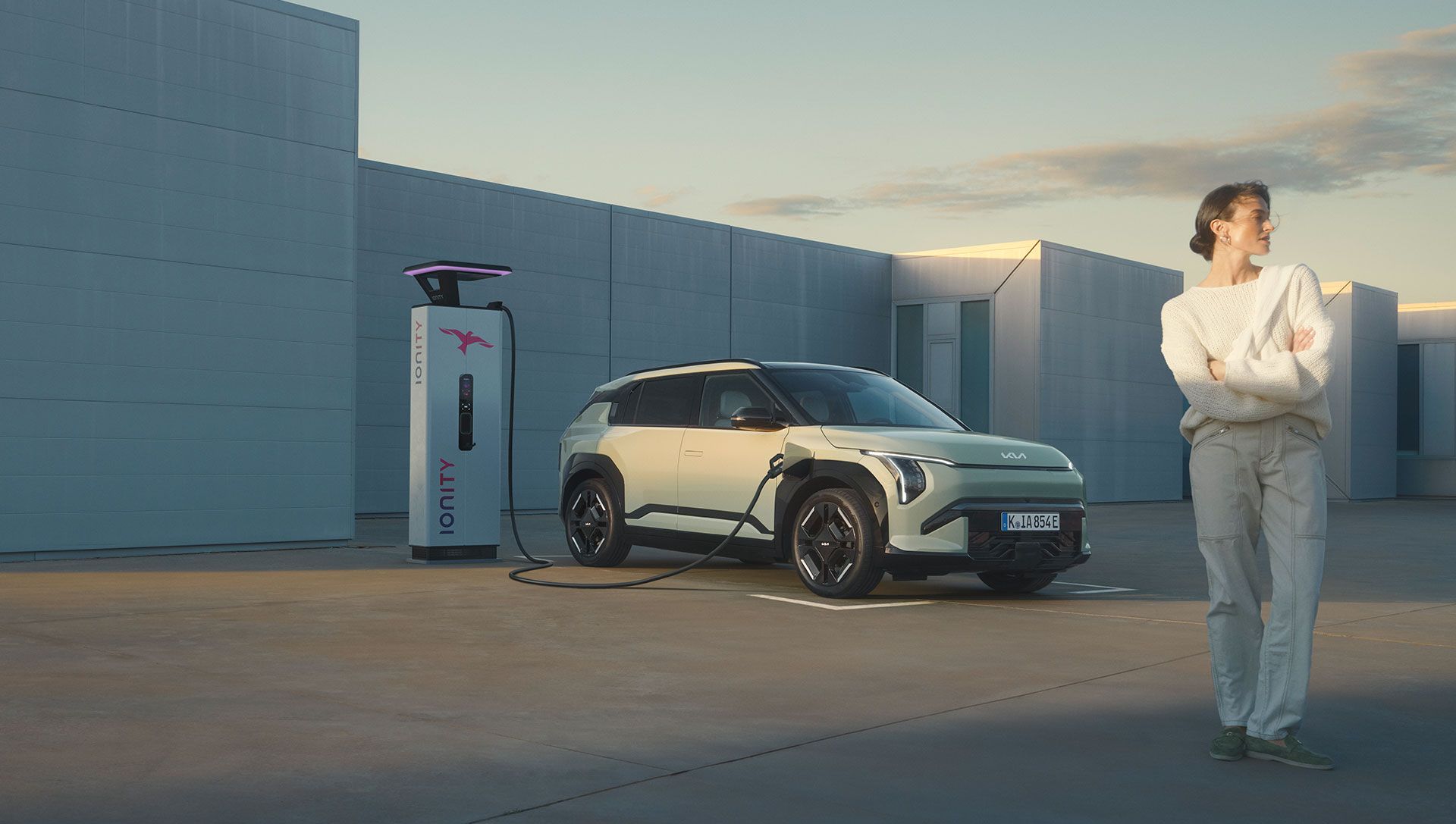
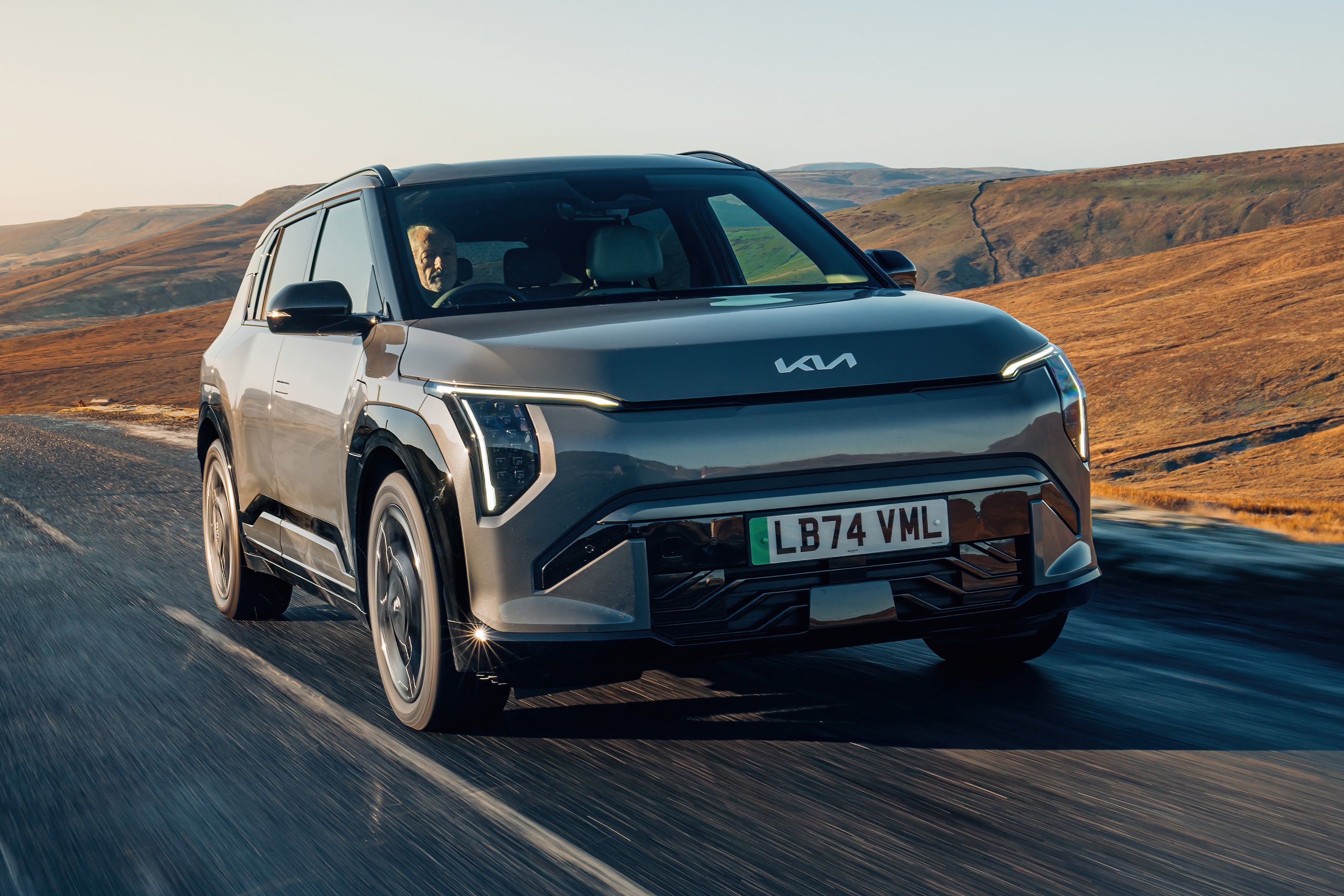
What Kia actually needed wasn't a recall campaign. It was a clean slate: a vehicle so fundamentally different that the old exploit simply couldn't exist inside it. That vehicle has arrived, and it's called the 2027 Kia EV3.
An Exploit With Nothing Left to Grab
The reason is structural, not cosmetic. The vulnerability that made the Kia Boys possible lived in the mechanical ignition system of combustion-engine cars — a physical lock cylinder that could be defeated with a screwdriver and a bit of adolescent confidence. An electric vehicle built on the E-GMP platform has no ignition cylinder to defeat. There's no engine to start, no keyed barrel to pry, no wiring harness to cross.
The EV3 starts with a fob, a phone, or a PIN, and its drivetrain is governed by encrypted software that a USB cable cannot negotiate with. The exploit that defined a generation of Kia ownership isn't patched in the EV3 — it's absent. Theft-proofing here isn't a feature Kia bolted on. It's a consequence of the architecture, which is a far more durable form of security than any aftermarket club or dealer-installed immobilizer.
Security Without the Luxury Tax
This matters because affordability and security have historically been at odds. The cars most vulnerable to theft are usually the ones most accessible to buyers of modest means, and the Kia Boys epidemic proved that a budget price tag could function as a target painted on the rear bumper.
The EV3 upends that calculus. Kia's cheapest electric car, on sale now and drawing praise from Edmunds for delivering "a lot for relatively little," starts well below the luxury EV threshold while carrying the same immune system as its six-figure siblings. Reviewers from SlashGear and U.S. News & World Report have called it boxy, stylish, and mostly affordable — adjectives that would have felt aspirational for a Kia a decade ago. But the adjective that matters most is none of those. It's *unstealable*, at least by the method that made the brand infamous.
A Line in the Asphalt
There's a grim irony in the timing. A UCLA study now projects that the Kia Boys could still be stealing cars in sixteen years — a reminder that viral crime outlives the models that enabled it. But that projection applies to the old fleet: the Forte, the Soul, the Sportage of a previous era, vehicles that will remain on used lots and in apartment parking garages for years to come.
The EV3 doesn't retroactively fix them. What it does is draw a line. Every new Kia that rolls off a lot with an electric drivetrain is one fewer target, one fewer headline, one fewer teenager with a USB cable and a YouTube tutorial. Kia is quietly engineering its way out of a reputation it never asked for, and it's doing so through the most mundane and effective means available: making the crime physically impossible.
The Philosophy Beneath the Sheet Metal
Strip away the headlines and the EV3 says something about how Kia now builds cars. The brand's automotive philosophy has always been value — more car for less money — but value used to mean compromise somewhere. Here, the compromise isn't security. The most affordable thing Kia sells is also the most secure, not because engineers added armor, but because they changed the foundation. That's not marketing. That's design doing the work that recalls once had to.
The 2027 Kia EV3 won't be remembered as the car that saved Kia's image. It'll be remembered as the car that made the question irrelevant — the moment the brand's cheapest offering became its most secure, and the Kia Boys' signature trick stopped working for good.