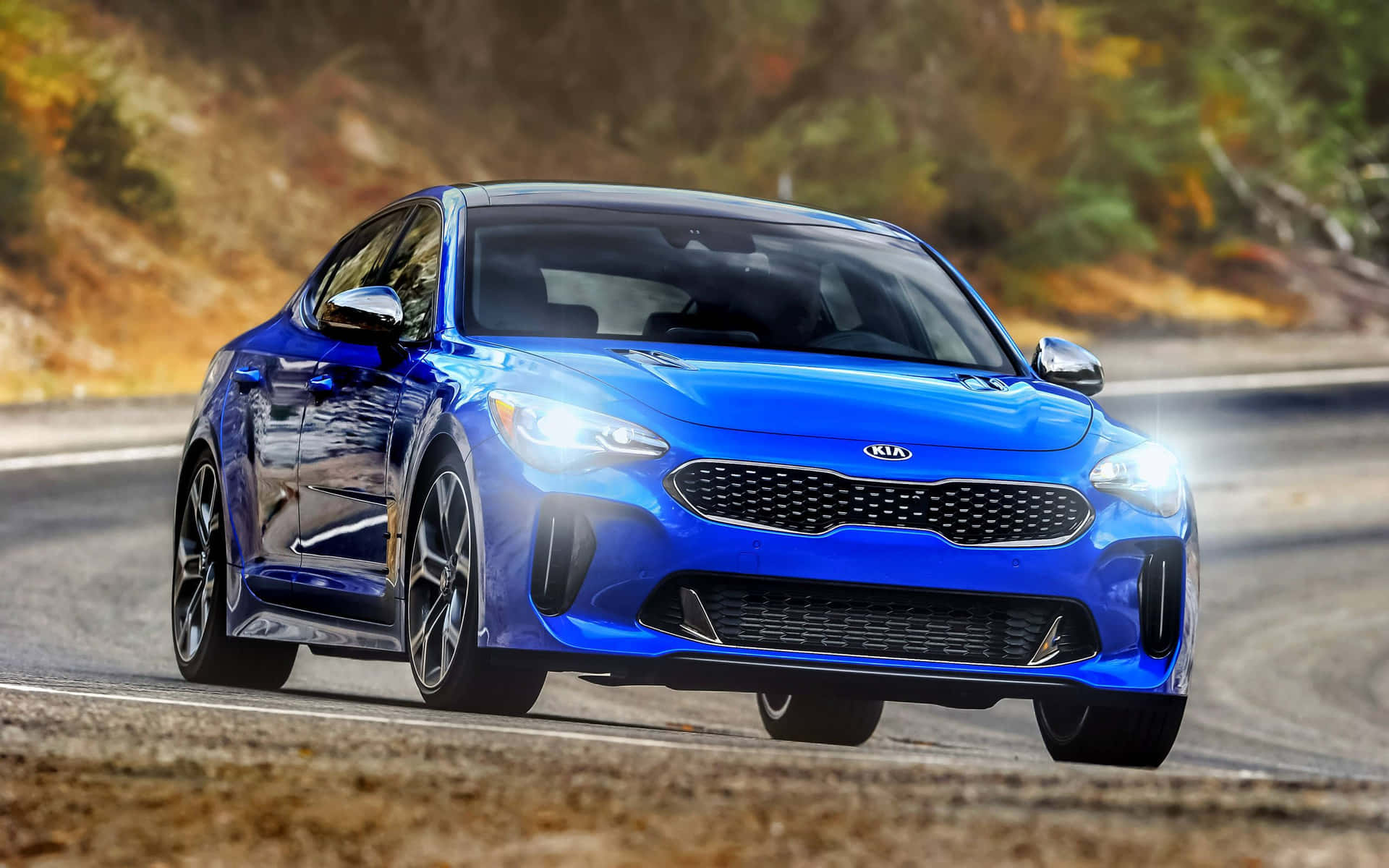
Kia spent the better part of a decade pulling off one of the industry's great image reversals. The Stinger proved the brand could build a rear-drive sports sedan that enthusiasts actually wanted. The Telluride made three-row family hauling look genuinely desirable. And the electric wave — EV9 today, the PV7 commercial van on the horizon — has pushed Kia into territory its founders could scarcely have imagined. This is a company that learned to compete on design, performance, and technology rather than on the lowest sticker in the lot.
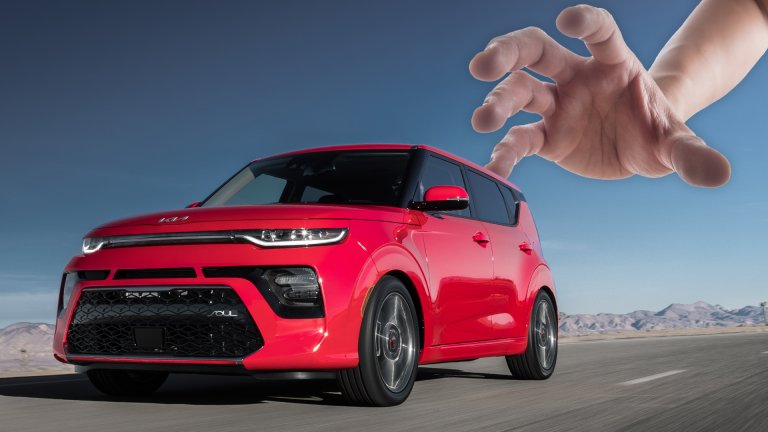
Yet a decision made more than a decade ago keeps extracting its toll — not in Kia showrooms, but in its customers' driveways. The "Kia Boys" phenomenon, which exploits the absence of engine immobilizers in millions of vehicles built between 2011 and 2021, has grown from a viral TikTok nuisance into a structural force reshaping insurance rates, resale values, and the entire calculus of owning a Kia sedan. You can build a halo car. You cannot so easily outrun a missing chip.
The Numbers Behind the Noise
A UCLA study now projects that the Kia Boys will remain active in Los Angeles until at least 2042. Read that again. What executives once framed as a temporary spike in opportunistic theft has hardened into a generational crime pattern — the kind of timeline that turns a public-relations headache into an actuarial fact of life.
The legal exposure is compounding in parallel. The Ninth Circuit's decision allowing class-action litigation to proceed has opened Kia and Hyundai to upwards of $1 billion in potential liability, and municipalities are already collecting. Nashville's Metro Council approved a $747,000 payout from the two automakers over vehicle thefts — a template other cities are quietly studying, calculator in hand.
The Insurance Reckoning
For sedan owners, the consequences arrive in the mailbox long before any courtroom. Insurers, armed with actuarial data showing that certain Kia and Hyundai models are disproportionately targeted, have answered with premium increases that in some markets exceed $3,000 annually — a figure that can rival the monthly payment on the car itself. Worse, a growing number of carriers have simply stopped writing new policies for affected VINs, pushing owners into state-mandated high-risk pools where coverage is thinner and deductibles are punishing.
The software update Kia rushed into circulation helps. But insurers have been slow to price it in, and many theft-vulnerable models remain on the road without the fix — a gap that keeps the risk, and the rate, stubbornly high.
The Resale Hangover
The used market has internalized the same anxiety. Trade-in valuations for affected Optima, Forte, and Rio sedans have softened relative to segment peers, with dealers discounting aggressively to offset the risk that a stolen-and-recovered vehicle carries a branded title. Private-party buyers, now fluent in the immobilizer issue, routinely demand documentation of the anti-theft update before they'll even talk numbers — a ritual that has effectively added a new line to the used-car checklist.
The irony cuts deep. Kia's newest products, from the EV9 to the PV7, rank among the most technologically sophisticated vehicles on the road. Yet the brand's sedan residuals are being dragged down by a cost-cutting decision made when those vehicles were still sketches on a designer's screen.
A Cautionary Tale in Cost Engineering
Kia's response has been characteristically pragmatic. Marketing dollars are flowing toward the electric future, and EV9 discounts now exceeding $15,000 at some dealers suggest a willingness to buy market share even at the expense of margin. But no amount of EV9 enthusiasm erases the fact that the brand's entry-level sedans — the gateway products that traditionally build lifelong loyalty — now carry a stigma that depreciates faster than any sheet metal.
Kia can engineer its way out of the immobilizer problem. Engineering, however, does not restore an insurer's confidence or a buyer's trust. Only time, litigation resolution, and consistent anti-theft performance will do that.
What emerges is a lesson about the long tail of cost engineering. Kia built a modern, desirable lineup by refusing to accept the old compromises — yet the theft crisis shows that savings extracted from a hidden component can compound into liabilities that dwarf the original expenditure. For shoppers eyeing a used Kia sedan, the math now demands a new diligence: verify the software fix, quote insurance before signing, and factor in a resale discount that reflects a risk the window sticker never mentioned.
For Kia itself, the lesson is starker still. Reputation is not rebuilt in a design studio. It is rebuilt in the unglamorous details that determine whether the car is still there in the morning.