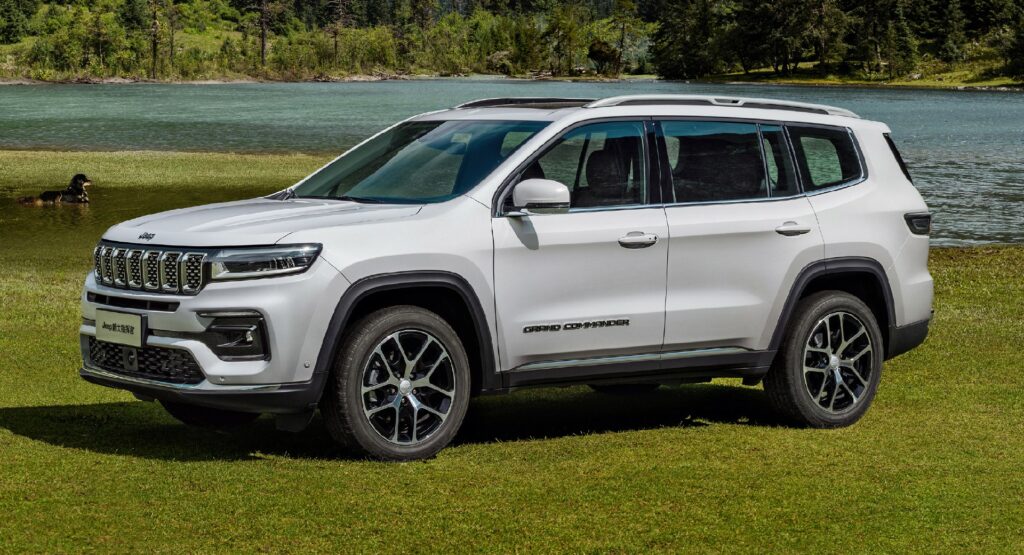
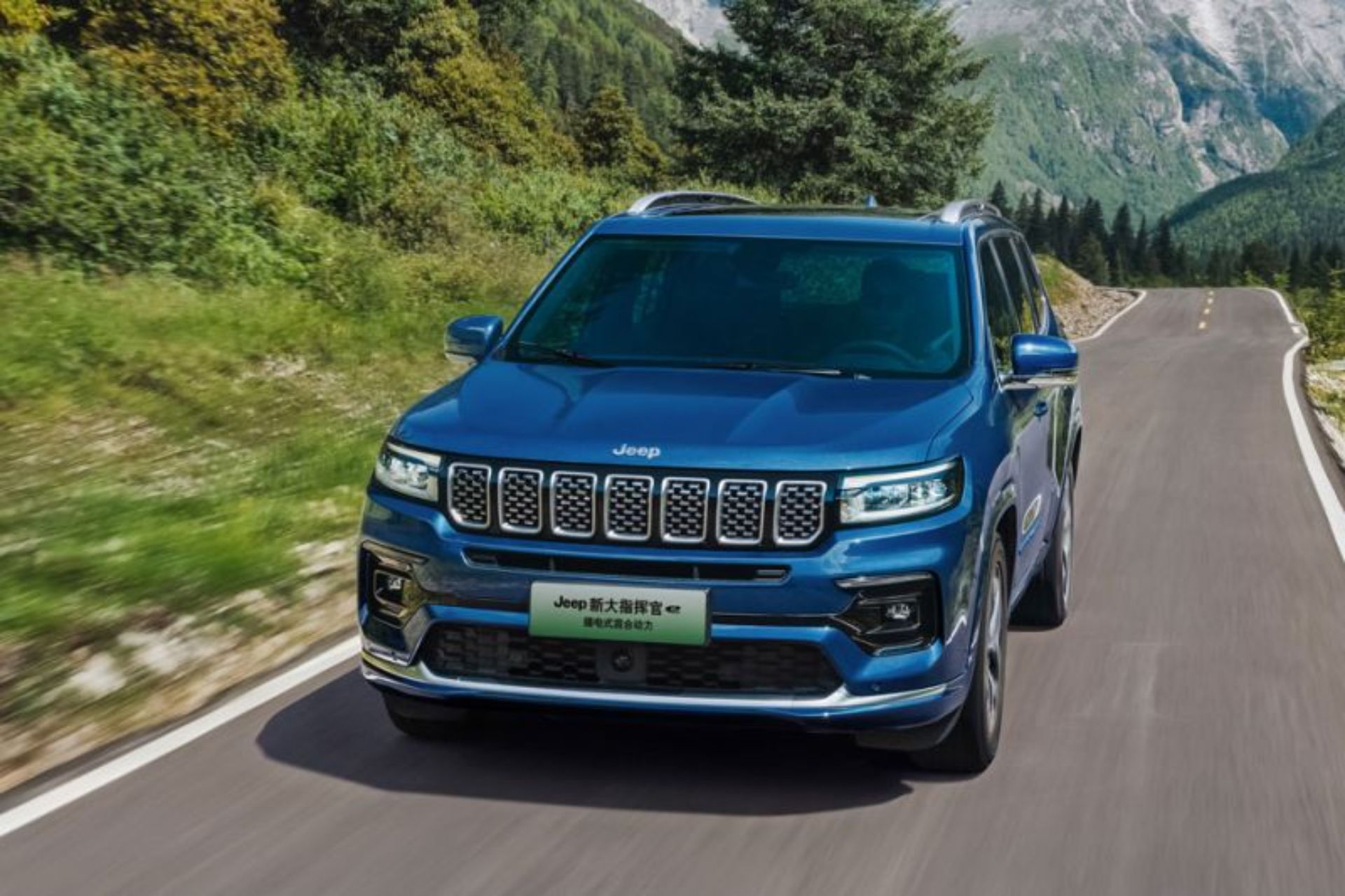
The news landed with the dull thud of inevitability: Stellantis is weighing whether to import China-built Jeeps into Canada while its Brampton Assembly Plant sits idle, mothballed, and increasingly irrelevant. For a brand that has spent eight decades selling rugged Americana—the Wrangler climbing rocks, the Grand Cherokee towing boats, the Cherokee hauling families through snow—the prospect of Canadian dealers stocking vehicles stamped with Chinese provenance is not merely a supply-chain adjustment. It is a confession.
The company that once built Jeeps in Toledo, Detroit, and yes, Brampton, is now openly contemplating whether it can be bothered to build them in North America at all. Consider the irony in the timing. This same news cycle brought us the 2027 Jeep Cherokee, a vehicle that Autoblog reports delivers 37 mpg and all-wheel drive for $35,130—genuinely competitive numbers that should have dealers salivating. The 2026 Cherokee hybrid earned warm words from the Detroit Free Press, which found it improved the longer the reviewer drove. And the Wrangler Twelve4Twelve celebration, gathering all twelve special editions of Jeep's halo vehicle for the first time, reminds us of the brand's extraordinary cultural capital. Jeep, at its best, still knows how to build desire. What it apparently no longer knows is how to build desire at home.
The Plant That Built the Legend—and Now Sits Empty
That is the crux of the Brampton problem. The plant, which once produced the Chrysler 300 and Dodge Charger, has been idled as Stellantis reshuffles its North American manufacturing footprint under CEO Carlos Tavares's cost-cutting regime. Rather than commit to retooling Brampton for a new Jeep product—an investment that would secure Canadian autoworker jobs and reinforce the brand's North American identity—Stellantis is reportedly exploring the cheaper path: source vehicles from China, where its joint-venture partner GAC or other facilities could produce Jeeps at a fraction of domestic cost. The math may work on a spreadsheet. The brand logic is catastrophic.
Authenticity Doesn't Survive a Container Ship
Jeep's entire marketing architecture rests on authenticity. The Trail Rated badge, the seven-slot grille, the Easter Safari concepts—these are not mere styling cues but claims of lineage, of capability earned in American terrain. When Toledo Blade reports that a Jeep sales slump is squeezing workers and pressuring dealers, the temptation to chase margin through low-cost imports becomes understandable. But understandable is not the same as wise. A Chinese-built Jeep sold in Ontario or Alberta is a Jeep whose story no longer holds. Buyers who pay a premium for the badge are paying for the mythology, and the mythology does not survive a Pacific crossing in a container ship.
Sourcing Decisions Echo for a Decade
Nor is this happening in a vacuum. The used-market data crunchers at Road Ethos are busy identifying the best years for a used Wrangler, and the answer, tellingly, tends toward older models—the ones built when Jeep's manufacturing footprint was unambiguous. Meanwhile, the next Renegade looms as a tough, electrified entry point that could either rejuvenate the brand's accessible tier or further dilute it, depending on where it is built and how honestly it is presented. Every decision Stellantis makes about sourcing now feeds directly into the residual values, brand equity, and dealer confidence of the next decade.
Two Versions of Jeep, One Choice
The hard truth is that Stellantis has a choice between two versions of Jeep. One is a global brand that happens to have American roots, sourcing vehicles wherever costs are lowest and treating Canada as just another market to be supplied. The other is an American icon that builds where it sells, treats Brampton as an obligation rather than an inconvenience, and understands that the Twelve4Twelve tributes and the Trail Rated plaques mean something precisely because they were earned here. The company's current deliberations suggest it is drifting toward the first version—quietly, incrementally, and with the kind of corporate euphemism that calls a surrender a "strategic review."
Brampton sitting idle is not a neutral fact. It is a signal, and Canadian buyers—along with the UAW and Unifor workers who have built these vehicles for generations—are reading it clearly. Jeep can survive a sales slump. It has survived many. What it cannot survive is becoming a brand that no longer believes its own story.