Some brands sell horsepower. Some sell warranty terms. Jeep has spent decades selling something far more valuable: the promise that owning one makes you the kind of person who disappears down a dirt road on a Sunday morning and comes back with a story. That promise is the whole business. It's also getting expensive to maintain — and lately, Jeep has been reaching for its checkbook instead of its engineering notebook to keep it alive.
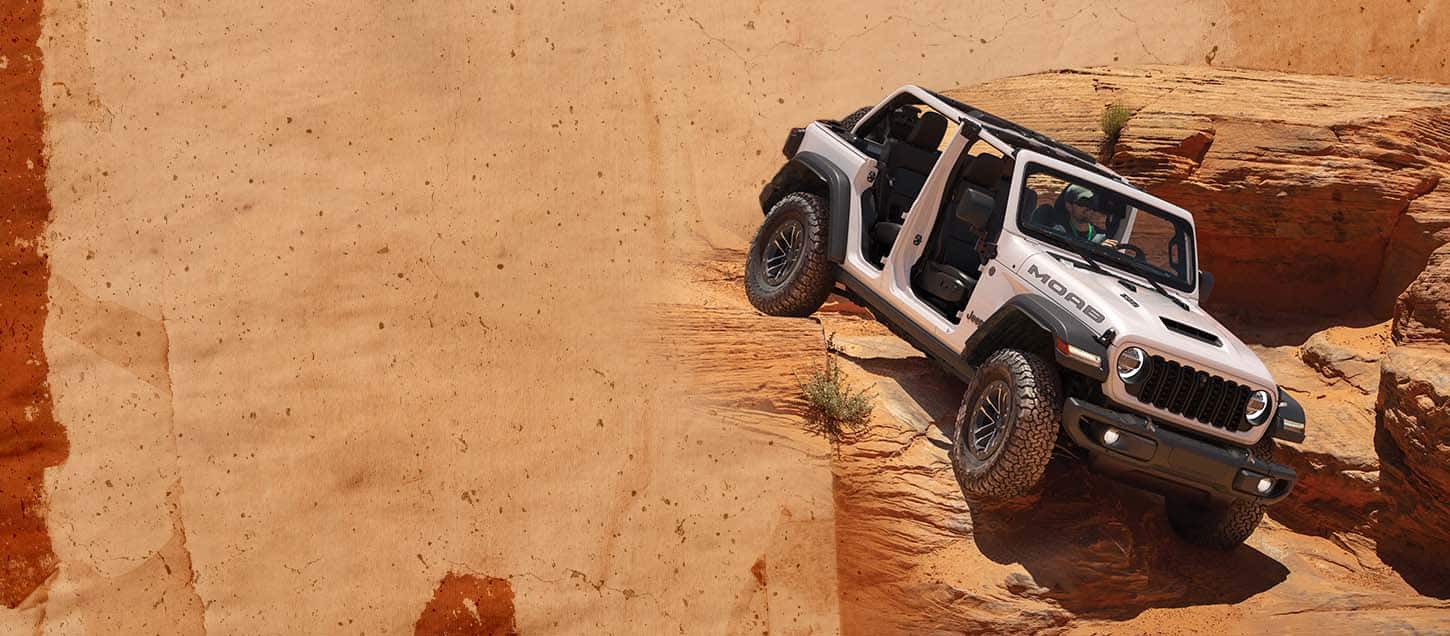
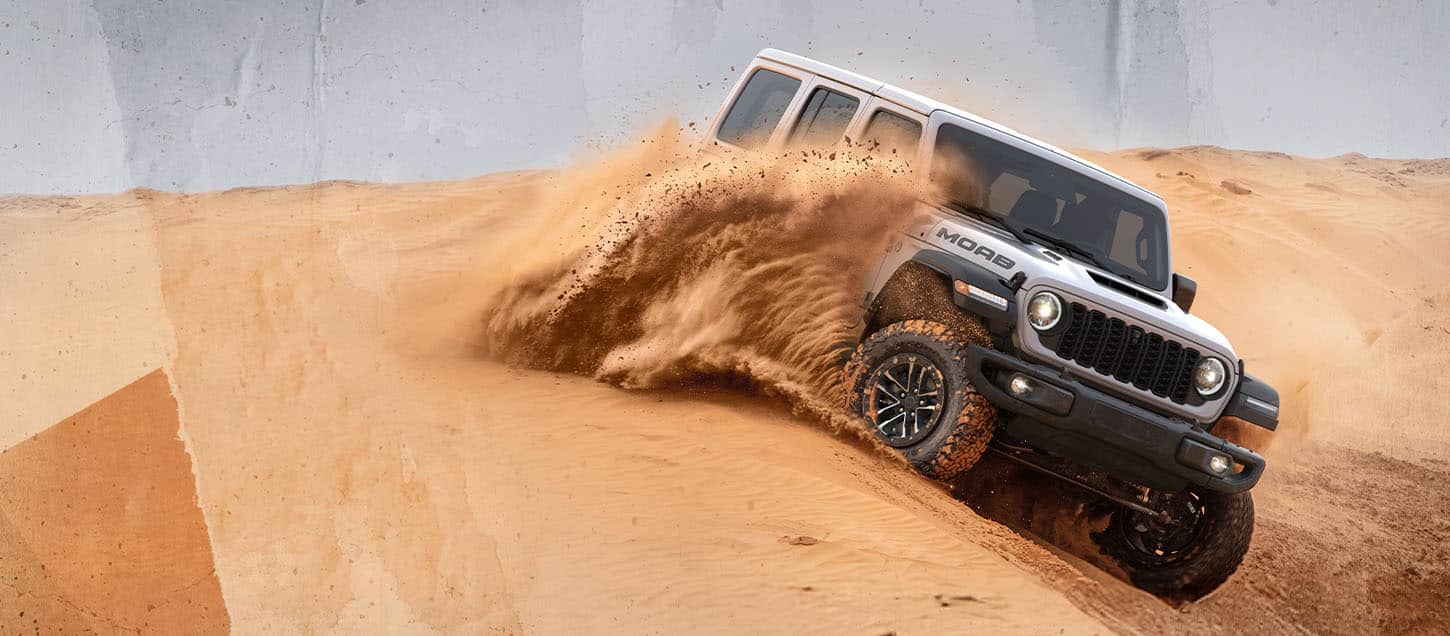
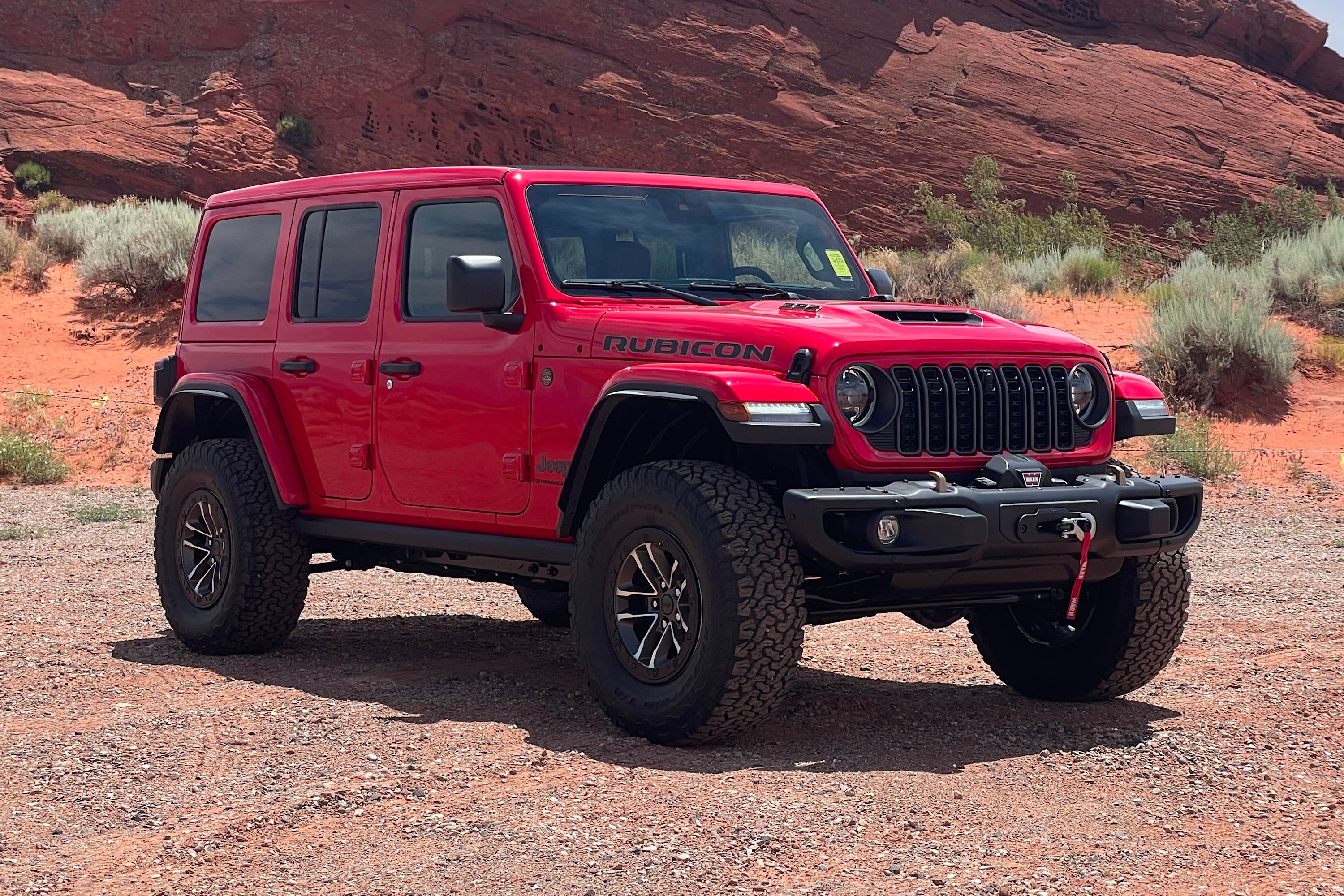
The latest evidence is a sponsorship deal that secures Jeep the title of "Official 4×4 of Moab," Utah. On paper, it's a tidy bit of marketing theater. In practice, it lands at the exact moment the brand's real-world reputation appears to be coming apart at the seams.
Buying the Credibility It Used to Build
The Moab arrangement is the purest version of a strategy Jeep has leaned on for years: attach the badge to the places its owners dream about, then let the association do the selling. Moab is the spiritual capital of American off-roading — a red-rock cathedral where every serious 4×4 is expected to show up and prove itself. By effectively underwriting the town, Jeep is trying to purchase the credibility its vehicles were once assumed to possess inherently. It reads less like confidence and more like compensation.
The Headlines Won't Cooperate
The trouble is that the news cycle refused to play along. In the same stretch that brought word of Jeep's Moab ambitions, we learned that over 200,000 Jeeps carry a faulty convenience feature that owners actually value — the subject of a fresh recall. That follows a broader pattern: Chrysler's recall of 201,000 Jeep vehicles over defective tire pressure monitoring systems, a defect that speaks directly to the kind of basic safety engineering a genuine off-road machine cannot afford to get wrong. When the marketing promises granite-strength capability and the service bulletins describe sensor failures, the gap starts to show.
Nor is the product story uniformly flattering. The 2027 Jeep Recon drew a litany of complaints from reviewers — a reminder that Jeep's electrified future still feels unfinished. The brand's first proper hybrid, meanwhile, was described as feeling suspiciously like a Toyota. That's a compliment to Toyota and a quiet indictment of the company that invented the American off-roader. And while a tuner has begun building Hellcat-powered Gladiators that Stellantis itself refuses to produce, the more telling headline is the one Jeep didn't write: enthusiasts are turning to the aftermarket to build the vehicle the factory won't.
The Ledger Marketing Can't Touch
Then there's the darker accounting, the kind no sponsorship budget reaches. A fatal head-on collision in Wasco County. Two mothers found dead inside a submerged Jeep in a Michigan river. A shooting suspect fleeing a Jeep in West Oak Lane. Jeep can't be blamed for how its vehicles are used, but it is bound to the cultural weight of what it represents — and that weight grows heavier as the brand's grip on its own narrative loosens. A badge that once signified adventure and American resilience increasingly turns up in stories of tragedy and ordinary mishap.
The Irony of the Moab Deal
Here is the central irony: Jeep is spending money to be named the official vehicle of a town whose residents already know the difference between a marketing arrangement and a machine that survives the trail. The off-road community is, if nothing else, unsentimental about capability. It doesn't care who sponsors the town. It cares whether the transfer case holds and the electronics behave. Jeep's executives surely understand this, which makes the sponsorship look less like a celebration of shared values and more like a hedge — a way to keep the mythology alive while the engineering underneath it struggles to keep pace.
Jeep built its reputation the hard way, through decades of vehicles that earned respect one rock, one river crossing, one dirt road at a time. That reputation cannot be bought back with a town sponsorship, and it will not survive recalls measured in the hundreds of thousands. If Jeep wants to remain the official 4×4 of anywhere that matters, it needs to spend less on naming rights and more on the machines that carry the name.