Jaguar has spent the better part of a decade searching for an identity, and the search has not been kind. Sedans that once defined British restraint have been discontinued. The F-Type, a genuinely charismatic sports car, has bowed out. Volume has collapsed, the brand has paused sales of new cars in its home market, and the headlines that do mention Jaguar tend to involve recalls, delayed electrification plans, or awkward questions about battery supply.
Against that backdrop, the reveal of the Type 01's four-seat interior arrives not as a curiosity but as something closer to a lifeline. For the first time in years, Jaguar has shown us something that feels like a deliberate aesthetic argument rather than a retreat.
A Cabin That Argues Back
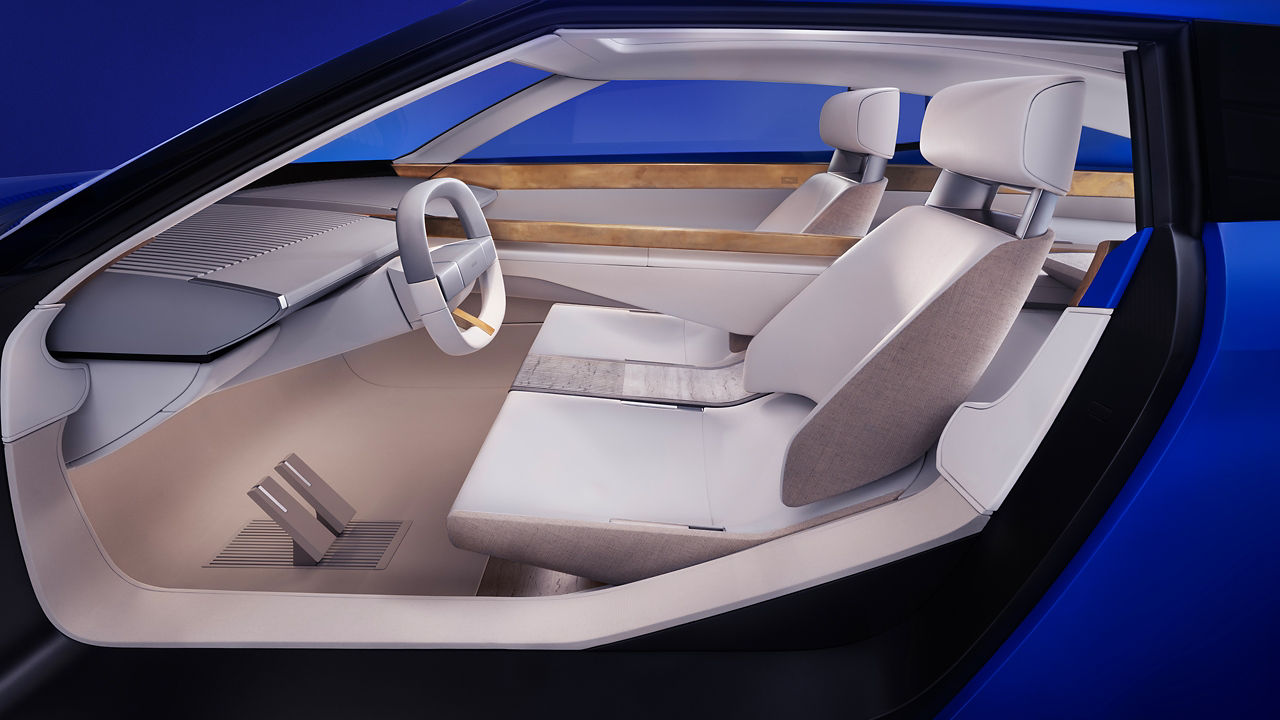
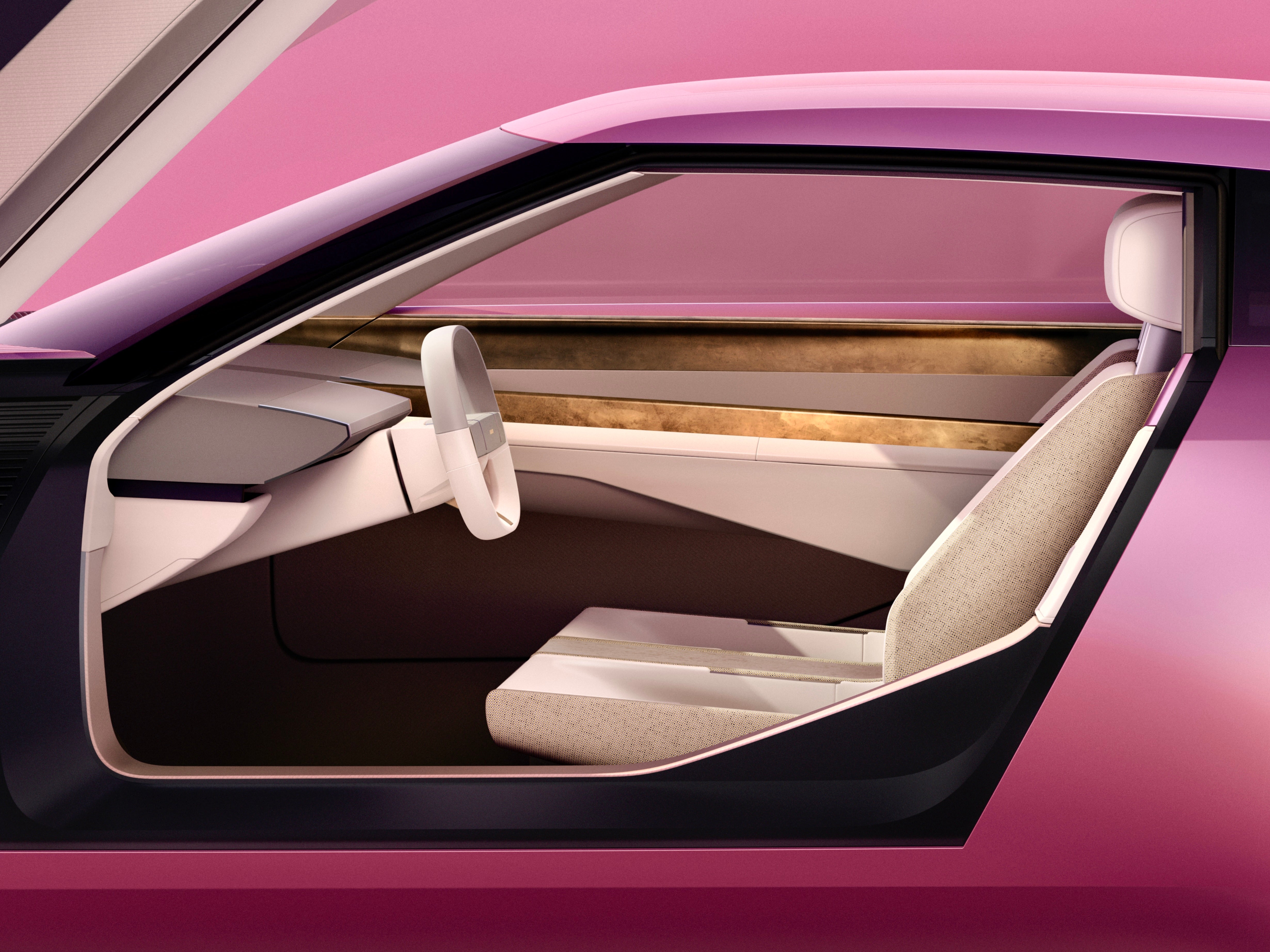
The cabin itself is the argument. Where most modern performance EVs compete on screen size and minimalist sterility, the Type 01 interior reads like a 1970s concept car that somehow survived into production. There are warm materials, sculpted forms, and a driver-focused layout that recalls the golden era of British grand touring without descending into pastiche.
Commentators have already noted the resemblance to the kind of experimental show cars that once filled motor show stands, and that is precisely the point. Retro-futurism works when it treats the past as a vocabulary rather than a costume. Jaguar, a marque with one of the richest design heritages in the industry, is uniquely positioned to speak that language.
Atmosphere Over Specifications
This matters more than it might appear. A struggling sports brand cannot win on specifications alone; the EV market is crowded with cars that are fast, quiet, and interchangeable. What it can win on is atmosphere, and atmosphere is built in the interior, where the driver actually lives.
The Type 01 cabin promises a sensory experience rather than a software experience. That is a strategic bet, and it is the right one. Jaguar's heritage is not merely a marketing asset to be mined for anniversary editions; it is a design philosophy that can be translated into a genuinely modern electric car.
Design Endures When Strategy Wobbles
The timing is also instructive. Jaguar Land Rover has been forced to slow its all-electric Defender programme, battery gigafactory talks have stalled, and the corporate news cycle has been dominated by recalls and caution. In that context, a single well-judged interior reveal does something that no press release about restructuring ever could: it reminds people why the brand exists.
The XJ220, still one of the most striking supercars ever built in Britain, commands attention decades later for exactly the same reason. Design endures when strategy wobbles.
A Bet, Not a Guarantee
None of this guarantees commercial success. A beautiful cabin cannot compensate for unreliable supply chains, uncertain pricing, or a market that may not be ready for a reinvention this radical. Jaguar is asking a great deal of its customers, and the road ahead remains genuinely difficult.
But the Type 01 interior suggests the company has finally remembered what it is. Retro-futurism is not nostalgia; it is confidence, expressed in the language of the past and pointed squarely at the future. For a brand that has spent years looking unsure of itself, that is a meaningful change, and possibly the most important one Jaguar has made in a generation.