Goodwood's RAC TT Celebration is no gentle parade of polished museum pieces. It is a two-driver, wheel-to-wheel sprint contested by professionals who fling eight-figure machinery through the corners with something close to contempt. When a low-drag Jaguar comes out on top, that result earns more than polite applause. It earns reading as a statement about what Jaguar fundamentally is — and what it must not forget as it reinvents itself for the electric age.
The car belongs to the lineage that made Jaguar immortal at Le Mans. The D-Type and its long-nose, low-drag derivatives were never merely beautiful. They were aerodynamic instruments, shaped to slip through the air at speed while rivals shoved brick-like frontal areas down the Mulsanne. Jaguar won Le Mans five times in the 1950s, and the low-drag philosophy sat at the centre of that dominance. The same DNA resurfaced in the 1980s with the XJR-9 and XJR-12, which carried Jaguar back to the top step at La Sarthe. What connects these cars is not styling. It is a conviction: that efficiency and speed are allies, not opposites.
The Low-Drag Thesis
Strip away the romance and the low-drag Jaguars were engineering arguments made at 200 mph. Every curve, every elongated tail, every carefully managed airflow path existed to reduce the effort required to go faster. That is a different discipline from simply adding power. It is the discipline of making speed look effortless — and it is the discipline Jaguar now needs more than ever.
An Electric Brand With a Racing Memory
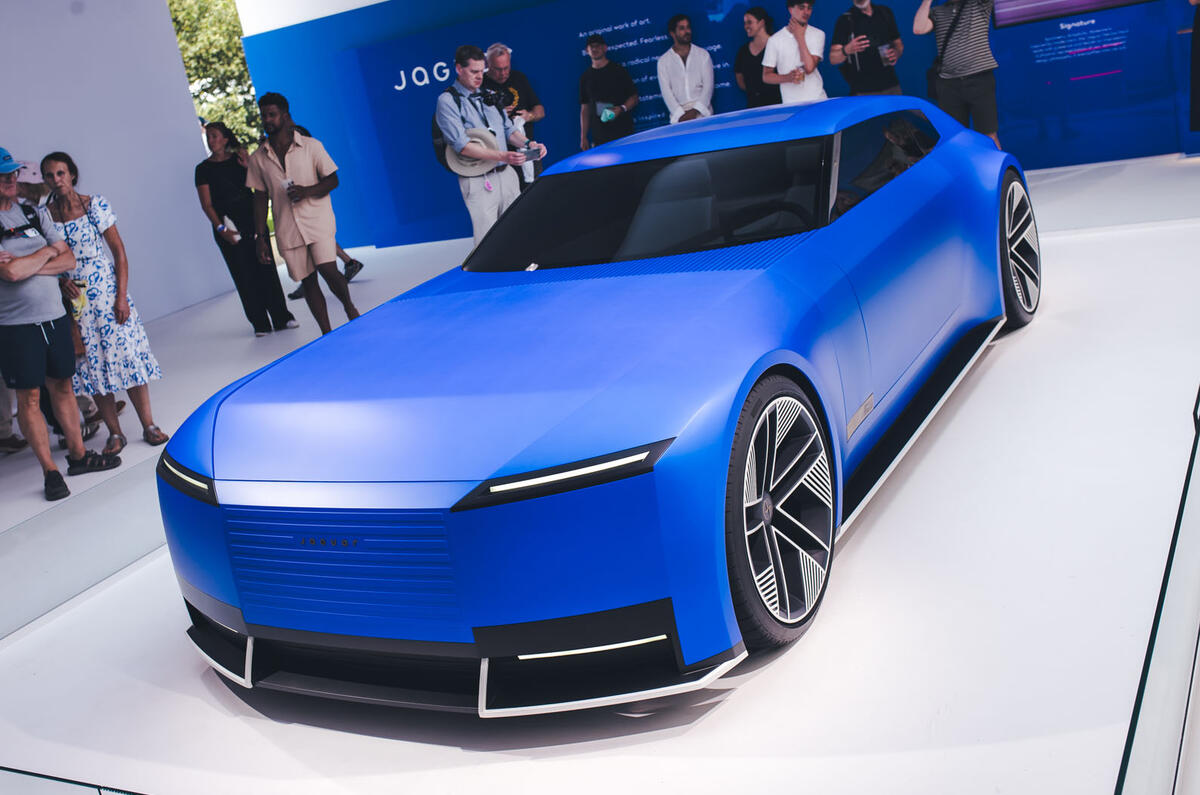
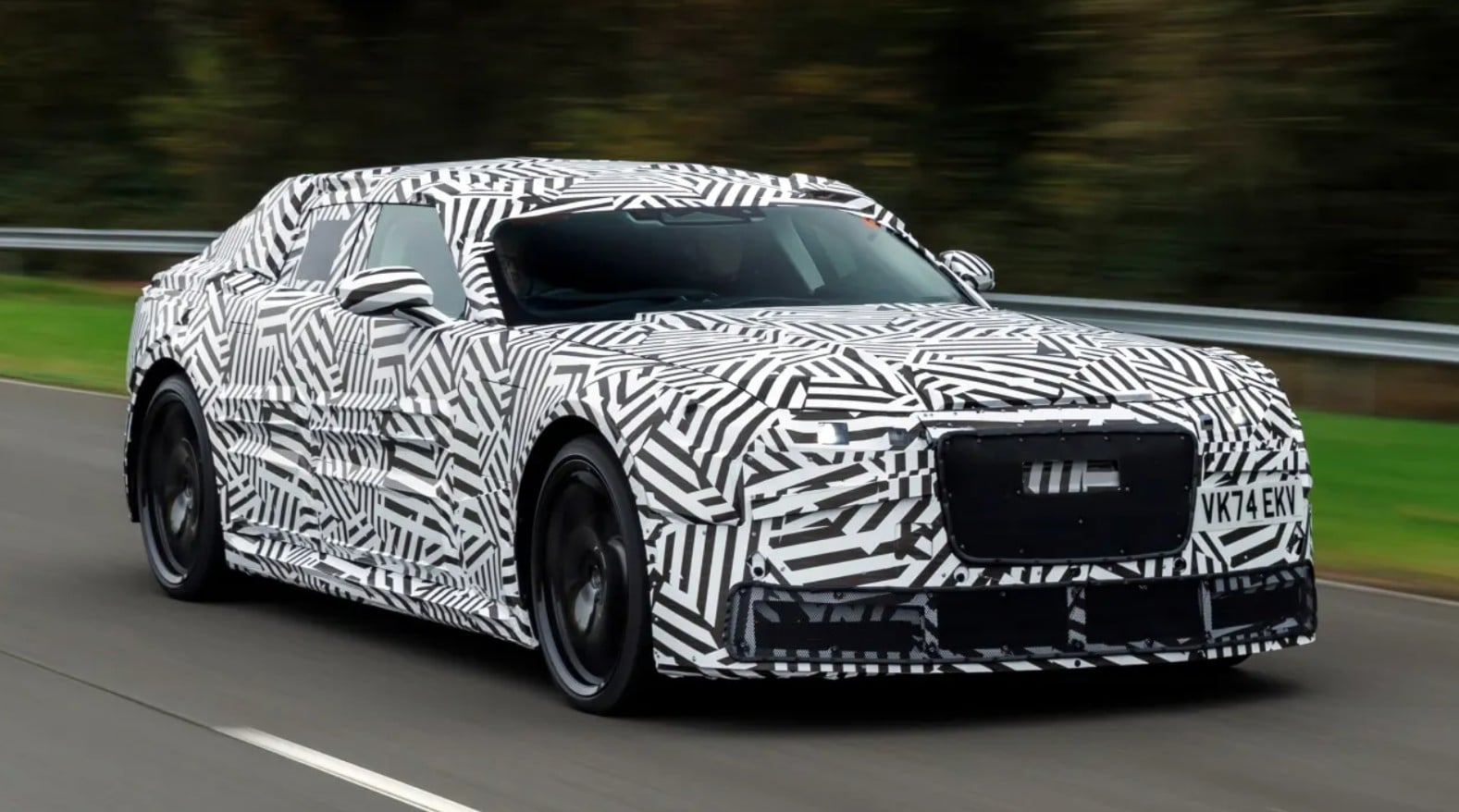
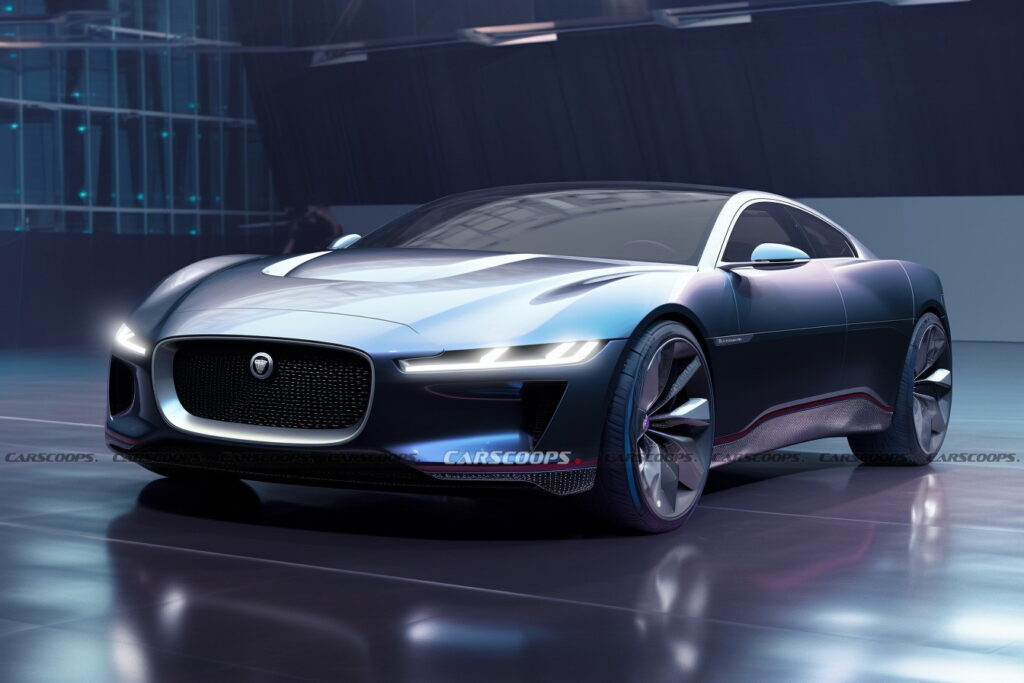
Jaguar is mid-transformation into an all-electric marque, having paused sales of new combustion cars in several markets to reset its identity around a dramatically repositioned, design-led lineup. The first fruit of that effort, the production Type 01, has begun to surface in previews, and the early glimpses suggest a long, low, cab-rearward machine that owes more to the low-drag racers than to any recent SUV. This is the correct instinct. An electric Jaguar cannot win on cylinder count or exhaust note. It can win on range, on efficiency, on the way it cuts through air — the very territory the low-drag cars conquered seven decades ago.
The Commercial Static
The context around that ambition is less romantic. Reports indicate that JLR's discussions with Britain's largest EV battery gigafactory have stalled, shelving expansion plans at precisely the moment the brand needs certainty about its electric supply chain. Suppliers, meanwhile, are reportedly calling for a strategic shift toward aerospace work as automotive demand softens. Add a US recall affecting more than 23,000 vehicles and talk of a joint pick-up truck venture with Stellantis, and the picture is of a company hedging, diversifying, and managing risk on multiple fronts at once. None of this is fatal. All of it is distracting.
Why Heritage Still Wins
Which is exactly why heritage matters. When a brand is buffeted by supply negotiations, recalls, and shifting market strategy, the one asset competitors cannot copy is a genuine racing legacy. Goodwood proved the low-drag Jaguar still wins — not in a museum, but in competition, against serious opposition, in front of a crowd that knows the difference between a survivor and a champion.
The electric era will not be won by nostalgia alone. But it can be won by translating the old low-drag obsession into modern terms: obsessive aerodynamic efficiency, lightweight construction, and a silhouette that looks fast standing still. If the Type 01 carries even a fraction of that philosophy into production, Jaguar will have done something rare — honoured its past without becoming a prisoner of it.
The ghost of the low-drag racers is not asking Jaguar to look backward. It is asking the brand to remember what it was always best at: making speed look effortless, and efficiency look beautiful. That is a mandate worth carrying into any era, electric or otherwise.