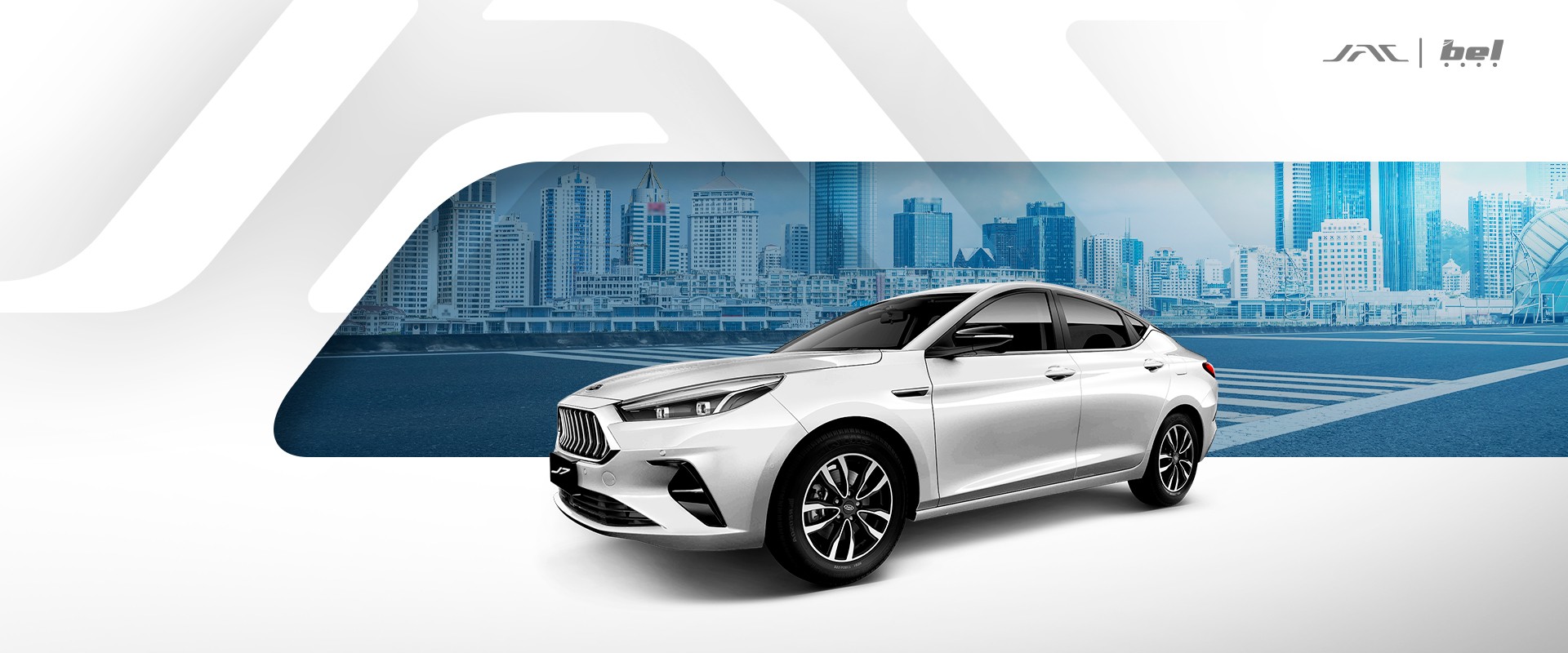
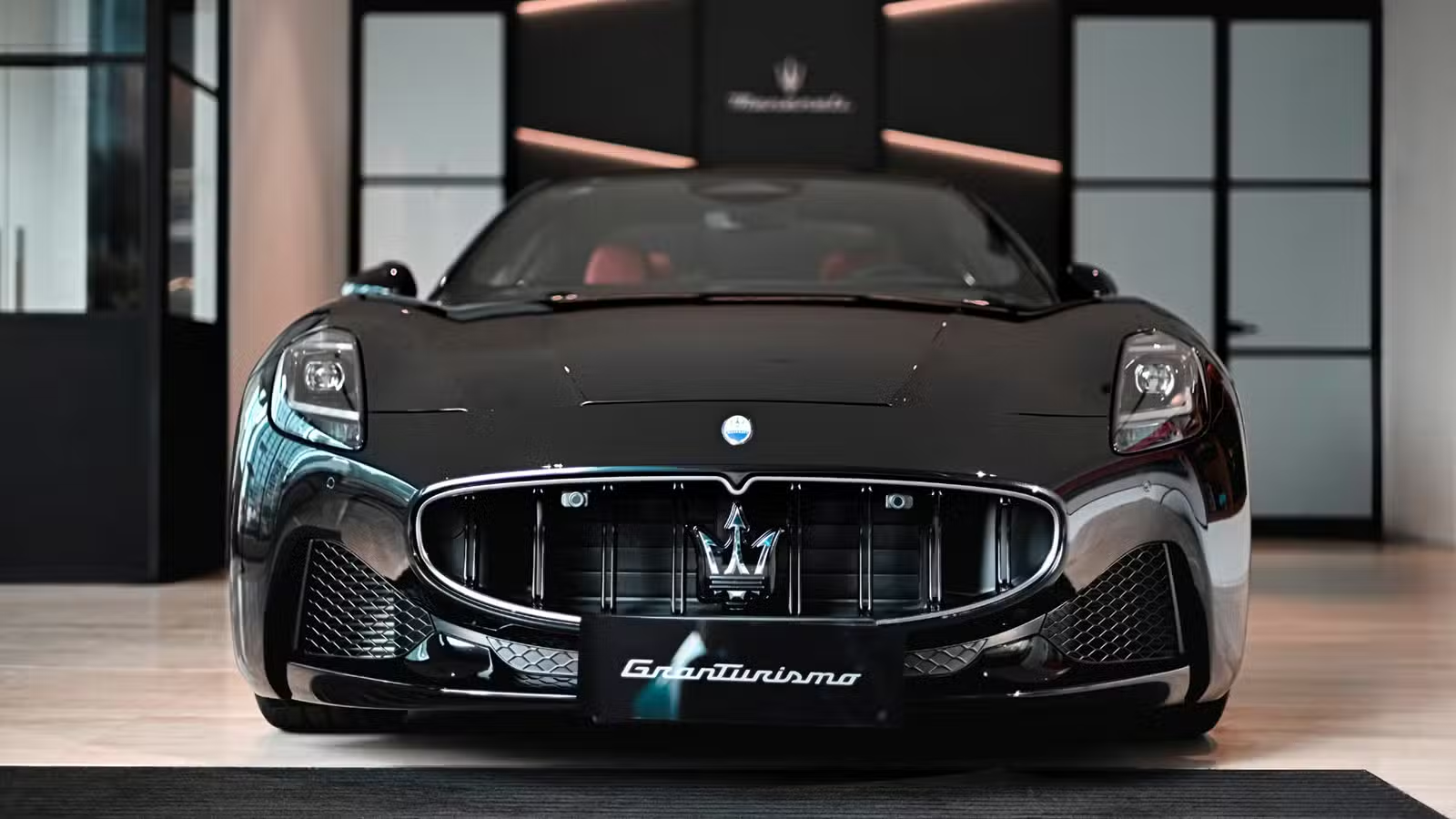
For decades, JAC Motors has been the quiet workhorse of Chinese automotive exports—a nameplate synonymous with rugged pickups, dependable commercial vehicles, and the kind of unglamorous reliability that builds roads rather than headlines. From Mexican assembly lines to Australian suspension labs, JAC has conquered emerging markets with pragmatic steel. But for all its global reach, the Hefei-based giant has never shed the stigma of utilitarian anonymity. Now, in a move that could rewrite its entire narrative, JAC is betting its future on a whispered codename: the "Maserati Project." This isn't a merger, a licensing deal, or a cynical badge-engineering exercise. It's a full-scale engineering and design offensive aimed squarely at the premium sedan segment—a graveyard where JAC's ambitions have historically gone to die.
The timing is no accident. As JAC narrows its net losses in Q2 2025, analysts are pointing to the "Maextro Effect"—the halo generated by the company's upscale electric sub-brand, co-developed with Huawei. Maextro has already proven that JAC can build a $140,000 EV that commands genuine respect in China's cutthroat luxury arena, a feat that seemed absurd just three years ago. The Maserati Project is the logical next chapter: a ground-up, executive-class sedan that borrows the aerodynamic poetry and obsessive material craft of Italian gran turismos, but underpins them with JAC's own next-generation electric architecture. Insiders describe a low, sweeping roofline, frameless doors, and a cabin that rejects the tablet-stuck-to-dash cliché in favor of sculpted, ambient-lit surfaces. The goal isn't to imitate Maserati—it's to capture its emotional resonance, the feeling that a sedan can be both sanctuary and statement.
The Asymmetry Problem
This is a high-stakes pivot for a company whose recent headlines have been dominated by commercial ventures: a new Cummins joint venture for heavy-duty powertrains, a Brazilian truck launch, and a GFA partnership in Ghana. These moves underscore JAC's commercial muscle, but they also expose a critical imbalance. The passenger car division has been starved of attention for too long, overshadowed by the utility side that built the brand's fortune. The Maserati Project is designed to correct that asymmetry, positioning JAC as a full-spectrum automaker capable of taking on Nio, XPeng, and even BMW in the executive EV space.
The company's recent investment in Yinwang Intelligent Technology—a firm specializing in advanced driver-assistance systems—signals that this won't be a styling exercise alone. The Maserati sedan is intended as a technology flagship, packing Level 3-capable autonomous hardware and a digital cockpit developed in-house. That's a deliberate departure from the Huawei-dependent software stack that powers Maextro, marking JAC's intent to own its technological destiny rather than rent it.
A Global Ecosystem, Quietly Assembled
The challenges are formidable. JAC's stock has been volatile, with a 3.5 billion yuan placement halving in value upon lockup expiry, leaving even the Ge Weidong camp nursing substantial losses. Investor confidence is fragile, and a luxury sedan is a notoriously expensive gamble with no guaranteed return. But there's method to what looks like madness.
JAC has been quietly constructing a global engineering ecosystem. The Australian-tuned Hunter PHEV and T9 PHEV have demonstrated that the brand can adapt its chassis to international tastes with genuine finesse, while the new Italian sales subsidiary provides a European foothold for a product that must feel cosmopolitan to succeed. These peripheral ventures aren't distractions—they're the scaffolding for the Maserati Project. If JAC can execute with the same discipline shown in those programs, it could transform from value player into genuine premium contender.
The Electric Grand Tourer Ethos
What makes this project genuinely intriguing is the philosophical shift it represents. JAC isn't just building a luxury car; it's attempting to translate the emotional language of Italian motoring into an electric-era dialect. The low roofline isn't just aerodynamic—it's a visual promise of athleticism. The frameless doors aren't mere styling cues; they're a declaration that this is a car designed to be seen, not just driven. And the cabin's sculpted surfaces suggest an understanding that luxury in the EV age is about tactility and atmosphere, not just screen real estate.
This is a car that must feel like a grand tourer in the truest sense—capable of devouring continents in silence while making the driver feel like the protagonist of their own film. That's a tall order for any automaker, let alone one whose name is still associated with workaday pickups.
The Verdict Awaits
The industry is watching with a mixture of skepticism and fascination. A Chinese automaker invoking Maserati's name is either an act of supreme confidence or elaborate delusion. But JAC has a history of quiet perseverance—it has survived market crashes, trade barriers, and technological upheavals by adapting without abandoning its core. The Maserati Project is not a departure from that ethos; it's an evolution.
If the sedan delivers on its promise of Italian-inspired elegance fused with Chinese technological firepower, JAC Motors will have accomplished something remarkable: making luxury feel accessible without making it feel cheap. That's the true test of the Maserati Project—and it's a test the entire industry will be grading. For a company that has spent decades building the roads others drive on, this is the moment JAC finally builds something worth driving for its own sake.