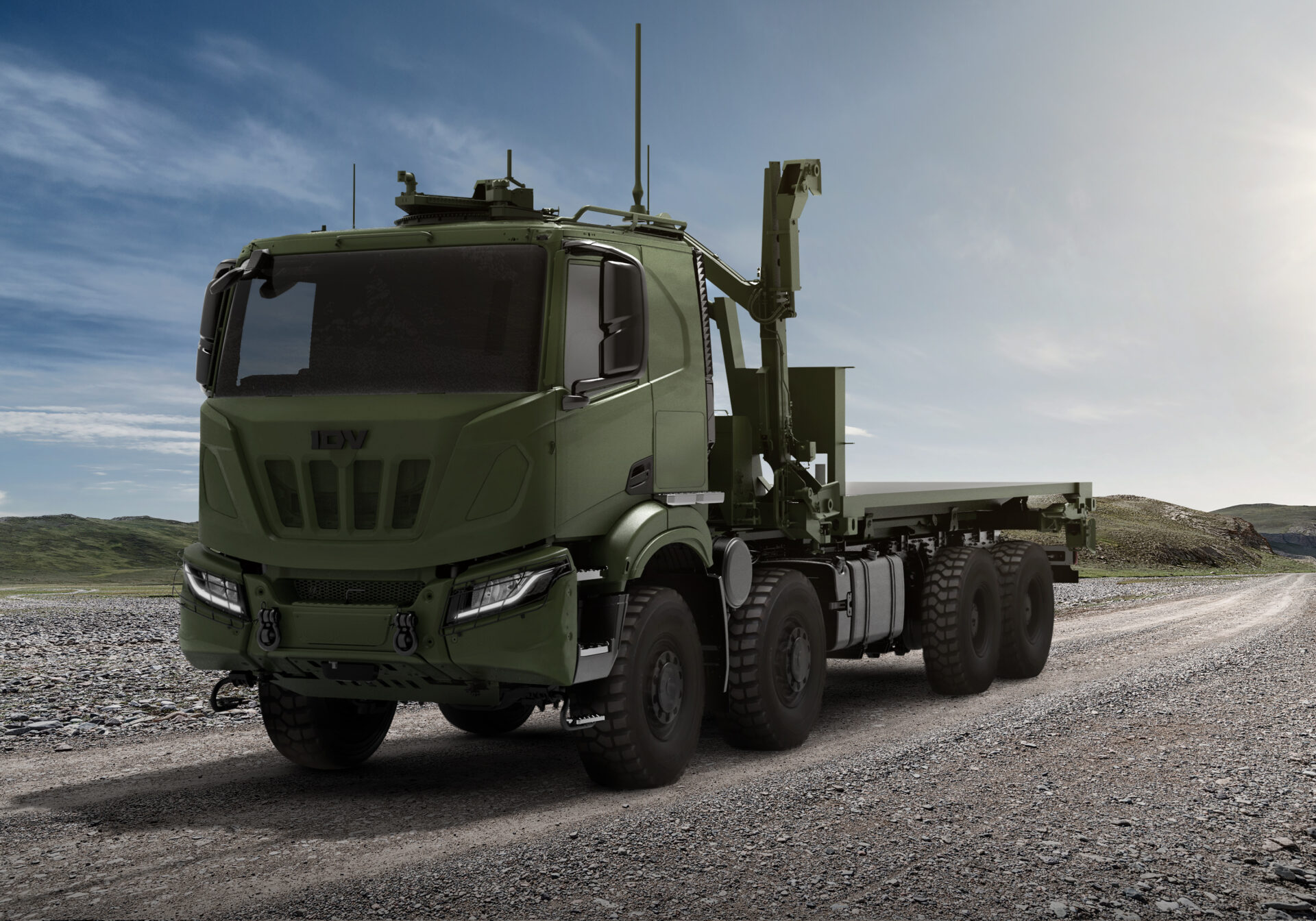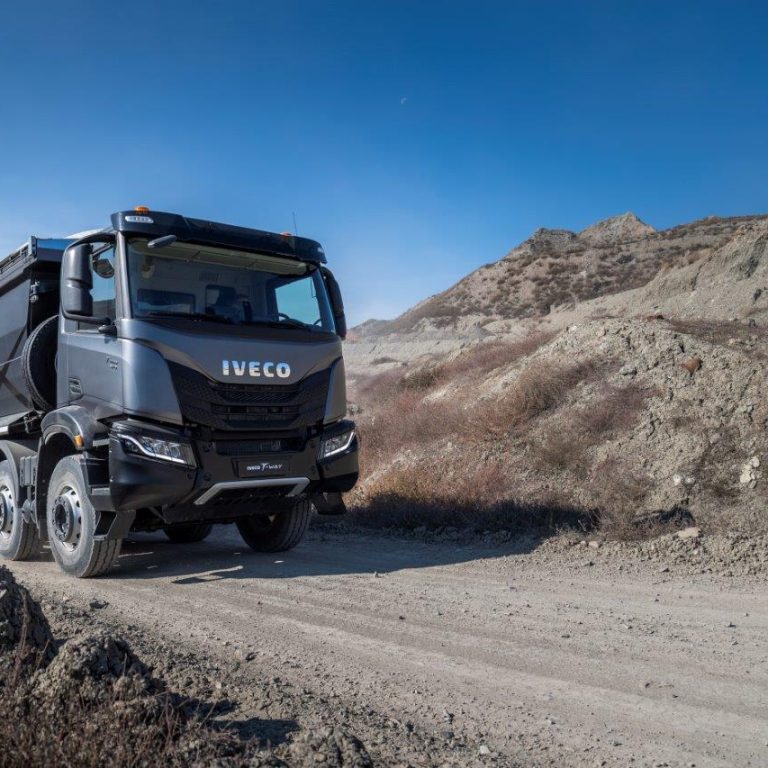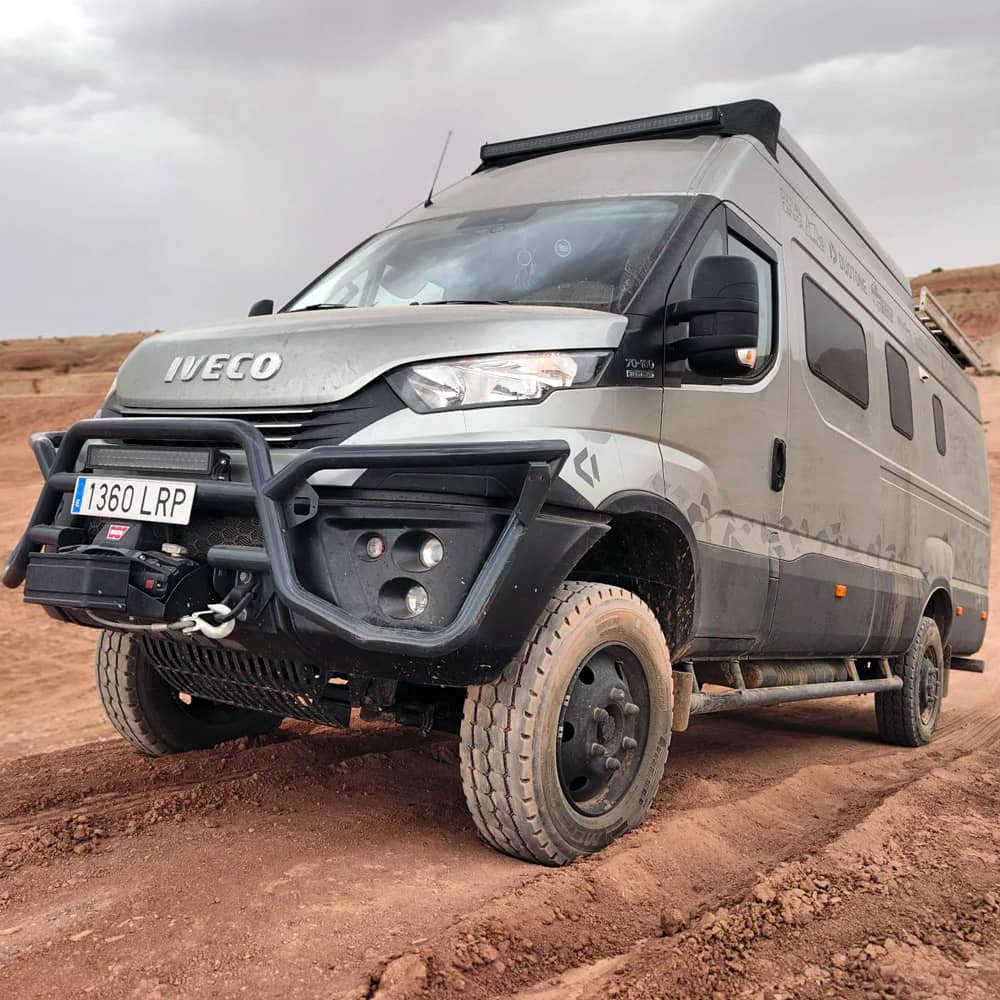
The European Commission's clearance of Leonardo's acquisition of Iveco's defence unit is not merely another regulatory box ticked in the ongoing reshaping of Europe's industrial landscape. It is the moment a crucial question crystallises: once the defence business passes from Iveco's hands to Leonardo's, what becomes of the militarized off-road chassis that have long been among the most distinctive engineering artefacts in the commercial vehicle world? The answer, as with most things Iveco at present, sits at the intersection of corporate restructuring and strategic ambition.
To understand the significance, one must appreciate what is actually being carved out. Iveco's defence unit is not a peripheral curiosity. It is the house that builds the LMV — the Light Multirole Vehicle that carried European soldiers through Iraq and Afghanistan — and the descendant lines that have kept the brand's heavy-duty military mobility credentials credible for two decades. These are machines born from the same industrial DNA as the Daily and Trakker platforms: rugged ladder frames, proven drivelines, and a philosophy of mechanical simplicity over electronic fragility. When Leonardo takes control, it acquires not just a product catalogue but a lineage of militarized chassis engineering that no pure-play defence prime can easily replicate from scratch.
The Logic on Both Sides of the Deal
The strategic logic is sound. Leonardo has spent years positioning itself as a European defence champion, and absorbing Iveco's military vehicle business gives it a land-systems portfolio to sit alongside its aerospace and electronics strengths. For Iveco, the logic is equally clear: defence procurement is a low-volume, high-complexity, politically sensitive business that sits awkwardly within a commercial vehicle group seeking scale and simplification. Divestment allows the rump of Iveco to concentrate on trucks, buses, and powertrain — the quotidian machinery of logistics and public transport.
Yet the timing invites a wry observation. Just as Iveco sheds its military chassis heritage, European defence budgets are expanding at a pace not seen in a generation. The demand signal for militarized off-road platforms has rarely been stronger. Leonardo inherits that tailwind; Iveco forgoes it. Whether this proves prescient discipline or a missed opportunity will depend on how convincingly the company executes its parallel transformation under Tata Motors, whose raised offer of €14.40 per share — a €3.91 billion takeover — has now secured shareholder approval, with the acceptance threshold lowered to 80 per cent and N. Chandrasekaran slated to chair the board.
The Tata Connection
That Tata connection matters for the defence question more than it might first appear. Tata Motors brings deep commercial vehicle scale and a proven capacity for rugged, cost-effective engineering in emerging markets. But it also brings a group with its own defence interests — Tata Advanced Systems among them — raising the tantalising prospect that militarized off-road chassis expertise, once transferred to Leonardo, might not entirely vanish from the wider Tata orbit. Supply agreements, joint ventures, or platform-sharing arrangements are all conceivable. The chassis may change hands, but the industrial relationships could endure.
Meanwhile, the Rest of the Portfolio Turns
Meanwhile, the rest of Iveco's portfolio is moving in a different direction entirely. The IVECO BUS Academy initiative signals a push toward operational excellence in public transport. The expanded financial services partnership with BNP Paribas Leasing Solutions and CNH into Romania reflects a group leaning into customer financing as a competitive lever. And the collaboration with Toyota on next-generation hydrogen fuel cell heavy-duty trucks under the EU-funded EMPOWER project positions Iveco at the hydrogen vanguard — a striking contrast to the diesel-powered military chassis now heading for Leonardo's hangars.
Knowledge Is Not an Ecosystem
The delisting and restructuring approvals clear the path for all of this. What remains is the engineering question. Militarized off-road chassis are not commodities; they are the product of decades of iterative refinement, of understanding how a vehicle behaves when the road ends and the payload matters more than the paintwork. Leonardo acquires that knowledge, but knowledge is not the same as a manufacturing ecosystem. The suppliers, the test grounds, the institutional memory embedded in Iveco's defence workforce — these must be preserved, not merely transferred.
For Iveco, the gamble is that focus beats breadth. For Leonardo, the opportunity is to convert a commercial vehicle maker's rugged pragmatism into a defence portfolio fit for an era of renewed European rearmament. And for the militarized off-road chassis itself — the LMV and its successors — the future now depends on a company that has never built a truck, inheriting a lineage that has never been anything else. The European Commission has approved the transaction. The engineering verdict will take considerably longer.