The corporate carve-up of Iveco Group reads, on paper, like a dissection. Tata Motors has secured regulatory clearance to absorb the commercial vehicle core, with the tender offer expected to close by the end of Q3. Italy is consolidating its defense industry, folding Iveco Defence Vehicles into Leonardo’s sprawling portfolio, while Rheinmetall’s separate buyout of the military truck business stalls in bureaucratic limbo. The CFO is heading for the exit, quarterly losses are on the books, and e-axle patents are being fought over like scraps from a liquidation sale.
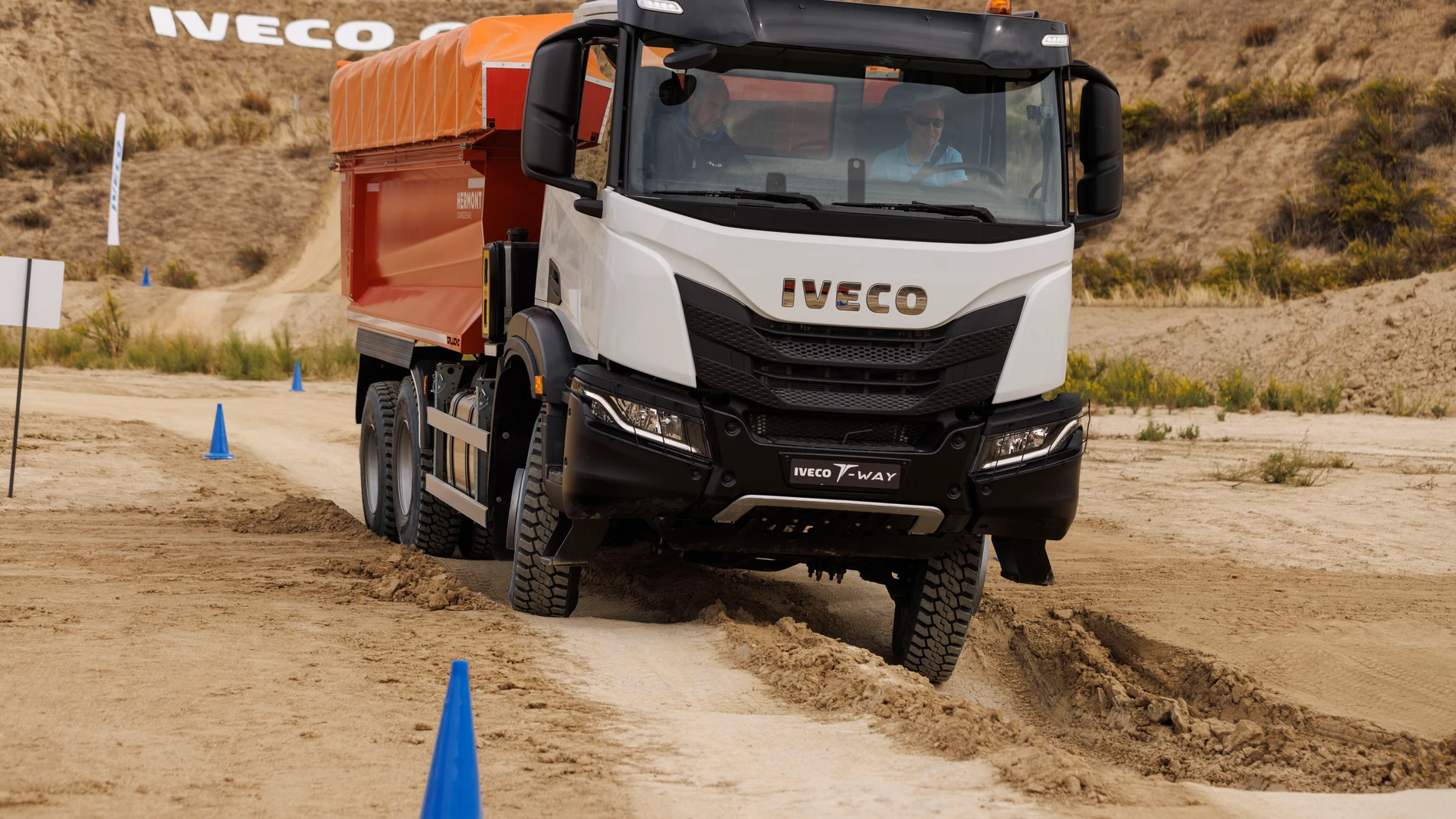
To the casual observer, this looks like the death of a brand—a once-proud Italian name being dismembered for parts. But that analysis misses the most stubborn component in the entire Iveco inventory: the off-road DNA baked into its chassis since the days of the OM and Fiat V.I. lineage. That genetic code doesn’t transfer with a share certificate. It lives in the engineering, the military contracts, and the very real vehicles still crawling over mountain passes from Montenegro to the Sahara.
The Daily Proof: Function Over Fashion
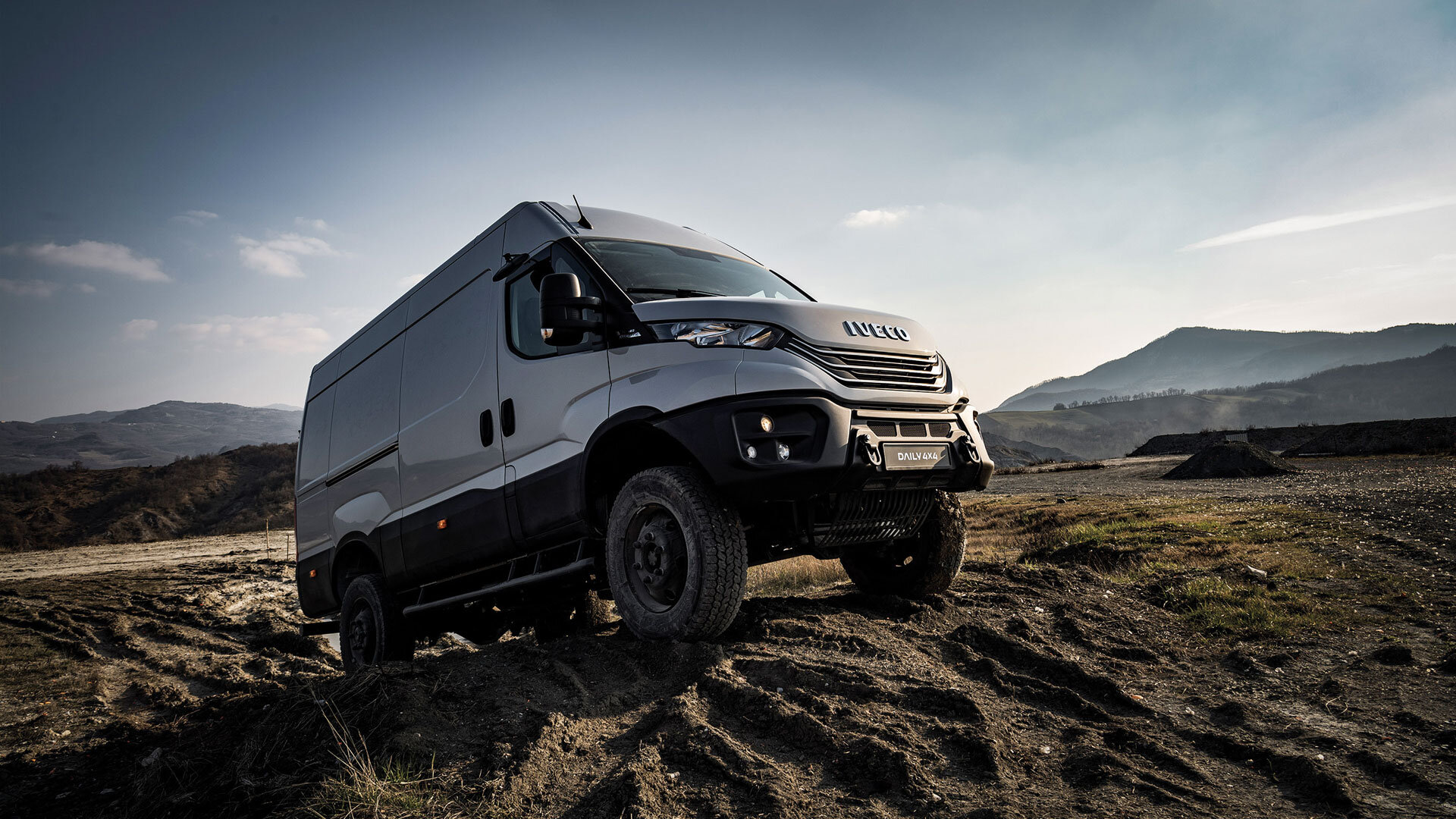
Scroll past the balance sheet headlines and you’ll find the delivery of 31 military vehicles to Montenegro, alongside the ongoing saga of the Daily—a van that has become the unofficial workhorse of every construction site, utility crew, and expedition outfitter across Europe and beyond. The Daily is physical proof that Iveco’s soul isn’t in Turin’s boardrooms; it’s in the dirt.
This is a vehicle that has never apologised for its ladder-frame chassis, its leaf-sprung rear axle, or its willingness to be abused. While competitors flirted with unibody car-derived vans, Iveco kept the Daily brutally functional—offering a 4x4 variant that is less marketing gimmick and more genuine off-road tool, capable of fording rivers and climbing gradients that would embarrass many purpose-built SUVs. That’s not corporate strategy. That’s heritage, welded into place and tested over decades.
What Tata Is Actually Buying
When Tata ownership fully materialises, expect cost discipline and platform sharing—the Indian conglomerate’s known playbook. There will be pressure to rationalise, electrify, and squeeze margins from the commercial vehicle division. But Tata isn’t buying a shell; it’s buying a capability.
The Indian market is notoriously unforgiving on rough terrain, and Tata’s domestic lineup has long understood the value of a rugged ladder frame. The synergy here isn’t about badge engineering but a shared respect for utilitarian ethos. Iveco’s off-road expertise—honed through decades of supplying military forces and civilian fleets in developing nations—is precisely the kind of intellectual property that cannot be replicated in a wind tunnel or a digital twin. It lives in the suspension geometry, the transfer case ratios, and the calibration of traction control systems evolved through years of punishing real-world feedback.
Meanwhile, the Leonardo deal for Iveco Defence Vehicles adds another layer. The military arm, with its €6 billion backlog, is being absorbed into a state-backed defense champion, ensuring heavy tactical vehicles—the Trakker, the MTV—continue to be developed in Italy. But the engineers who designed those machines don’t evaporate when the legal entity changes. The people who understand how to build a vehicle that survives an IED blast or navigates a washed-out bridge remain in the ecosystem, often moving fluidly between civilian and military divisions. That fluidity keeps the off-road DNA from being confined to a single factory or corporate structure. It’s a shared knowledge base—regional expertise that transcends the current ownership squabble.
Beyond the Red Ink
The recent quarterly loss is a distraction in this context. It reflects the cost of transition, legal fees, and the uncertainty that plagues any major acquisition. But look past the numbers to the operational news: the expanded battery partnership with Microvast, the global CNG systems supply deal for Iveco Bus. These aren’t the actions of a brand in retreat; they’re the actions of a company preparing for its next chapter.
Electrifying commercial vehicles is a daunting challenge, particularly for heavy trucks that must maintain payload and range. Iveco’s approach has been pragmatic—hybridising existing platforms rather than abandoning core competencies. The e-axle patents being fought over aren’t just legal assets; they’re the bridge between the brand’s off-road past and its electric future.
The Real Test
The moment of truth comes in the next decade, when Tata’s accountants scrutinise the R&D budget for the next-generation Daily and question the need for a heavy-duty 4x4 variant in a world of urban delivery fleets. That’s when the off-road DNA must assert itself. The argument won’t be about nostalgia but market resilience.
The global appetite for robust, overland-capable vehicles is growing, not shrinking—driven by disaster relief agencies, infrastructure projects, and adventure tourism. In markets like Africa, the Middle East, and Latin America, the Iveco badge still carries weight that a generic global platform cannot replicate. Tata, with its own experience in challenging conditions, is more likely to understand this than a purely European conglomerate might.
The split may have divided the corporate assets, but it hasn’t divided the engineering philosophy. Iveco’s history is written in mud, rock, and river crossings—not quarterly reports. And that’s a story no merger agreement can rewrite. The mud that binds Iveco’s past to its future is thicker than any ink on a deal sheet, and it will still be there when the lawyers have long since moved on.