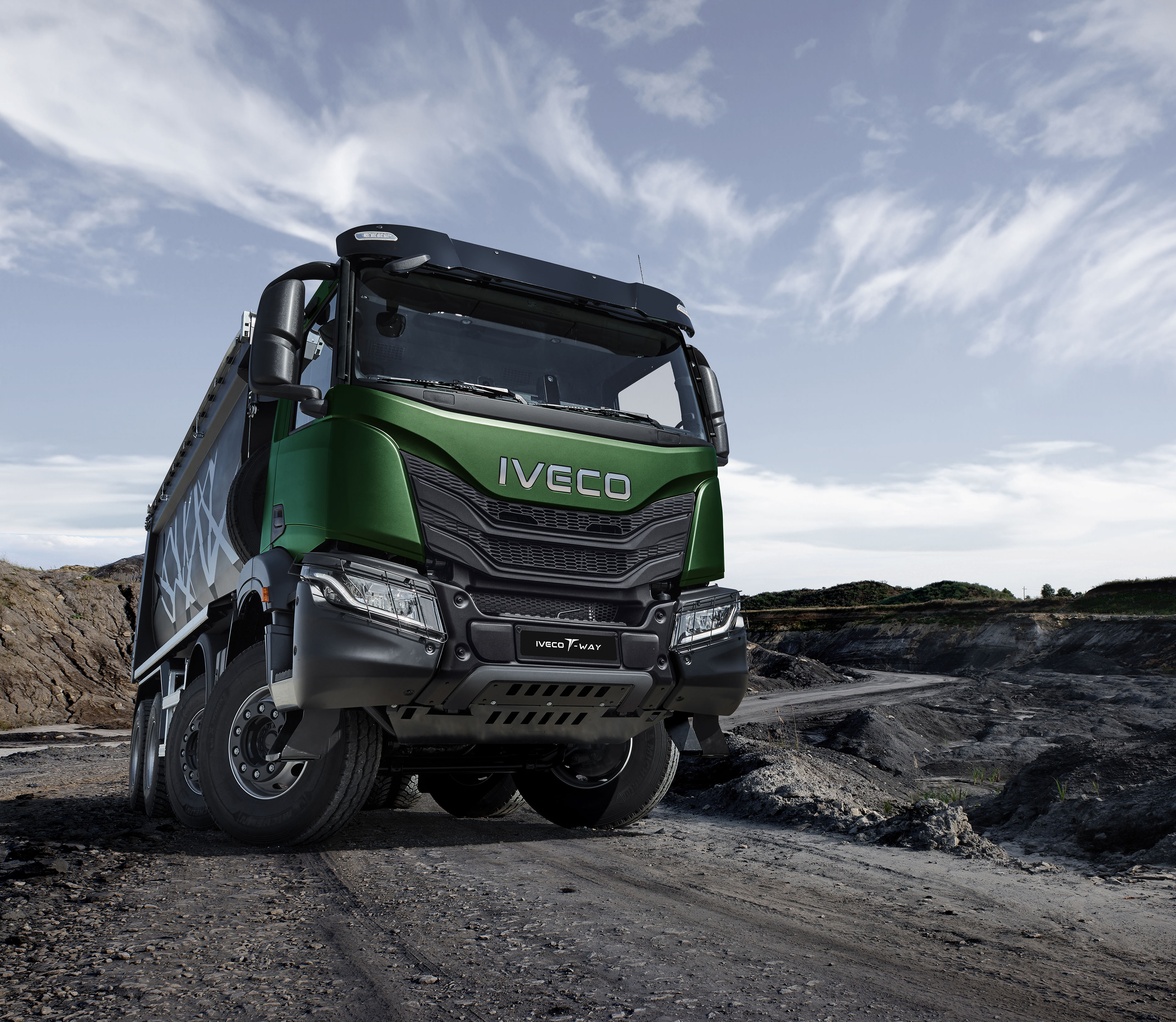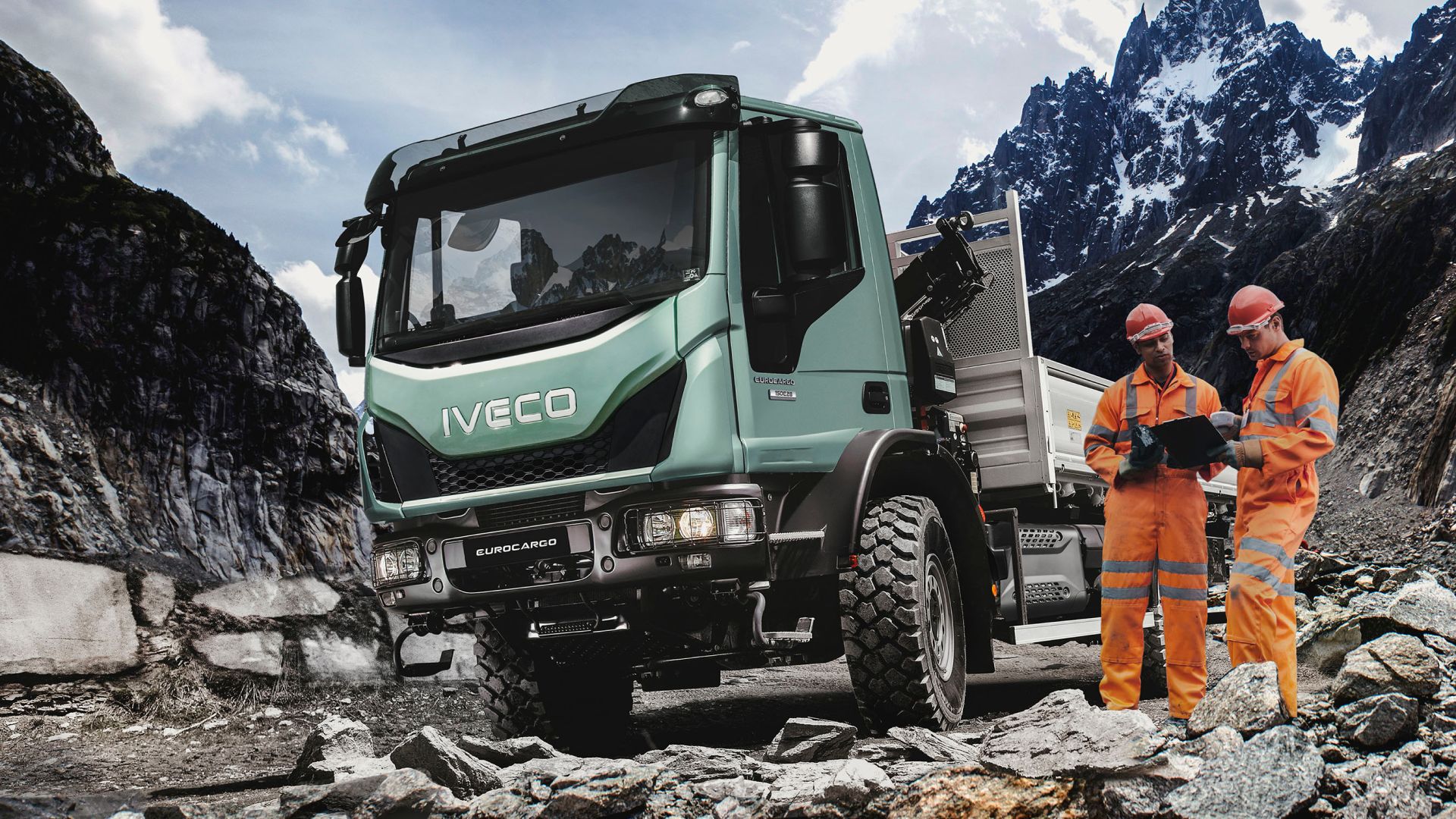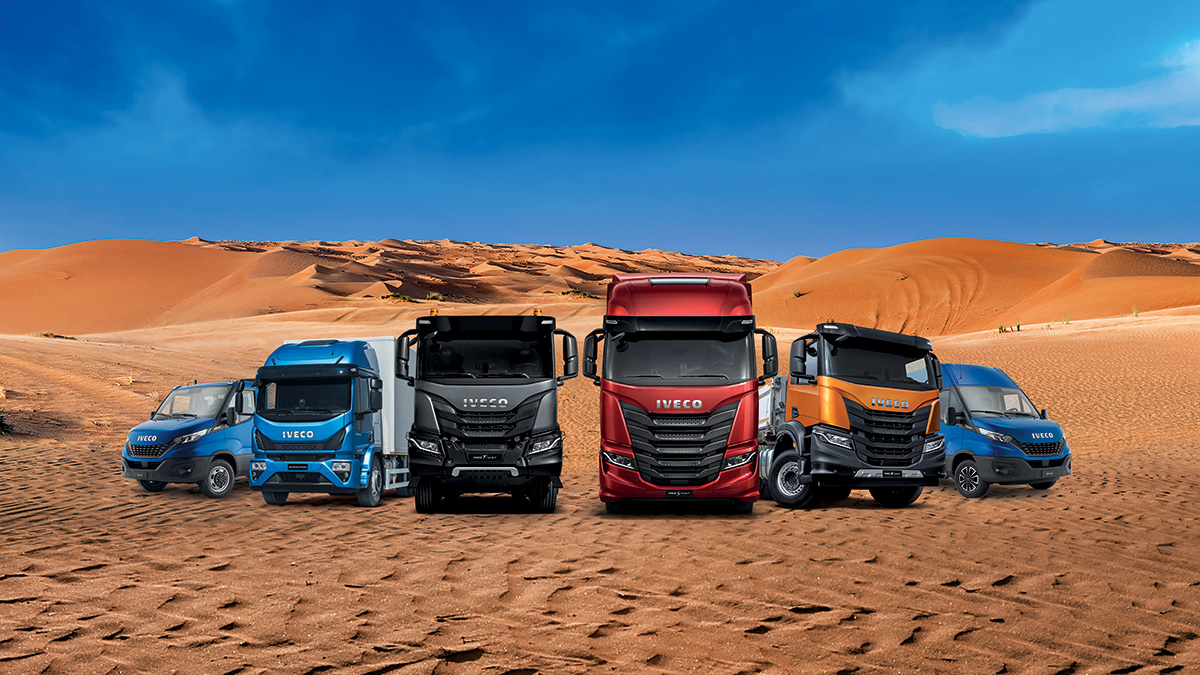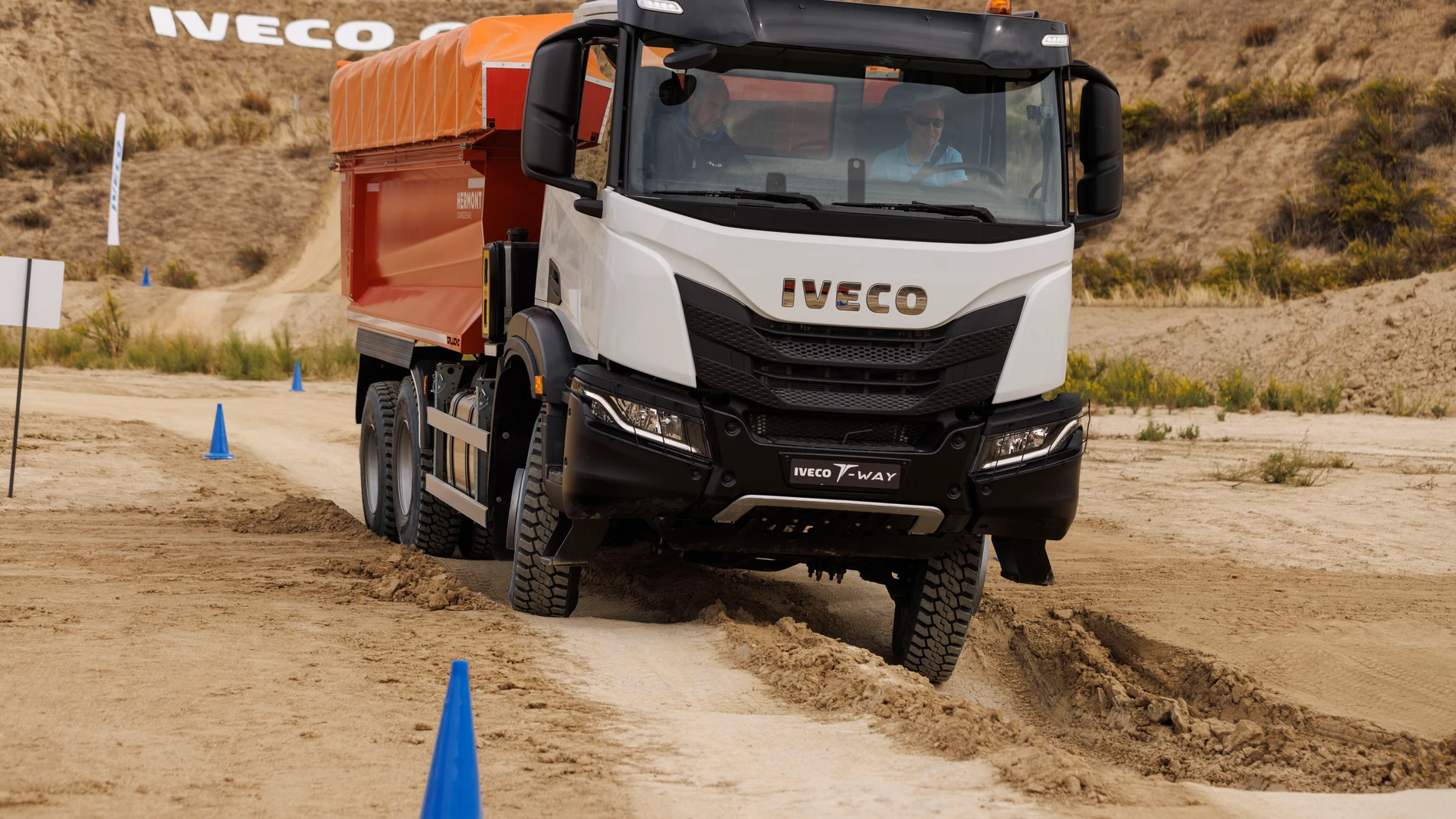
The global conversation about decarbonising heavy transport has collapsed into a binary shouting match: diesel today, hydrogen or batteries tomorrow. But for the operators who actually earn a living on unpaved haul roads — the mining contractors, the timber fleets, the construction outfits shifting material through dust and mud — that binary ignores the most practical answer sitting on the table right now. Iveco has quietly assembled a credible case that compressed natural gas, and increasingly its renewable biomethane variant, is the bridge fuel that works where the tarmac ends.
The logic is refreshingly simple. Battery-electric haulage remains hobbled by payload penalties and charging infrastructure that simply does not exist on remote sites. Hydrogen fuel cell trucks — the direction Iveco is pursuing with Toyota through the EU-funded EMPOWER project — promise the range and refuelling speed that off-road duty cycles demand, but the refuelling network is years from maturity. CNG, by contrast, runs on infrastructure that already exists across much of Europe, South America and parts of Asia, and it delivers immediate reductions in CO2, nitrogen oxides and particulate matter. That last point matters enormously when your trucks are working near communities and sensitive terrain.
The Case for Gas Where It Counts
What makes Iveco's position distinctive is that it has not treated gas as a niche curiosity. The brand's Stralis and S-Way natural gas tractors have proven themselves in regional haulage, and the same stoichiometric combustion principle translates convincingly to construction and quarry specifications, where the torque characteristics of a spark-ignited gas engine suit the low-speed, high-load grind of site work. Add biomethane sourced from agricultural waste or landfill and the well-to-wheel carbon case becomes genuinely compelling — approaching carbon neutrality without waiting for a single hydrogen station to be built.
This is not a story the market has fully priced. The headlines around Iveco this year have been dominated by corporate manoeuvring: Tata Motors launching a €3.82 billion takeover, a shareholder vote on the offer, quarterly losses, Exor crystallising $2.3 billion from stake sales, and a military trucks arrangement with Rheinmetall running behind schedule. Meanwhile the partnership with PETRONAS Lubricants International was renewed to advance commercial vehicle innovation, Hexagon Agility was contracted to supply IVECO BUS CNG systems worldwide, BNP Paribas Leasing Solutions expanded its financial services tie-up with CNH and Iveco Group into Romania, and Pall-Ex took on an electric IVECO truck for zero-emission deliveries. The gas story sits beneath all of it, unglamorous and under-reported.
Pragmatism Over Promises
That is precisely why it deserves attention. Fleet operators on dirt roads are pragmatic people. They will not bet their businesses on infrastructure that does not yet exist, nor will they accept payload sacrifices that erode their margins. A CNG or biomethane truck asks them to change relatively little: similar maintenance regimes, comparable duty cycles, meaningful fuel cost advantages in many markets, and a refuelling experience close enough to diesel to be learned in an afternoon. For a quarry in Lombardy or a logging operation in Minas Gerais, that pragmatism beats a promise.
The driving feel, too, rewards the switch. The spark-ignited gas engine's torque delivery suits the low-speed, high-load grind of site work, and the stoichiometric combustion principle carries over from the brand's proven regional-haulage tractors to construction and quarry specifications without demanding a wholesale rethink of how the truck is operated.
The Strategic Risk
The risk, of course, is strategic drift. If Tata's acquisition reshapes Iveco's product priorities toward volume markets and cost discipline, gas off-road variants could be deprioritised in favour of the electrification narrative that investors reward. That would be a mistake. The dirt-road segment is exactly where gas wins most decisively over its alternatives, and where the brand's engineering heritage in heavy-duty gas engines gives it a defensible lead.
Hydrogen may well be the destination. But the road there is long, unpaved, and lined with sites that need to cut emissions this decade, not next. Iveco already builds the truck for that road. The industry would do well to notice before the takeover paperwork is signed.