The defining constraint of zero-emission heavy transport has never been the fuel cell itself. It has been the map.
Battery-electric trucks have carved a credible niche on fixed, predictable routes — depot charging guaranteed, payload penalties tolerable, duty cycles kind. Venture off that map and the calculus collapses. The unsealed haul roads of a mine. The gravel access tracks of a remote construction site. The flood-ravaged corridors of a disaster response. Iveco has spent the past several years quietly arguing that hydrogen fuel cells are the only credible answer to that collapse, and its partnership with Toyota under the EU-funded EMPOWER project is now the clearest articulation of that argument yet.
The Number That Matters
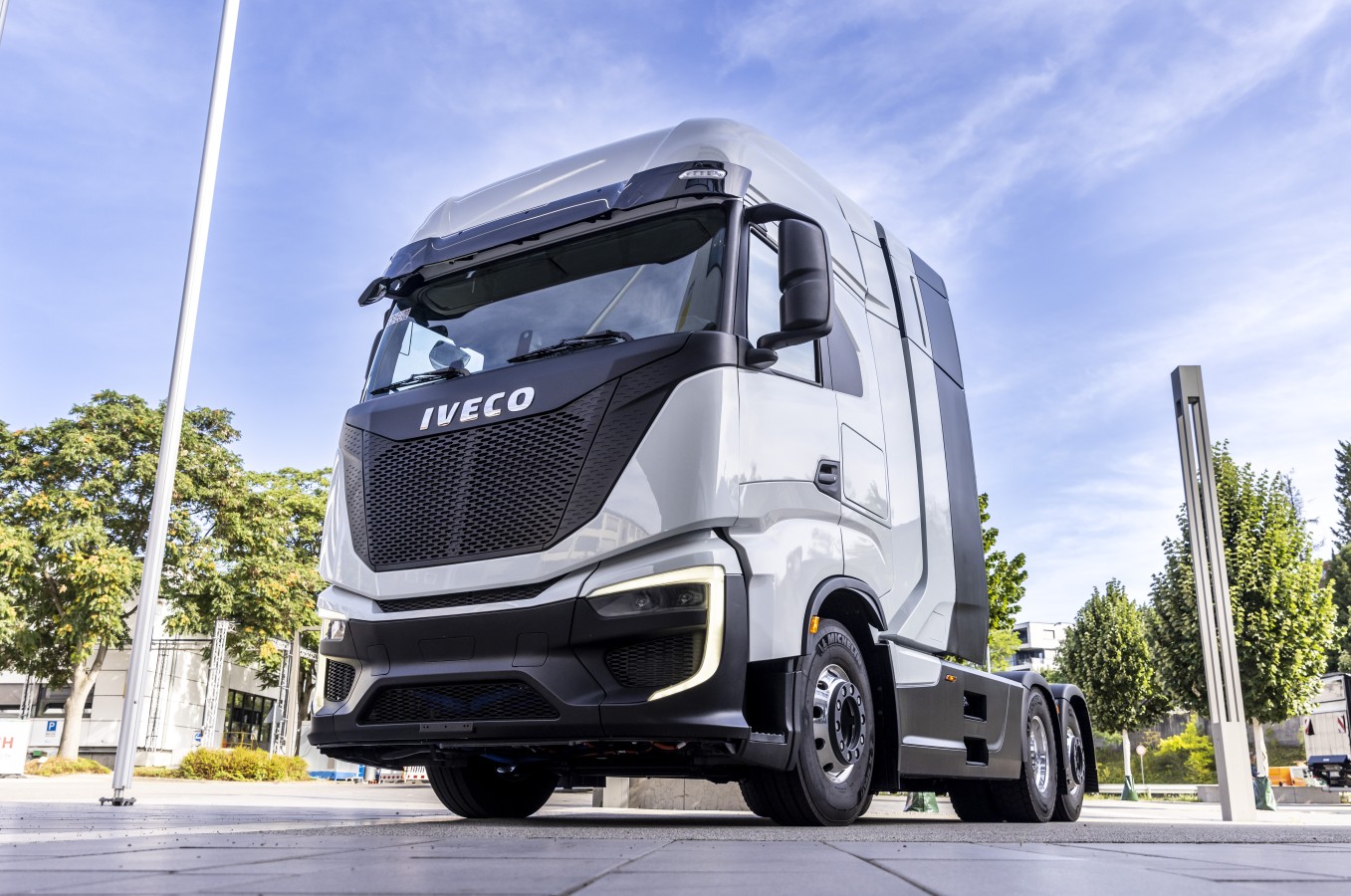
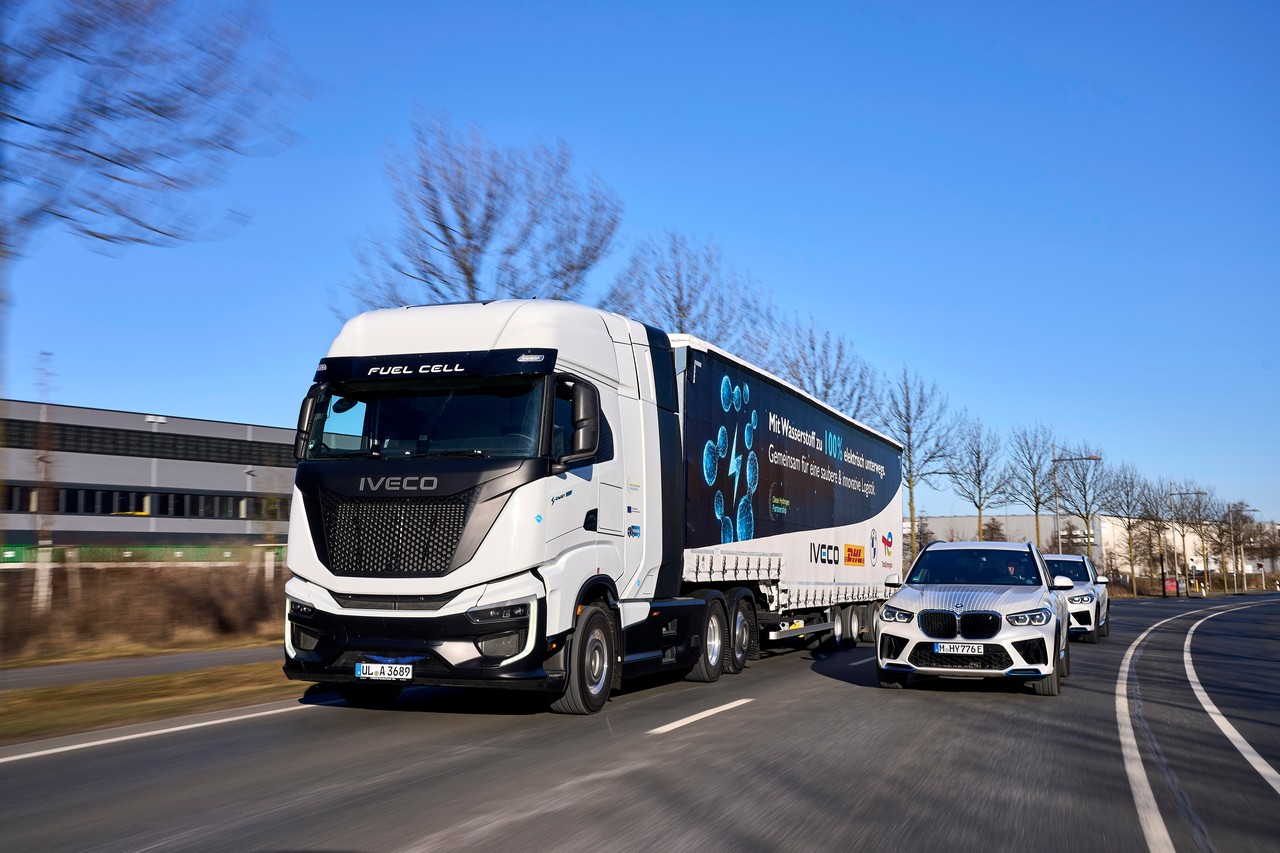
The headline figure is a range exceeding 900 kilometres on a single fill. That number matters less as an endurance record than as a statement of intent: this is not a vehicle engineered around the assumption of urban return-to-base logistics. The next-generation fuel cell heavy-duty truck emerging from the Toyota-Iveco collaboration is designed for the long haul and, crucially, for the unsealed haul.
High-torque electric drive delivered through a fuel cell prime mover offers something a diesel driveline cannot match on technical merit alone — instantaneous, precisely modulated torque at crawling speeds, without the clutch wear and thermal load that plague conventional powertrains on steep, loose gradients. For operators in quarrying, mining, timber, and heavy civil engineering, that is not a green credential. It is an operational advantage.
Engineering the Hardest Duty Cycle
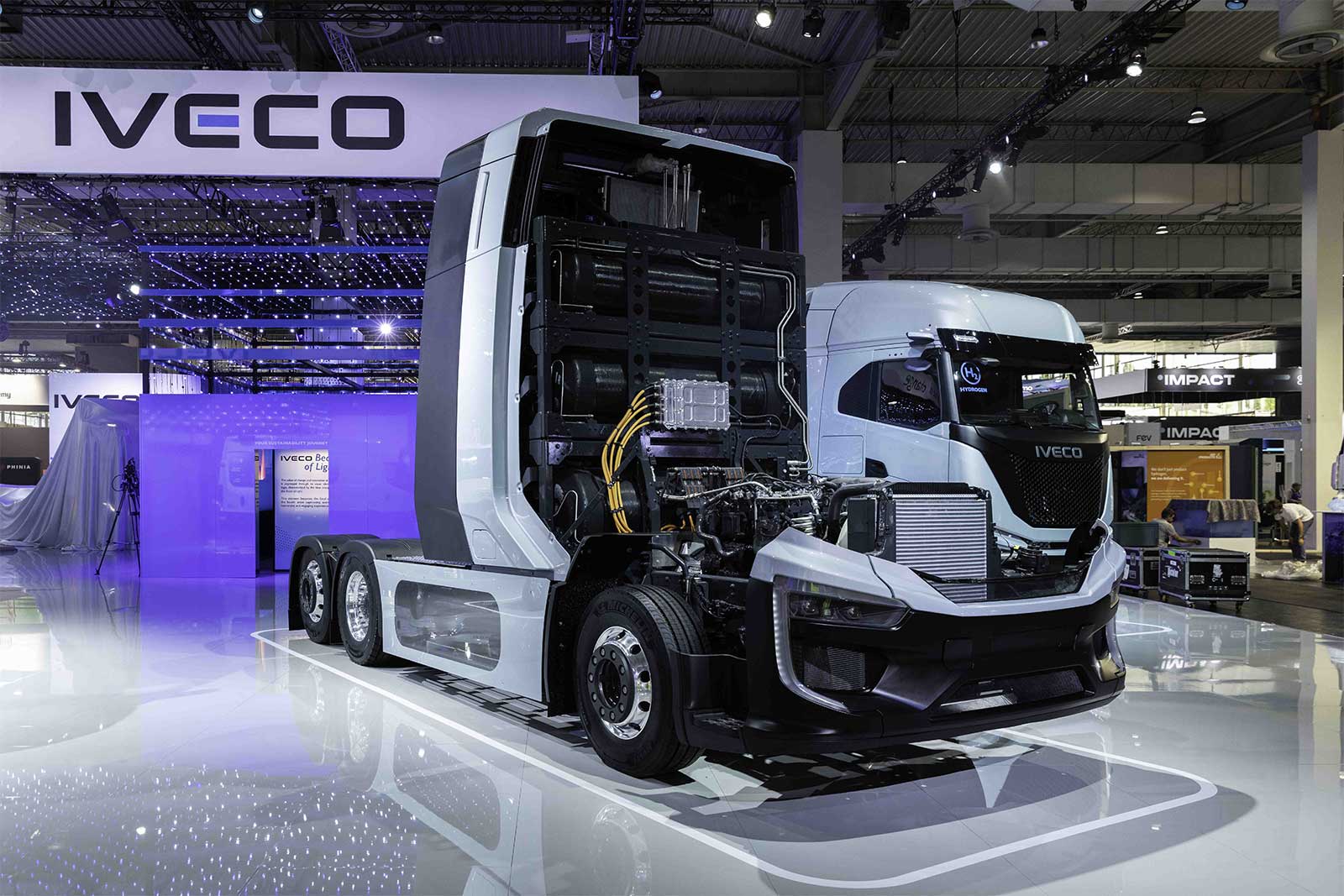
The engineering logic runs deeper than the fuel cell stack, which Toyota supplies from its established second-generation Mirai lineage. Iveco's contribution is the integration: packaging pressurised hydrogen storage without eroding ground clearance, protecting the stack and its thermal management systems from the dust, vibration, and temperature extremes that define off-highway duty cycles, and validating the whole assembly against duty cycles measured in decades rather than warranty periods.
The EMPOWER project, funded through the European Union's research framework, exists precisely to de-risk that integration at fleet scale — instrumented trucks, real payloads, real terrain, real weather. The programme's ambition is not a demonstrator that photographs well at a trade fair. It is a validated platform that a fleet engineer can specify with confidence.
Why Off-Road Is the Last Frontier
This matters because the off-road segment is where decarbonisation has stalled most stubbornly. Mining haul trucks, port reach stackers, and construction plant have largely been exempted from the regulatory pressure applied to on-highway fleets, on the reasonable grounds that no viable alternative existed. Hydrogen fuel cells change that calculation, provided the hydrogen itself is available.
That proviso is the honest caveat: a 900-kilometre range is meaningless without a refuelling corridor, and the build-out of high-pressure green hydrogen infrastructure at remote industrial sites remains the industry's central unsolved problem. Iveco's bet is that the vehicle must come first — that a proven, durable, genuinely capable fuel cell truck creates the demand signal that unlocks investment in production and dispensing. It is a sequencing argument, and it is defensible.
The Corporate Backdrop
The corporate backdrop adds a certain tension to the engineering story. Tata Motors has opened a tender offer for Iveco Group at €14.1 per share, a €3.82 billion move expected to close in the third quarter, following a quarterly loss and a leadership reorganisation that saw the chief sustainability officer depart. A 133% three-year run in the share price has left some analysts arguing the stock is fully valued.
Yet the strategic logic of the Tata combination is difficult to fault: two of the world's more extensive commercial truck networks across Africa and South Asia, merged under one balance sheet, with Iveco's European hydrogen and electrification engineering as the technological spearhead. The eFLEXY electric minibus for demand-responsive transport, with deliveries from the first quarter of 2027, and the continuing Hexagon Agility CNG systems supply agreement show a brand hedging intelligently across multiple powertrain futures rather than betting the company on a single technology.
That hedging is precisely what makes the hydrogen programme credible. Iveco is not a startup chasing a single narrative. It is a century-old manufacturer, now under new ownership, applying disciplined engineering to the hardest decarbonisation problem in road transport. A fuel cell truck that can work a mine site for 900 kilometres between refuelling stops is not a concept car. It is the beginning of an argument that the tarmac was never the whole map.