Infiniti has spent the better part of a decade as luxury's answer to a rhetorical question—a brand perpetually on the verge of a comeback that never quite arrives. Now, with its showroom reduced to a mere three vehicles, the question has sharpened into something more uncomfortable: is this the disciplined reset that finally positions Infiniti for a credible revival, or simply a slow, dignified retreat dressed up as strategy? The headlines this month suggest both readings are live, and the answer may depend less on product than on whether anyone is still paying attention.
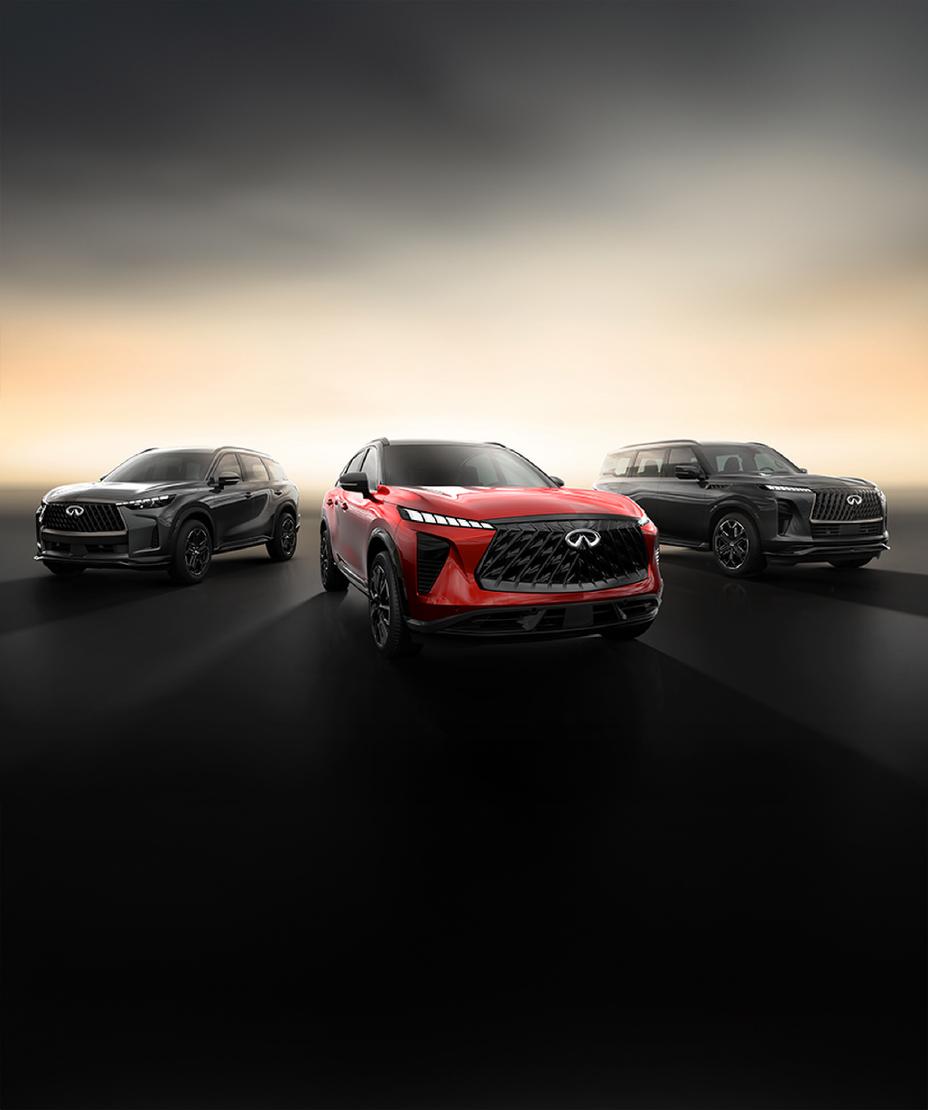
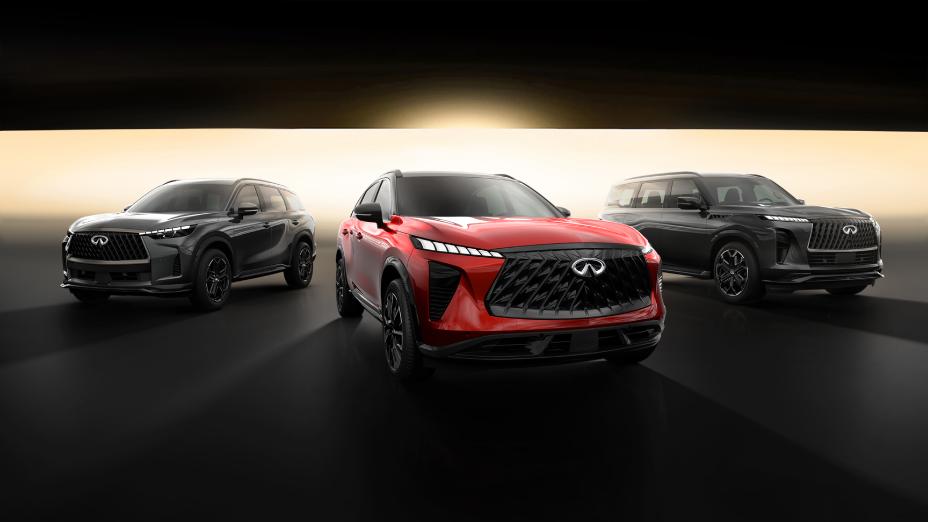
The three-vehicle lineup is the story. The QX60, the QX80, and the incoming QX65 constitute the entirety of Infiniti's present and near future—a portfolio that has quietly abandoned sedans and coupes in favor of the profitable, if less romantic, terrain of luxury crossovers.
Triage by Another Name
On paper, this is textbook consolidation: concentrate resources, cut the models nobody bought, and pour everything into the segments where money actually changes hands. The 2026 QX80 Autograph has drawn genuine praise as a legitimate flagship, a full-size SUV with the presence and cabin craft to compete where it counts. The 2027 QX65, meanwhile, arrives as the brand's great hope—a coupe-styled crossover meant to inject the sort of desirability Infiniti has lacked since the original FX.
That's the theory. The execution is where the pulse quickens or flattens.
The QX65 Problem
The early verdicts on the QX65 are tellingly equivocal. Reviewers have been quick to ask who, precisely, the vehicle is for, and road tests have characterized it as a machine with "daddy issues"—a sharp phrase that captures the awkwardness of a brand still defining itself against the German benchmarks it once aspired to dethrone. The coupe-SUV formula is a crowded field, and arriving late with a competent-but-not-transcendent entry is precisely how Infiniti found itself in this position. The QX60, capable as it is, has long played second fiddle in the three-row conversation. A three-car lineup can work—ask any number of focused premium marques—but only if each entry is exceptional rather than merely acceptable.
A Name With Cachet—Just Not Its Own
The broader context is unforgiving. One recent analysis pointedly contrasted a rival luxury brand's success against the collective struggles of Lexus, Infiniti, and Acura, a reminder that the Japanese luxury cohort has spent years ceding ground to European incumbents and Tesla alike. Infiniti's parent has the resources, but resources without a clear identity are just expensive good intentions. The brand's recent flirtation with the name—a spate of headlines about the actress Chase Infiniti and her festival darling "The Julia Set"—offers an accidental metaphor: a name with cachet attached to someone else's success. Infiniti the automaker could use a fraction of that heat.
Foundation or Holding Pattern?
There is a defensible thesis here. Fewer models means sharper focus, less dealer-floor confusion, and capital redirected toward the electrification roadmap every luxury brand must now navigate. Nissan's broader turmoil complicates the narrative, but a leaner Infiniti with a standout flagship and a genuinely desirable mid-sizer is not a doomed proposition—it is simply an unproven one. The gamble is real, and it is coherent. What remains unanswered is whether three vehicles constitute a foundation or a holding pattern.
A comeback requires momentum, and momentum requires a product cadence that generates anticipation rather than resignation. Infiniti's slimmed lineup is the right first move; whether it becomes a strategy or an epitaph depends on what comes next—and on how quickly the brand remembers that luxury, at its core, is about wanting, not merely buying.