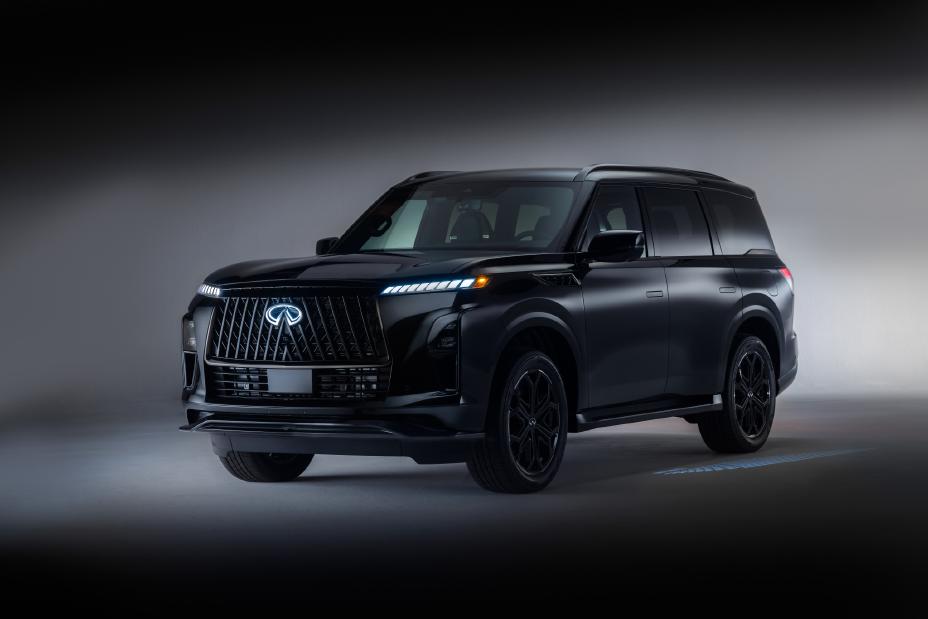
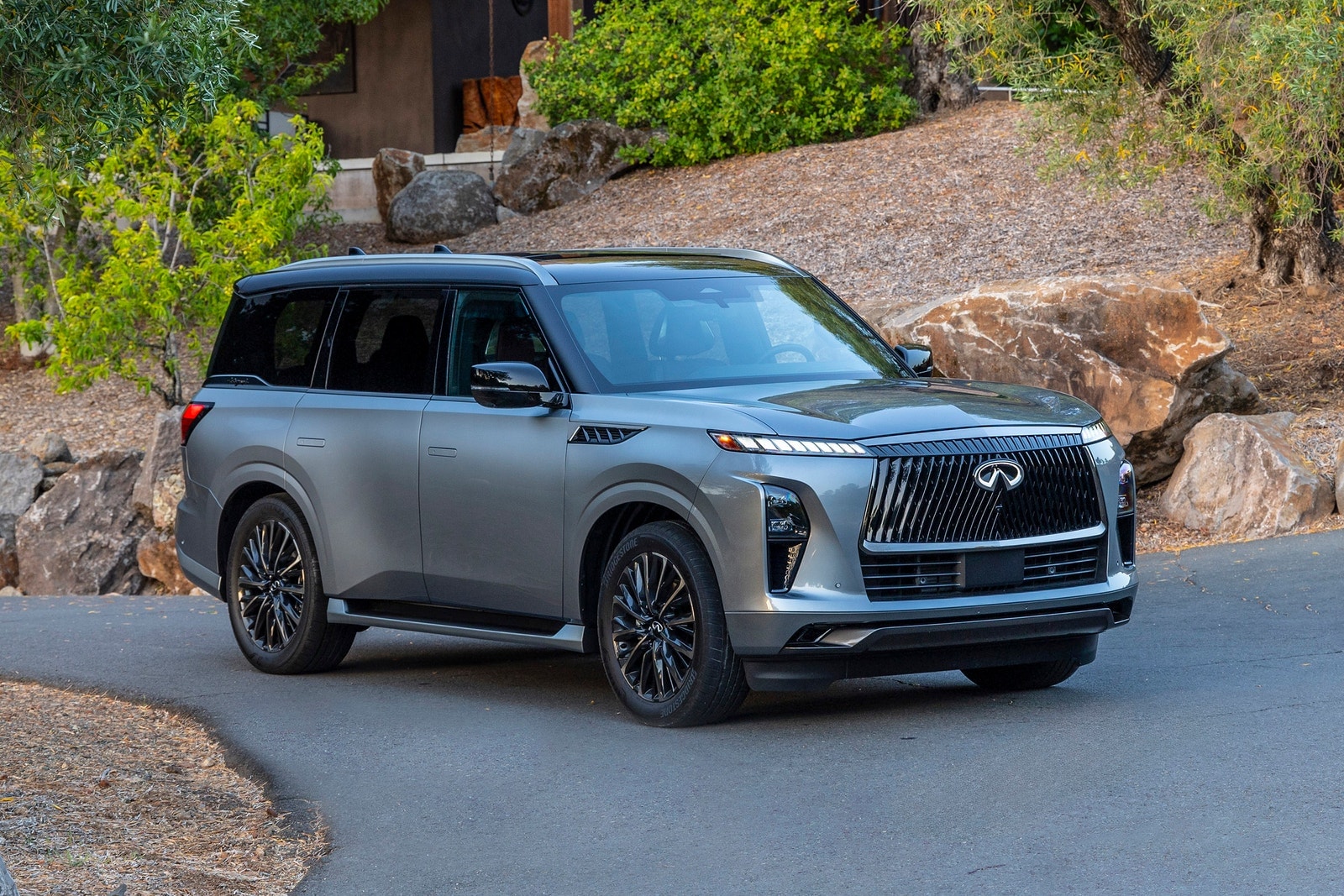
Few things sting quite like watching a flagship luxury vehicle torch its own value. The buyer who signs for a $90,000 Infiniti QX80 isn't just purchasing transportation—they're buying into a promise of enduring prestige. Yet within five years, that same vehicle can shed $52,000 in value, a figure that ought to alarm anyone cross-shopping Infiniti's top-tier SUV. This isn't a minor market wobble. It's a structural problem, and it speaks volumes about how the brand's flagship is perceived once it leaves the showroom floor.
The QX80 has long served as Infiniti's halo vehicle: a full-size, body-on-frame SUV packing a 5.6-liter V8, seating for eight, and enough leather and wood trim to trade blows with the established European marques. On paper, it delivers precisely what luxury buyers claim to want—space, power, and presence. In practice, it delivers something else entirely: a depreciation curve that makes even the most forgiving luxury standards look conservative.
The Numbers Don't Lie
Five-year value retention for the QX80 hovers in the mid-30 percent range. Read that again. A well-equipped example that left the showroom at $90,000 may struggle to fetch $38,000 on the secondary market. That isn't a haircut. That's a shearing.
The reasons are layered, but the primary one is brand equity. In the luxury segment, depreciation isn't determined solely by the quality of the machine—it's determined by the strength of the badge. Mercedes-Benz, BMW, and Lexus have spent decades building resale confidence. Infiniti, by contrast, has spent the last decade cycling through naming strategies, shifting product priorities, and watching its dealership network shrink. The result is a market that views a used QX80 not as a bargain luxury flagship, but as an orphan—a vehicle with expensive parts, thirsty cylinders, and a brand narrative that lacks the gravitational pull of its rivals.
A Lifecycle That Signals Hesitation
Compounding the badge problem is the QX80's own lifecycle. The current generation soldiered on for over a decade with only modest updates, and while a redesign has arrived, the previous model's long tenure signaled to buyers that Infiniti wasn't investing at the pace of its competitors. Luxury buyers notice hesitation. They notice when a flagship is left to age while rivals introduce new platforms, electrified powertrains, and technology suites that make the Infiniti feel a generation behind. That perception accelerates depreciation, because the secondary market prices in obsolescence long before the odometer does.
The Running-Cost Penalty
There's also the matter of running costs. A V8-powered, eight-seat SUV is not a vehicle that appeals to the value-conscious used buyer. Fuel economy in the teens, expensive maintenance, and a thirst for premium gasoline make the QX80 a difficult sell once the original warranty expires. The used luxury buyer is often hunting for a deal on something that still feels special, but the QX80's operating costs undermine that appeal. It's one thing to buy a depreciated flagship; it's another to feed one.
Infiniti's broader lineup does little to bolster the flagship's residual values. The brand's sedans have largely faded from relevance, and its crossover lineup, while competent, lacks a breakout model that generates genuine cultural heat. When a brand's overall desirability is questioned, its most expensive vehicle suffers the most. The QX80 becomes a symbol of the brand's struggles rather than a testament to its capabilities. That's the cruelest irony: the flagship is often the best vehicle Infiniti builds, and yet it's the one the market punishes most severely.
Seductive Math, Perilous Reality
For buyers, the math is seductive but perilous. A three-year-old QX80 at $45,000 looks like a steal compared to a new one. But the depreciation doesn't stop when you buy it. It continues, and when you go to sell, you'll discover that the market's disinterest isn't a temporary condition. It's a verdict.
For Infiniti, the challenge is existential: a flagship that cannot hold value cannot hold prestige, and a luxury brand without prestige is simply an expensive one. Until the brand rebuilds its desirability from the ground up, the QX80 will remain a cautionary tale—a $52,000 lesson in what happens when a flagship sails without a fleet behind it.