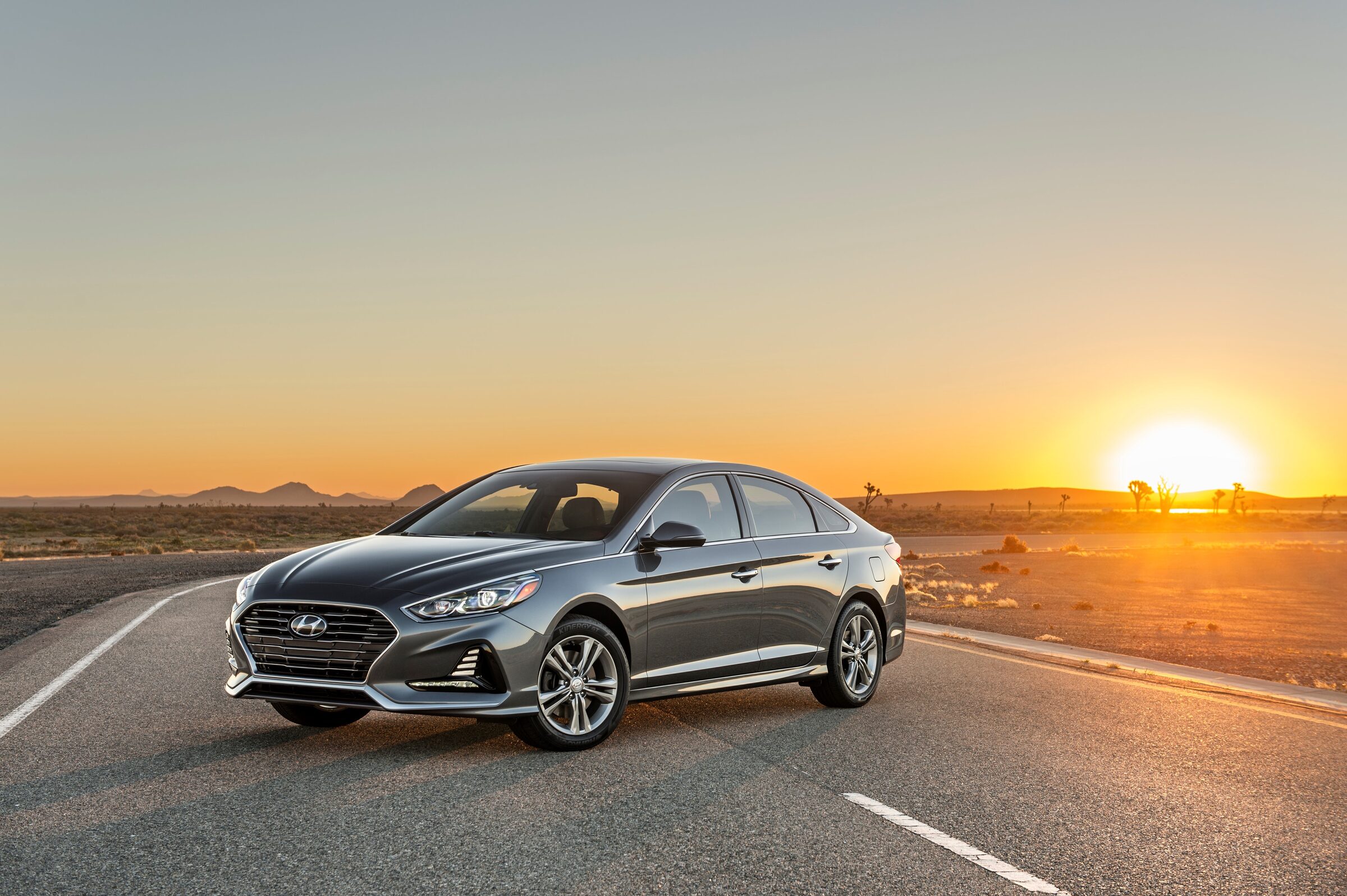
For years, the rivalry between Hyundai and Kia has been scored as a draw. Two branches of the same corporate family, sharing platforms, powertrains, and engineering DNA, separated only by styling and the dealership experience. It's a convenient framing—and increasingly, it's wrong. While both brands have climbed the quality ladder together, a closer look at the sedan segment reveals something the spec sheets and shared parts bins obscure: Hyundai's four-door lineup is quietly, methodically winning the reliability war. Not with marketing bravado, but with the unglamorous discipline of iterative refinement—the kind of engineering patience that never photographs well yet shows up in year seven of ownership.
The distinction matters most where buyers tend to be pragmatists rather than enthusiasts. The Elantra and Sonata have benefited from a deliberate cadence of mid-cycle corrections that Kia's sedan counterparts—the Forte and K5—haven't matched with the same consistency. Hyundai has been quicker to retire problematic components, recalibrate transmissions, and revise software logic in response to field data. That responsiveness is the invisible architecture of reliability. It doesn't generate headlines, but it generates loyalty—and it explains why independent repair data and owner-survey trends have begun tilting toward the Hyundai side of the family tree.
The Discipline of Iteration
Reliability, at its core, is a story about what a manufacturer does after the launch party ends. Hyundai's approach in the sedan space has been conservative in the best engineering sense: naturally aspirated and hybrid powertrain options matured through multiple generations, proven architectures carried forward rather than reinvented, and a willingness to correct course when the data demands it. Kia's sedans, by contrast, have leaned harder into aggressive turbocharging and dual-clutch experimentation. That delivers genuine driving excitement—but it introduces complexity, and complexity is precisely what reliability surveys tend to punish.
This is the quiet trade-off playing out in showrooms. The Elantra and Sonata aren't chasing the most provocative spec sheet in the segment; they're chasing the uneventful service visit. And in a class of car bought by people who plan to keep it, that's not a compromise. It's the whole point.
Supply Chain as Engineering Strategy
None of this happens in a vacuum. Hyundai's corporate momentum is unmistakable—the brand has climbed to 29th in the Best Global Brands 2026 ranking, a testament to a decade of deliberate reputation-building. But the more telling signal sits upstream of the assembly line. Boston Dynamics' Atlas supply chain has gone all-Korean, led by Hyundai Mobis, with a 10,000-unit order in sight—a manufacturing rigor that filters down to consumer products. Add the company's $5.8 billion steel mill investment, discussed by the South Korean ambassador during an LSU visit, and a vertical-integration strategy comes into focus that gives Hyundai tighter control over material quality than most rivals can claim.
When you own more of the supply chain, you own more of the failure modes—and you can eliminate them before they ever reach a customer. That's not a marketing claim. It's a structural advantage, and it compounds.
The Verdict Culture Shifts
The analytical mood has shifted with the data. Cross-segment reliability comparisons have grown pointed enough that outlets now openly declare winners rather than splitting hairs: Road Ethos recently dug into the reliability data on the 2026 Kia Sportage versus the 2026 Hyundai Tucson and found one clearly wins—a verdict that would have been unthinkable a decade ago. Apply that same scrutiny to sedans, where Hyundai's conservative, proven engineering choices favor the Elantra and Sonata, and the pattern holds. The sibling rivalry hasn't cooled. The scorekeeping has simply gotten more honest.
The Better Back End
There's also the matter of dealer-level stewardship—the part of reliability that lives in the service bay rather than the brochure. Hyundai's service networks have invested heavily in diagnostic infrastructure and technician training, and the payoff is measurable in how quickly systemic issues get resolved rather than deferred. The Ioniq 6, now entering its third year of real-world ownership, has generated a body of owner feedback that paints a picture of a brand responsive to early-adopter complaints—a cultural trait that carries straight over to its combustion sedans. Reliability isn't merely what happens on the assembly line; it's what happens three years later, when a car needs its maker to show up.
None of this dismisses Kia. The two brands remain locked in a rivalry that benefits consumers enormously, and Kia's design-led resurgence deserves every accolade it has earned. But the reliability narrative is shifting, and it's shifting in the sedan segment first—where engineering conservatism, supply-chain control, and service responsiveness compound over time. Hyundai isn't shouting about it. It doesn't need to. The Elantra and Sonata are making the argument one uneventful service visit at a time, and the data is starting to speak louder than the marketing ever could.


