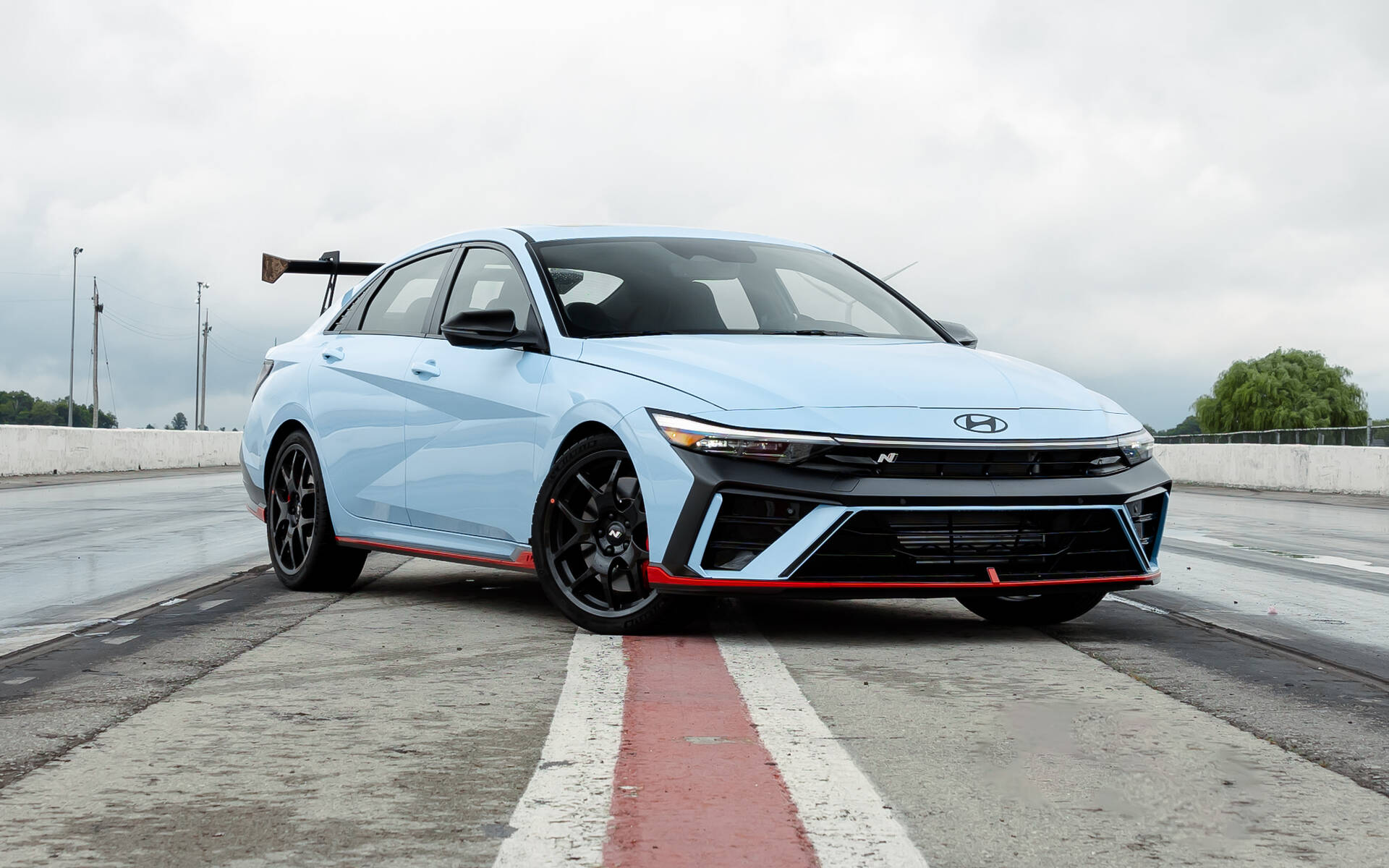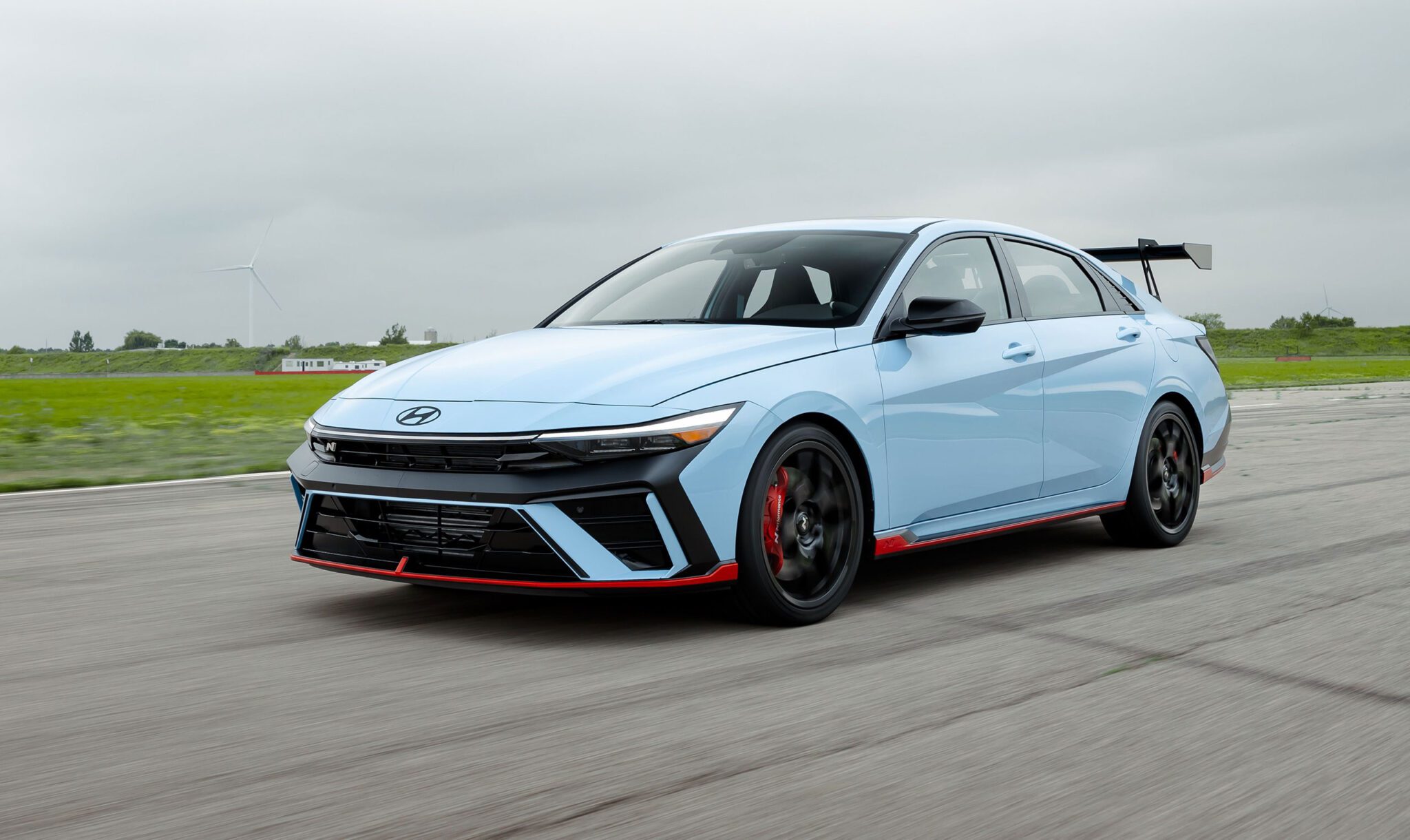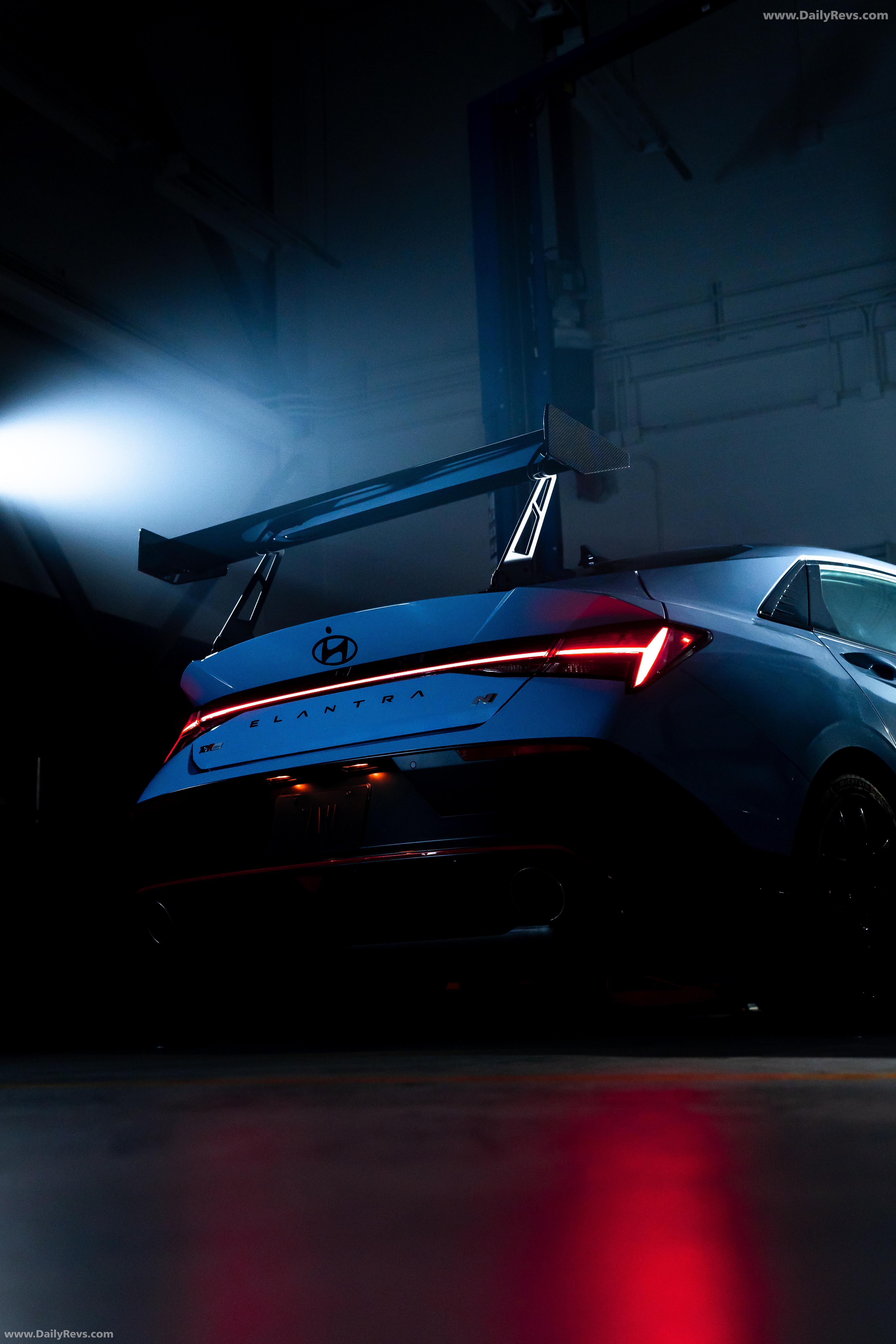
We’ve heard the eulogy a thousand times: the sedan is dying, put out to pasture by the crossover and the SUV. But while the segment’s sales charts have flatlined, something far more interesting has happened at the enthusiast fringe. We aren’t just getting warmed-over sport packages with bigger wheels and louder exhausts anymore. We are getting genuine, factory-built track weapons—and no model embodies that shift better than the 2026 Hyundai Elantra N TCR Edition. This isn’t a sticker-and-suspension special. It’s a homologation-inspired manifesto that takes the already brilliant Elantra N and turns the intensity dial past eleven.
Hyundai’s N division has always been the brand’s rebellious alter ego, a crew of engineers obsessed with lap times and steering feel. But with the TCR Edition, they’ve moved from building a hot sedan with a track-day mode to building a road-legal race car that happens to have rear seats. The TCR name isn’t marketing fluff—it’s a direct nod to the Touring Car Racing series where the Elantra has been a dominant force. And the road car translates that racing DNA into tangible hardware.
Built for the Apex, Not the Autobahn
The most significant change is the fitment of 19-inch forged alloy wheels wrapped in Michelin Pilot Sport Cup 2 tires. That’s semi-slick rubber, the kind of compound that transforms cornering limits from “impressive” to “silly.” Combined with a revised suspension tune—stiffer springs, recalibrated dampers—the TCR Edition eliminates the body roll that still exists in the standard N. The result is a flat, telepathic response to steering inputs that feels utterly surgical. This is a car that doesn’t lean into corners; it carves them.
On a tight circuit, the TCR Edition is a scalpel. You can brake later, turn in harder, and get on the power earlier than you ever thought possible in a sedan priced under $40,000. The chassis works in perfect harmony, the rear axle following the front with a neutrality that’s rare in front-wheel-drive cars. It’s communicative enough for a novice, yet deep enough for a professional. The car rewards commitment and skill, and it does so without ever feeling nervous or edgy.
A Manual for the Purist
Perhaps the most controversial—yet brilliant—decision is the standard-fit six-speed manual transmission. While a dual-clutch automatic is available, the TCR Edition is positioned purely for the purist. You can’t buy this car with Hyundai’s superb eight-speed wet DCT without missing the point. The manual gearbox puts the driver in complete control of the 2.0-liter turbocharged four-cylinder, and that’s exactly where you want to be.
With 276 horsepower and 289 lb-ft of torque, the engine remains a gem—a torquey, free-revving unit that pulls hard from low in the rev range and screams to its redline with a characterful, slightly raspy note. But the TCR Edition’s magic isn’t just in the peak numbers; it’s in the response. The throttle mapping is sharper, the rev-matching system is flawless, and the mechanical limited-slip differential claws at the pavement with ferocious intent. This is an engine that feels alive in your hands, eager to be pushed, and endlessly rewarding when you do.
A Cockpit That Means Business
Inside, the TCR Edition sheds any pretense of luxury for function. The N-specific bucket seats are heavily bolstered, hugging the driver like a racing harness. The steering wheel is wrapped in grippy Alcantara, and the cabin is a purposeful place. The digital instrument cluster offers a dedicated track mode that displays oil temperature, boost pressure, and lap times. This is a car that doesn’t just invite you to drive it hard; it demands it.
There’s no unnecessary ornamentation here, no fake carbon fiber or ambient lighting gimmicks. Just the essentials, presented with the clarity and intent of a race car. It’s a refreshing reminder that sometimes the best cockpit is the one that focuses your attention on the road ahead.
The Sedan, Reborn
This car is a direct shot across the bow of the established European hot sedans. The Honda Civic Type R is fast, but it’s become a bit too clinical and brash. The Volkswagen Golf R is all-wheel-drive and quick, but it lacks the raw, analog engagement of the Hyundai. The TCR Edition is the ultimate expression of the front-wheel-drive performance formula, proving that you don’t need AWD or a massive V8 to have genuine driving fun.
Hyundai is betting that the future of the sedan lies not in transportation, but in pure entertainment. The 2026 Elantra N TCR Edition isn’t a car you buy because you need to get to work; it’s a car you buy because you want to take the long way home, find an empty back road, and chase down the horizon. It’s a brilliant, uncompromising piece of engineering that demonstrates the performance car market isn’t shrinking—it’s concentrating. As other manufacturers abandon the sedan segment to chase SUV profits, Hyundai is doubling down on the enthusiast, offering a car that’s arguably more focused and more exciting than anything else in its class. The sedan isn’t dead; it’s just been reborn as a track-day hero. And Hyundai is leading the charge.