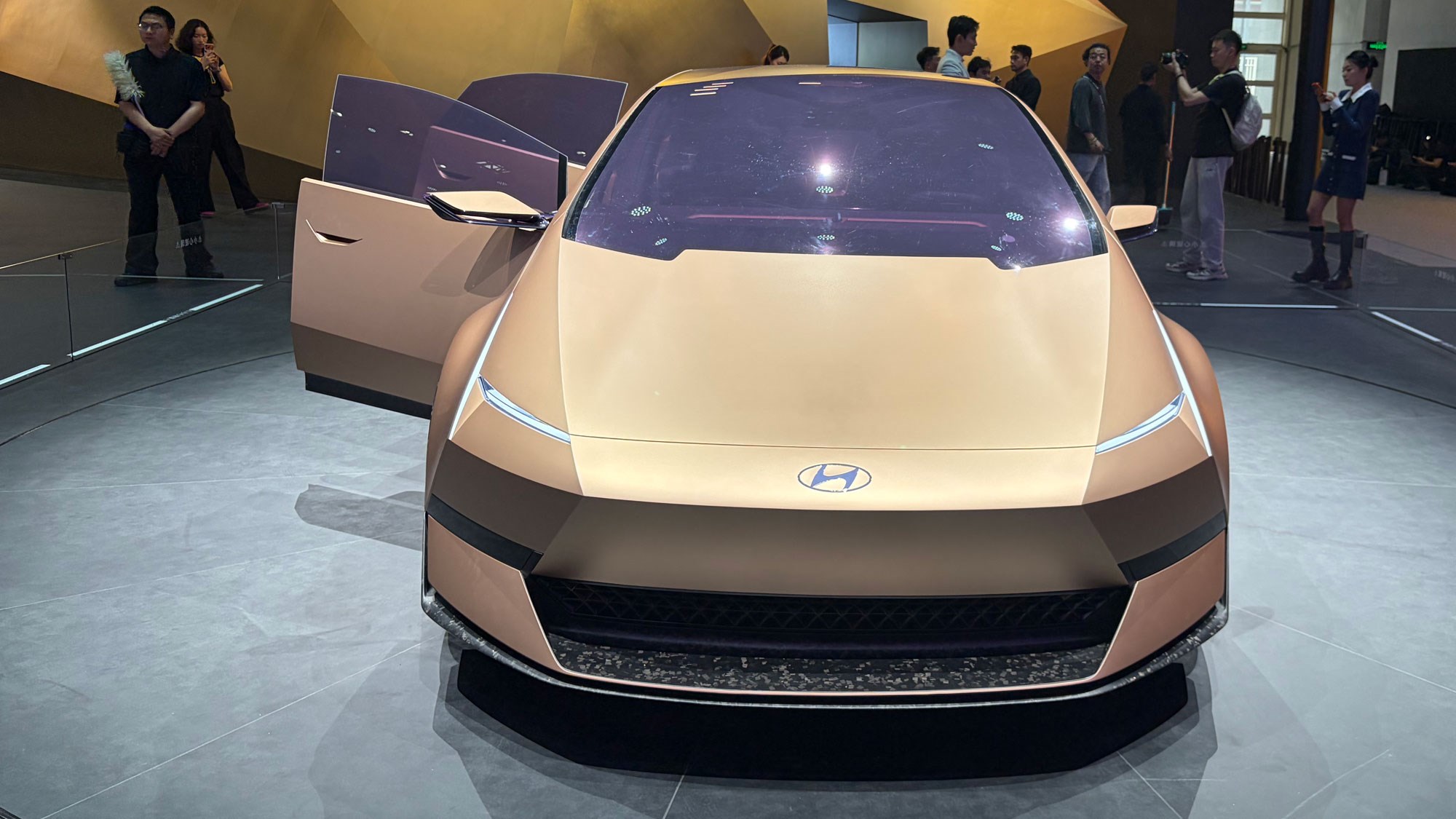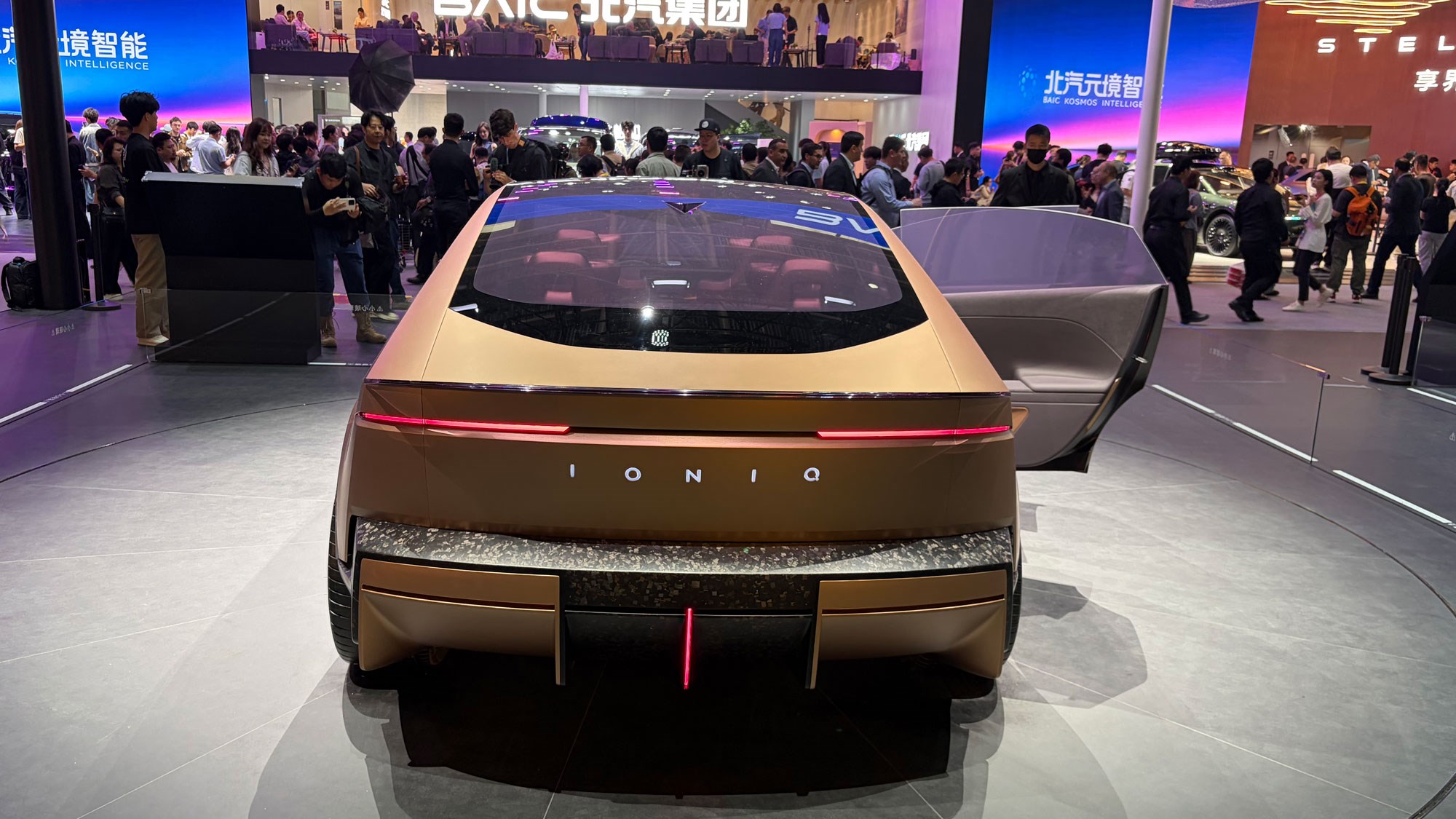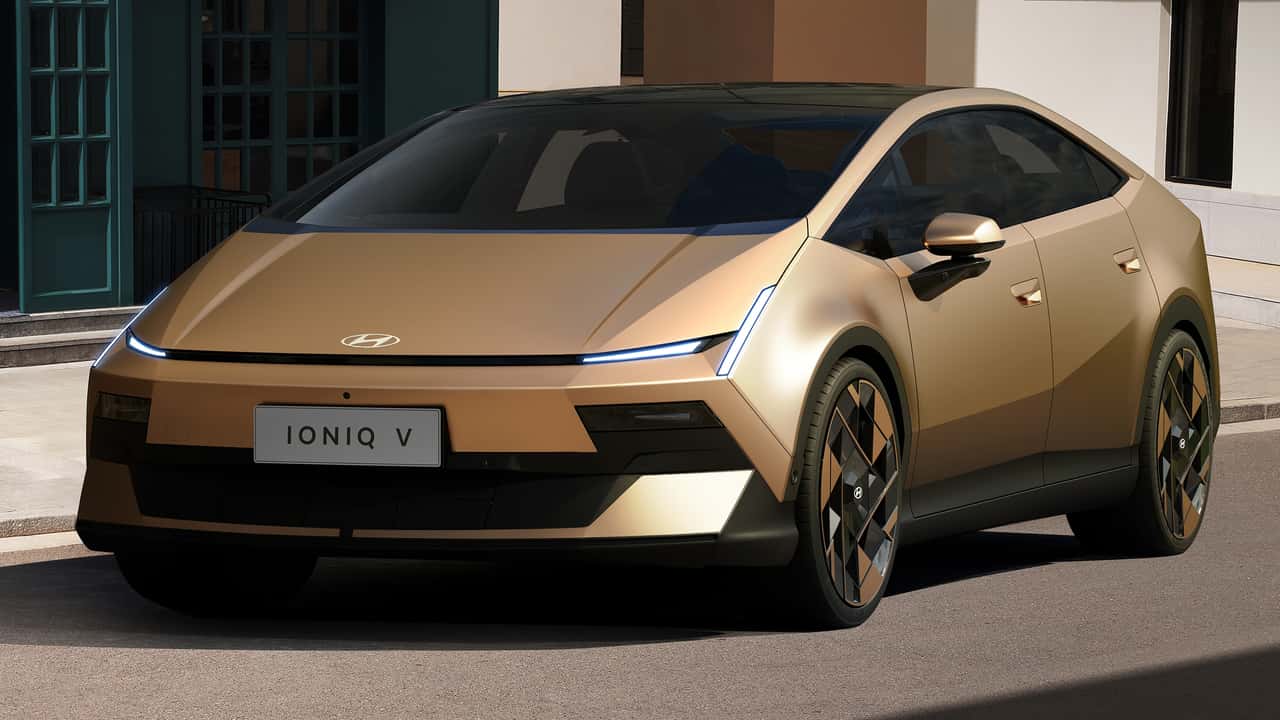
For years, the electric vehicle has been sold to us as a luxury good. Range was the headline, horsepower was the flex, and the price tag was the barrier that kept ordinary buyers on the sidelines. Every new flagship seemed to push the ceiling higher while the floor stayed stubbornly out of reach. Hyundai has just taken a sledgehammer to that ceiling — and, more importantly, to the floor. The Hyundai Ioniq V, a China-tailored electric sedan, arrives with a jaw-dropping 404 miles of range and a starting price of just $16,500. In some configurations, it dips below $15,000.
Read those two numbers again. Then consider what they mean together. This isn't a compliance car, a city-only runabout, or a stripped-out loss leader. It's a four-hundred-mile sedan at a price that, in most Western markets, buys you a modestly equipped combustion compact — or a used EV whose battery is already counting down its remaining cycles. The Ioniq V doesn't ask buyers to swallow range anxiety as the cost of entry. It removes the compromise entirely, and in doing so, it reframes the entire question of what an entry-level EV can be.
The Price That Changes the Conversation
In most Western markets, $16,500 is the price of a modestly equipped compact combustion car — or a used EV with a battery already showing its age. Hyundai is offering a brand-new sedan with a range figure that, not long ago, belonged exclusively to six-figure luxury flagships. That's not incremental progress. That's a reset.
The Ioniq V doesn't ask buyers to accept range anxiety as the price of affordability. It removes the compromise entirely. A 404-mile range at this price point means the entry-level EV is no longer a penalty box. It's a legitimate primary car — one that can handle the daily commute, the weekend run, and the annual road trip without a spreadsheet and a prayer.
A Strategy, Not a Stunt
This is not an isolated experiment. Hyundai is simultaneously preparing the IONIQ 4 and IONIQ 7, expanding its electric lineup in both directions — smaller and larger. The strategy is becoming clear: Hyundai intends to own the full spectrum of the EV market rather than defend a single premium niche.
The Ioniq V sits at the base of that pyramid, and it is arguably the most consequential brick in the structure. A cheap EV that sells in volume does more for emissions, infrastructure, and consumer confidence than a limited-run performance model ever could. Halo cars generate headlines. Volume cars generate change.
The Longevity Question
The timing lands against a backdrop of legitimate proof points. A 300,000-mile Hyundai Ioniq Hybrid was recently documented still running on its original battery — a quiet but powerful endorsement of Hyundai's electrification engineering. Longevity matters as much as sticker price, because affordability is meaningless if the car becomes a disposable liability at 100,000 miles. Hyundai's track record here is not marketing copy; it is emerging as a measurable asset.
The Broader Picture
None of this means Hyundai is without complications. The brand faces a lawsuit over alleged hiring practices at its American operations, a Kona recall overseas, and a $1 million settlement with the city of Columbus tied to vehicle theft issues. These are real reputational and legal challenges, and they deserve scrutiny.
But they sit alongside a broader corporate picture that includes Boston Dynamics robotics testing at the Hyundai Metaplant, a marquee Hope on Wheels pediatric cancer program, and a product offensive spanning the 2027 Tucson, the 2026 Palisade Hybrid, and the enthusiast-favorite Elantra N TCR. Hyundai is not a company resting on one breakthrough; it is a company operating on many fronts at once.
That breadth is precisely why the Ioniq V matters so much. When a manufacturer of Hyundai's scale decides that a 404-mile EV should cost $16,500, it does not merely launch a product — it sets a benchmark that competitors must eventually answer. The affordable EV era has been promised for years. With the Ioniq V, Hyundai has stopped promising and started pricing. For the first time, the numbers genuinely add up.