For nearly a century, the rarefied air at the top of the luxury car market has belonged to Europe. Rolls-Royce, Bentley, and a small circle of storied marques have carved up the world's oligarchs, monarchs, and tech billionaires with the quiet confidence of old money. Now a challenger from Changchun is preparing to crash the party — and it is not arriving quietly.
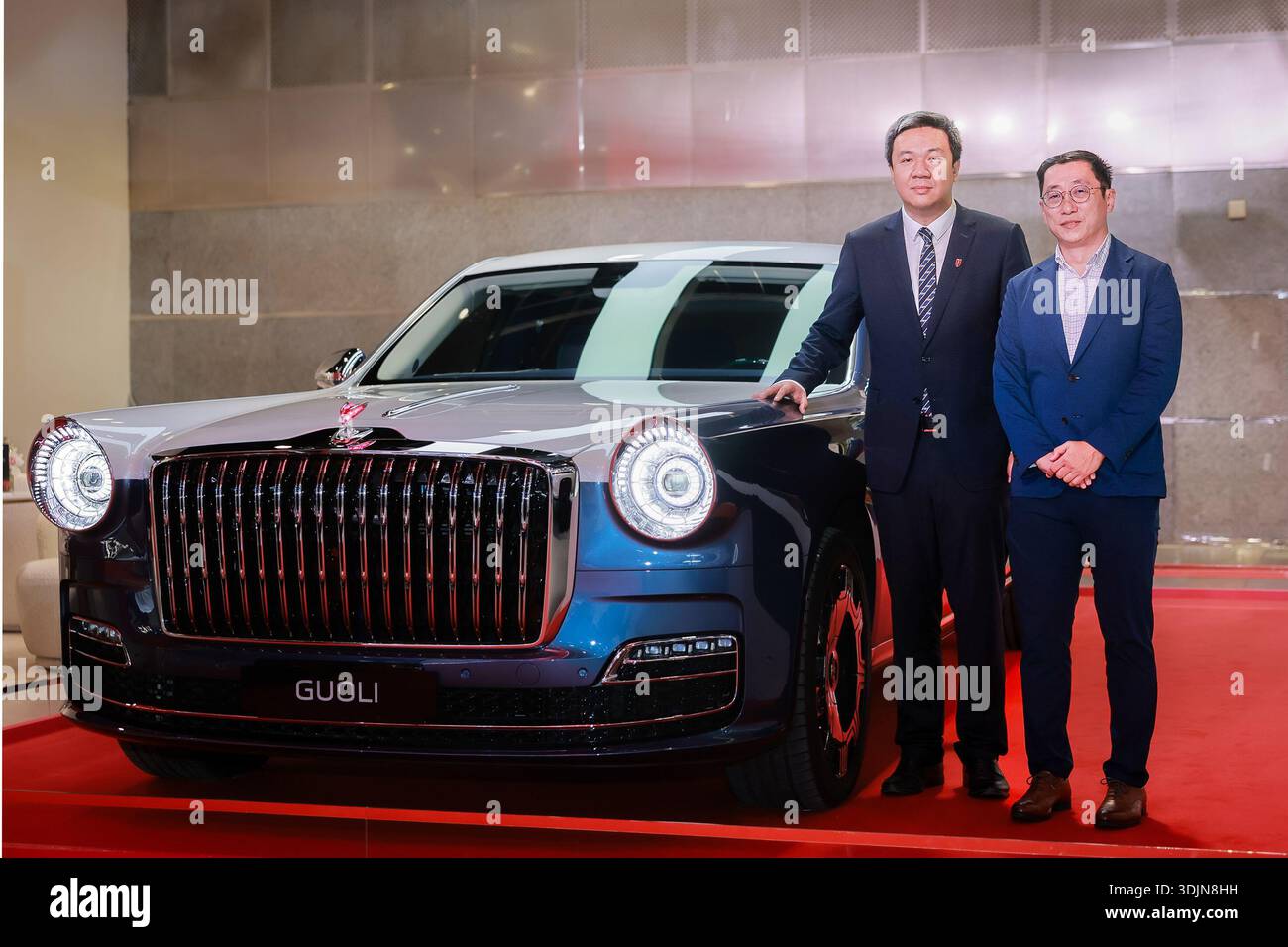
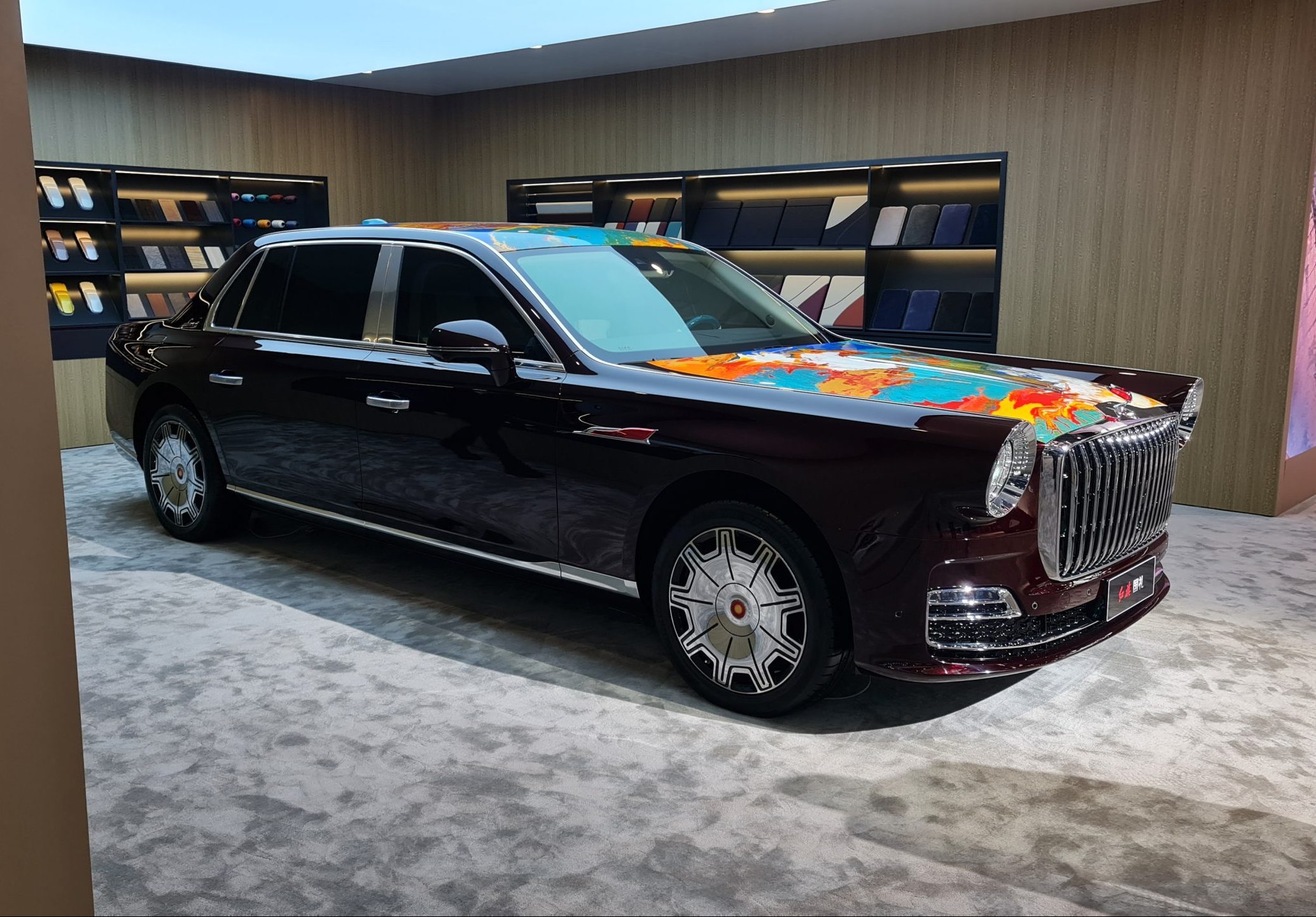
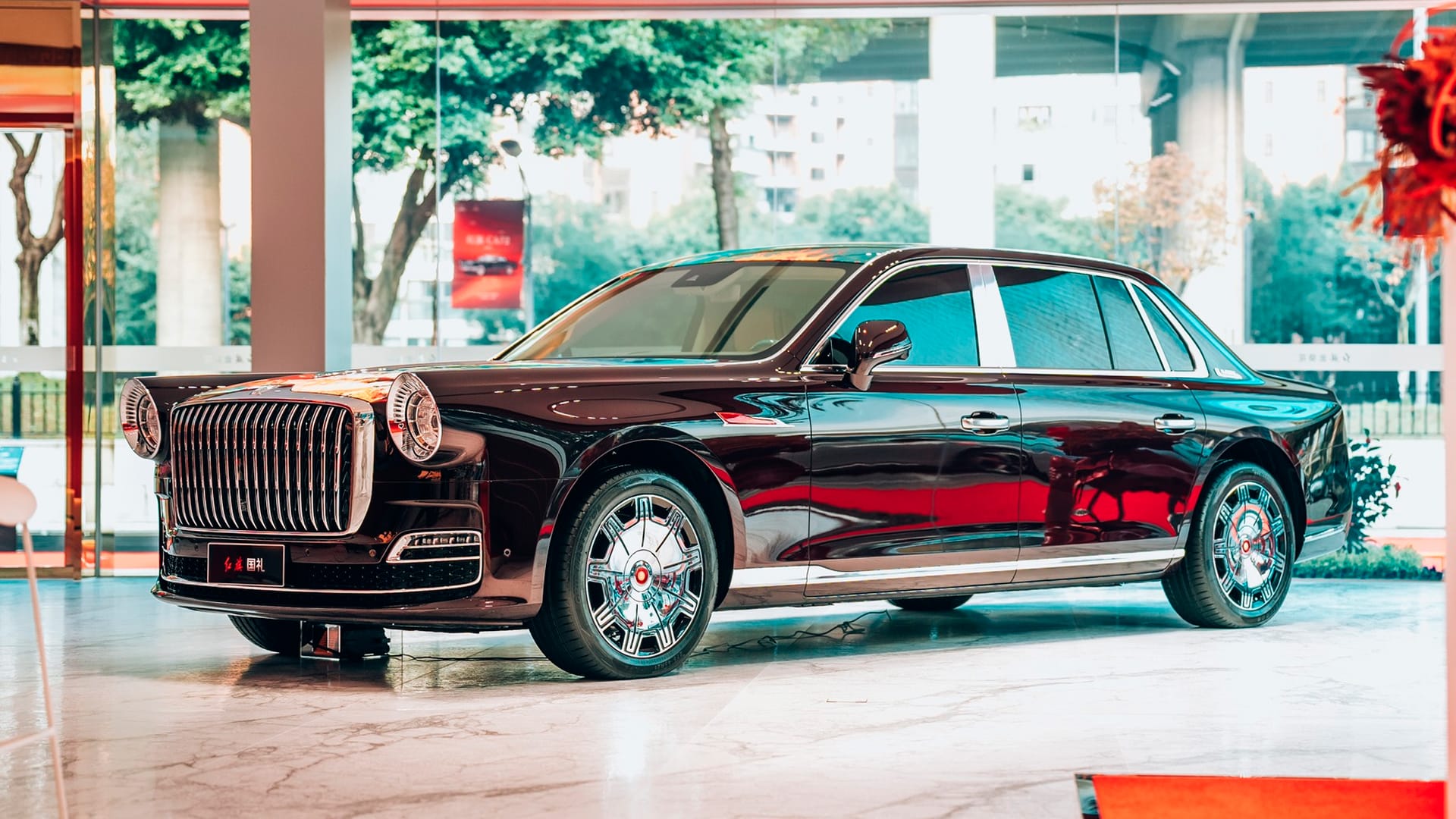
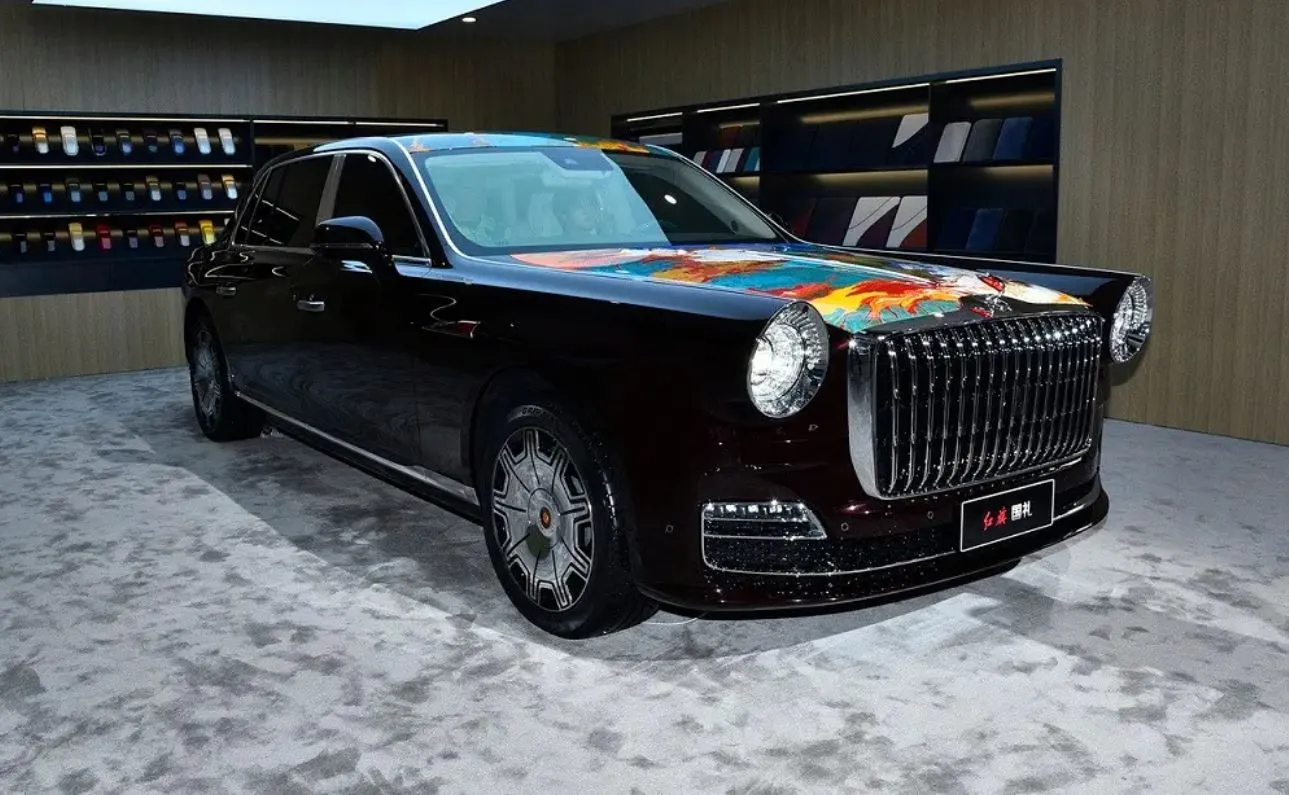
Hongqi, the marque that once built parade cars for Mao Zedong, has unveiled the Guoli, a limousine carrying a reported price tag of roughly $1.5 million. The company is not positioning it as a curiosity or a cut-price curiosity. It is positioning it as a genuine alternative to the Rolls-Royce Phantom. That is not a comparison a brand makes lightly. It is a gauntlet thrown down in the most conservative corner of the car world.
A Name That Means Business
The name itself is a statement of intent. "Guoli" translates loosely to "national gift" or "national ceremony," a nod to Hongqi's origins as the ceremonial transport of the Chinese state. That heritage is not incidental. It is the entire foundation of the brand's luxury claim. Where Rolls-Royce trades on a century of British craftsmanship and Bentley on sporting grand touring, Hongqi trades on proximity to power.
This is the marque whose N701 has ferried Chinese presidents and, as recent coverage of the Xi-Trump summit reminded observers, has already proven itself a match for the American presidential "Beast" in the theatre of statecraft. When Hongqi asks a wealthy buyer to spend Phantom money, it is selling a slice of that imperial gravitas. The pitch is not craftsmanship for its own sake. It is access, symbolism, and the reflected glow of the state.
The Global Land Grab
The audacity is not limited to the price. Hongqi has made no secret of its ambition to take market share from Range Rover and Mercedes-Benz, and the Guoli sits at the apex of a strategy that now spans continents. The brand has confirmed its first models for Australia, with deliveries beginning in 2027, and the Guoli itself is reportedly on the cards for that market. It has opened its first showroom in Indonesia, securing 88 orders since entry. Reuters has reported that Hongqi is eyeing a Stellantis plant in Spain as a foothold for European expansion. And at Auto China 2026, the company unveiled an upgraded global strategy alongside an all-new overseas SUV lineup.
This is not a brand dipping a toe into export markets. It is executing a coordinated global land grab, and the Guoli is the flagship flying the flag.
Engineering Behind the Ceremony
What makes the Guoli compelling, however, is that Hongqi is not merely cosplaying as a heritage luxury house. The company is pouring genuine engineering resource into the endeavour. Its 12C ultra-fast charging battery technology, unveiled recently, signals that Hongqi intends to compete on the technical frontier as well as the ceremonial one. The Tiangong 07 has entered presales, and the EH7 and H5 are already generating comparison tests against rivals in European outlets.
The portfolio is broadening from limousines to SUVs to EVs, and the Guoli is the halo that lends credibility to everything beneath it. That is a familiar playbook — halo car first, volume models follow — but it is being executed at a pace and scale that few legacy brands could match.
The Scepticism Problem
There is, of course, a persistent scepticism to overcome. CarBuzz recently framed Hongqi as "China's knock-off Rolls-Royce," noting that it is outselling the real deal two to one — a statistic that cuts both ways. It demonstrates commercial traction, but it also feeds the perception that Hongqi competes on price and imitation rather than genuine desirability.
The Guoli is designed to answer that critique. At $1.5 million, it cannot be dismissed as a bargain alternative. It must stand on its own merits against a Phantom, a car whose name is synonymous with the very concept of automotive luxury. That is the hardest test in the business, and Hongqi has chosen to take it voluntarily.
Whether the world's wealthiest buyers will accept a Chinese limousine as a peer of Crewe's finest remains an open question. What is no longer in doubt is that Hongqi intends to force the question. The Guoli is not a tentative experiment but a declaration: the nation that built the N701 for its leaders now believes it can build a car for the world's elite. Rolls-Royce has spent a century earning its throne. Hongqi, with the full weight of Chinese industrial ambition behind it, has decided that a century is long enough.