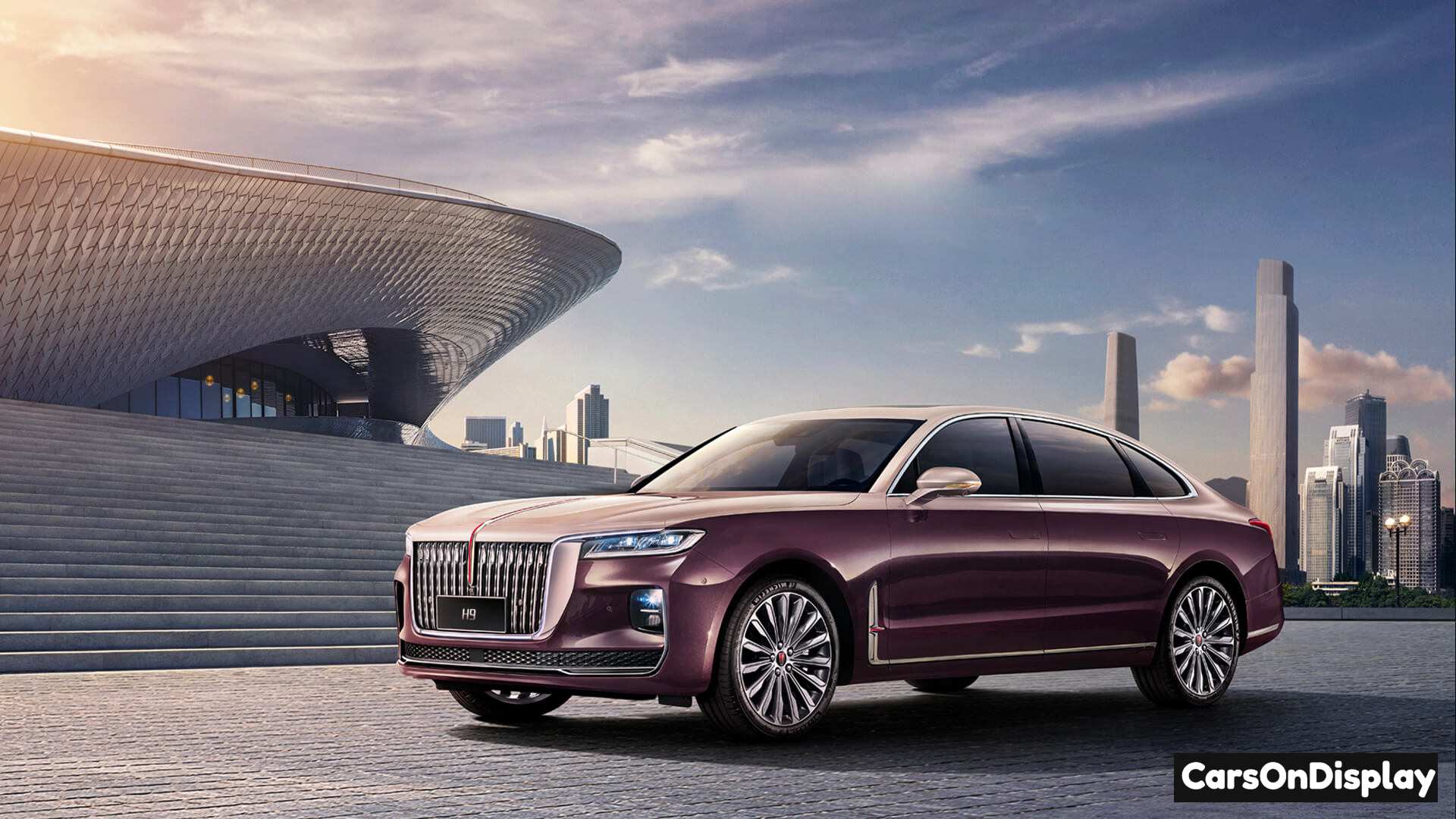
The EV world is obsessed with the spectacle of speed—800-volt architectures, 12C battery cells, and eight-minute top-ups that sound more like pit stops for a hypercar than a daily commute. But in the quiet corridors of FAW Hongqi, China’s oldest carmaker, a different kind of revolution is brewing. It’s not a thunderclap of kilowatts, but a patient, solar-powered whisper that could change how luxury EV owners think about range anxiety forever. The brand has unveiled what it claims is an industry-first solar sunroof: a panel of perovskite cells embedded in the glass roof that generates a staggering 400 kWh of energy annually. For the average commuter, that’s not just a tech-spec headline—it’s the difference between plugging in every night and barely plugging in at all.
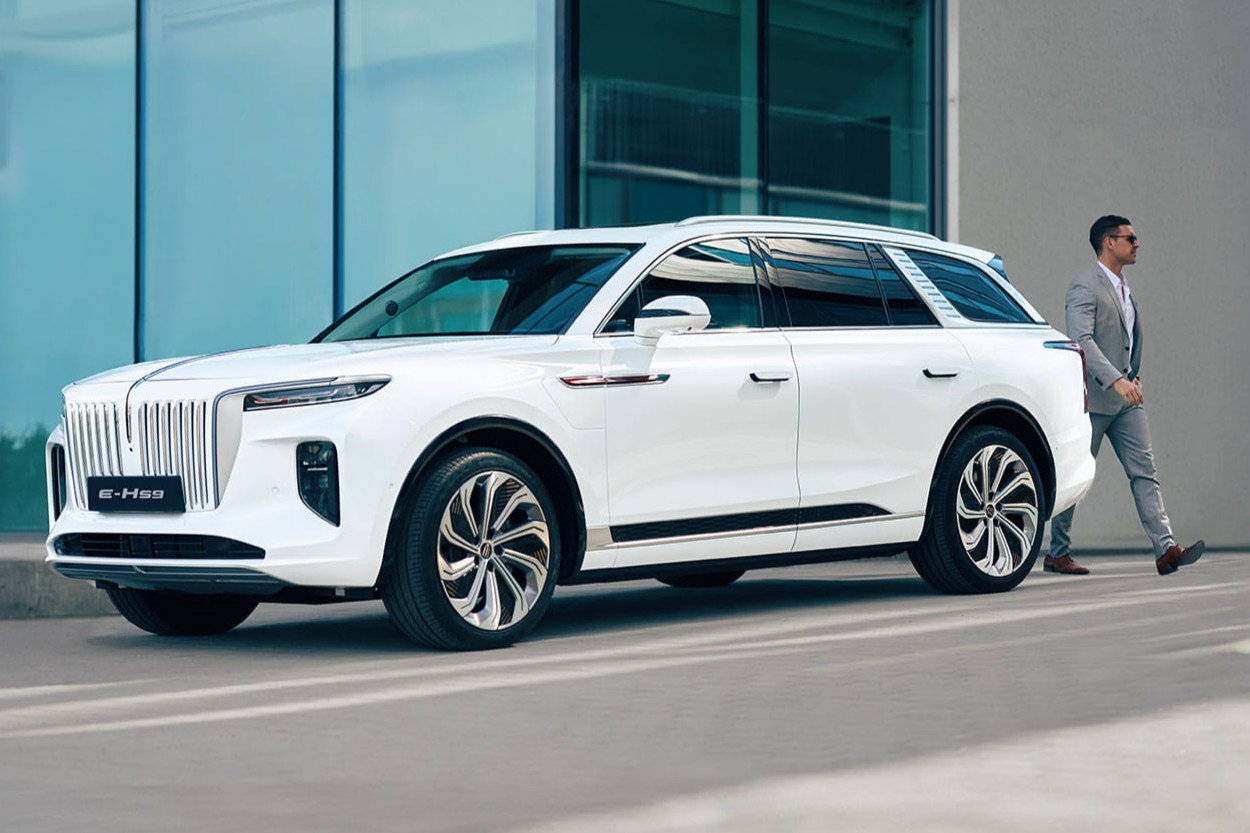
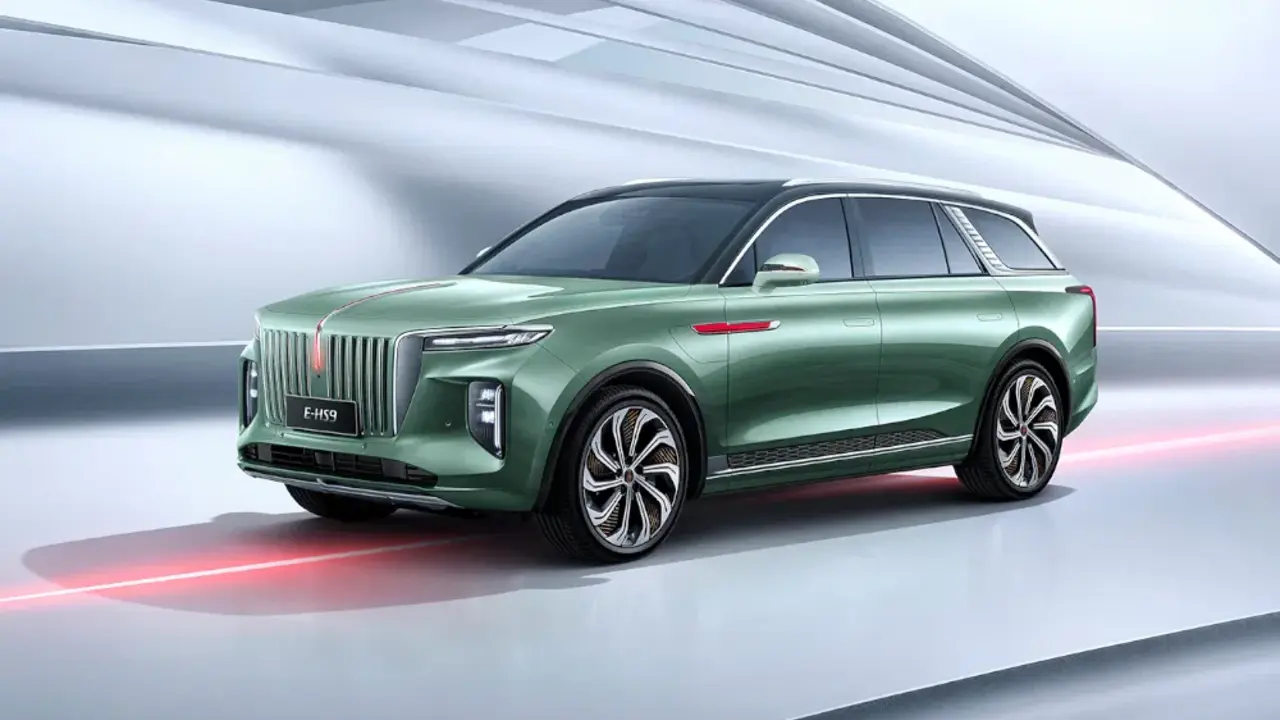
The math is deceptively elegant. Four hundred kilowatt-hours per year shakes out to roughly 1.1 kWh per day—a figure that sounds almost trivial, until you frame it properly. Most electric sedans and SUVs drink between 15 and 20 kWh per 100 kilometres. That daily trickle, harvested while the car sits idle in a parking lot or driveway, equates to about 50 miles of added range per day on the Hongqi EHS7, the model slated to debut this technology. For a driver with a 60-kilometre round-trip commute, the roof alone could effectively erase the need for nightly charging during sunny seasons. This is a paradigm shift: instead of chasing faster electrons from the grid, Hongqi is quietly capturing photons that would otherwise be wasted on asphalt.
The Science of Silence
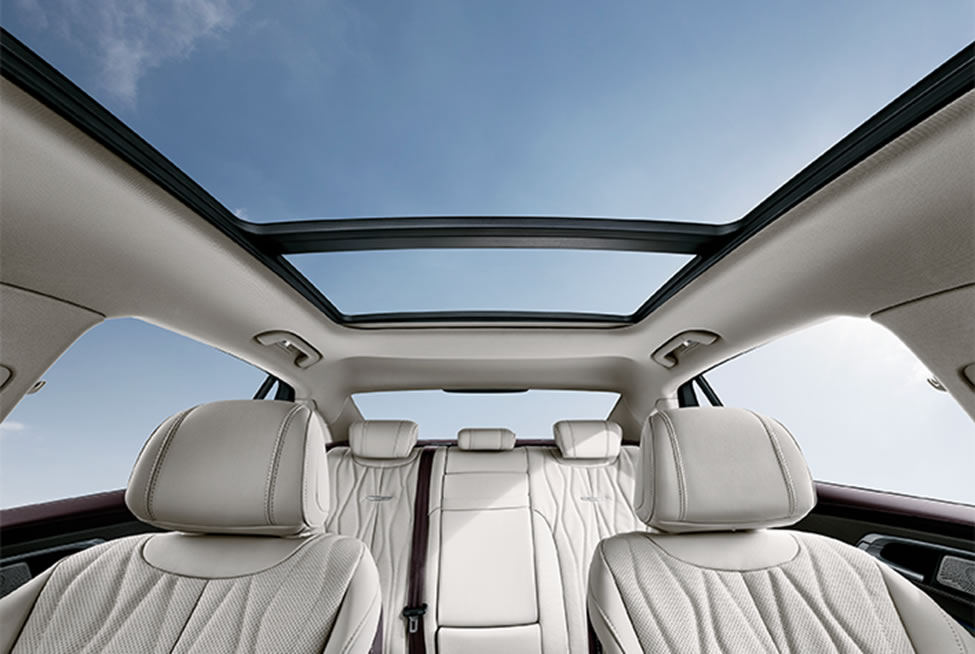
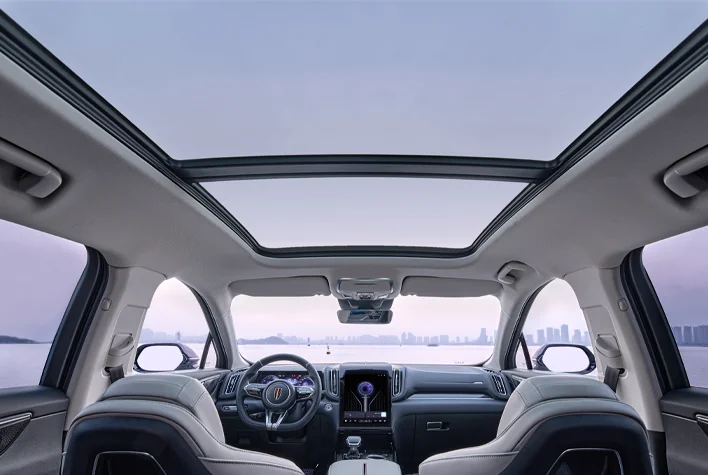
What makes this breakthrough genuinely compelling is the material science beneath the glass. Perovskite solar cells have long been touted as the future of photovoltaics—cheaper to produce, more flexible, and potentially more efficient than traditional silicon. But integrating them into automotive glass has always been a minefield: durability concerns, temperature sensitivity, and the aesthetic compromise of visible grid lines. Hongqi’s engineers appear to have solved these hurdles, embedding the perovskite layer directly into the panoramic roof without sacrificing the opulent, pillarless glass canopy luxury buyers expect. The cells are virtually invisible from outside, melting into the car’s silhouette, while a micro-inverter system feeds power directly to the high-voltage battery pack. This isn’t a trickle that just runs the cabin fan—it’s a genuine, grid-independent range extender.
The strategic brilliance here extends beyond the hardware. Hongqi, a name that once chauffeured Mao Zedong and now courts the global luxury market, is positioning this solar roof as a signature feature of its flagship EVs. Consider the brand’s recent moves: a 12C ultra-fast charging battery that can hit 80 percent capacity in eight minutes, a potential European assembly plant in Spain, and a push into Australia with a limousine priced at $1.5 million. The solar sunroof is the quieter, more philosophical counterpart to those headline-grabbing speeds. It speaks to a different kind of luxury—the luxury of indifference, of never having to plan your life around a charging station. For the wealthy buyer who values time above all, waking up each morning to a car that has silently added 50 miles to its range is a form of quiet opulence no stitched leather interior can match.
Scepticism, Temperance, and the Bigger Picture
There is, of course, a healthy dose of scepticism warranted. Real-world solar yield depends heavily on geography, weather, and parking orientation. A Hongqi owner in overcast London will see far less benefit than one in Los Angeles or Dubai. Moreover, the 400 kWh figure is an annualised average, presumably calculated under ideal conditions. But the direction of travel is unmistakable. As perovskite efficiency improves—and it is improving rapidly—these numbers will only climb. The EHS7’s solar roof is not the end of the story; it’s the opening chapter of a future where EVs are less dependent on the grid, where the car itself becomes a renewable energy device.
The Complete Vision
Hongqi’s audacity should not be underestimated. While Western manufacturers tinker with solar panels on concept cars and Tesla sells a futuristic Cybertruck with a fold-out solar tonneau cover, Hongqi is putting the technology into production luxury SUVs, betting its clientele will appreciate the subtle genius of perpetual, silent replenishment. Combined with the brand’s aggressive charging infrastructure plans and its 12C battery breakthrough, the solar roof completes a tripartite strategy: charge fast when you must, charge slow when you can, and never worry when you cannot. It is a holistic vision that rivals lack, and it’s precisely the kind of innovation that could help Hongqi translate its domestic dominance into genuine global prestige.
The sun, after all, is the one charging station that is always available.