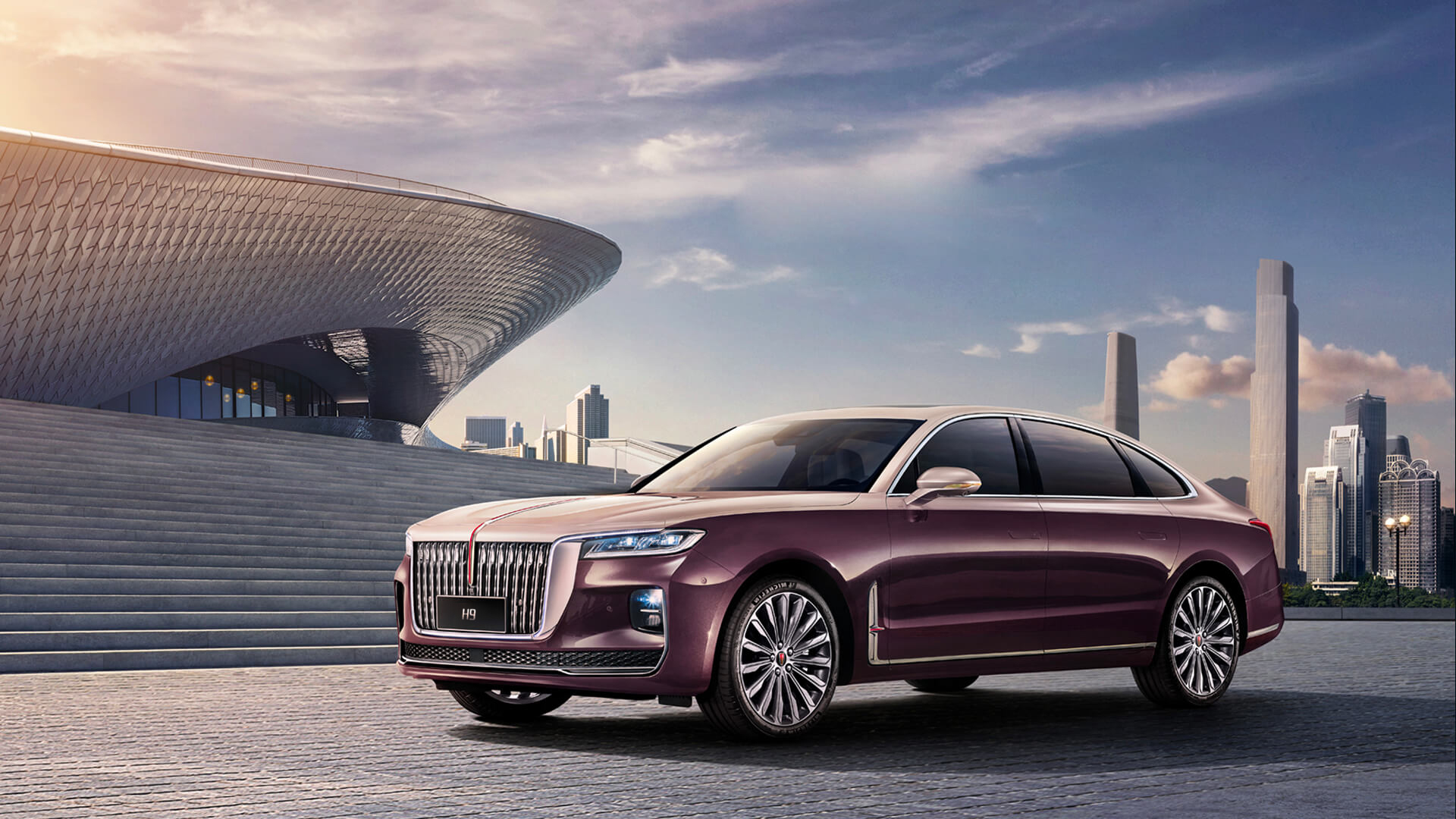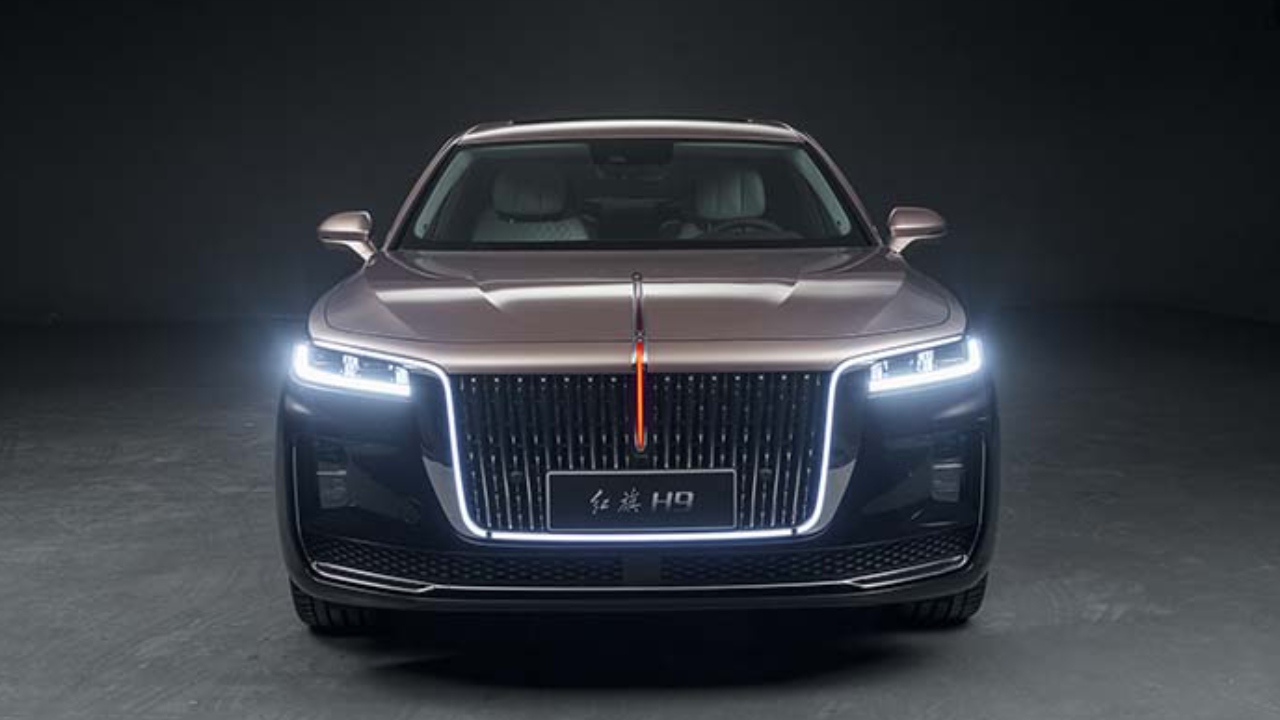
For a century, the vocabulary of automotive luxury has been written in materials and silence. Connolly hides. Burr walnut. The soft-close thud of a door engineered to shut out the world. Hongqi, the marque that has carried China's heads of state since 1958, has spent decades mastering that language. Its N701 armoured limousine—the very car ferrying Xi Jinping to the BRICS summit in Delhi—is a rolling fortress whose specifications remain appropriately classified. But the state-owned giant from Changchun has now introduced a new dialect into the luxury conversation, and it is measured not in leather grades but in seconds.
The 12C ultra-fast charging battery, unveiled by FAW Hongqi, achieves a 10-to-70 per cent charge in three minutes and forty-one seconds. Read that figure again and consider what it dismantles. Every premium electric vehicle on the market today sells itself on the promise of time reclaimed—plug in, walk away, return to a car that is ready. Hongqi has inverted the proposition. With the 12C architecture, the car waits for no one.
The End of the Wait
You pull into a charging bay, and by the time you have settled into the rear seat and taken a sip of tea, the vehicle is telling you it is ready to continue. The pause has become shorter than the pleasantries that accompany it.
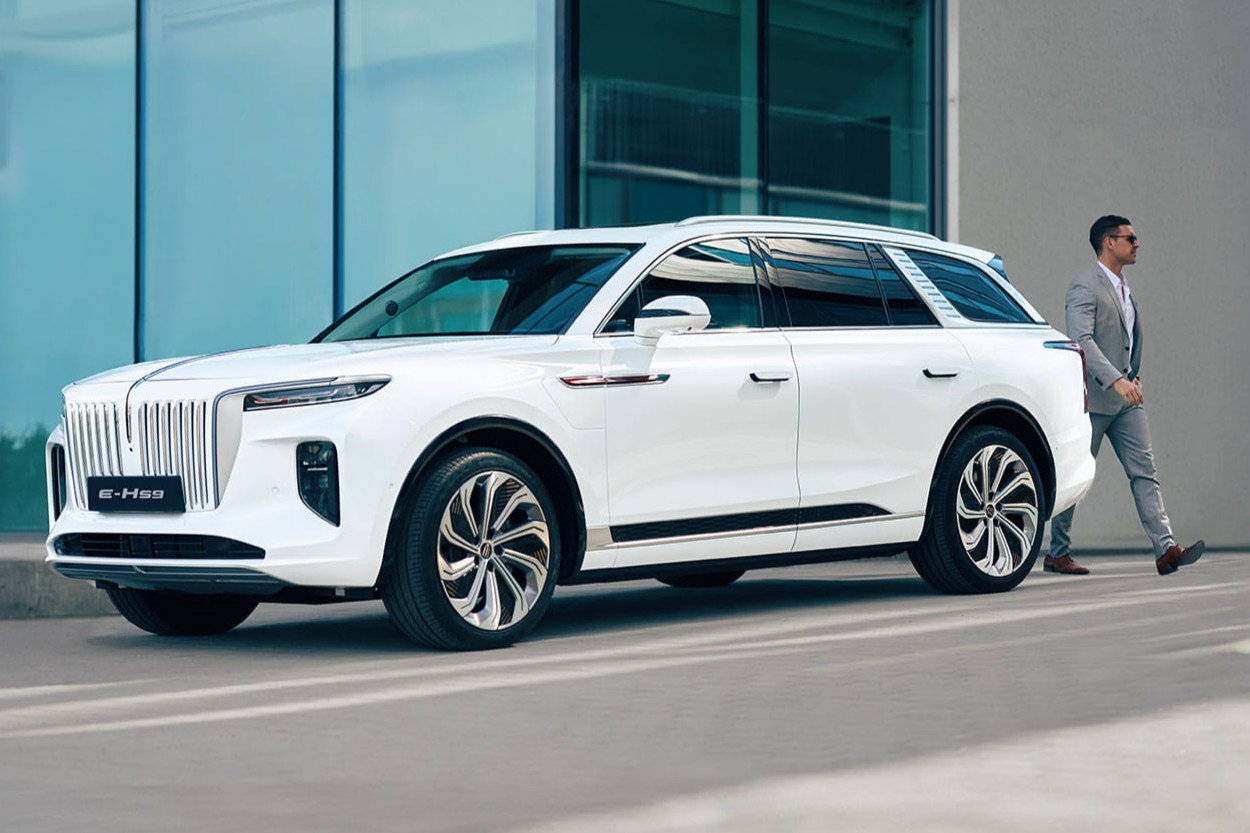
This is where charging speed ceases to be engineering and becomes etiquette. Consider the chauffeur-driven existence of the Hongqi owner—a demographic for whom the E-HS9 electric SUV, praised by Robb Report as the "Best Luxury Arrival," is already a statement of arrival. For that owner, time is the only currency that cannot be replenished. A three-minute charge is not a convenience; it is a declaration that the vehicle understands the value of the person inside it. Rolls-Royce once advertised the silence of its cabin. Hongqi now advertises the brevity of its stops.
A Car That Feeds Itself
The 12C battery does not stand alone. Hongqi has simultaneously engineered the industry's first solar sunroof, a perovskite photovoltaic system capable of generating 400 kWh annually and adding as much as 50 miles of range per day on the EHS7 prototype. Read together, these technologies describe a philosophy: a car that collects its own energy while moving and replenishes its reserves in less time than a coffee order. The luxury is not abundance. It is autonomy—the sense that the machine is never the reason you wait.
Electrons Over Wood and Wool
There is a geopolitical subtext here that Hongqi, as a brand, cannot fully escape. The same company that builds armoured limousines for presidents now builds the world's fastest-charging luxury electric vehicles, and it is doing so while expanding into Australia with a Leapmotor-collaborated SUV and beating Rolls-Royce in its home market, as Nikkei Asia has reported. Hongqi's rise is inseparable from China's industrial ambition. But it would be a mistake to read the 12C battery as mere nationalist chest-thumping. It is, more precisely, a redefinition of what prestige means in the electric age—away from the provenance of wood and wool, toward the mastery of electrons.
The New Status Symbol
The old luxury was about what a car contained. The new luxury, as Hongqi is writing it, is about what a car eliminates—the wait, the anxiety, the dependence on a grid that cannot keep pace. Three minutes and forty-one seconds is not a specification. It is a status symbol, and it belongs to Changchun now.