For the better part of a decade, the conventional wisdom has been that the sedan is a dying breed, a relic of a bygone era when the driveway wasn’t dominated by high-riding crossovers. Yet, amid the SUV onslaught and the breathless coverage of electric pickup trucks, a quieter revolution is taking place—one that could redefine the Honda Accord’s place in the automotive hierarchy. The catalyst isn’t a new body kit or a more aggressive grille; it’s a software alliance. The recent reports from Nikkei and Reuters detailing a Honda-Nissan joint development deal for vehicle software represent a tectonic shift in how the Japanese giants approach the digital future, and the Accord—Honda’s flagship sedan—stands to be the primary beneficiary of this silent tech overhaul.
This isn’t about bolting on a larger touchscreen or adding a few over-the-air updates to appease tech reviewers. The reported partnership with Nissan is about creating a unified, scalable software architecture that can underpin future models across both brands. For Honda, this is a strategic admission that the race for software-defined vehicles is too costly and complex to run alone. By sharing the burden of development with an erstwhile rival, Honda can redirect engineering capital toward the nuances that have always defined its best products—chassis dynamics, steering feel, and powertrain refinement. The result is an Accord that could finally break the stereotype that electrification and digital integration must come at the expense of driving engagement.
The Current State: A Brilliant Chassis, A Lagging Brain
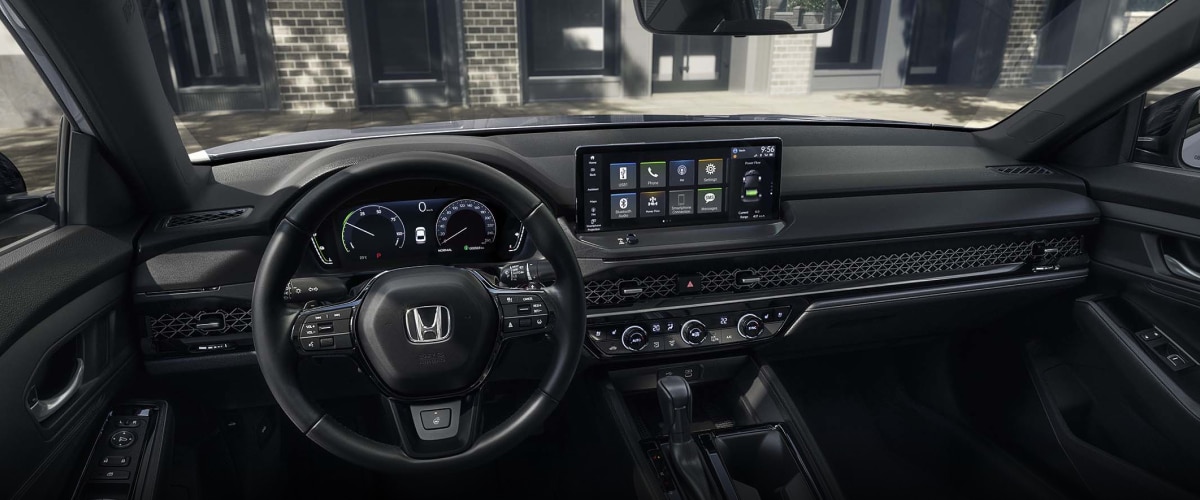
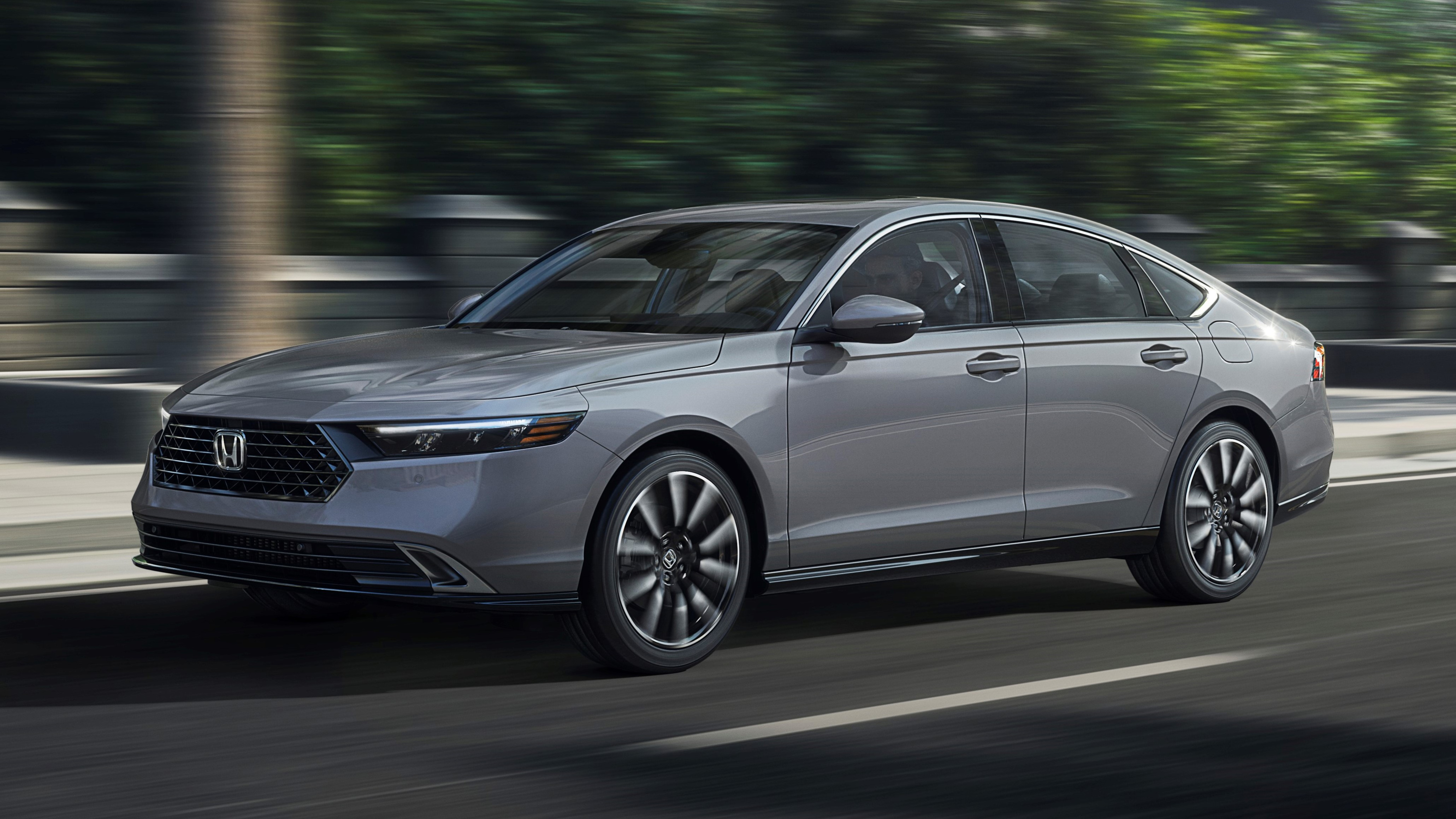
Consider the current state of the Accord Hybrid. It is arguably the most cohesive sedan Honda has ever produced, blending the efficiency of a two-motor hybrid system with a chassis that still communicates with the driver in a way that feels distinctly Honda. Yet, its infotainment system, while functional, lags behind the best offerings from domestic and Korean rivals. The Honda-Nissan software pact aims to change that. Instead of a patchwork of bespoke systems, the new architecture promises a seamless, deeply integrated user experience—one that can learn driver habits, optimize battery management in real-time, and perhaps most crucially, receive continuous improvements long after the car leaves the showroom floor. This is the kind of silent overhaul that doesn’t show up in a 0-60 time, but it transforms the ownership experience.
The Sedan as Proving Ground
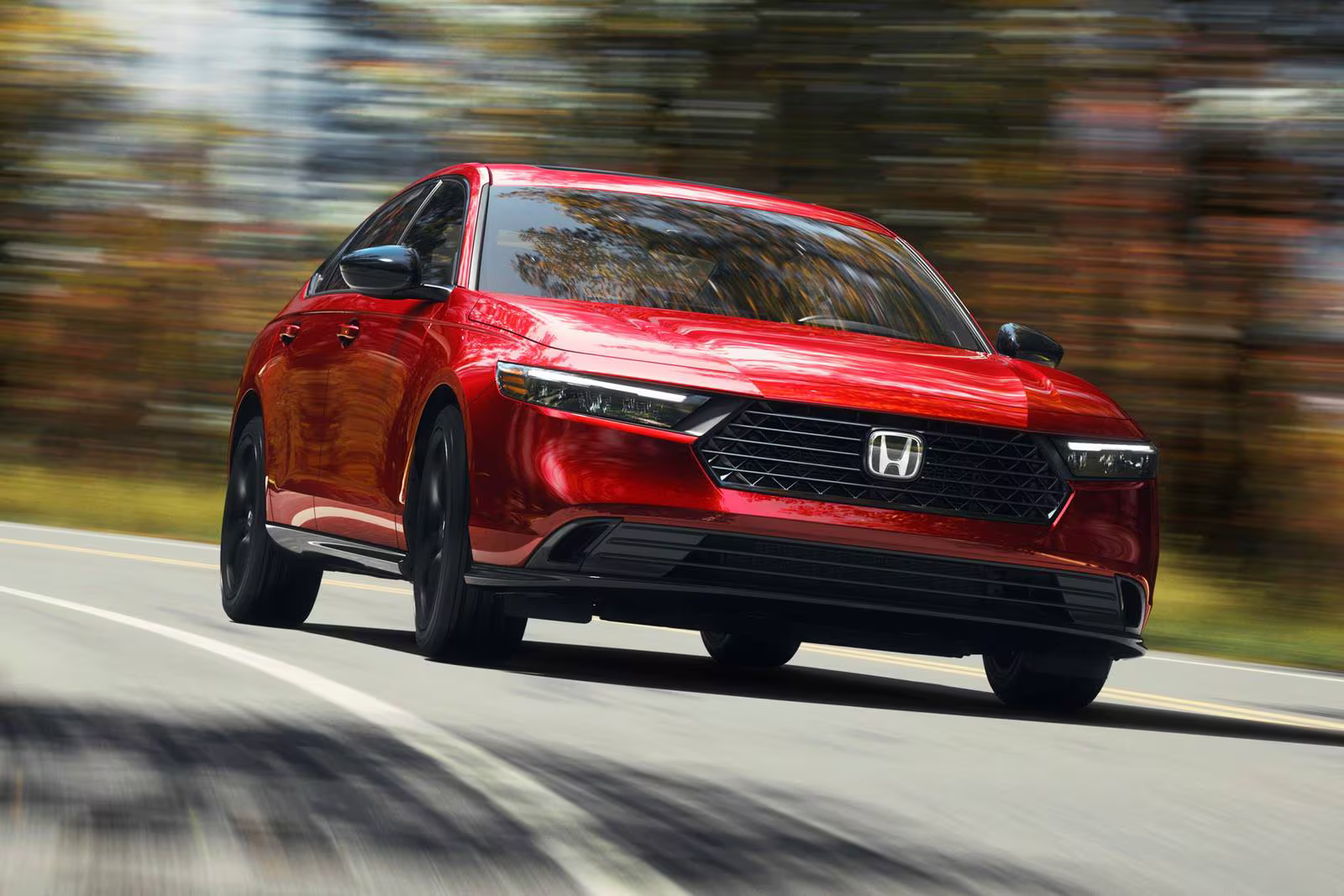
The timing is auspicious. As the industry watches Honda’s expected move to make its top-selling CR-V hybrid-only, the brand is clearly doubling down on electrified powertrains. However, the sedan remains the proving ground for this technology. A hybrid-only Accord, powered by a next-generation software platform co-developed with Nissan, would be a formidable statement. It would signal that Honda is not merely keeping the sedan alive out of nostalgia but is actively investing in making it the most intellectually advanced vehicle in its lineup. The software-defined Accord could offer predictive range optimization that learns your commute, adaptive suspension tuning that adjusts based on road surface data crowdsourced from other vehicles, and a voice assistant that understands context rather than just commands. These are the features that can lure buyers back into sedans, offering a compelling counterpoint to the bulk and higher center of gravity of an SUV.
The Risk of Dilution
There is, of course, a risk. Alliances can dilute brand character, and Honda’s engineering philosophy is one of its most treasured assets. The fear is that a shared software platform might lead to a homogenized driving experience, where the Accord and a future Nissan Altima feel like distant cousins wearing different clothes. However, Honda has historically been adept at extracting unique performance from shared components—just look at how it tuned the hybrid system differently from its rivals. The software architecture is a foundation, not a personality. Honda can still layer its own dynamic tuning, its own user interface philosophy, and its own powertrain calibration atop the shared code. The key is ensuring that the software serves the hardware, not the other way around.
A Declaration of Intent
The recent news cycle has been dominated by the Prelude hybrid’s return and the potential for off-road-oriented Honda pickups, but the Accord’s evolution is the more telling story. It is the brand’s declaration that the traditional three-box sedan is not an anachronism but a canvas for the most advanced digital craftsmanship the company has to offer. With Nissan’s help, Honda can accelerate the development timeline, bringing this new platform to market faster and at a lower cost than going it alone. The next-generation Accord, therefore, isn’t just a new car; it’s the first tangible fruit of a strategic alliance that could reshape the Japanese automotive landscape. It will be a test of whether a sedan, armed with cutting-edge software and a hybrid heart, can once again become the default choice for the discerning buyer. The hardware is already brilliant; the software is about to catch up. And that, more than any pickup truck rumor, is the news that should excite anyone who still believes in the art of the sedan.