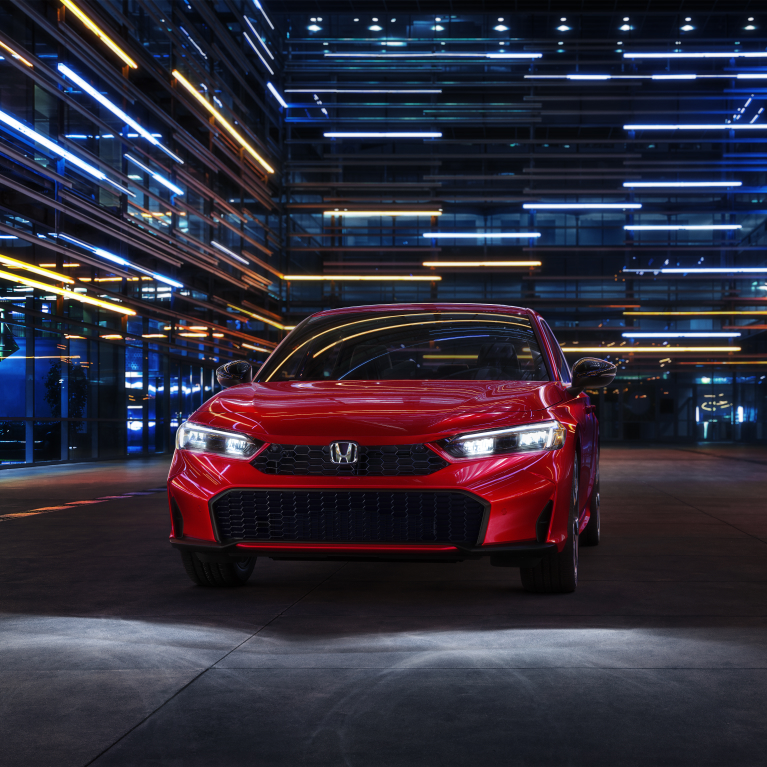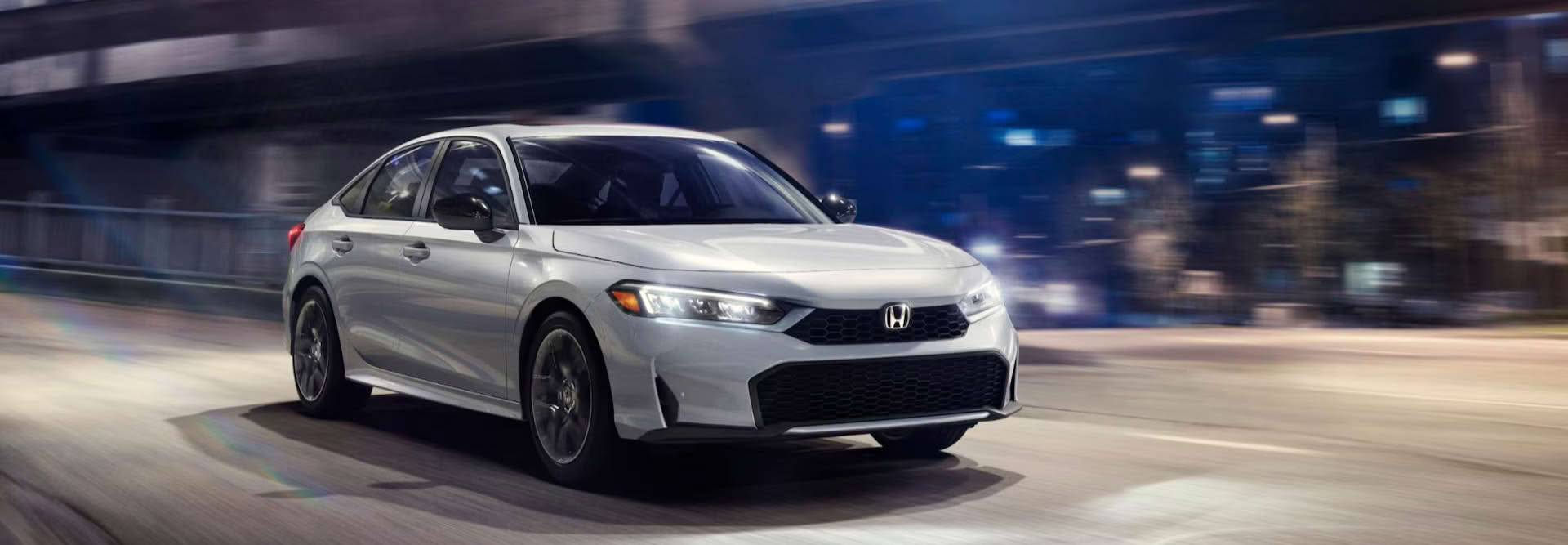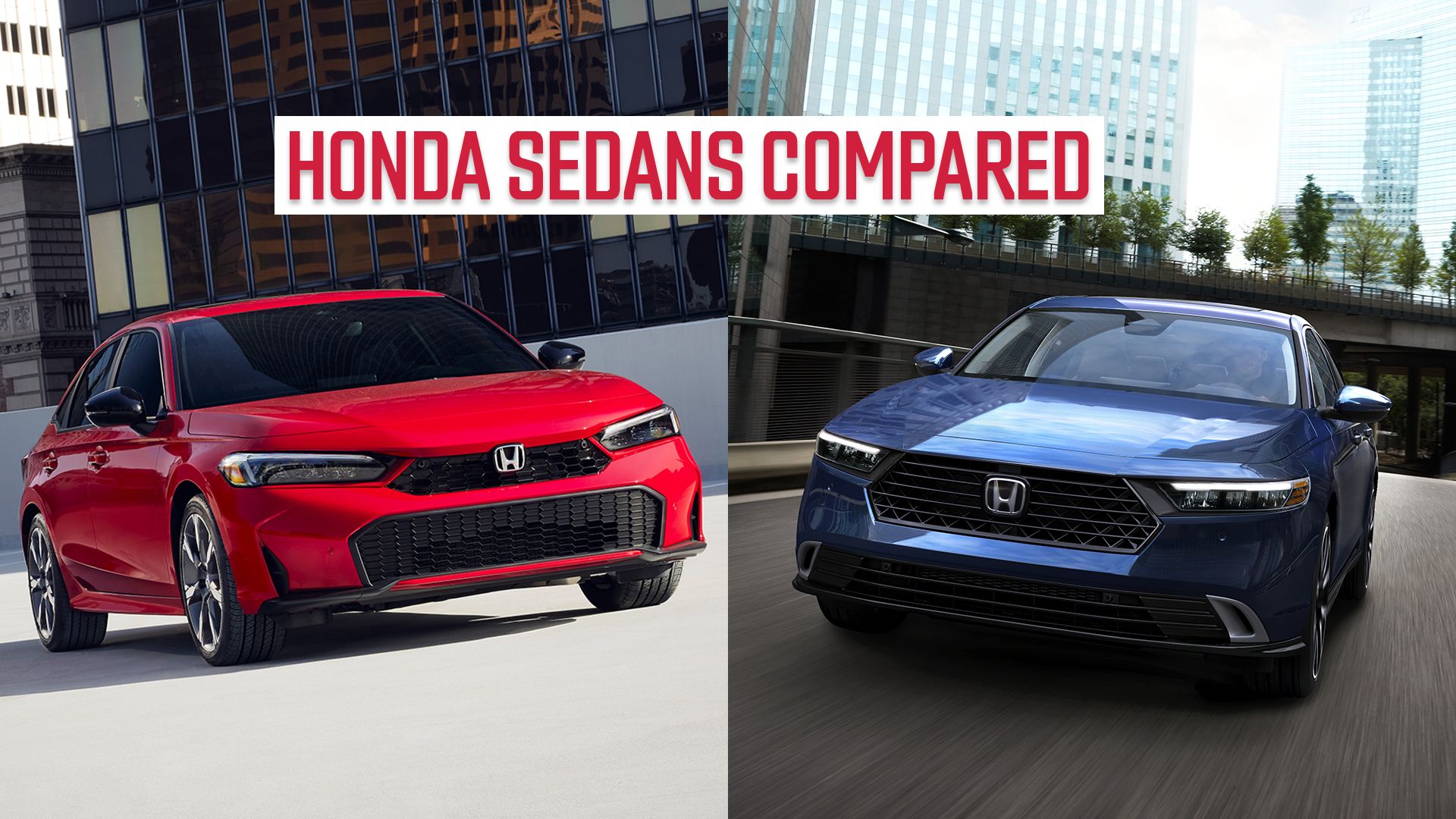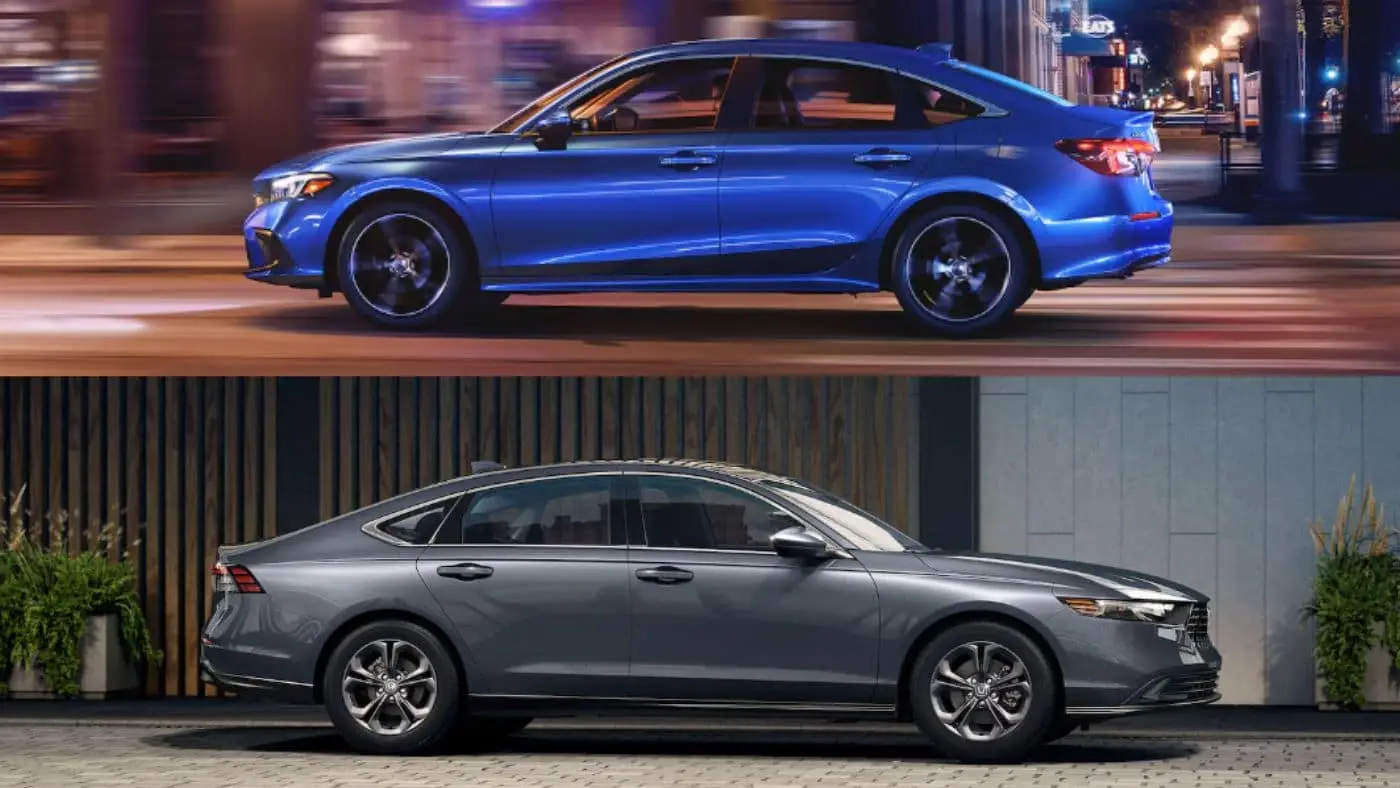
Another month, another sedan euthanized. Ford buried the Fusion, Chevrolet walked away from the Malibu, and the entire industry seems to have agreed that the four-door's obituary was long overdue. Honda, apparently, didn't get the memo. Or more likely, Honda read it, shrugged, and went back to building the Accord and Civic — two nameplates that remain among the most consequential in its portfolio. While rivals torch billions on electric platforms that arrive late and underdeliver, Honda keeps selling sedans to people who actually want to drive.
That refusal to retreat isn't stubbornness. It's a read on the market — and it's proving sharper than the industry's collective rush toward tall hatchbacks pretending to be trucks. The Accord and Civic now stand nearly alone in their price bracket, serving buyers who want efficiency, driving dynamics, and a shape that doesn't require a step ladder.
The Strategy Behind the Stubbornness
This isn't nostalgia. Honda understands the EV transition is real but uneven — charging infrastructure lags, battery costs fluctuate, and a significant chunk of American buyers still want a conventional sedan that will run for 250,000 miles without drama. That last figure isn't marketing spin. A Road & Track study on vehicle longevity placed Honda among the top brands most likely to reach a quarter-million miles, alongside Toyota and Lexus. That reputation is the quiet engine behind Honda's sedan commitment — the kind of credibility you can't bolt onto a crossover at the last minute.
While the headlines chase the 2027 Passport TrailSport with its lifted suspension, the rumored Civic Type R HRC reportedly heading to production, and the wildest Type R yet said to be just around the corner, the sedans do the unglamorous work. They move volume. They retain loyalty. They introduce new buyers to the brand. The 2027 CR-V pricing chatter and the Passport's off-road ambitions get attention, but the Accord and Civic keep the lights on and the showrooms full.
Engineering Conservatism as a Competitive Edge
There's a deeper engineering story here, and it's one Honda seems to have learned from watching others stumble. Toyota's Tundra engine failures served as a reminder that even the most trusted brands can trip when they rush complexity. Honda's approach to sedan powertrains has been characteristically conservative — refined, proven, incremental. That won't excite spec-sheet warriors, but it's precisely what sedan buyers want. They're not chasing 0-to-60 times. They're chasing reliability, resale value, and the confidence that comes from a company that doesn't bet the farm on every trend.
The investments tell a similar story of measured ambition. Honda's backing of Niron Magnetics, which is building a magnet plant in Sartell, Minnesota, signals a long-game interest in rare-earth-free motor technology — the kind of quiet infrastructure play that supports electrification without abandoning the combustion models that still pay the bills. And Honda just became the first automaker to earn a five-star FIA safety rating, a credential that matters to families cross-shopping a Camry or an Altima.
A Hedge, Not a Placeholder
The sedan, in other words, isn't waiting around for EVs to take over. It's a hedge — and a smart one. Honda has watched rivals pour money into EV programs that arrived late and underdelivered. It has watched consumers balk at price tags and charging anxiety. And it has decided that the humble four-door, refined and efficient and durable, still deserves a place at the table.
That bet may not generate the loudest press conferences. But when the EV hype cycle cools and the industry takes stock of what actually sold, Honda's sedans will likely still be there — racking up miles, holding value, and proving that the quietest strategy is sometimes the most enduring one.
It's the same philosophy that has defined Honda for decades: build machines that work, that last, that reward the driver without demanding attention. The Accord and Civic aren't just products. They're a statement — that the sedan still matters, and that Honda still knows how to build one.