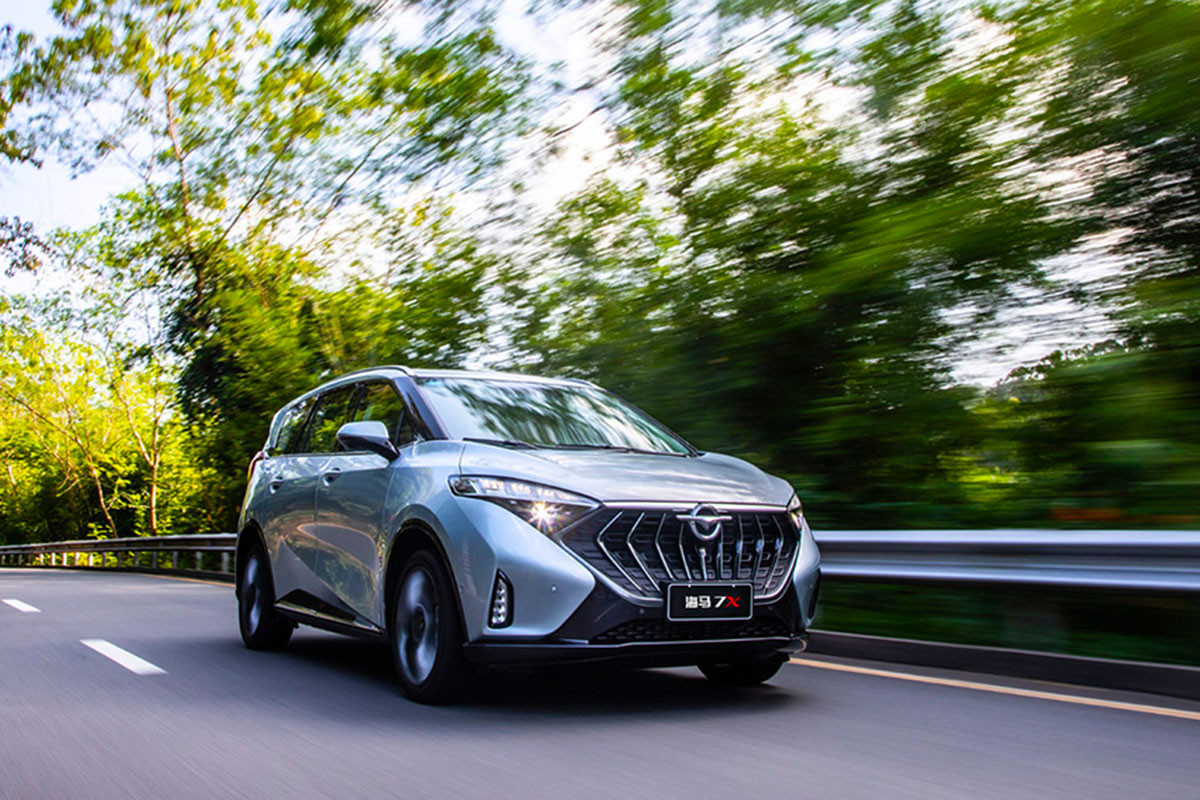
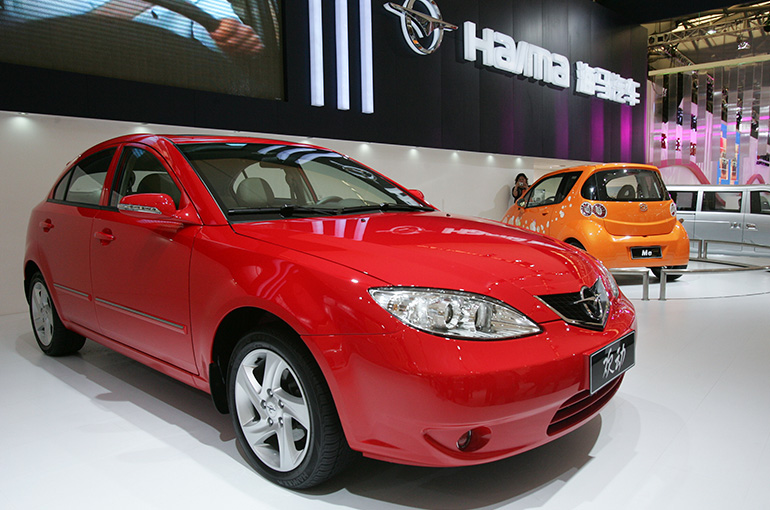
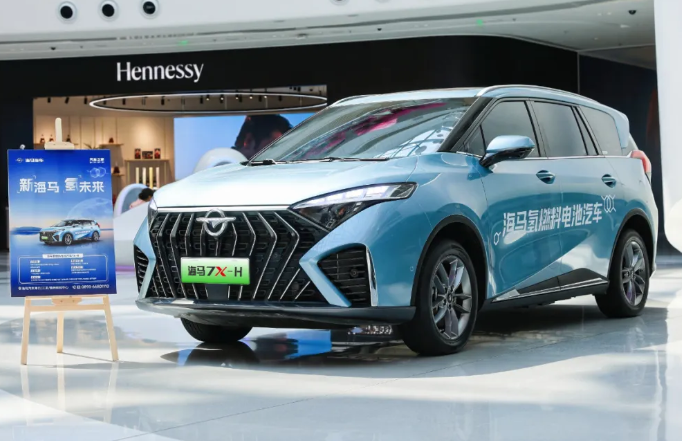
In the fevered world of Chinese automotive media, a headline can kill a brand faster than a faulty battery pack. Last week, the rumor mill went into overdrive with a claim that eight established automakers—Haima among them—had permanently lost their vehicle production licenses, a supposed culling in the nation’s relentless electric vehicle elimination race. The narrative was seductive: a Darwinian purge where the weak are stripped of their right to build cars. But as with many sensational stories in this sector, the reality is far more nuanced, and the subsequent debunking by Haima and others offers a telling glimpse into the anxiety gripping the industry. The licenses remain valid, the company confirmed, but the very existence of such a rumor underscores a truth far more uncomfortable than a bureaucratic revocation: in modern China, a license is no longer a moat; it is merely a piece of paper.
The Paper Tiger of Production Rights
The confusion likely stems from a legitimate government mechanism—the periodic review of production qualifications under the “double credit” and capacity utilization rules. When a manufacturer fails to produce vehicles for a sustained period, typically due to financial distress or a pivot away from traditional manufacturing, the Ministry of Industry and Information Technology can indeed freeze or revoke their qualifications. This is not a new policy, but it has gained sharper teeth as Beijing pushes to consolidate a fragmented market bloated with over a hundred EV startups and legacy players struggling to transition.
The rumor conflated this administrative reality with a sweeping execution order, painting Haima as a corpse awaiting burial. The company’s swift rebuttal, confirming its license is intact and its operations ongoing, was not just a PR move; it was a desperate attempt to reassure suppliers, dealers, and customers that the brand still has a pulse. When a manufacturer has to publicly deny its own death, you know the market has shifted beneath its feet.
Stranded in No-Man’s Land
Yet, let us not mistake survival for vitality. Haima’s predicament is a case study in the perils of the middle ground. Once a promising joint-venture offshoot with Mazda, the brand spent years building a reputation for affordable, slightly sporty sedans and SUVs. But as the Chinese market bifurcated into two extremes—premium domestic marques like BYD and Geely on one side, and bargain-basement budget models on the other—Haima found itself stranded in no-man's land.
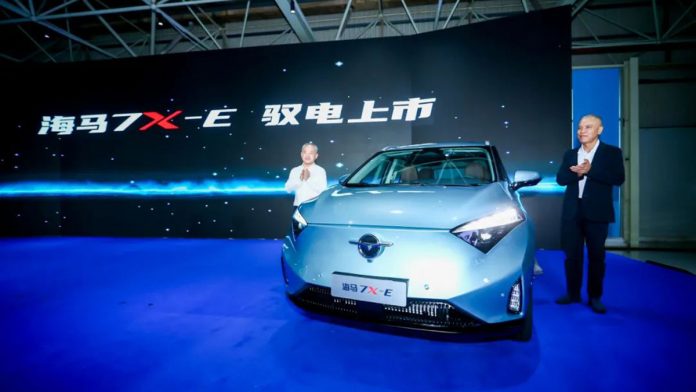
Its internal combustion engine lineup, competent but unremarkable, lacks the software-defined allure of its rivals. Its EV efforts, including models like the Haima 7X-E, have been tepid, lacking the range, charging ecosystem partnerships, or autonomous driving credentials that now define success. In a market where consumers view a car as a smartphone on wheels, Haima is still trying to sell a feature phone. The driving dynamics that once made its Mazda-derived platforms genuinely engaging have been overtaken by a new currency: digital integration, over-the-air updates, and battery architecture efficiency.
The Market Does the Killing
The debunked rumor, however, reveals a deeper psychological shift. The real “elimination race” is not about licenses being revoked by fiat; it is about capital starvation, talent flight, and consumer indifference. A production license is worthless if no one buys the cars. The eight automakers named in the original false report are not victims of a government purge but of their own strategic inertia.
They failed to anticipate the velocity of the EV transition, the ferocity of the price war instigated by Tesla and followed by Chinese giants, and the technological leapfrogging that made legacy powertrains feel archaic. The government does not need to kill them; the market is doing that efficiently enough. When your competitors are slashing prices by 20 percent while simultaneously introducing semi-solid-state batteries and lidar-equipped driver assistance, a valid license feels less like an asset and more like an albatross.
A Future Beyond the Homeland
For Haima, the path forward is not about defending its license but about redefining its existence. There is a growing ecosystem of contract manufacturing, where legacy automakers with idle capacity and valid licenses become “hollow” factories for EV startups that lack their own approvals. This is a pragmatic, if humbling, survival strategy. The company could also leverage its overseas footprint, particularly in Southeast Asia and the Middle East, where its internal combustion models still find buyers. Indeed, car comparison sites in the Philippines and Oman still list the Haima V70 against Toyota Innova and Avanza, a testament to a residual brand equity that domestic Chinese consumers have largely forgotten.
That is the irony: Haima may find its future not in the hyper-competitive Chinese market that birthed it, but in the emerging markets that still value utilitarian, affordable transportation. There is something almost poetic about a brand that once learned from Japanese engineers now teaching the same lessons to newer frontiers—albeit with far less glamour and far more margin pressure.
The Clock Is Ticking
Ultimately, the panic over the “license freeze” is symptomatic of an industry in profound flux. The rumor gained traction precisely because it felt plausible, because we have become accustomed to stories of once-mighty brands collapsing overnight. Haima’s denial buys it time, but not salvation. The company must now decide whether to be a low-margin contract manufacturer, a regional player for developing markets, or a niche EV brand with a distinctive value proposition.
Standing still, hoping the storm passes, is the only guaranteed path to extinction. The license is valid, but the clock is ticking. In an industry where survival is no longer about who holds the paper but who holds the imagination of the driver, Haima must rediscover what made it matter in the first place—or accept that the next rumor might not be debunkable.