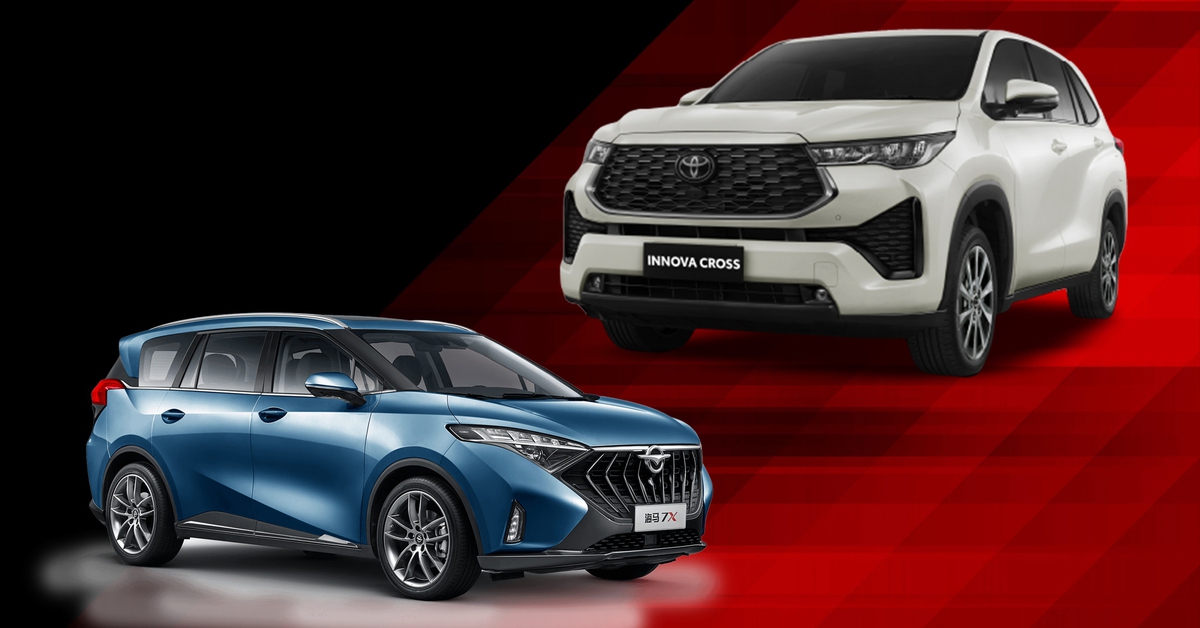
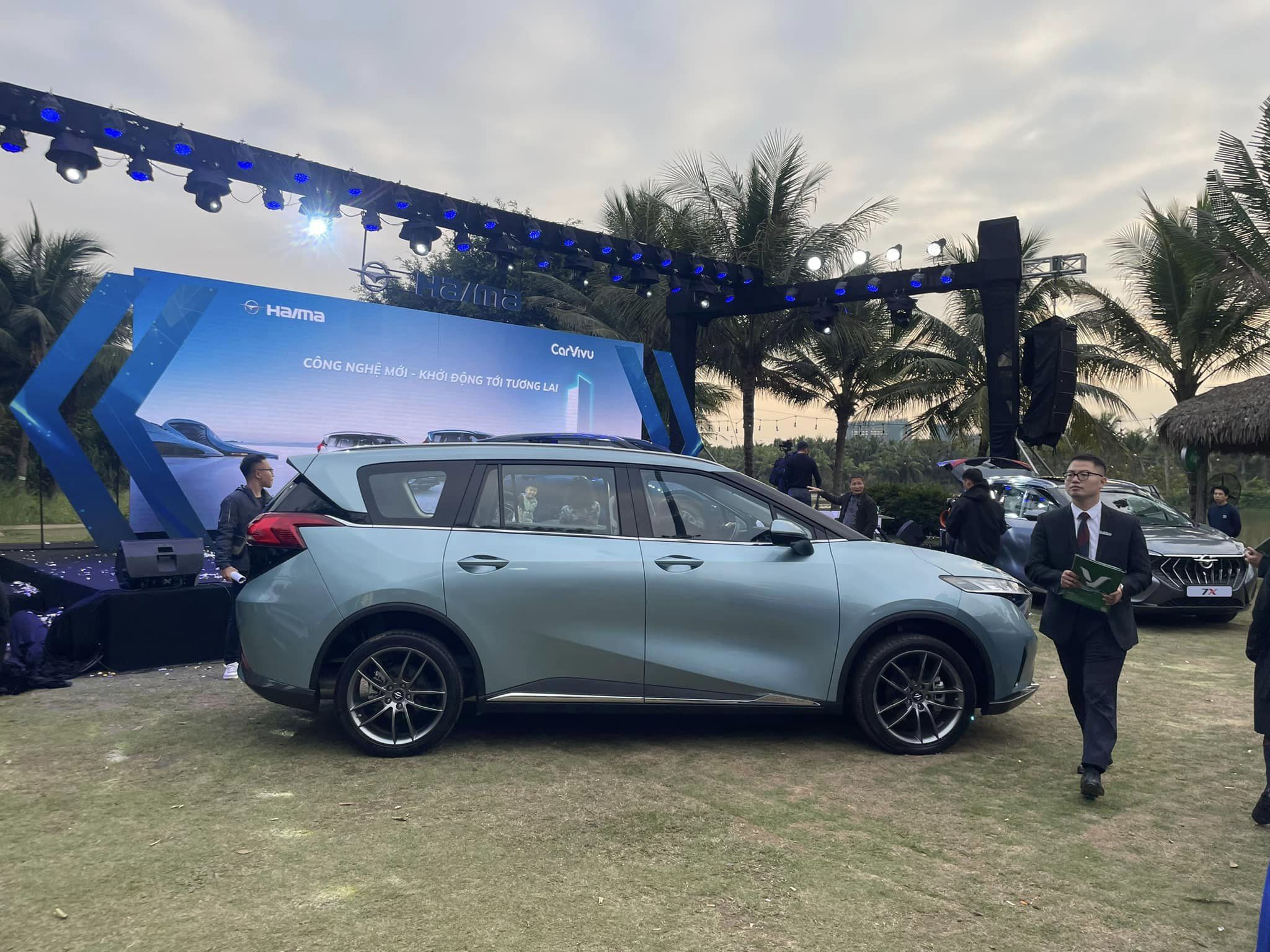
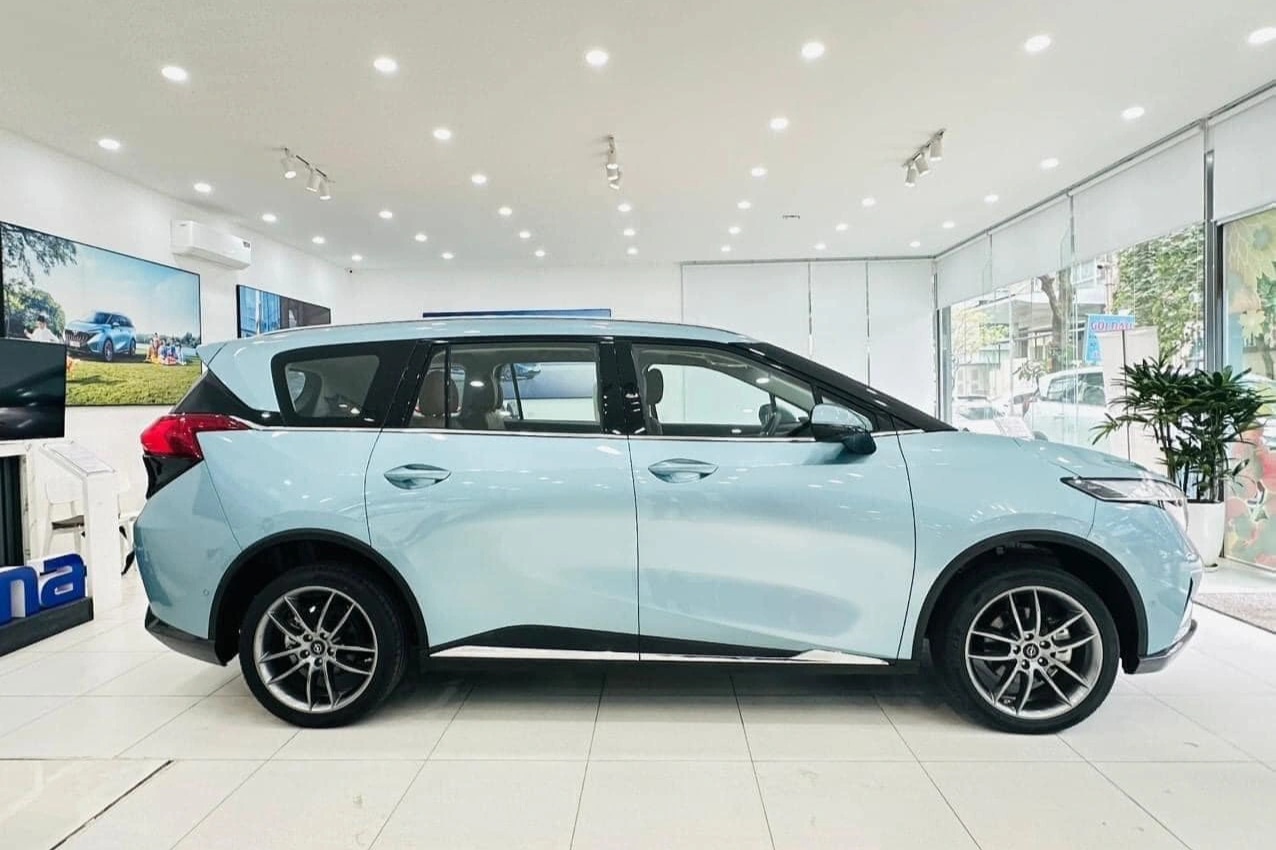
In the Philippines, the seven-seater question has had one answer for two decades: buy the Toyota Innova. It is the fleet car, the family hauler, the resale champion — a vehicle so entrenched that most buyers never bother to cross-shop. Then the Haima V70 1.5 Turbo Deluxe arrived, and the segment got something it rarely sees: a genuine alternative from a brand most shoppers have never seriously considered. That, perhaps, is the problem worth correcting.
Start with the numbers, because they are more interesting than the badge suggests. The Haima V70 runs a 1.5-litre turbocharged petrol engine — comfortably down on torque against the Toyota Innova 2.8 G's diesel, but playing an entirely different game. Where the Innova's 2.8-litre oil-burner delivers that characteristic low-end shove and workhorse durability, the V70's small-displacement turbo counters with something quieter, smoother, and considerably more civilised around town. That distinction matters more than spec-sheet warriors admit. Most seven-seater buyers in Metro Manila are not hauling cargo up mountain passes; they are navigating EDSA at 15 km/h with three children and a grandparent in the third row.
Cabin and Kit: Where the Underdog Bites
The V70's cabin is where the argument strengthens. Against the Toyota Avanza 1.5 G CVT — the budget Toyota most price-conscious buyers actually end up with — the Haima feels a class above. Materials are softer, the dashboard layout is more contemporary, and the equipment list is frankly embarrassing for the Japanese competition at similar money. Where the Avanza still trades on its badge and little else, the V70 arrives with the kind of standard kit that makes you wonder why you would pay more for less.
The counterargument is not performance or packaging; it is trust. Haima has spent recent years fending off rumours about its future in China's brutally competitive auto industry. Reports circulated that several established automakers faced permanent production-licence freezes, and Haima was named among them. The company moved quickly to debunk the claim, confirming that its vehicle production qualifications remain valid.
The Trust Question
That clarification matters, because the single greatest obstacle to the V70's success in markets like the Philippines is not the car itself — it is the buyer's quiet fear that the dealer network might vanish before the warranty does.
That fear is not irrational, but it is worth placing in context. China's car industry is indeed consolidating, and the elimination race is real. Yet Haima has demonstrated a capacity for reinvention that few of its domestic peers can match, and its survival has been less about volume than about adaptability. For a buyer weighing a V70 against an Innova, the calculus is straightforward: the Toyota wins on resale and service ubiquity, the Haima wins on purchase price, refinement, and equipment per peso. The Innova is the safer financial decision. The V70 is the better car for the money you actually spend.
Character and Compromise
Then there is the question of character. The V70 drives like a modern MPV should — composed, quiet, and surprisingly eager from a standstill once the turbo spools. The Innova drives like a pickup-based utility vehicle that has spent years learning manners. Both have their place, but only one feels designed for passengers rather than payload.
None of this means the Haima V70 will dethrone the Innova. Brand gravity in this segment is immense, and Toyota's dealer network is a genuine competitive moat. But the underdog deserves a test drive before the decision is made. Buyers who walk into a Toyota showroom out of habit, without first sitting in the V70, are not making an informed choice — they are making a default one. And in a market this competitive, defaults deserve scrutiny.
The seven-seater segment has quietly become more interesting than it has been in years. The Haima V70 is the reason why.